

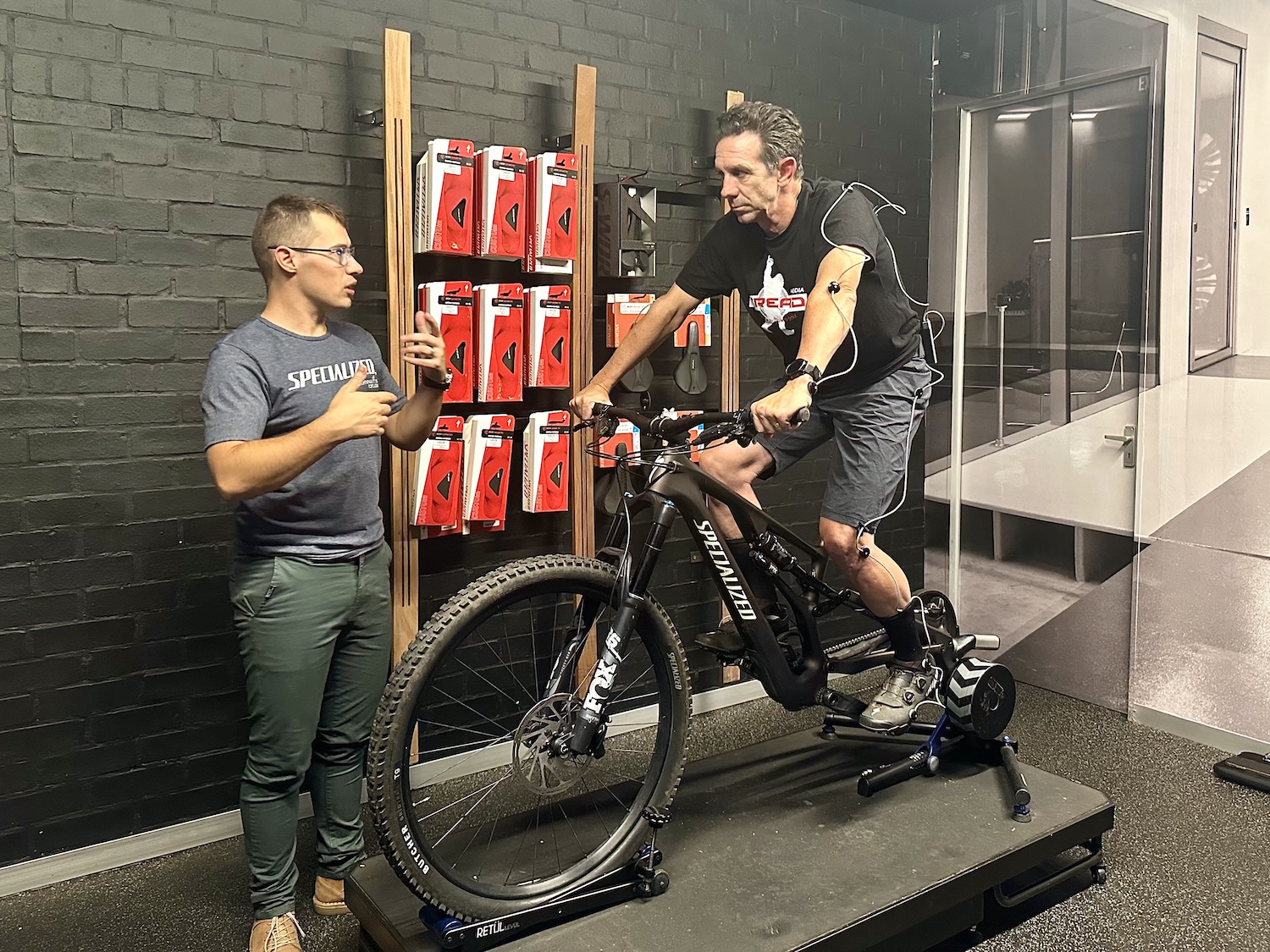
When last did you have a professional bike fit done? For years, I skipped them. I knew my bike measurements, understood what felt right, and was perfectly happy making my own adjustments. But these days, I find myself booking bike-fit sessions more regularly. Here’s why.
By Sean Badenhorst
There was a time when bicycles were simpler and, to be honest, so was I.
I knew my frame size, my preferred reach and my bottom bracket-to-saddle height measurement. That was enough to get me through years of riding and testing bikes. Considering I’ve ridden at least 700 bicycles during my career, including countless bike tests for various media brands, I had plenty of opportunities to refine my own fit.
Back then, it worked. But two important things have changed. The first is me.
Through my 20s, 30s and even into my early 40s, I was remarkably consistent in terms of fitness, flexibility and strength. My body didn’t change much, which meant my bike position didn’t need to change much either. That is no longer the case.
In my late 40s and now into my 50s, I’ve accumulated a few battle scars. Several crashes resulted in broken bones and, in two separate falls, I fractured four vertebrae. The result is that I’ve actually lost around four centimetres in height.
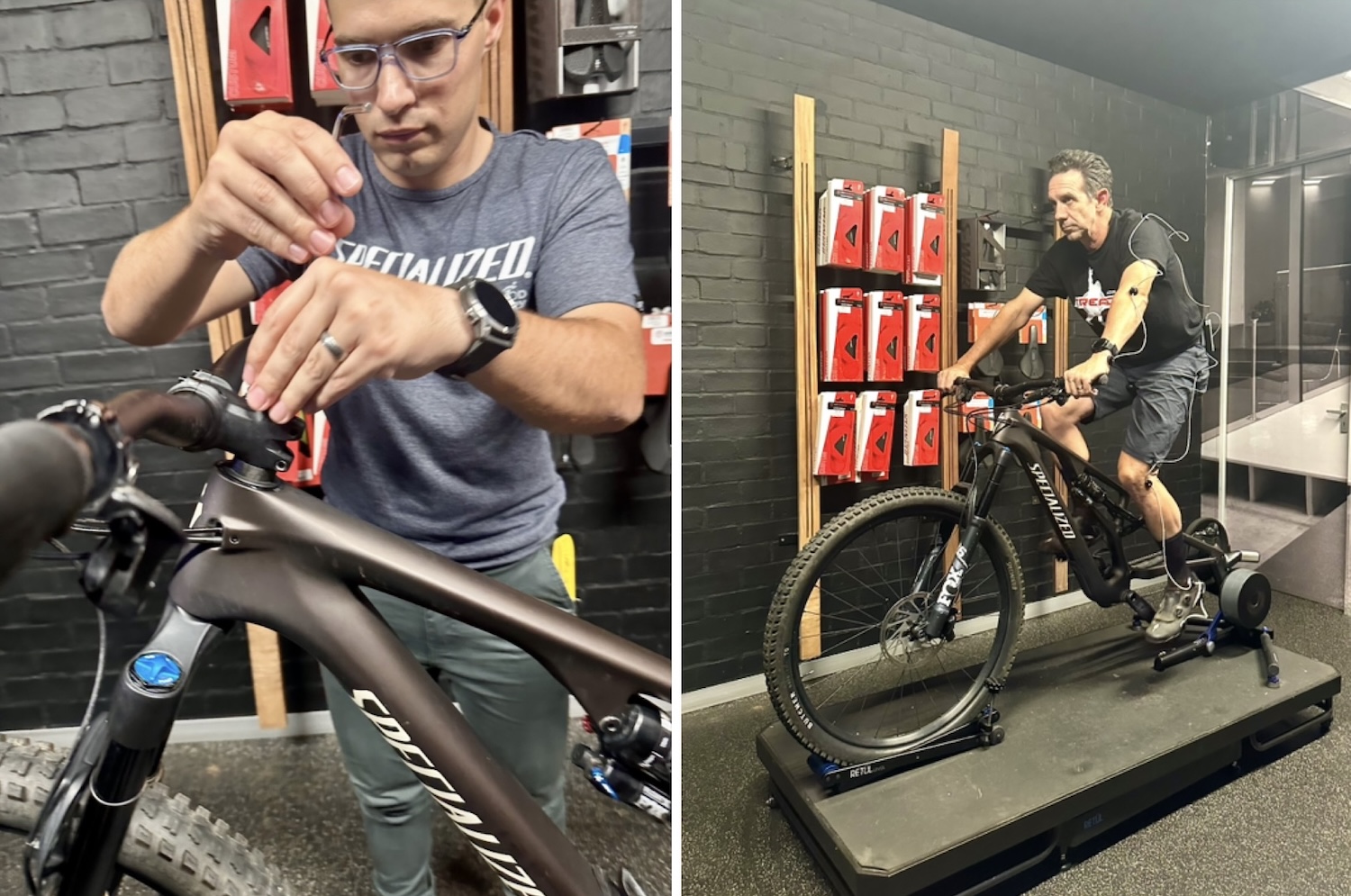
Then came my heart attack and subsequent bypass surgery in 2025. By my own standards, I’m a bit of a physical wreck these days.
The good news is that I’m working hard to improve all of that. I’m getting stronger again, regaining flexibility and rebuilding my fitness. But that’s exactly the point. My body has changed, and it’s continuing to change as I recover and adapt.
A bike position that worked perfectly three years ago may not be ideal today.
The second major change is the bicycles themselves. Gone are the days when most bike brands followed a handful of industry standards and every bike felt broadly similar. Modern bicycle companies employ teams of engineers who seem to have little regard for cycling tradition. Instead, they focus on making bikes lighter, more efficient, easier to control and more comfortable. Thankfully.
The result is that bicycles may still look similar from a distance, but underneath the paint they’re often very different machines. Geometry varies significantly between brands and models, and many modern full-suspension mountain bikes now feature adjustable geometry settings as well.
All of this means that achieving the right riding position is no longer as straightforward as it once was.
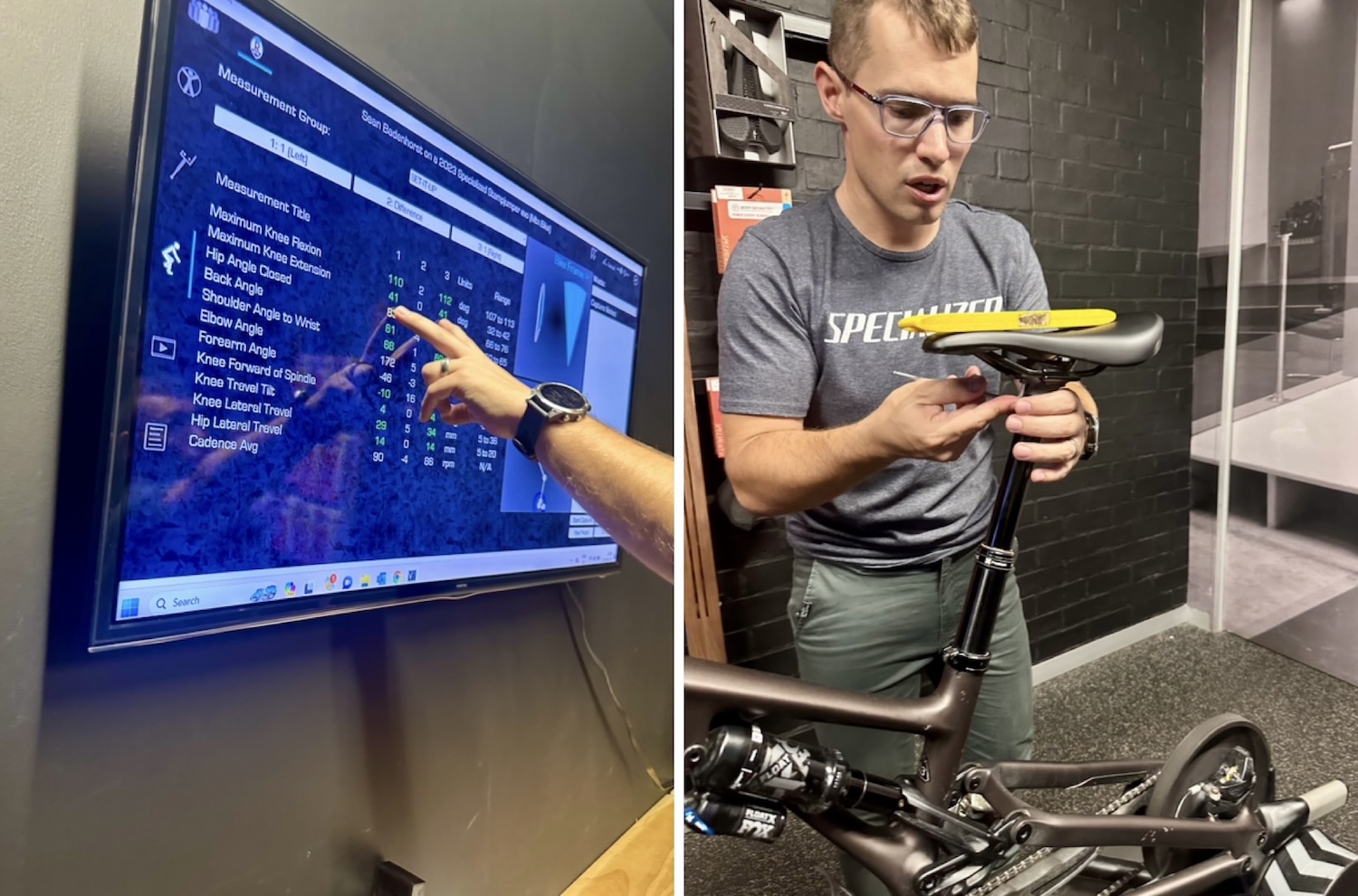
There are several bike-fitting systems available today, but because I live close to Complete Cyclist Bryanston, that’s where I’ve had my most recent fits done. I also had one done at Lynnwood Cyclery, Pretoria in January 2024 when I was getting settled on an Enduro bike.
The bike-fitting service there is provided by Set-It-Up, which also operates from Complete Cyclist Bedfordview, Complete Cyclist Rosebank and Lynnwood Cyclery in Pretoria.
Led by Marcel de Wit, one of South Africa’s most experienced bike fitters, Set-It-Up uses the Retül bike fitting system.
Retül is a dynamic 3D motion-capture technology that uses infrared cameras and reflective markers to measure your body’s movements and biomechanics while riding. The system captures precise data in real time, allowing fitters to make informed adjustments that improve comfort, efficiency, performance and injury prevention.
Your first session is typically around 90 minutes long because the fitter needs to assess you as an individual. Flexibility, body proportions, mobility restrictions, riding goals and existing injuries all come into play. Once that baseline has been established, follow-up sessions are generally shorter and focus on fine-tuning.
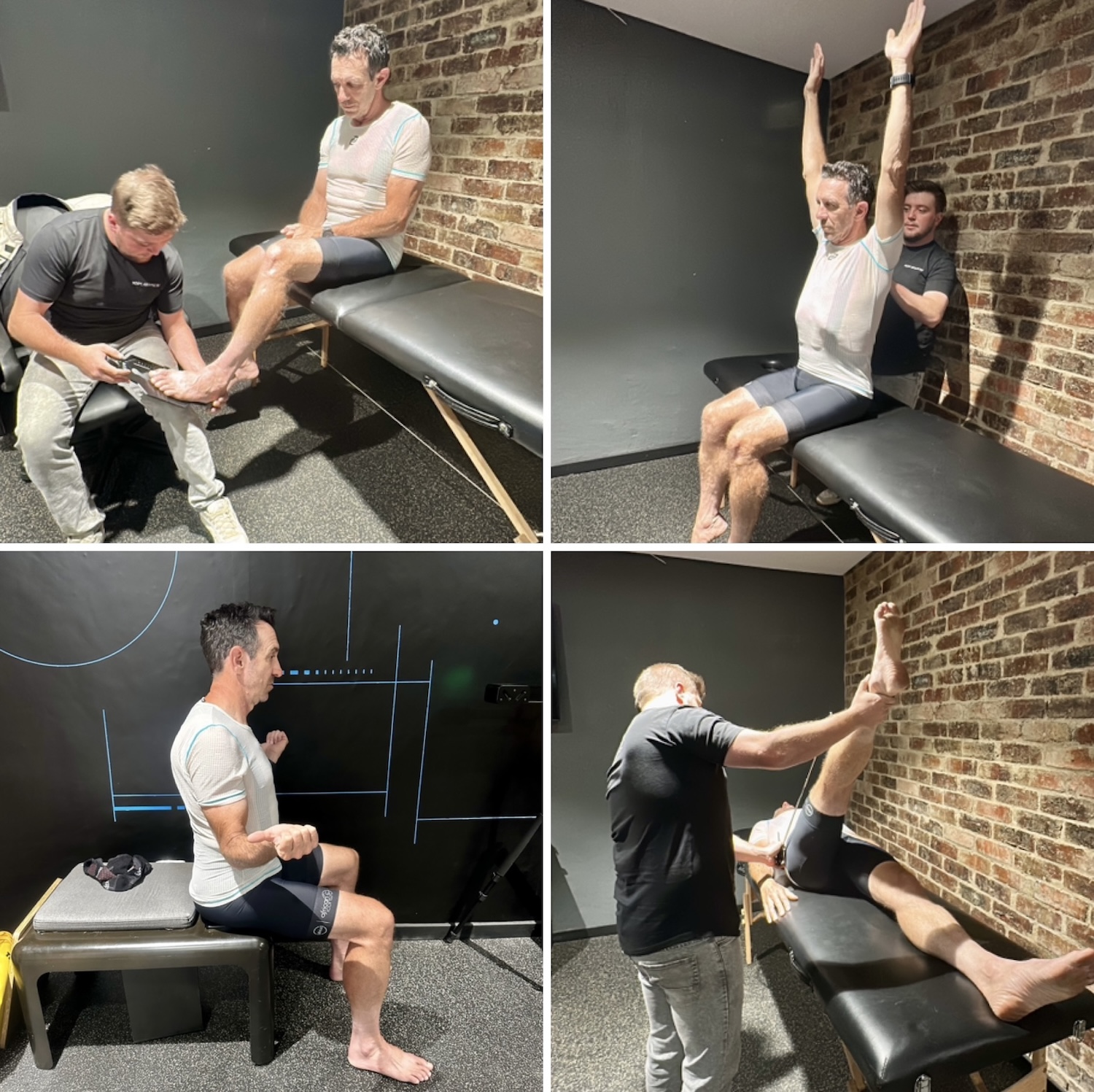
At the moment I don’t actually own a mountain bike, which sounds strange for someone who runs a mountain biking media platform. But there are usually overlaps between long-term test bikes, so I’m constantly moving between different machines.
I’m also spending more time on gravel bikes and eBikes these days, which creates even more reasons to ensure my position is correct.
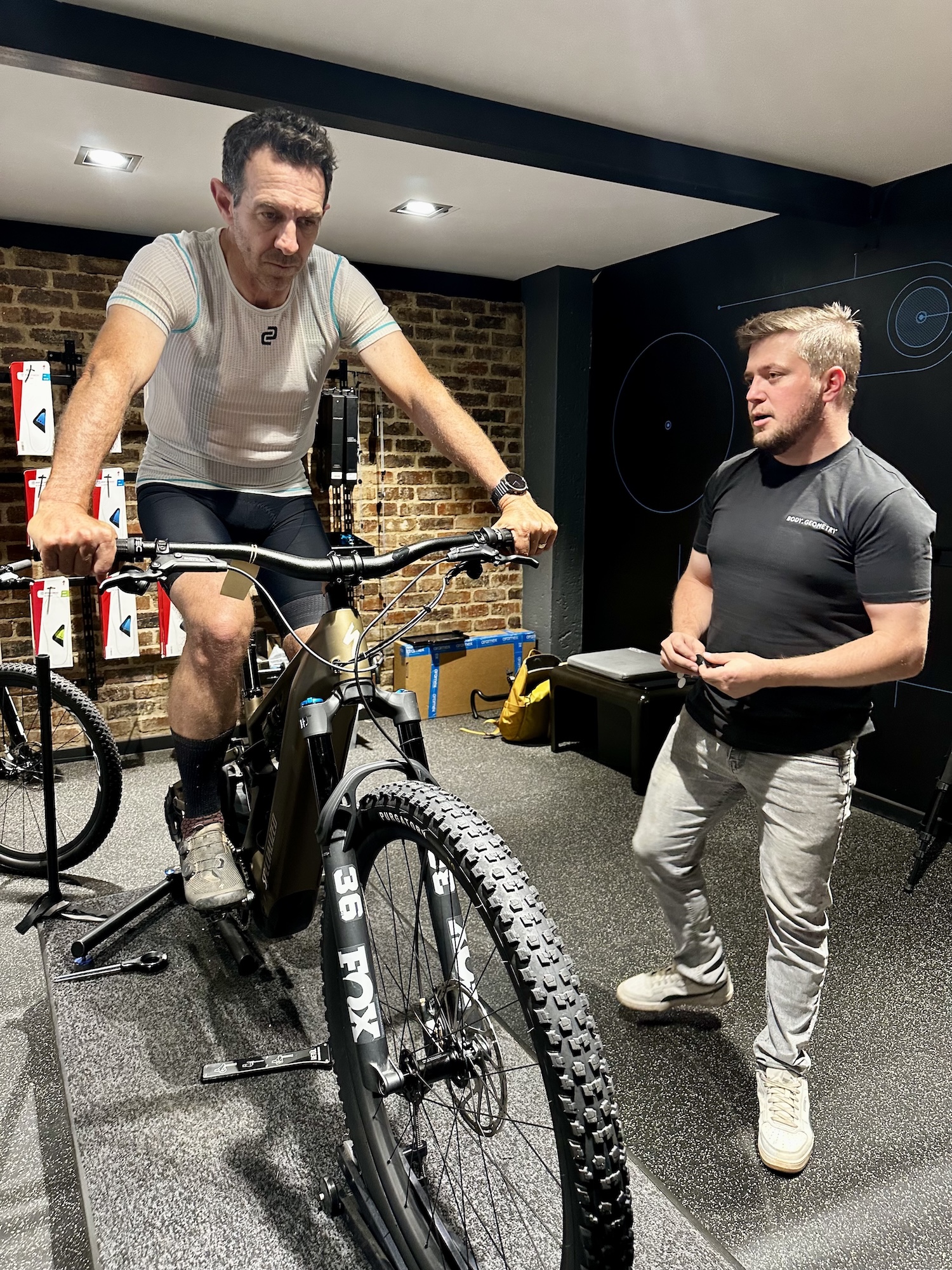
My most recent fit was on the Specialized Levo R eBike, which I was testing long-term, including during the Sani2c stage race.
My fitter was Nick Fouché, a qualified sports and conditioning coach as well as a former Elite-level road and track racer. He understands how even the smallest adjustment can affect comfort, efficiency and bike handling.
These days comfort is high on my priority list. While I’m still very much in recovery and rebuilding mode, long rides remain a key part of my training programme.
At the same time, I still enjoy attacking a twisty piece of singletrack and carrying speed through technical terrain. For that reason, I like a reasonable amount of weight over the front wheel to maximise steering precision and control. Not everybody my age rides that way.
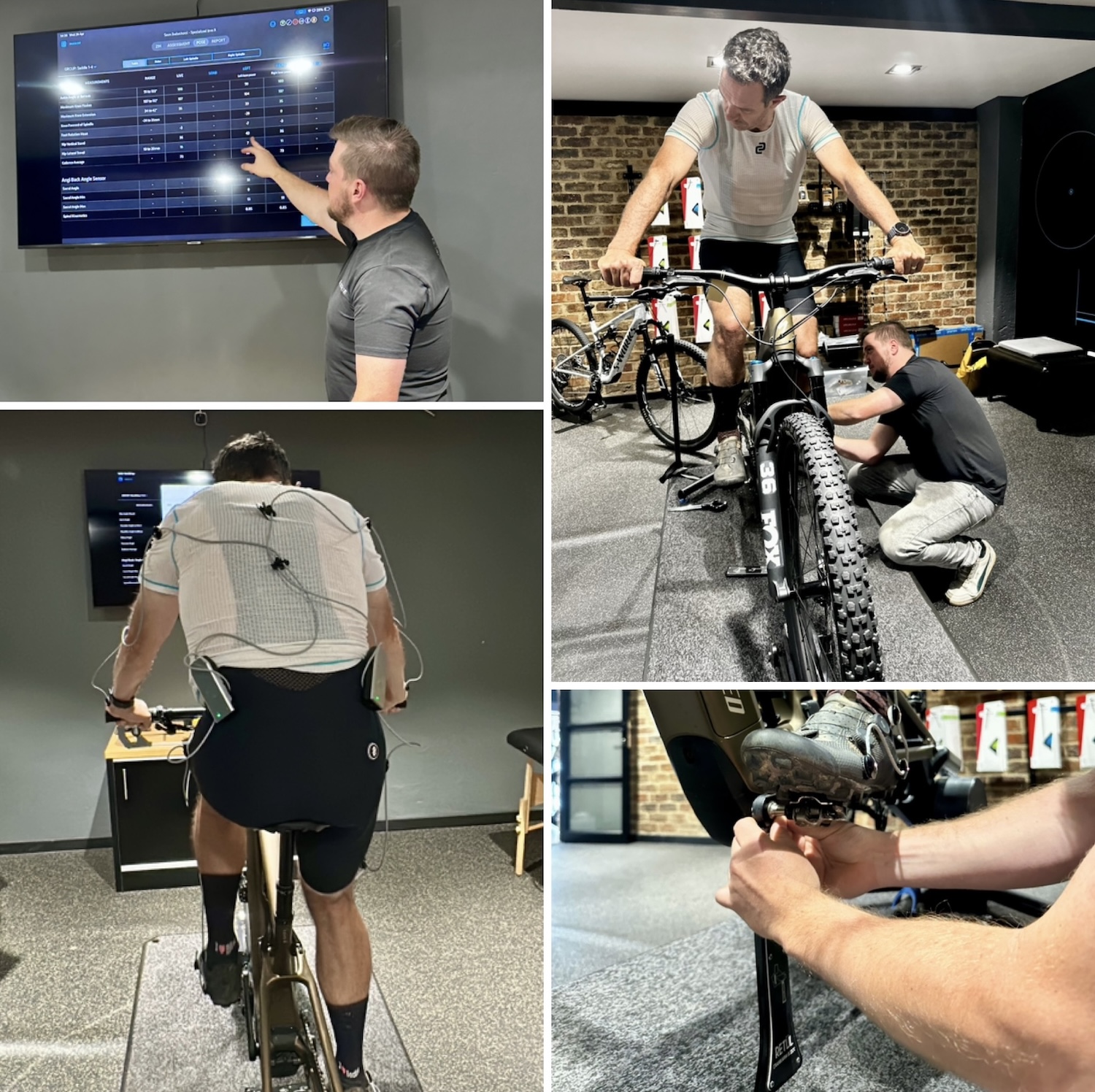
That’s why a good bike fit isn’t simply about measurements. It’s also about understanding how you ride and what you want from the bike. As I continue to get stronger and more flexible, my ideal position will evolve. I may even find that I need a different saddle, perhaps one better suited to a more aggressive riding position.
One aspect of Set-It-Up that I particularly appreciate is that they recognise bike fitting as an ongoing process rather than a once-off event.
You don’t pay the full fitting fee every time you return. If you need a second bike fitted, there’s a reduced fee structure. If you’ve changed shoes or bought a new saddle, there’s a Tweaks session option. They also offer a GrowrFit programme for riders aged 11 to 16, recognising that younger cyclists are constantly growing and changing.
You can find out more through the Set-It-Up website.
Over winter, I plan to do much of my base training on a gravel bike, which means another visit to Set-It-Up is already on the cards. I also have several new-generation marathon mountain bikes arriving for testing soon, and I want to experience their latest geometry and technology from the best possible starting point.
As an old-school cyclist who once viewed bike fitting as something you did every few years, I’ve gradually accepted that it’s now something that deserves far more regular attention.
If you live in Johannesburg or Pretoria, I’d certainly recommend the Set-It-Up team for your next – or even your first – professional bike fit. And if you’re elsewhere in South Africa, there are Retül fitters around the country who can help you find a position that’s right for both your body and your bike. Your bicycle has evolved. Chances are your body has too. Perhaps it’s time to make sure the two still work together.
Sean Badenhorst is the co-founder and editor of TREAD Media. He test-rides scores of different bicycles each year. Despite his experience and ‘old-dog’ instincts, he is no longer reliant on his own ‘feel’ for bicycle fitment.

