
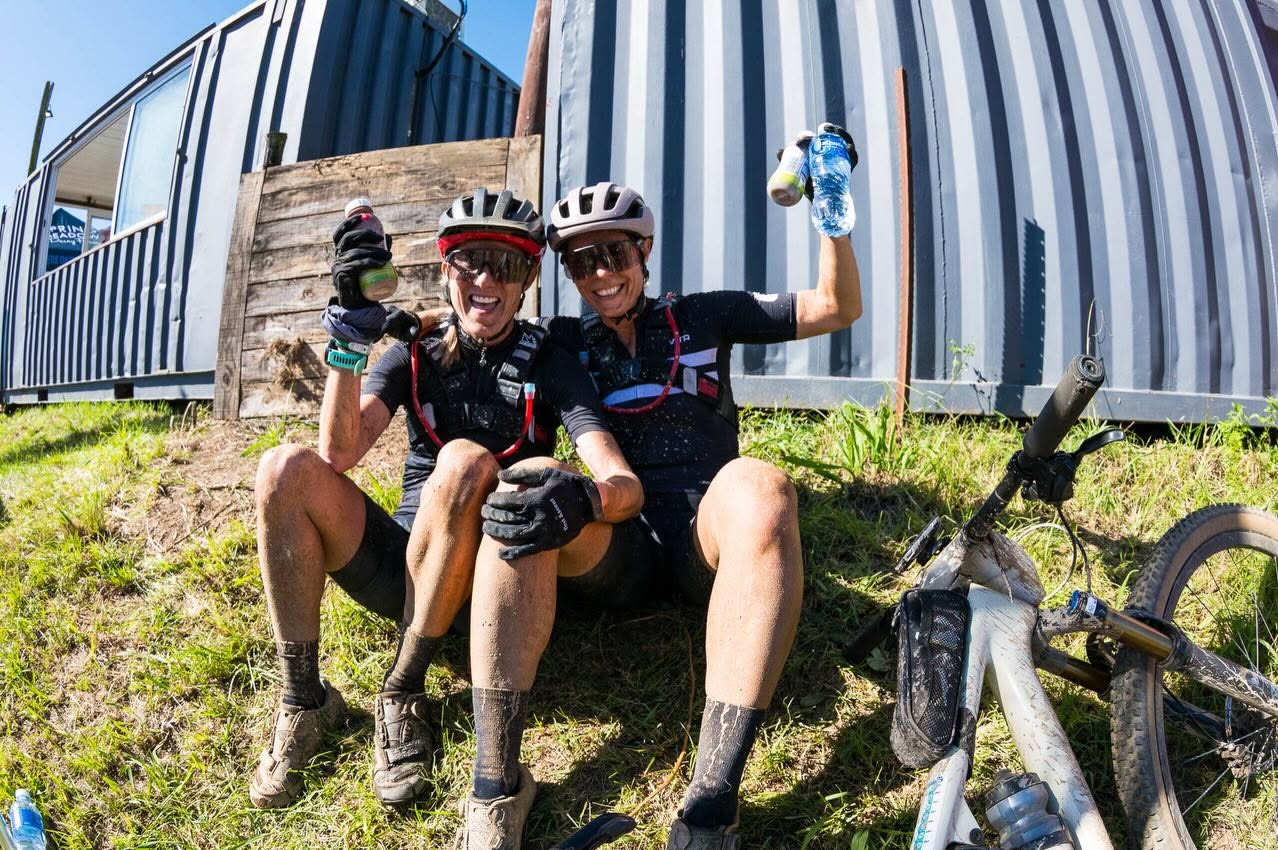
Every time I line up at a mountain bike event, whether it’s KAP sani2c, Standard Bank Berg & Bush, FNB Wines2Whales, a Dryland Event or a Ford Trailseeker, I find myself asking the same question: “Where are the women?”
By Joanne Badenhorst
Not because there aren’t any. There are. But when you look around the start chute, we’re still a minority. Depending on the event, women typically make up somewhere between 10 and 20 percent of the field. At some events, it’s even less.
And yet, when I look at the trails around Gauteng on any given weekend and my social media feed, I see plenty of women riding. I see women at coffee rides, skills clinics, bike parks and social events. I see women buying bikes, upgrading bikes and investing in themselves as riders.
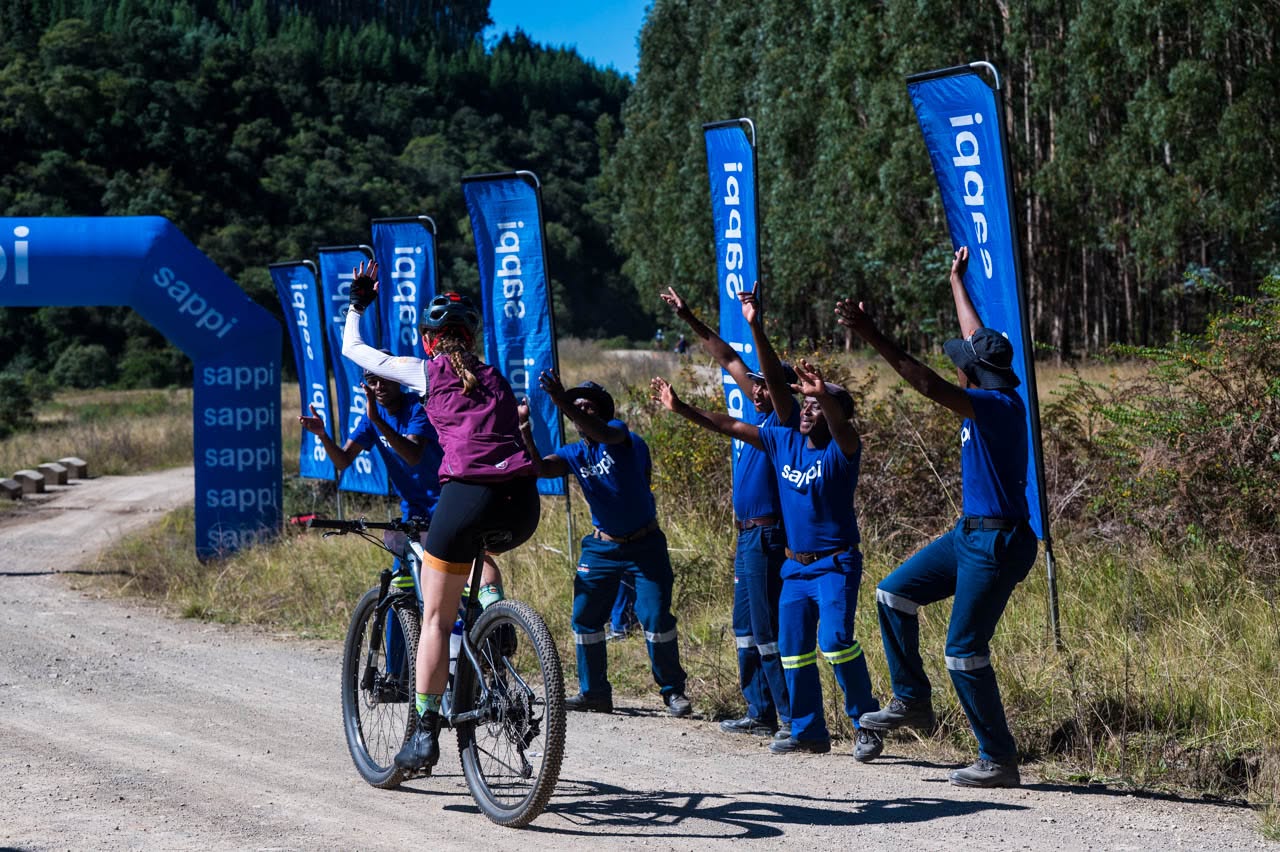
So why aren’t more of them racing? I don’t believe it’s because women don’t enjoy mountain biking. In fact, I think most women who eventually enter a stage race discover something they never expected: they absolutely love it. The challenge isn’t keeping women in the sport. The challenge is getting them to the start line.
THE GOOD NEWS: THE PIPELINE ALREADY EXISTS
Before we focus on the barriers, it’s worth recognising something incredibly positive. The interest is already there.
Attend a Gauteng Primary School Mountain Bike Series event and you’ll see it immediately. Girls regularly make up more than 30% of participants. The same trend is visible in many of the high school events. The numbers are significantly higher than what we see at adult stage races and marathon events.
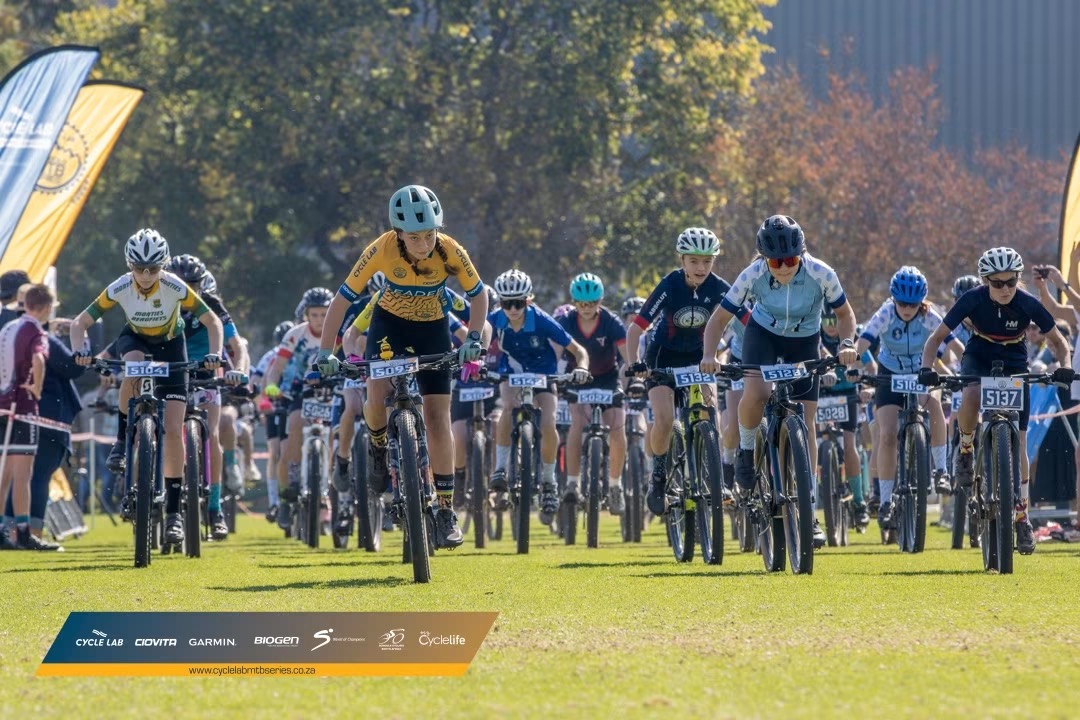
Yes, these are lap races and yes, participation is often supported by committed parents who invest time, money and energy into helping their children race. But that raises an important question: What happens next?
If young girls are already embracing mountain biking at school level, why are we losing so many of them before they reach adulthood? The challenge facing the industry isn’t necessarily introducing girls to mountain biking, it’s creating pathways that keep them involved throughout their lives.
IT’S NOT ABOUT FITNESS
One of the biggest misconceptions is that women don’t feel fit enough. In reality, many women are far more capable than they realise.
I’ve lost count of the number of conversations I’ve had with women who regularly ride 40, 50 or even 60 kilometres on a weekend but still don’t believe they’re ready for a marathon event or a stage race. Meanwhile, men with similar fitness levels often enter first and worry later.
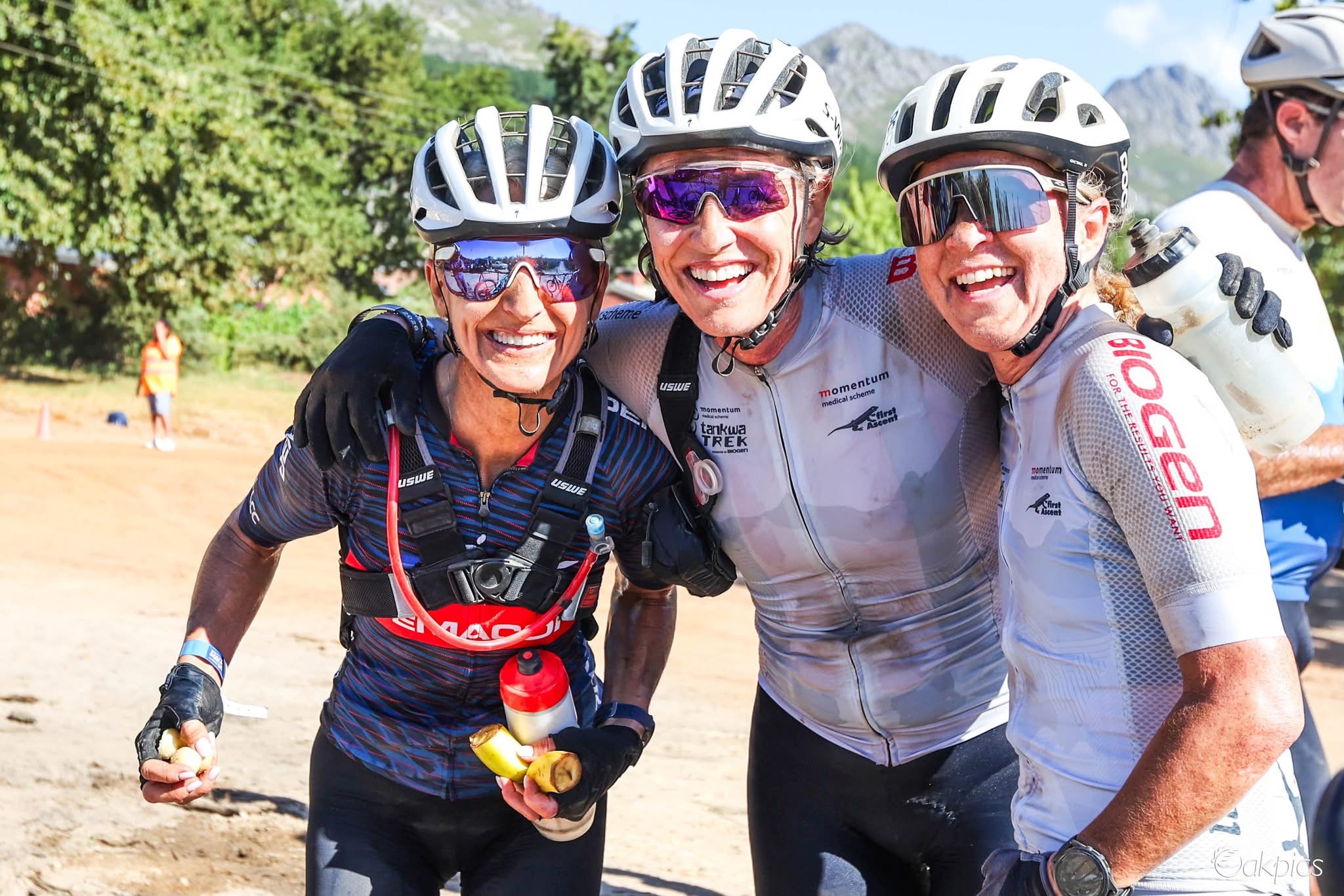
The difference isn’t physical ability. It’s confidence. Women tend to wait until they feel completely prepared before entering an event. Men are often willing to enter before they feel ready. That confidence gap may be one of the biggest barriers we need to overcome.
TIME IS OFTEN THE REAL OBSTACLE
As women, many of us wear multiple hats. We are professionals, mothers, wives, daughters, caregivers and organisers of family life. Training for a stage race isn’t just about fitness. It requires time. Time to ride. Time to recover. Time away for the event itself. Time away from family responsibilities.
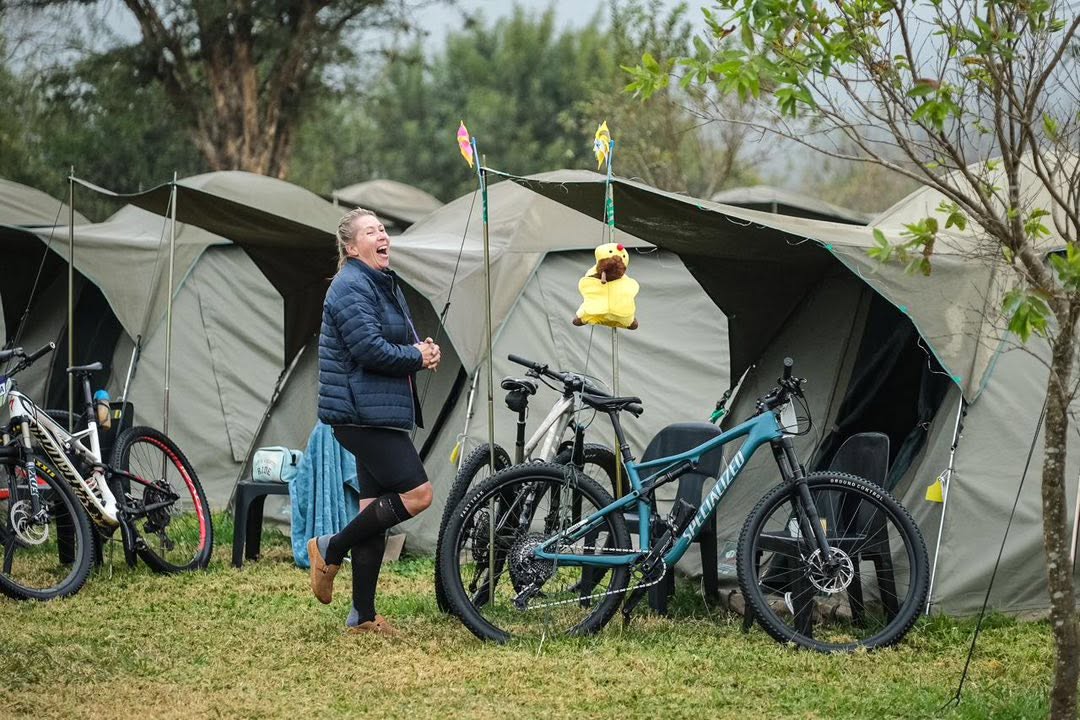
For many women, the challenge isn’t finding the energy to train. It’s finding the hours. A three-day stage race can feel like a luxury when life is already overflowing with commitments.
THE COST OF PARTICIPATION
Mountain biking isn’t cheap. Entries, accommodation, travel, bike maintenance, equipment and nutrition all add up. When families are making decisions about where to spend discretionary income, there is often room for only one racing calendar.
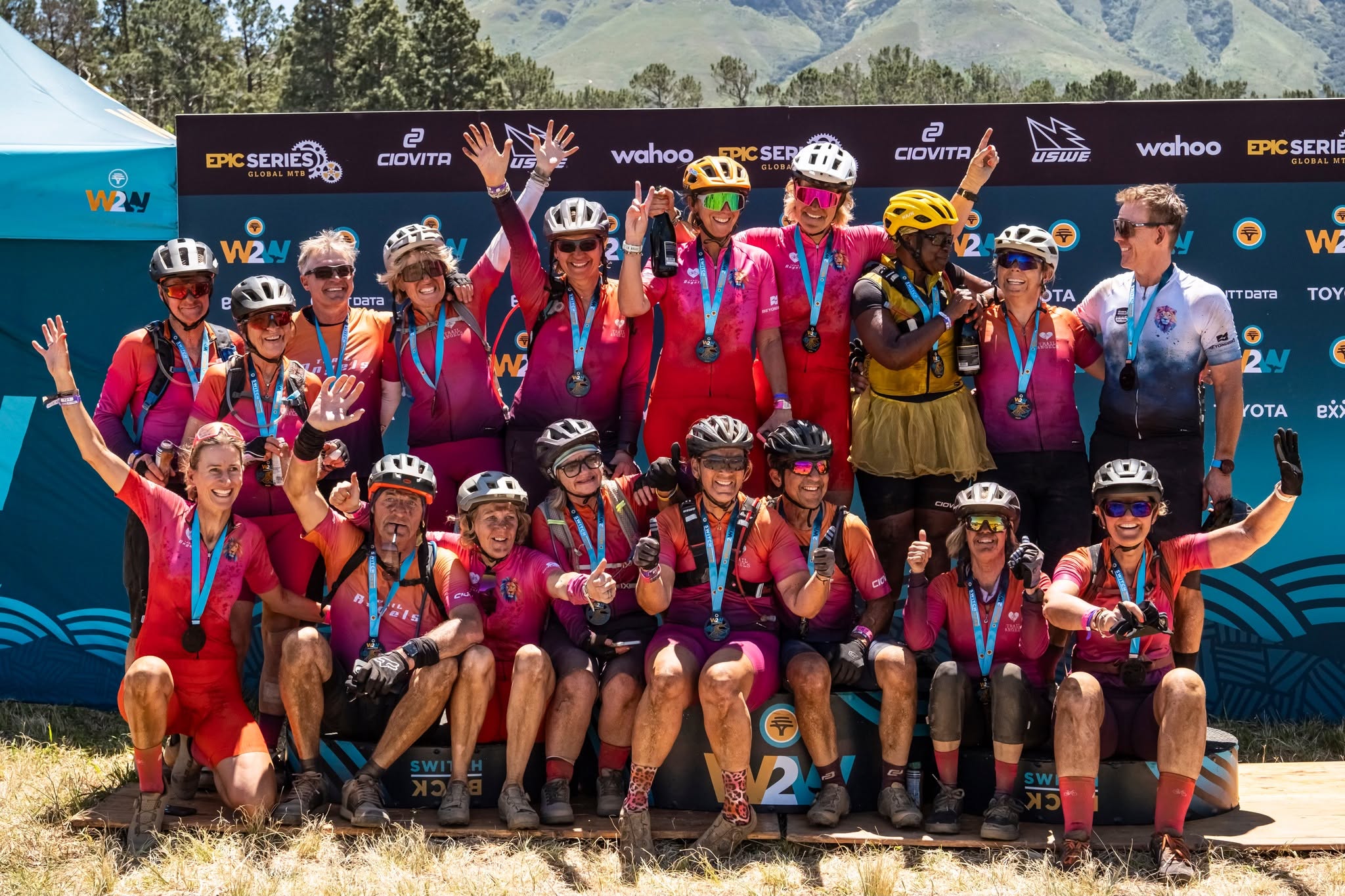
Historically, that investment has more frequently gone toward the husband or male partner. While this is changing, cost remains a significant barrier for many women who would otherwise love to participate.
FINDING A PARTNER ISN’T ALWAYS EASY
Many of South Africa’s most iconic events are team events. Cape Epic, Storms River Traverse, Sani2c, Berg & Bush & Wines2Whales. Finding the right partner can be surprisingly difficult. You need someone with similar goals, similar fitness and the same level of commitment.
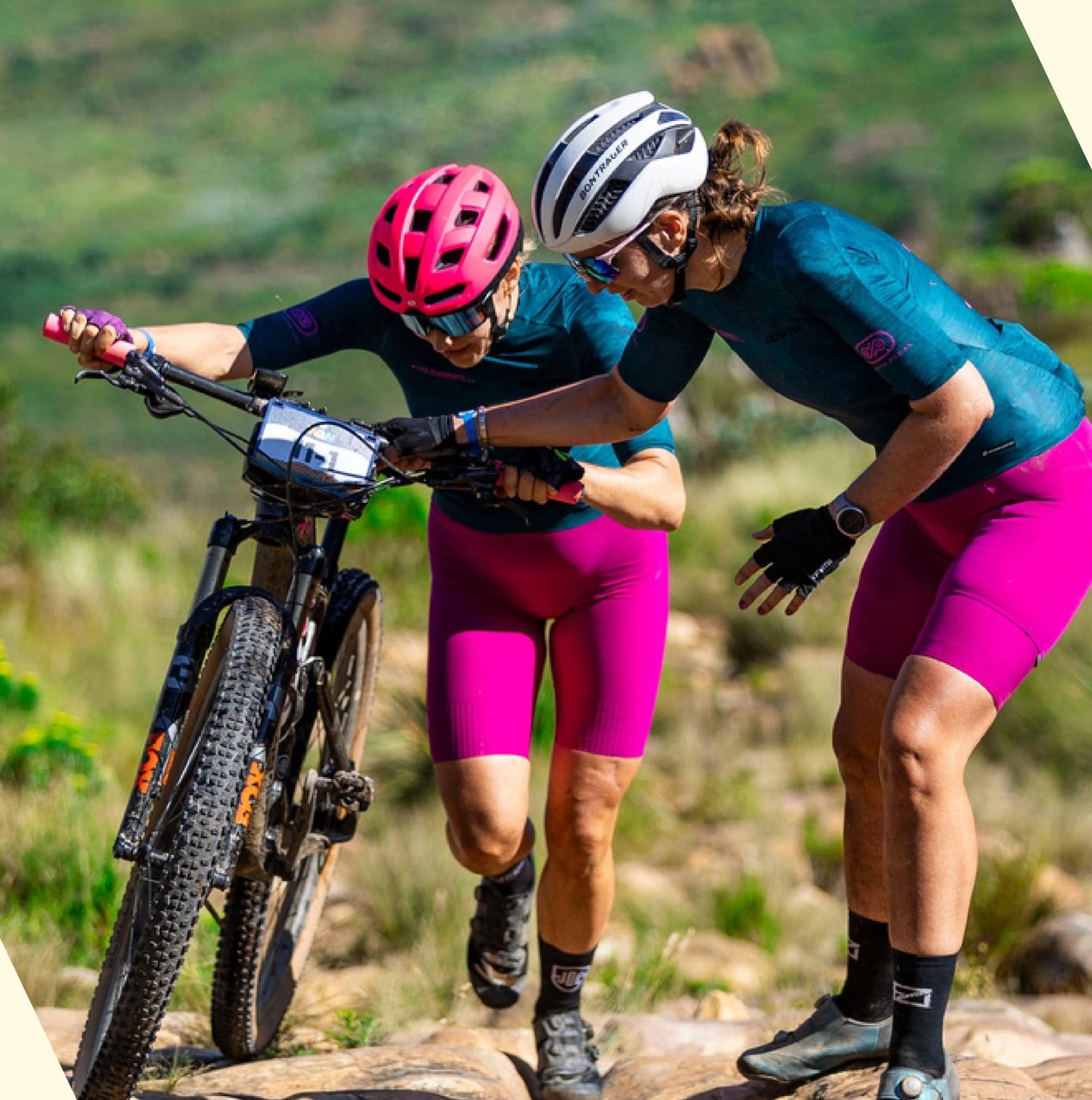
Men often have larger established racing networks and riding groups. Women frequently have fewer options when looking for a suitable teammate. For some women, the challenge of finding a partner becomes enough reason not to enter at all.
RACING CAN FEEL INTIMIDATING
Mountain biking has traditionally celebrated toughness. The marketing often focuses on suffering, climbing, grit and endurance. While those elements are certainly part of the experience, they aren’t necessarily what attracts many women to the sport.
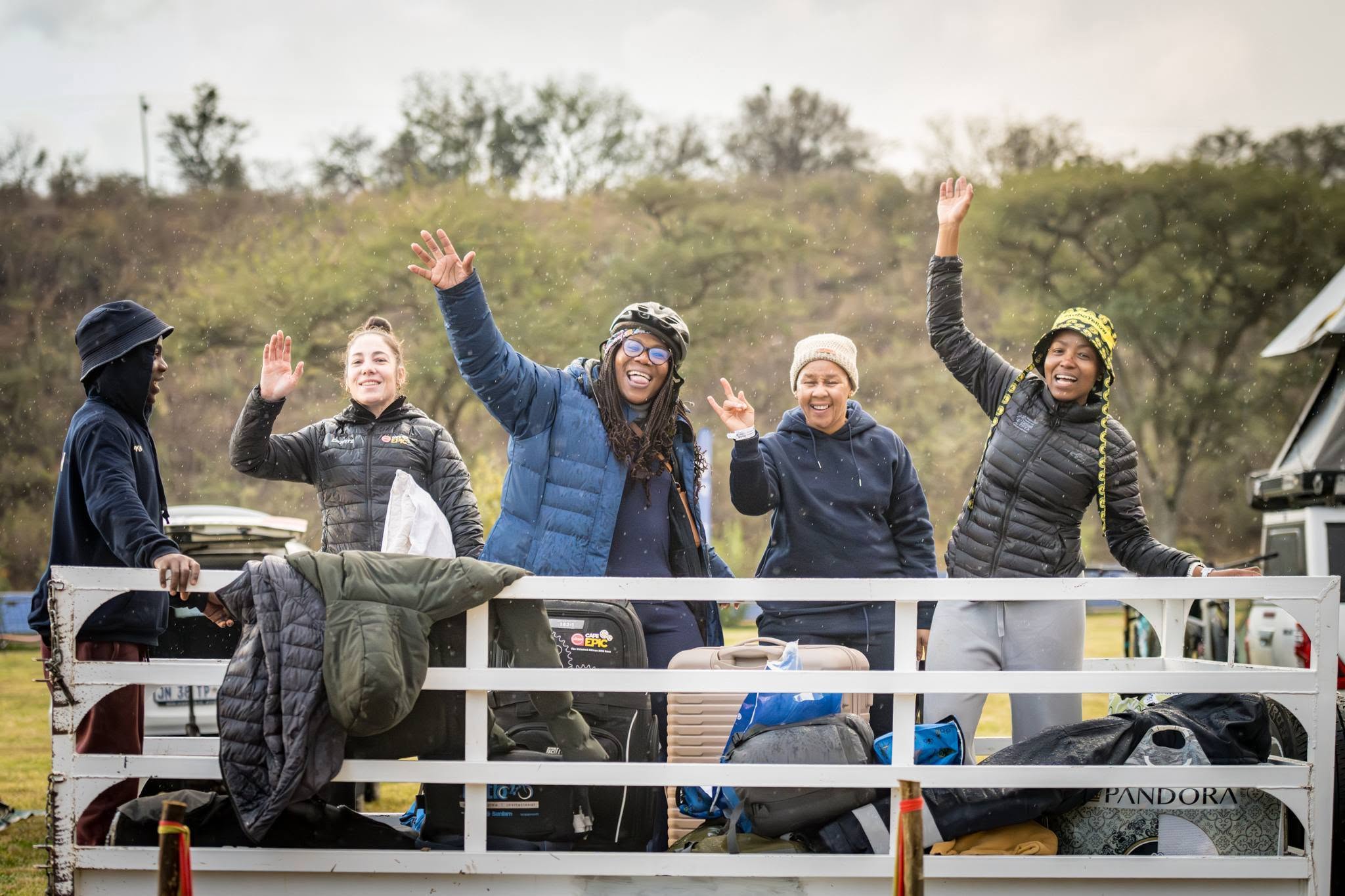
What keeps me coming back to events year after year isn’t the suffering. It’s the adventure. It’s the friendships. It’s the shared experience. It’s watching the sunrise over a trail I’ve never ridden before. It’s laughing with my riding partner after a difficult climb. It’s the privilege of exploring parts of our country that most people never get to see.
Perhaps if we told more of those stories, more women would recognise themselves in the experience.
REPRESENTATION MATTERS
Elite women in mountain biking are doing incredible things. They inspire us and they raise the profile of women’s racing. But participation doesn’t only grow because of professional athletes.
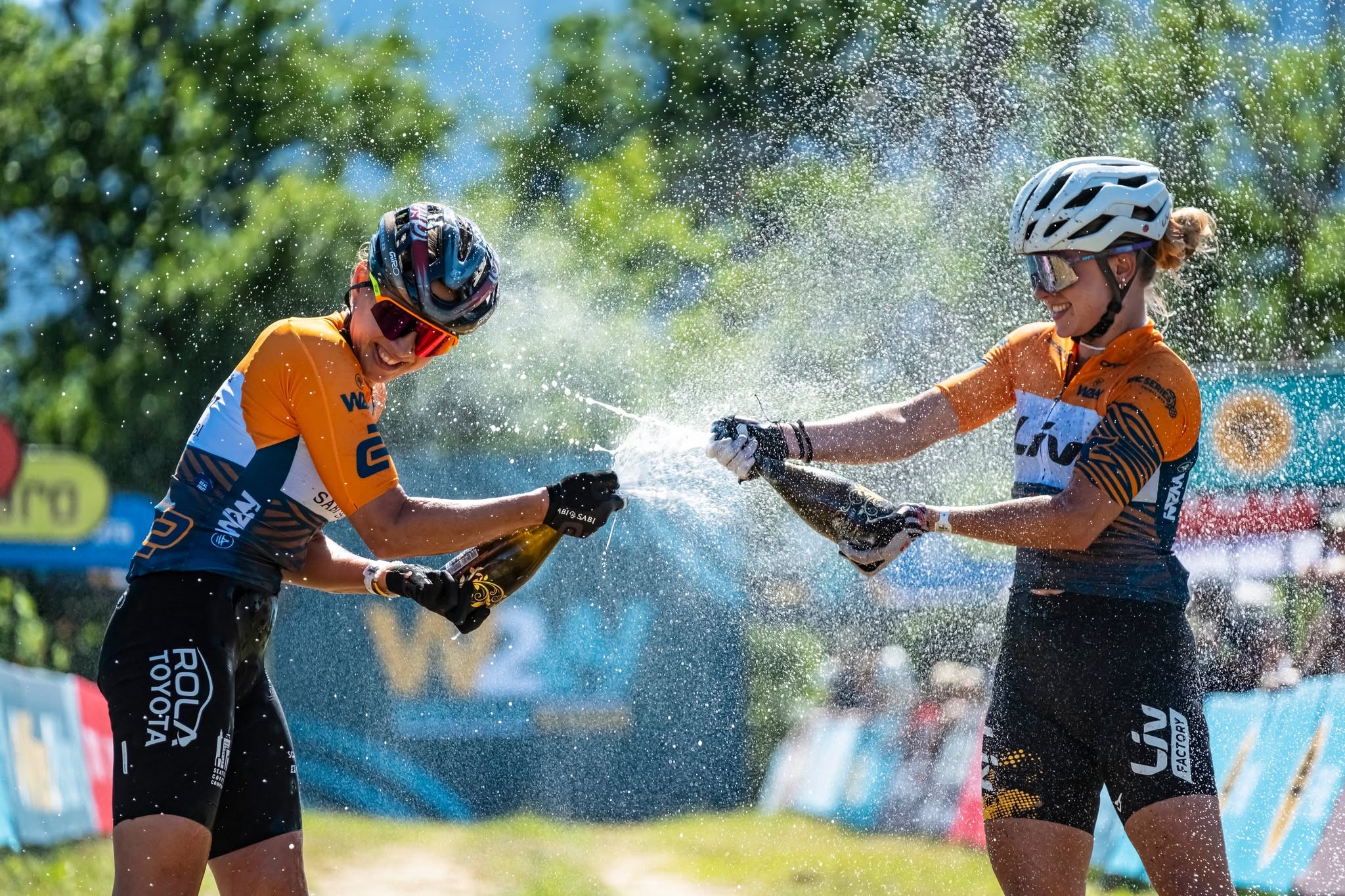
It grows when ordinary women see riders who look like them. Women in their forties, women in their fifties, working mothers, grandmothers, women returning from injury and women who ride for enjoyment rather than podiums. When women see relatable stories, they begin to believe that they belong there too.
THE WOMEN WHO START OFTEN RETURN
One thing I’ve noticed over the years is that women who complete their first stage race rarely stop at one, they come back. Again and again, because they discover that these events are about so much more than racing. They are about connection, achievement, adventure, friendship and even self-discovery.
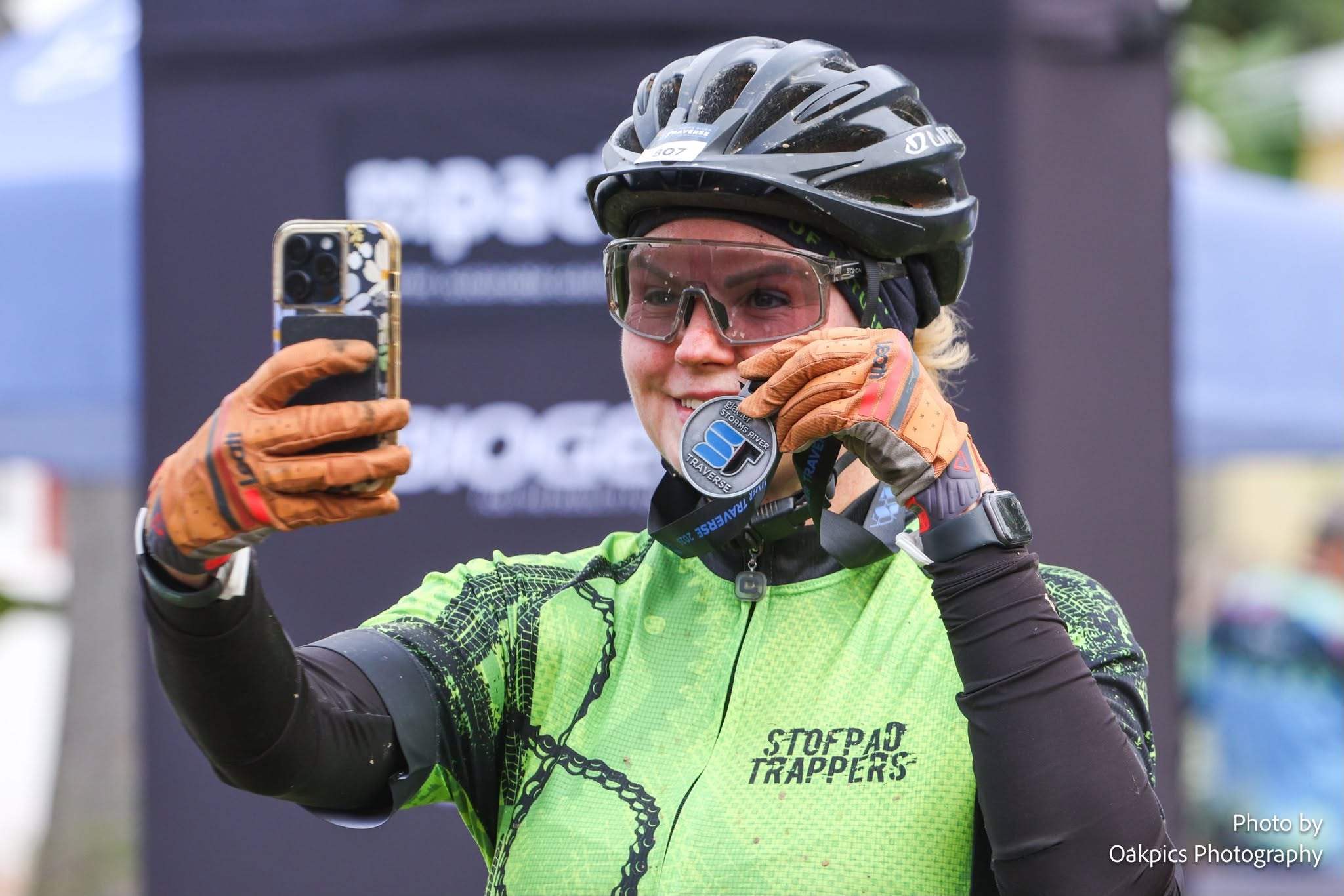
The challenge isn’t convincing women that stage racing is worthwhile. The challenge is helping them believe they belong there in the first place.
SO WHAT CAN WE DO?
This is where the conversation becomes exciting, because the solutions are not impossible. In fact, many of them are already happening on a small scale.
Across South Africa, passionate women are building riding communities, organising group rides, creating safe spaces for beginners and running skills clinics that help women gain confidence on the bike. These initiatives are often led by volunteers or small groups of dedicated women who are investing enormous amounts of time and energy into growing the sport. Imagine what could happen if they had greater support.
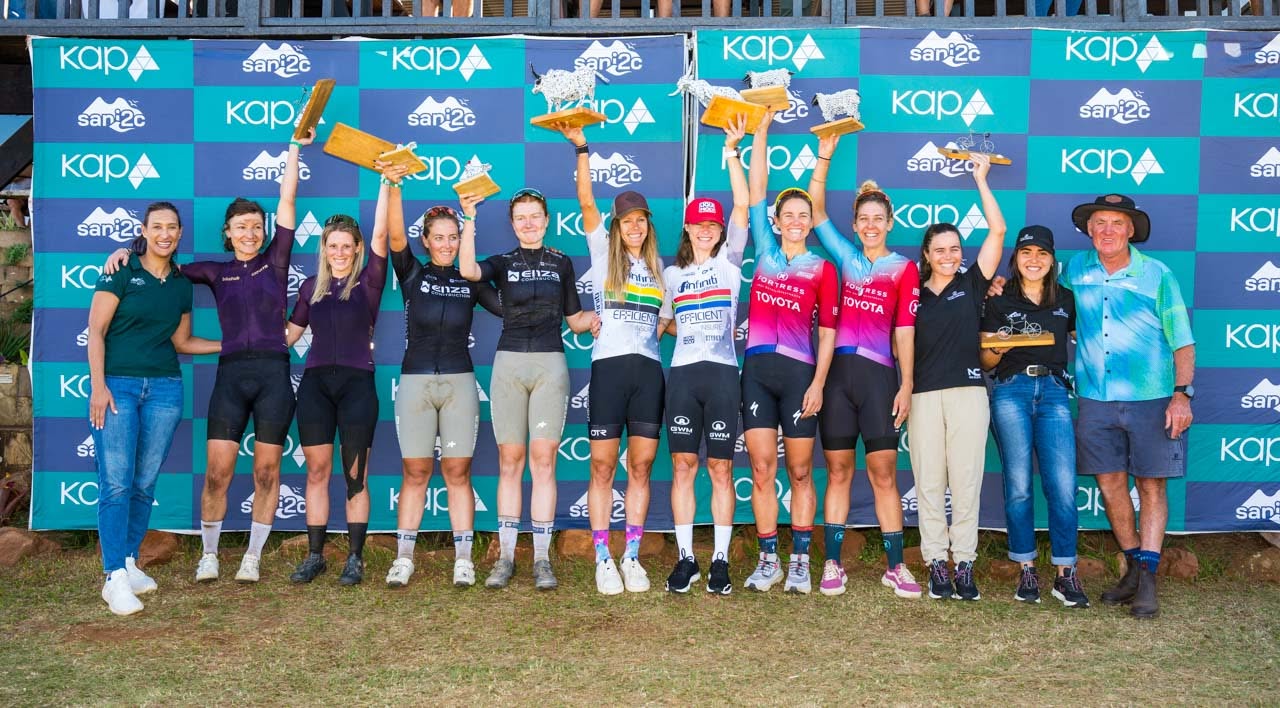
One of the most impactful opportunities may be for brands and event organisers to invest in dedicated women’s participation programmes. Not just podium prizes, not just race-day recognition, real investment in growing the base of the pyramid. Sponsorship directed towards women’s riding communities, skills programmes, mentorship initiatives and beginner-focused events could help create sustainable pathways into the sport.
The women doing the work at grass-roots level are already creating opportunities. They simply need more support to expand their reach.
KEEPING GIRLS IN THE SPORT
Perhaps the biggest opportunity lies with the girls who are already riding. The participation numbers at school level prove that the interest exists. Young girls are showing up, they’re racing, they’re developing skills, they’re learning resilience and confidence through mountain biking.
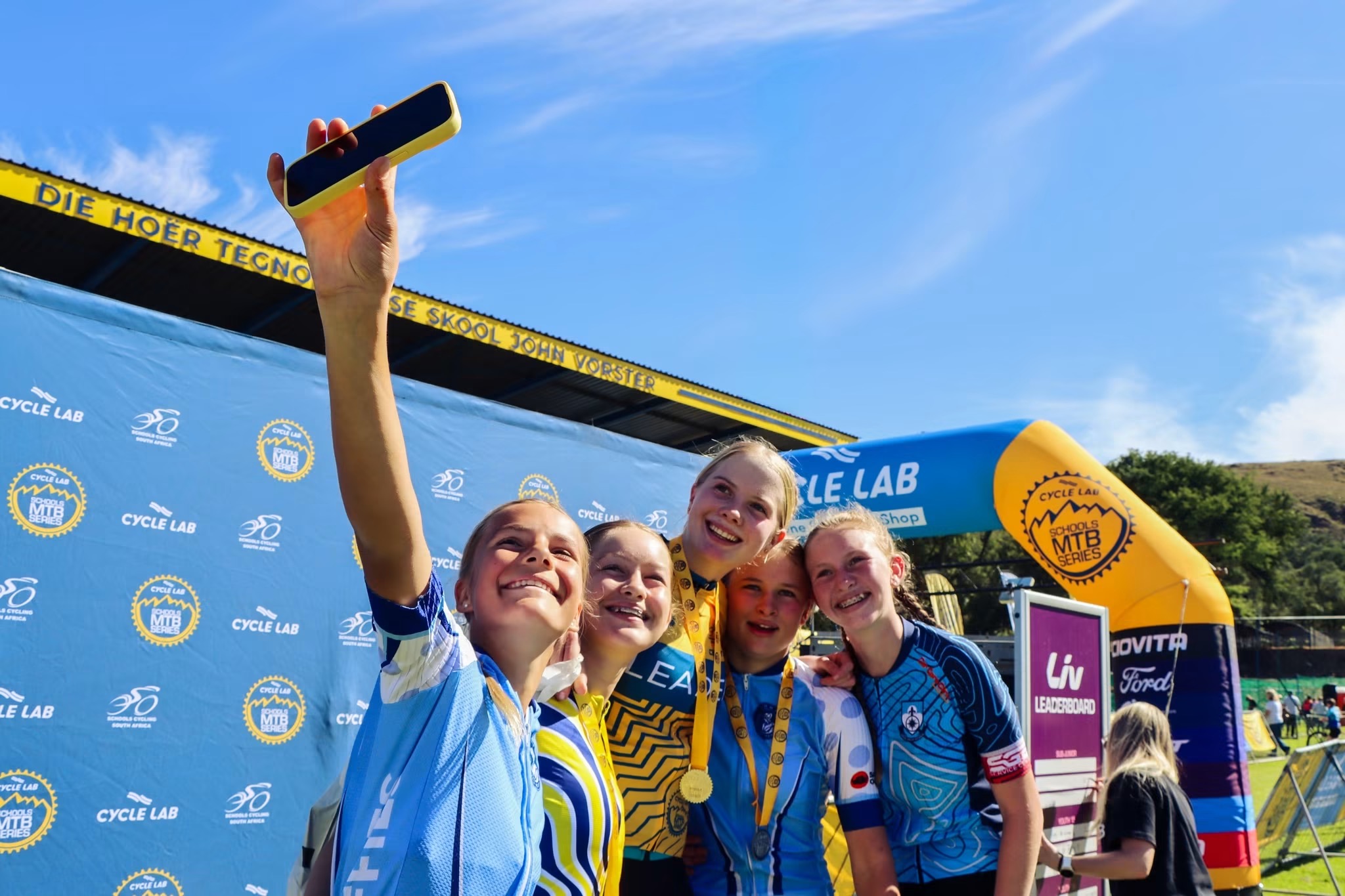
The question is how we keep them engaged as life becomes more complicated and how do we ensure that the girl who races at primary school is still riding at university? Still riding when she starts her career? Still riding when she becomes a mother? Still riding in her forties, fifties and beyond?
If we can create stronger pathways between school cycling, social riding communities, skills programmes and adult events, we have an opportunity to retain far more women within the sport.
A FUTURE WORTH BUILDING
Imagine what our events would look like if women made up 30 percent of the field, or 40 percent. Imagine start chutes filled with mothers and daughters, friends, sisters and teammates. Imagine every woman arriving at a stage race knowing she belonged there.
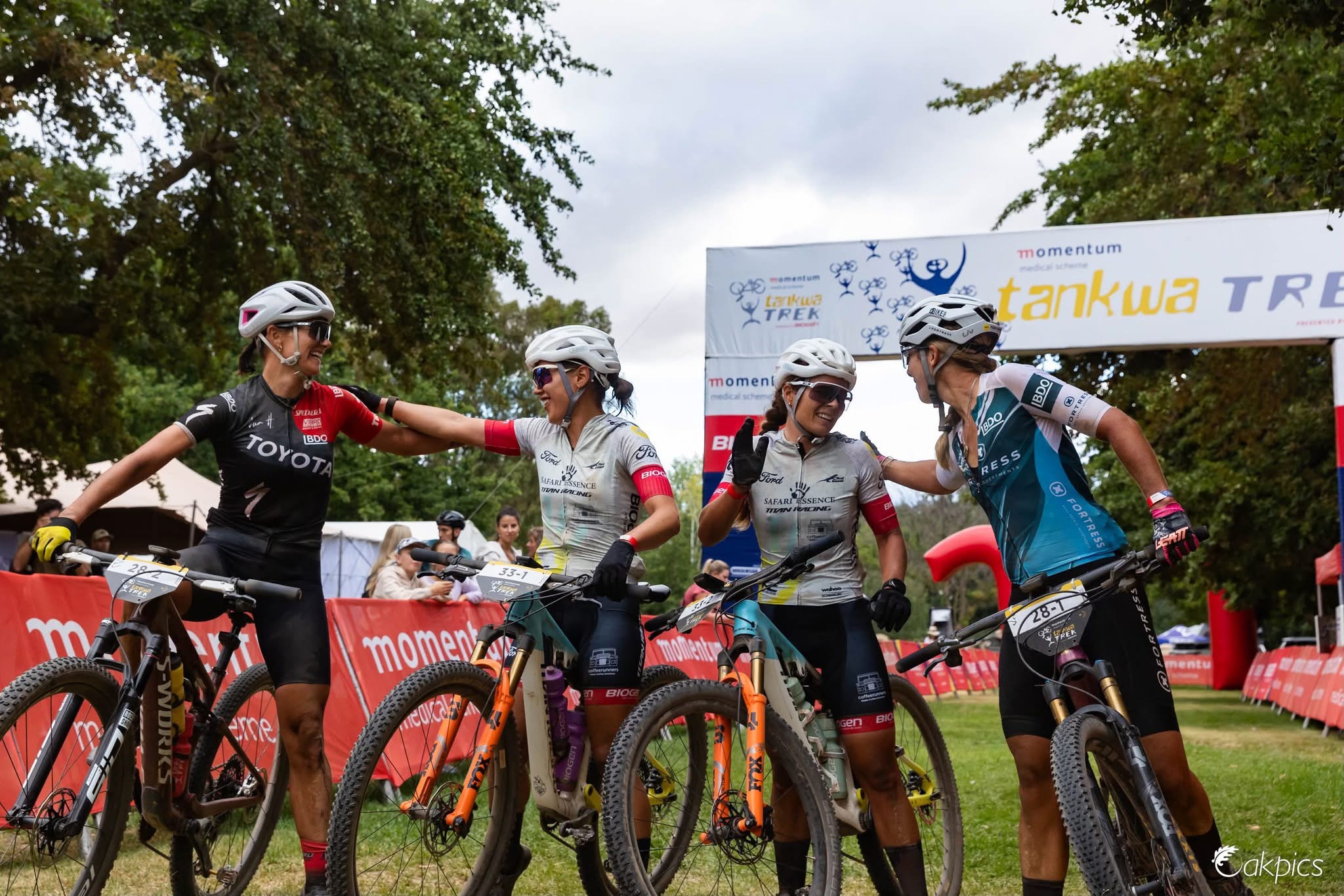
The mountain bike industry often asks how we grow women’s participation. Perhaps the answer isn’t complicated. We continue creating welcoming spaces, we continue mentoring new riders, we continue sharing authentic stories and most importantly, we keep inviting women to join us.
Because the trails are already there. The opportunities are already there. Now we simply need more women standing on the start line, ready to discover what so many of us already know. That some of life’s most rewarding adventures begin with the simple decision to enter.
Joanne Badenhorst has been a mountain biker since 1991. She is the Editor of TREAD Femme and co-founder of Chain Gang Femme. She also currently serves on the Cycling South Africa Women’s MTB Commission.

