

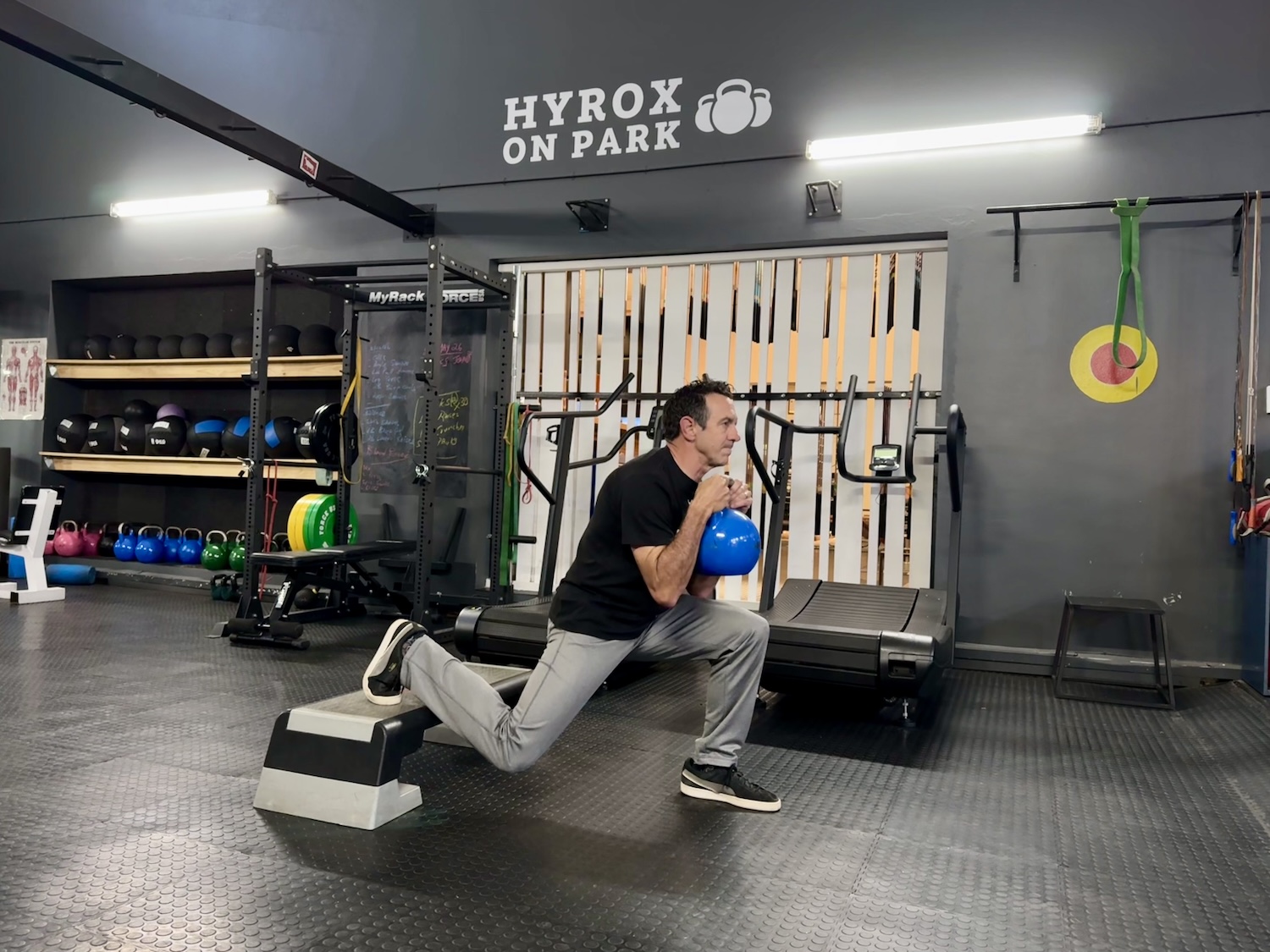
The surgeon, the guy who cut me open and performed my heart bypass surgery, revealed something that made me decide to start strength training in the gym. When I went to see Dr Zigiriades for my first post-surgery check-up, he told me something that didn’t just stick with me; it became the catalyst for me to start strength training.
By Sean Badenhorst
“For a guy who is quite fit and lean, you have a lot of visceral fat,” he said. He would know. He spent more than six hours peering inside me and moving my internal organs around during bypass surgery last October.
Unlike subcutaneous fat, which sits largely beneath the skin, visceral fat is stored deep in the abdominal cavity around vital organs. Excess subcutaneous fat is mostly a cosmetic concern, but excessive visceral fat is linked to inflammation, insulin resistance, metabolic syndrome, type 2 diabetes, heart disease, high blood pressure, fatty liver and even certain cancers.
So while decades of cycling have left me looking lean and reasonably fit, the reality is that I’m still carrying too much visceral fat, and that can be harmful to my health. After a completely unexpected heart attack and subsequent bypass surgery in 2025, prevention has become something I take a whole lot more seriously.
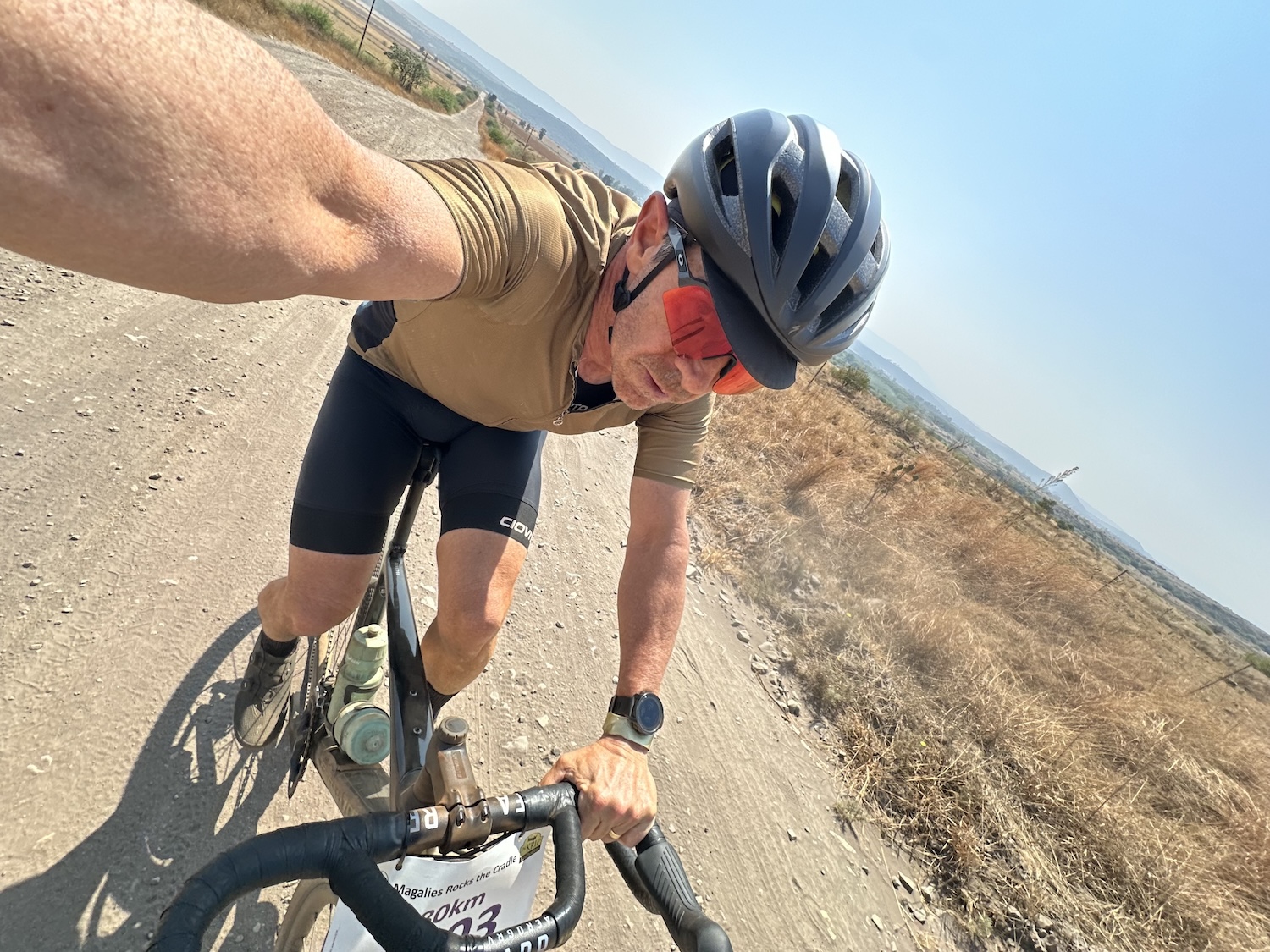
The best way to reduce visceral fat is through a combination of dietary adjustments and exercise. Since I already ride bicycles for 10-12 hours a week and generally eat quite well – although there’s still room for improvement there – the next logical step for me is to increase my muscle volume through strength training.
Weight training doesn’t just burn calories during a workout. It fundamentally upgrades your body’s fat-burning machinery by adding muscle, improving metabolic function and shifting hormones in a direction that favours visceral fat loss. It’s one of the most effective tools for both long-term health and body composition.
I’m also now in my mid-50s, a stage of life where strength training arguably becomes even more important than purely cardiovascular-based exercise.
Back in my 20s and 30s, I did a fair amount of gym work using traditional barbells, dumbbells and machines, so I’m familiar with both the benefits and the commitment required to see meaningful gains.
But sports science and strength training methods have evolved considerably since then, so I decided to find an expert coach to guide me properly.
Michael Mendes and I first met on a flight to the USA in 2013. At the time, he was an avid mountain biker and road cyclist, and over the years we stayed in touch mostly through social media.
More recently, he shifted his focus heavily towards strength training and CrossFit, completing several coaching qualifications along the way. He’s now also a Hyrox coach and competitor, which means he’s fully immersed in the latest training methods and conditioning trends.
Mike, with along with road cycling great, Robbie McIntosh, co-owns the private gym at Old Parktonians Sports Club in Randburg called Hyrox on Park. It’s close to my home and has excellent equipment, facilities and staff.
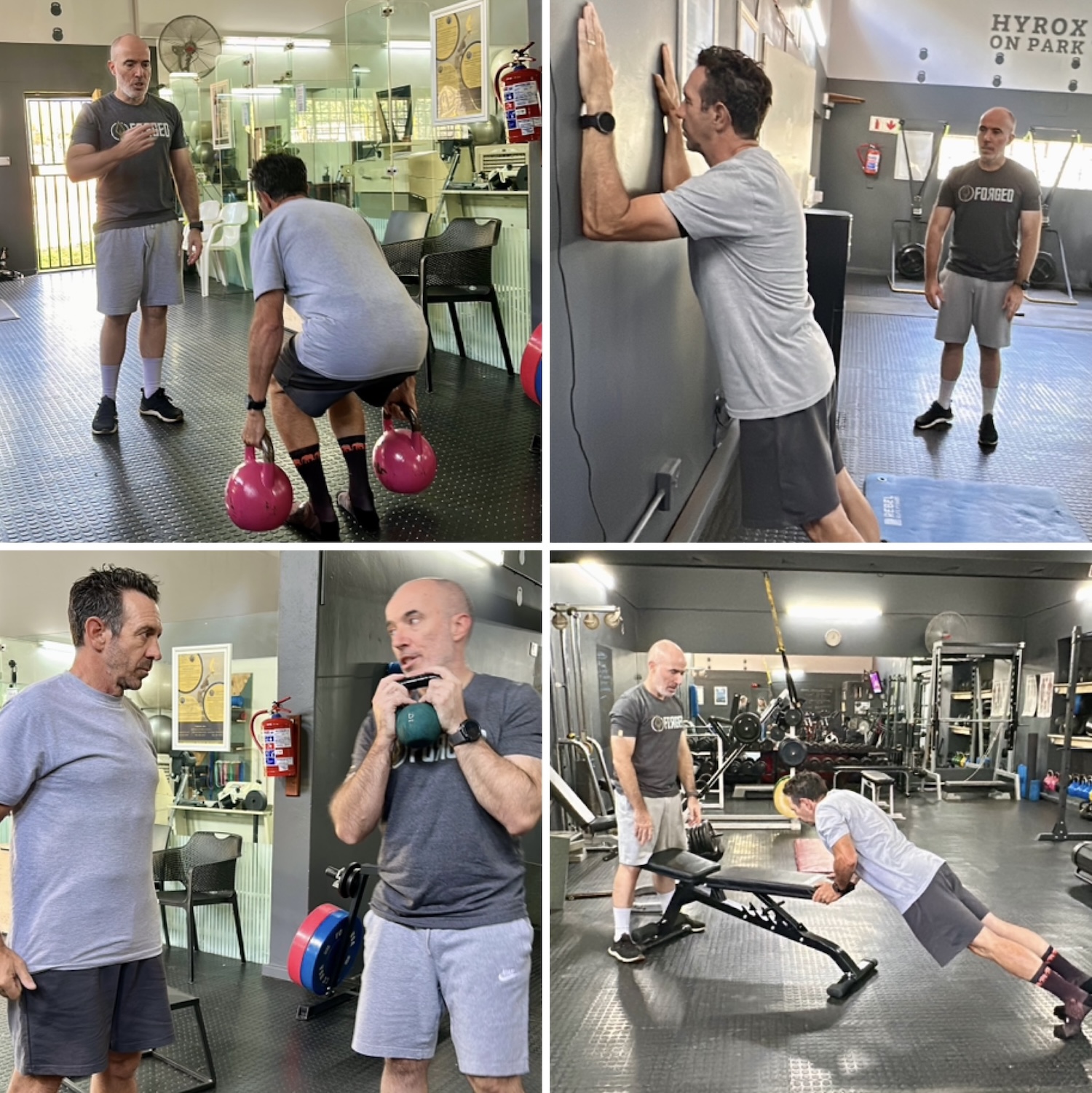
We started with a full assessment and detailed questionnaire. From there, Mike, together with one of the gym’s biokineticists, Deidre Ras, developed a 12-week training programme specifically for me.
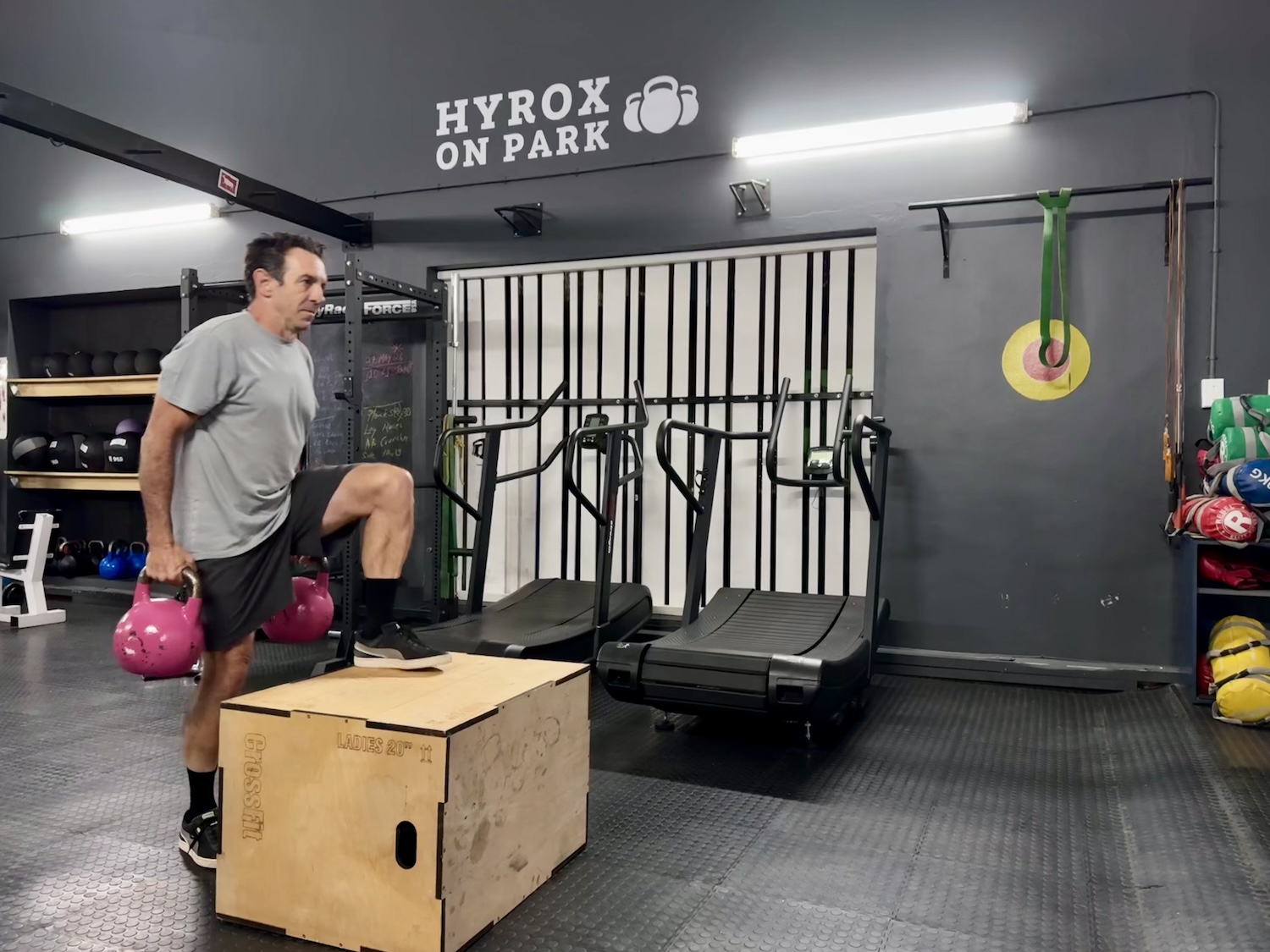
Like any decent training plan, it’s progressive. To be honest, the first four weeks felt relatively easy, but I’m also Mike’s first heart-bypass client and understandably he wants to make absolutely certain that the training contributes positively to my recovery and overall health.
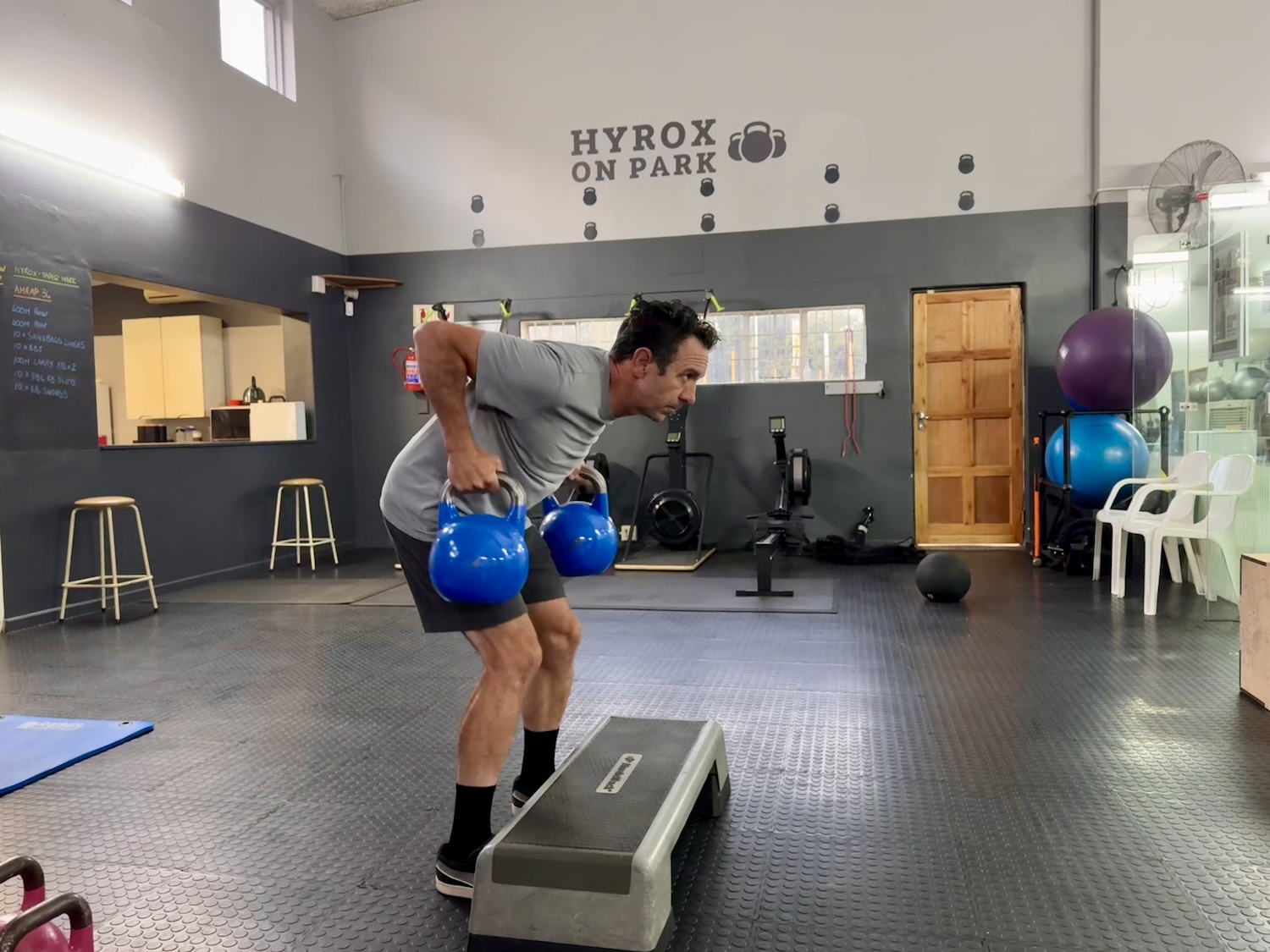
During that first month, Mike introduced me to kettlebells. Compared to the larger gym machines they look small and fairly insignificant, but they’re incredibly versatile and effective. Their shape and design allow for both two-arm and single-arm movements, and those single-arm exercises are particularly important for me because they reduce strain on my sternum, which was cut open and wired back together during surgery.
I also have a problematic left shoulder blade and collarbone from several mountain bike crashes, so we need to strengthen the left side independently to gradually bring it closer to the right side in terms of balance and function.
Weeks five to eight have now started and so has the intensity. Mike has introduced more upper-body work – the first month focused mainly on legs and core – and after every session my muscles make it very clear which areas have been worked.
I’m loving it. Partly because Mike is such a perceptive coach. He’s always thinking ahead, always adjusting and always paying attention, which is unbelievably valuable. Just as importantly, he’s teaching me correct form for every exercise, something I’d almost certainly struggle with if I was trying to do this on my own.
My primary goal is to build a genuinely strong body, improve my flexibility and achieve the best posture I possibly can.
Years of riding in a curved upper-back cycling position, sitting hunched over a laptop and four fractured vertebrae from mountain bike crashes have all contributed to what is now pretty poor posture. I’m actually four centimetres shorter than I used to be.
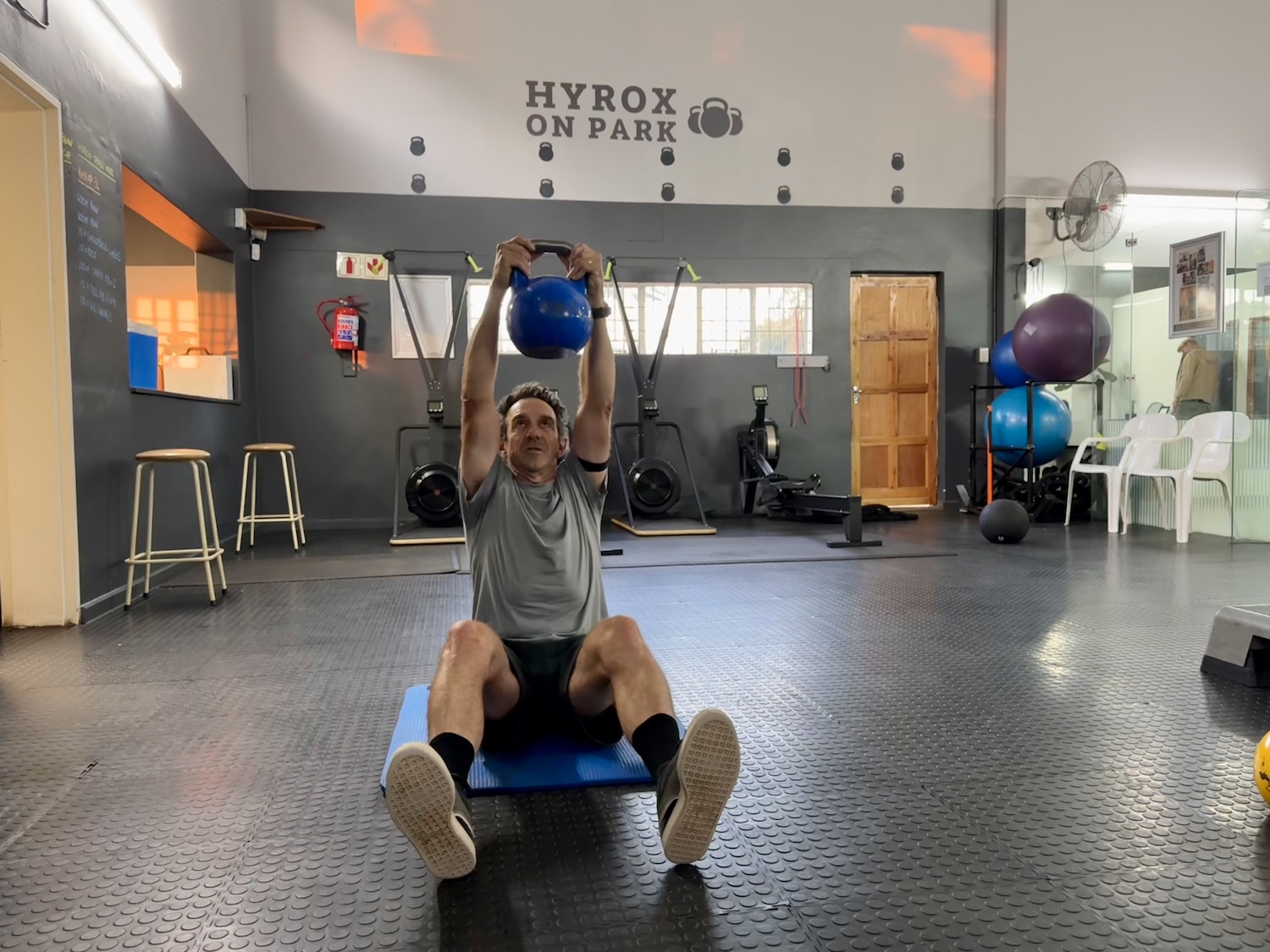
Over time, with twice-weekly sessions at Hyrox on Park, I hope to steadily increase my strength, add muscle mass and reduce my visceral fat.
A very welcome byproduct is that I’ll also become a stronger cyclist. More leg strength, a stronger core and improved upper-body strength will all contribute to better performance on the bike. I don’t have any major racing ambitions at the moment, but it would be pretty cool to ride at a decent pace with Cade, my 20-year-old son, who was instrumental in getting me to a doctor and helping minimise the damage from my heart attack.
More from Sean Badenhorst’s heart attack experience:
EASY UP THE CLIMBS, HARD ON THE SOUL: RIDING SANI2C ON AN EBIKE
FROM HEART SURGERY TO SANI2C: A DIFFERENT KIND OF START LINE
ADVICE FROM A FIT MOUNTAIN BIKER THAT SURVIVED A HEART ATTACK

