

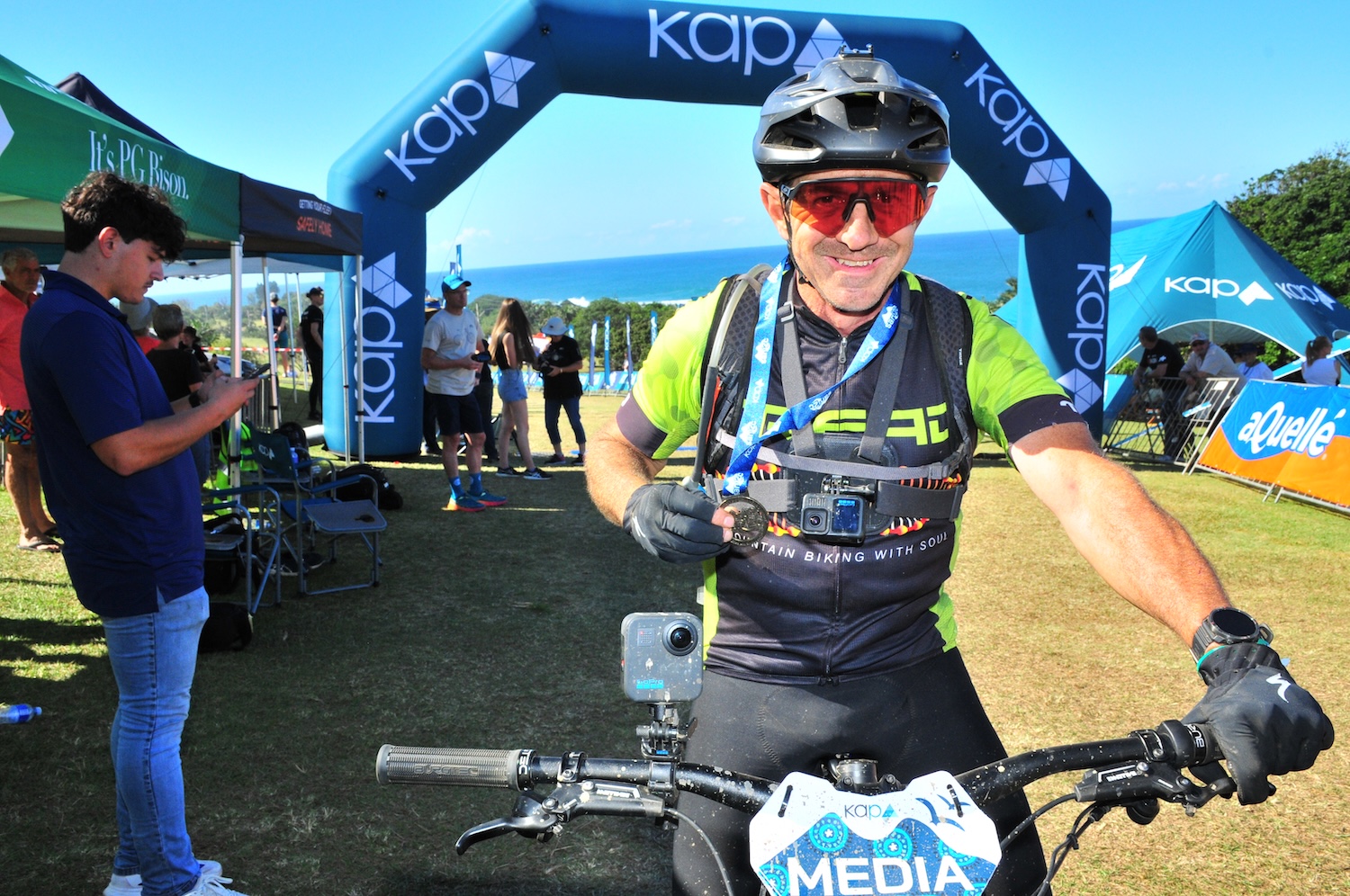
The 2026 KAP sani2c OG delivered near-perfect conditions – both in terms of the weather and the trails. It was also my first race since my heart attack and bypass surgery. I tackled it on an eBike, which was different. Mostly a good different, but also a bit disconcerting. Here’s why.
By Sean Badenhorst
I was riding with a media entry, which meant riding solo and not being assigned to either of the two eBike start groups – the Race group up front or the Trail group at the rear.
With two GoPro cameras – a chest-mounted Hero13 and a handlebar-mounted Max 360 – my goal was to capture some engaging from-the-saddle visuals while also soaking up the event at a slower pace than I’m used to.
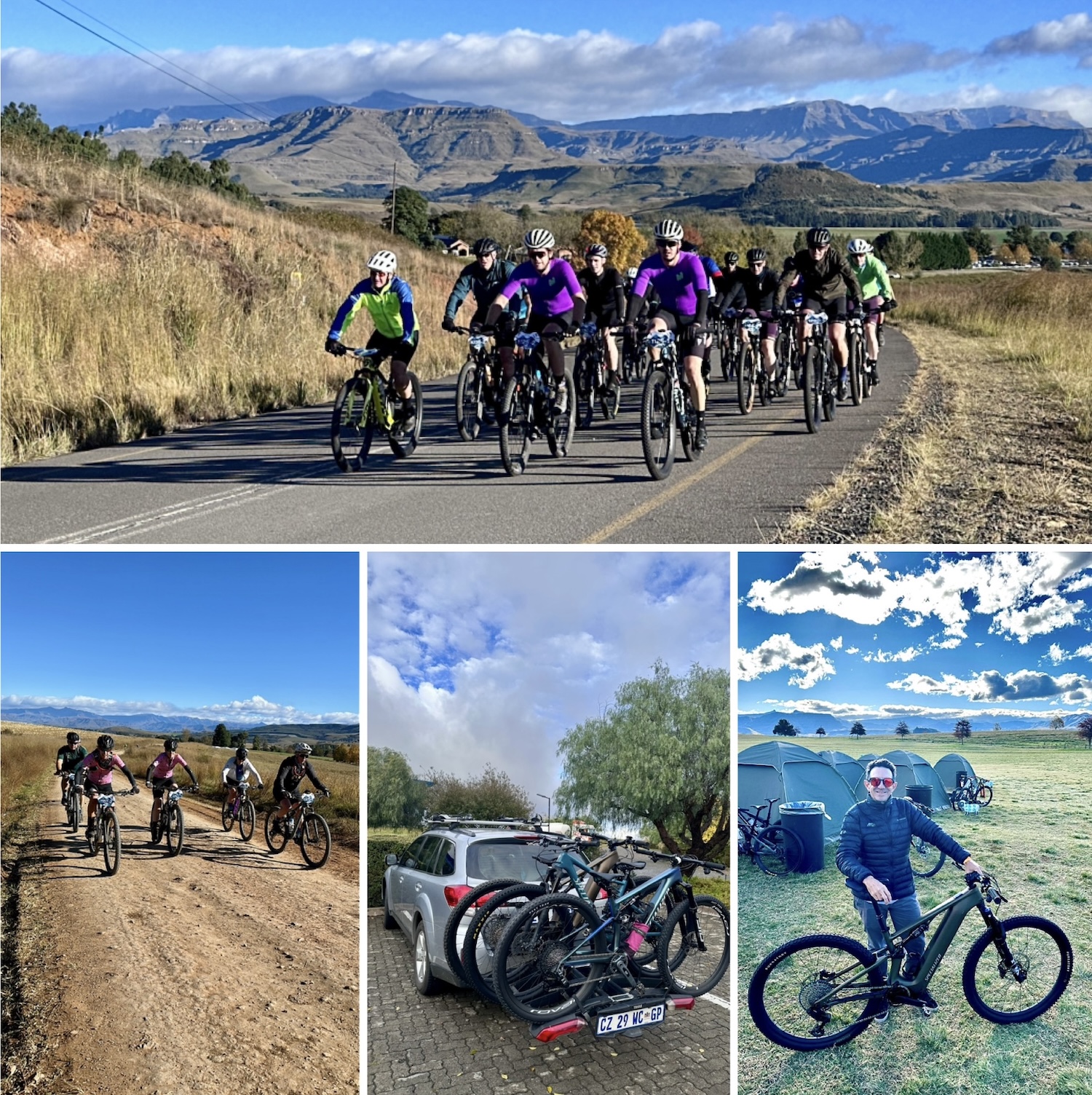
I stopped regularly and made a real effort to absorb this race. I was suitably rewarded. Incredible views that I hadn’t noticed during previous participations, high-quality waterpoint food prepared with so much care and pride, and genuine sympathy, empathy and kindness at the waterpoints and tech zones – from schoolboys to the elderly. Even some of the Action Photo photographers were greeting me! Do they always do that? I honestly haven’t noticed before because I’m usually charging along right at my limits…
Everything was just so damn positive and pleasant. Well, not quite everything. While the bike itself was flawless throughout, riding Sani2c on an eBike was a very different experience.
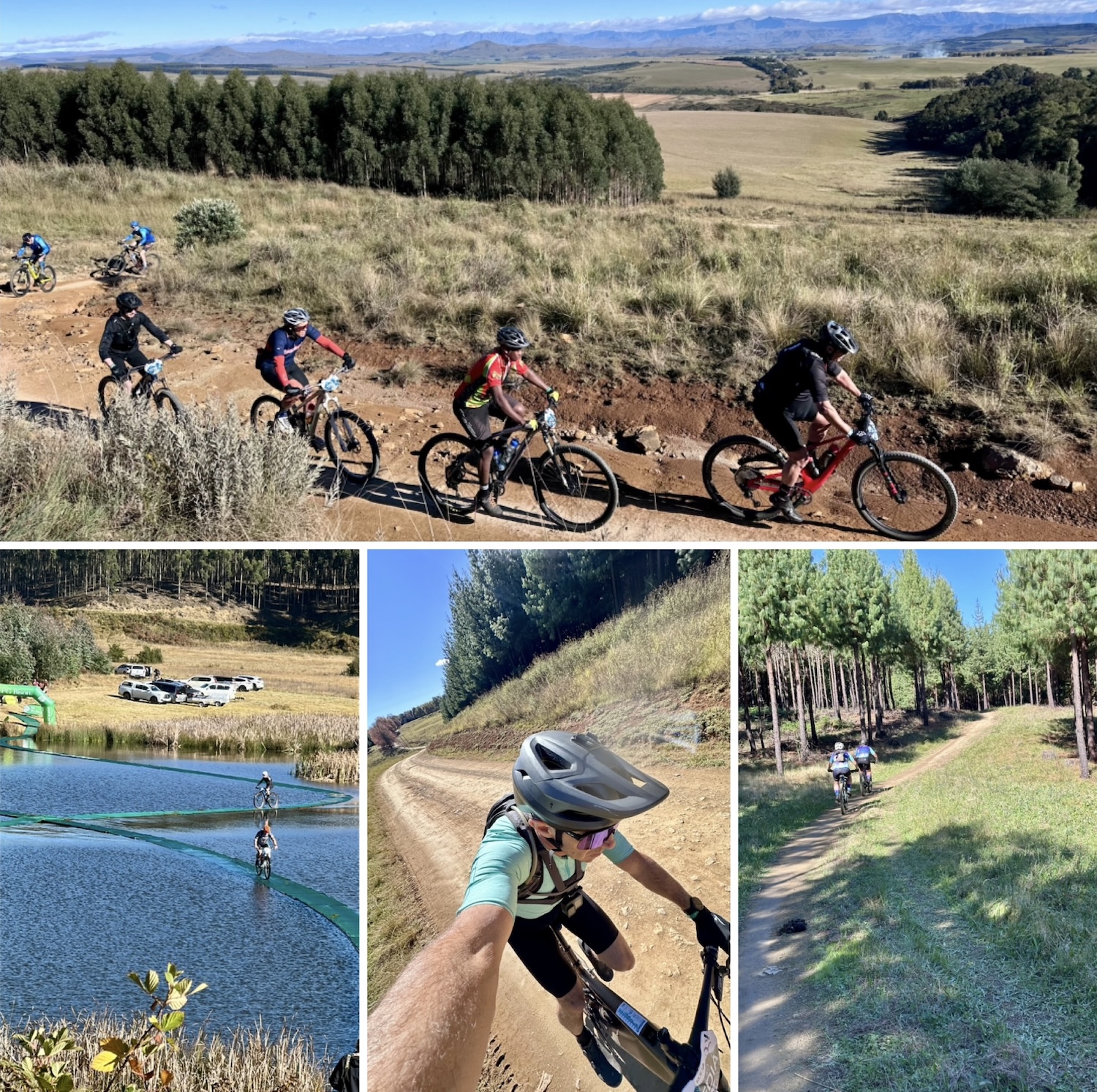
Legally, eBikes in South Africa are only meant to provide pedal assistance up to 32kph. Most do, including the Levo R that I was riding. That meant that on the early gravel roads of Stage 1 or the long, straight sections of old railway trail on Stage 3, I had a choice: try to pedal a 22kg bike faster than 32kph or ease off slightly to stay under the limit and keep the pedal assistance active. I mostly chose the latter, which felt a bit weird. I envied those on acoustic bikes who could pedal as fast as they wanted to.
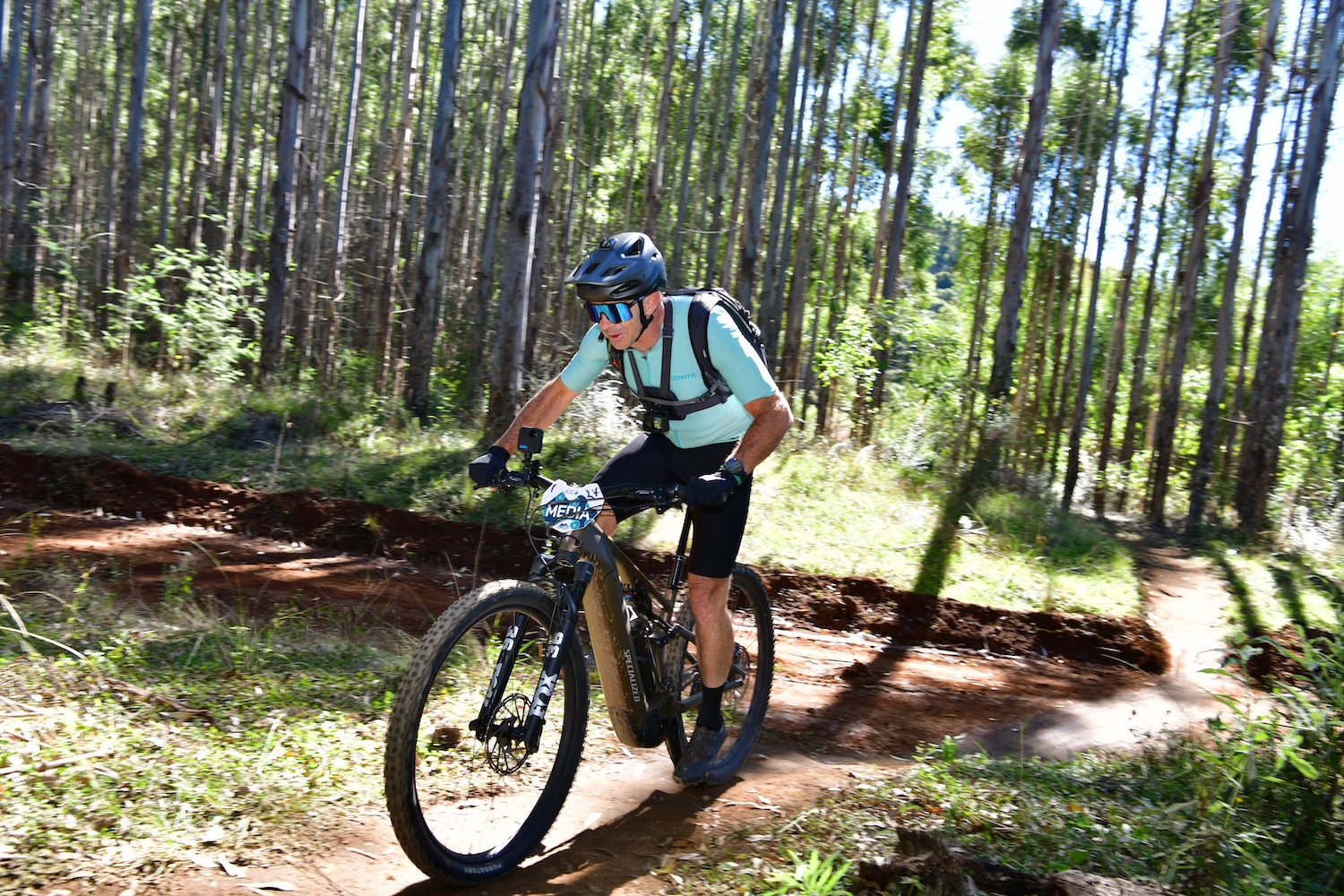
Obviously, on the climbs, no acoustic bike is riding at 32kph, so it became rather easy to just cruise up them. I mostly used ECO mode – the lowest level of assistance – so that I could at least get some kind of challenge. But it still felt strange. For more than 35 years, I’ve known climbs to be challenges and an integral part of riding and racing mountain bikes.
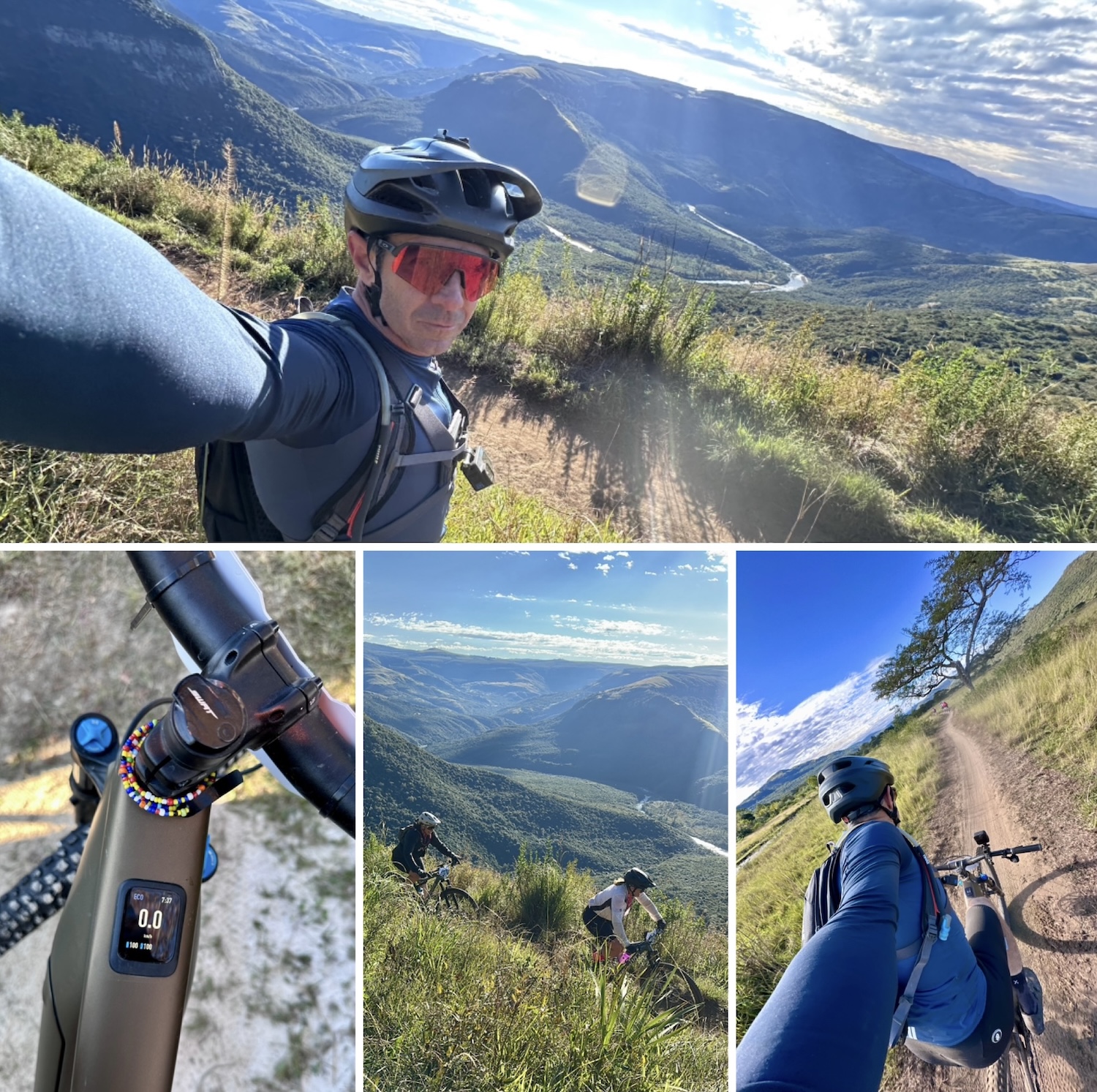
Now, with the flick of my left thumb, I could go from low assistance to maximum assistance. From straining up a rutted road or rocky trail to blasting uphill at a pace that was only just controllable. No real effort required beyond keeping the pedals turning – the biggest challenge being line choice and trying not to disrupt riders on acoustic bikes who were putting in an honest effort to reach the summit.
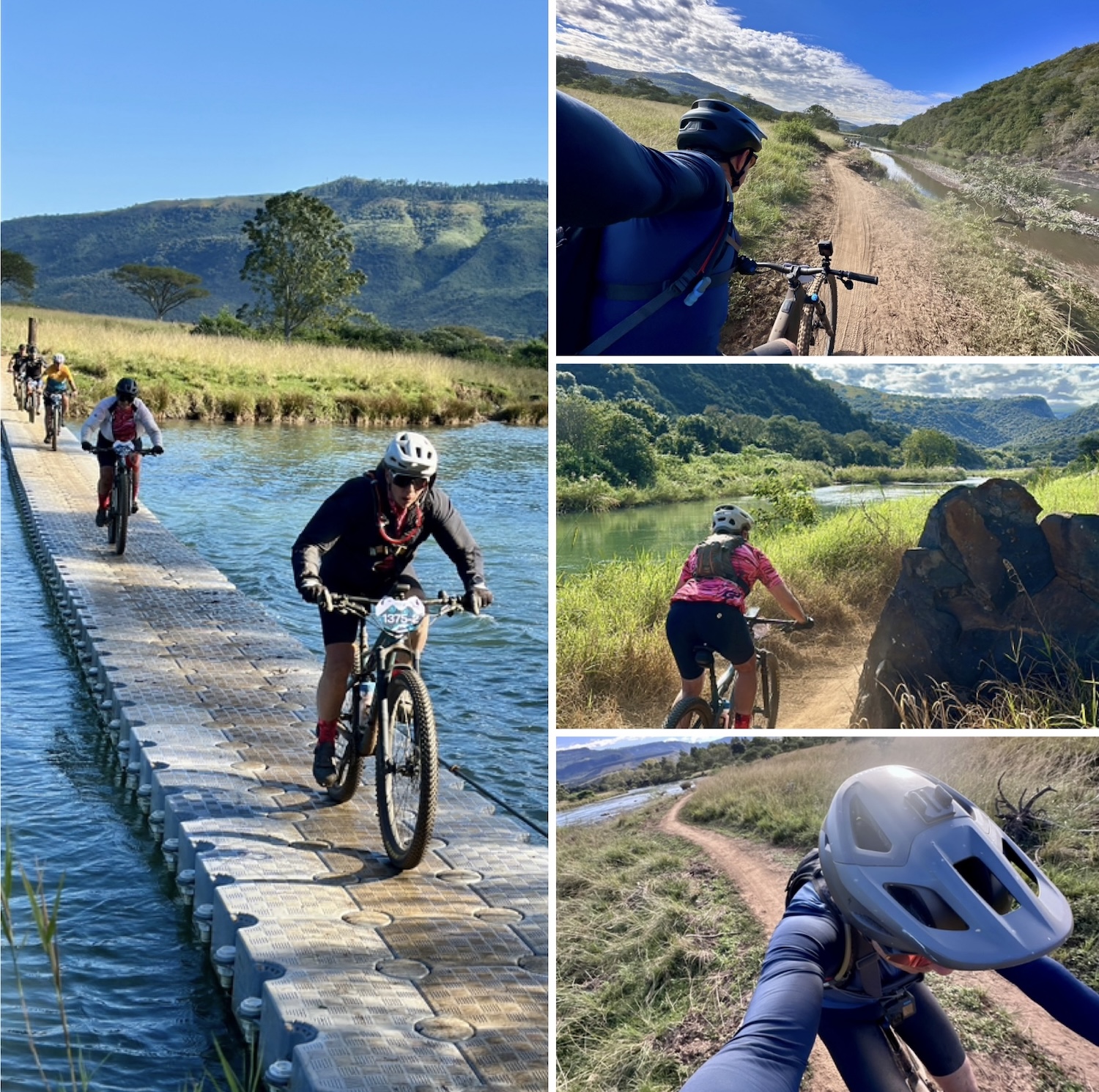
I had to keep reminding myself that I was able to enjoy the Sani2c experience because I was on an eBike. This time. In my current, moderately fit state, I probably would have finished it on a regular bike, but it would also have finished me. Being completely creased after a Sani2c stage means not really being able to enjoy the off-the-bike vibe. And that’s no fun.
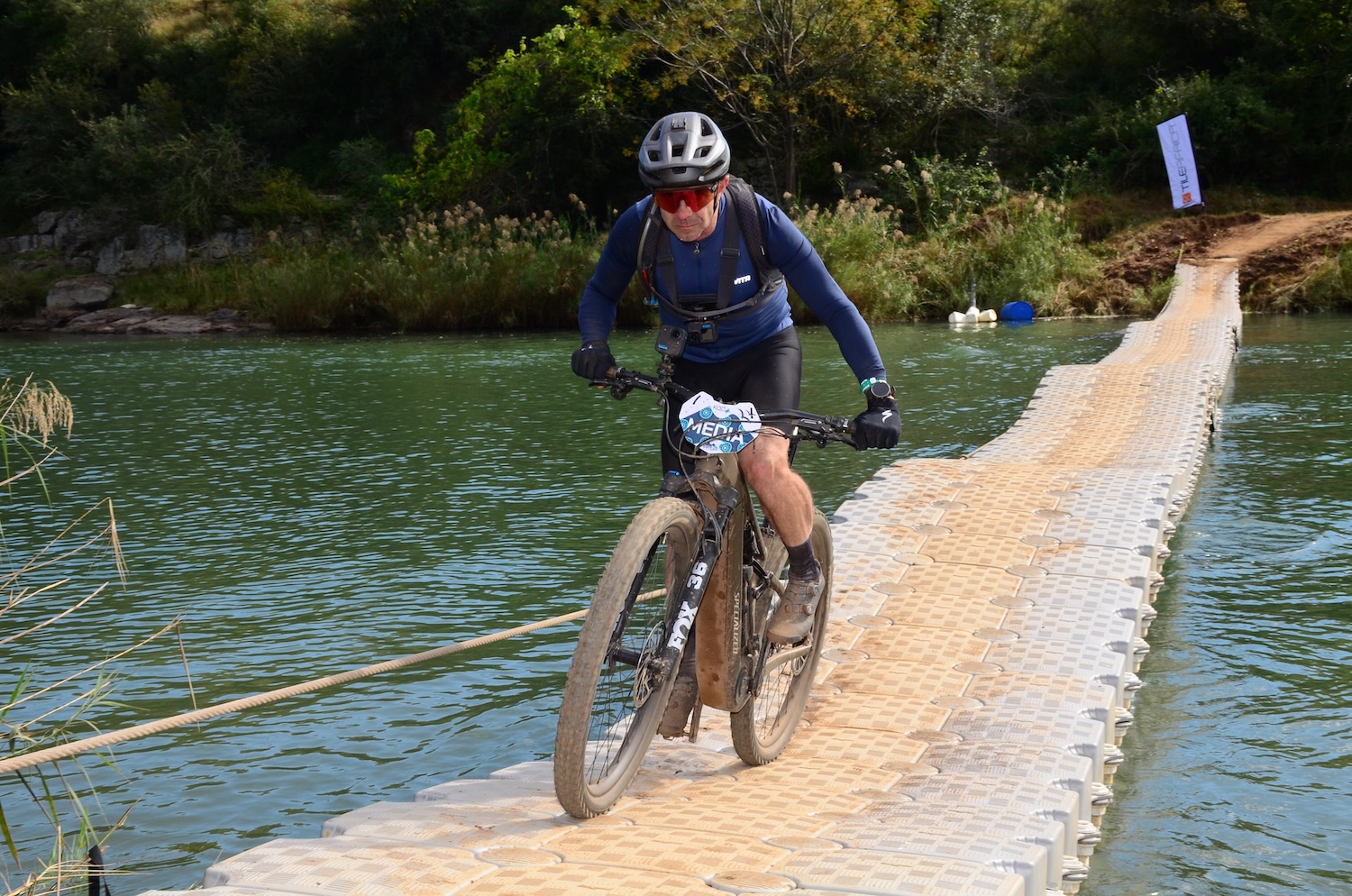
Despite the devastating effects of the Covid restrictions on events, South Africa still has many high-quality mountain bike stage races. What makes Sani2c stand out is that it remains a true point-to-point race, with stages that are all a proper challenge in terms of distance.
Logistically, point-to-point races are more complicated for riders and more costly for organisers. But they are journeys, and ambitious humans seem to value and relate to journeys particularly well. Ambition and positivity are probably the two most common traits shared among the 2 000 participants at Sani2c (across both events). It’s invigorating spending three days and three nights in that kind of company.
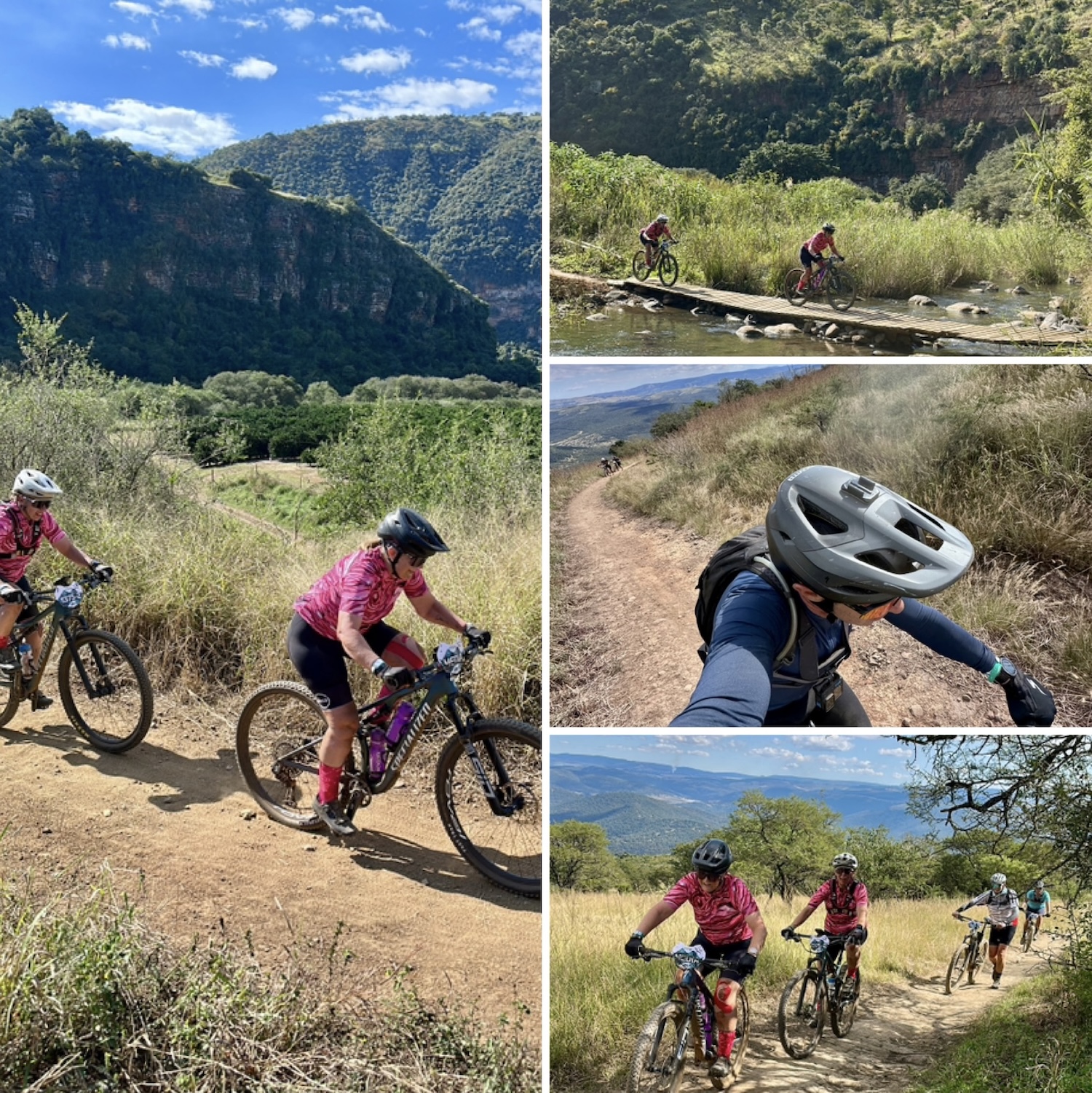
My Polar Grit X smartwatch recorded the stages as 84km | 1551m, 97km | 2122m and 87km | 1408m respectively. Individually, each stage is a serious challenge and could stand alone as a legitimate marathon race. String them together over consecutive days and Sani2c becomes formidable. You need to arrive having done some decent preparation. It demands respect.
Will this be my final Sani2c? Yes. On an eBike, at least.
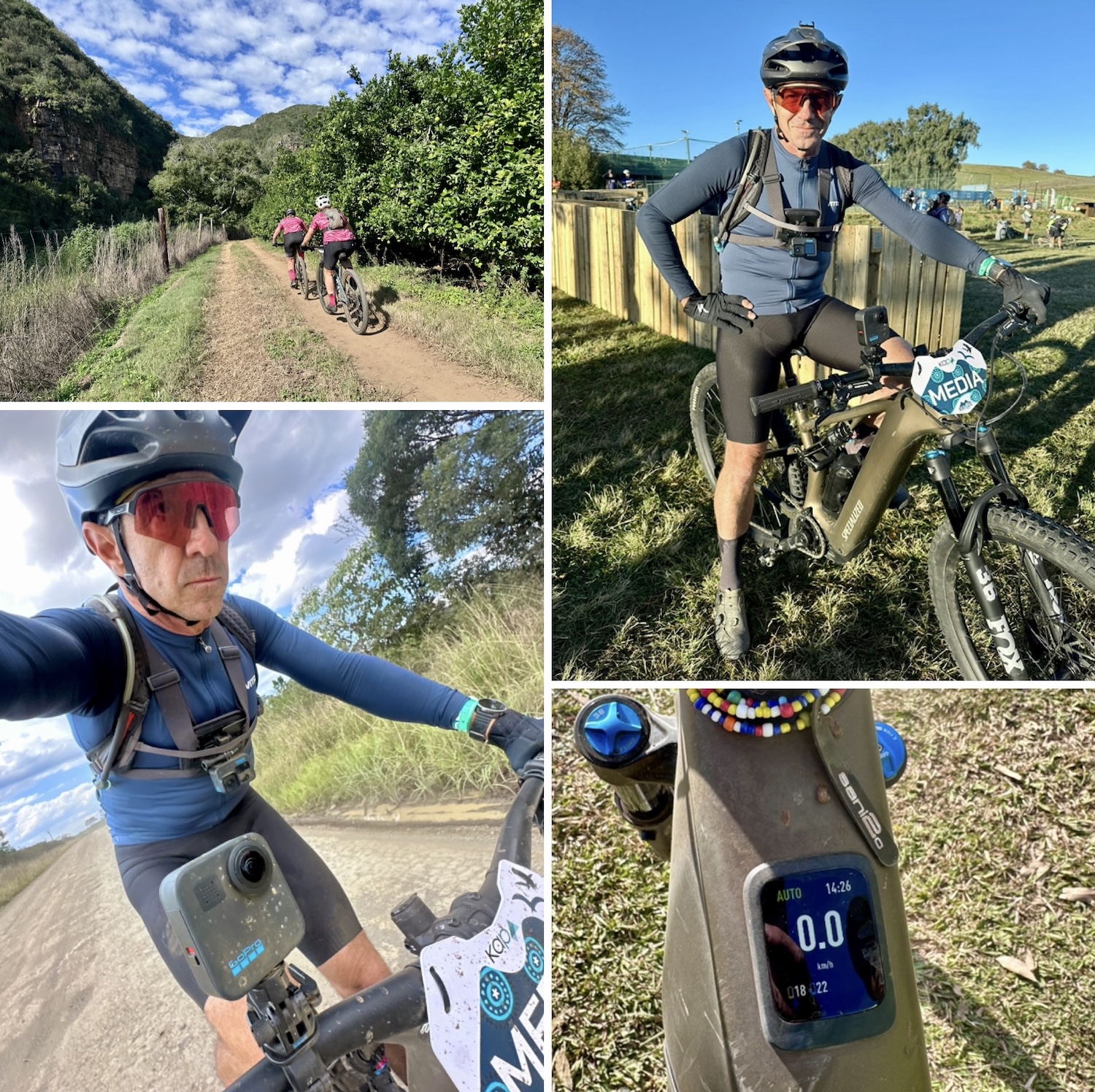
Riding up Iconic – 5km | 308m – with such ease just didn’t sit right with me. As hard as it was for them, I genuinely envied every participant on an acoustic bike. One of my goals as I continue recovering from this immense and sudden physical setback is to ride the whole of Iconic on a regular mountain bike – no stops, no dabs. It’s a proper climb and, for me, defines this race just as much as the famous Umkomaas Valley descent does.
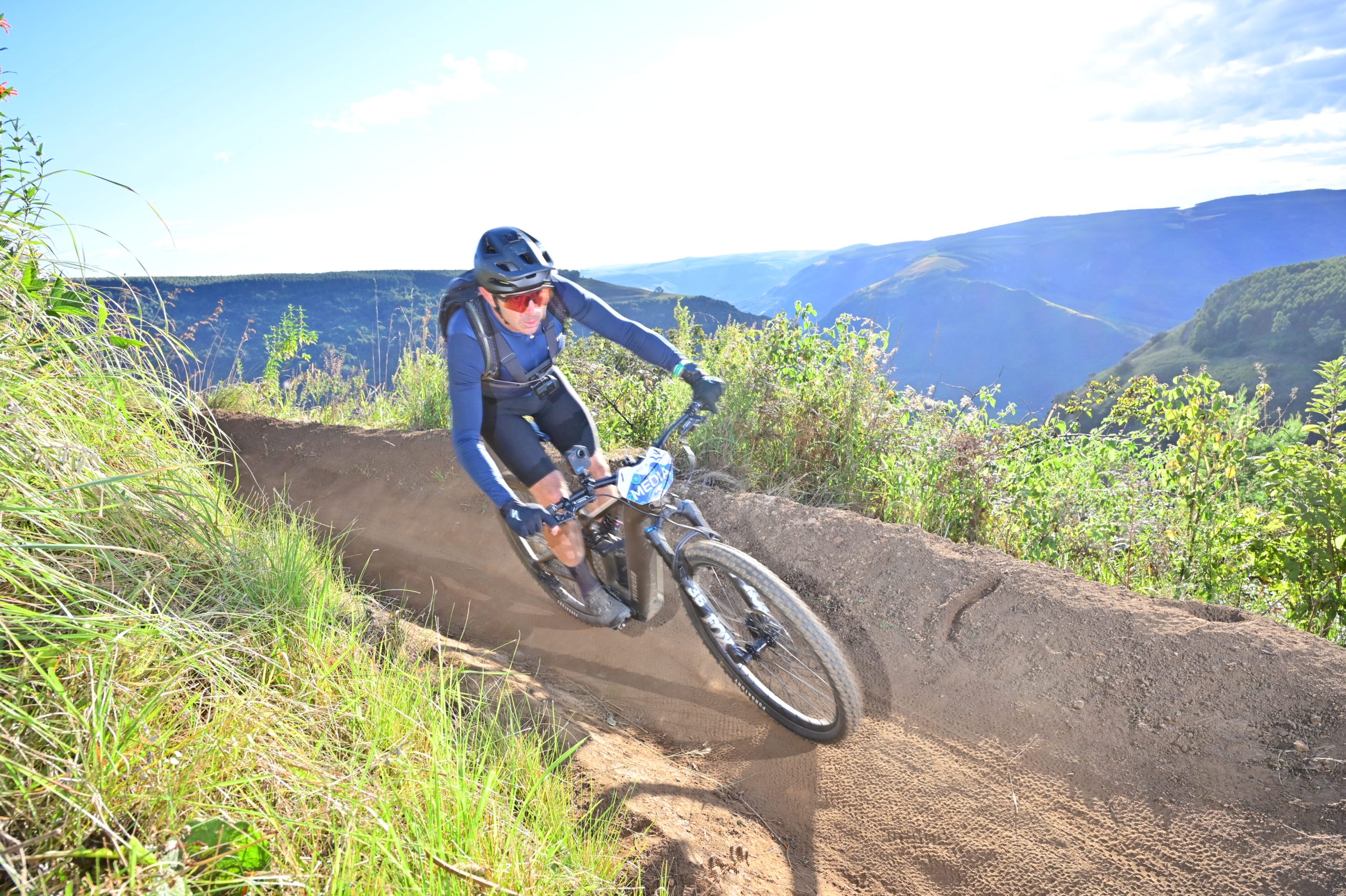
Speaking of that famous descent, it was probably my slowest roll down there. Starting from G Batch, I found myself behind riders who were constantly on the brakes. And that’s completely fine – everyone has their own limits and comfort zones.
But if you’re rolling down such a fun, well-built and beautifully maintained descent in a state of fear and braking constantly, know that it doesn’t have to be that way. Sign up for some skills training with a local coach. Learn how to properly use your dropper seatpost. It will transform your mountain biking life.
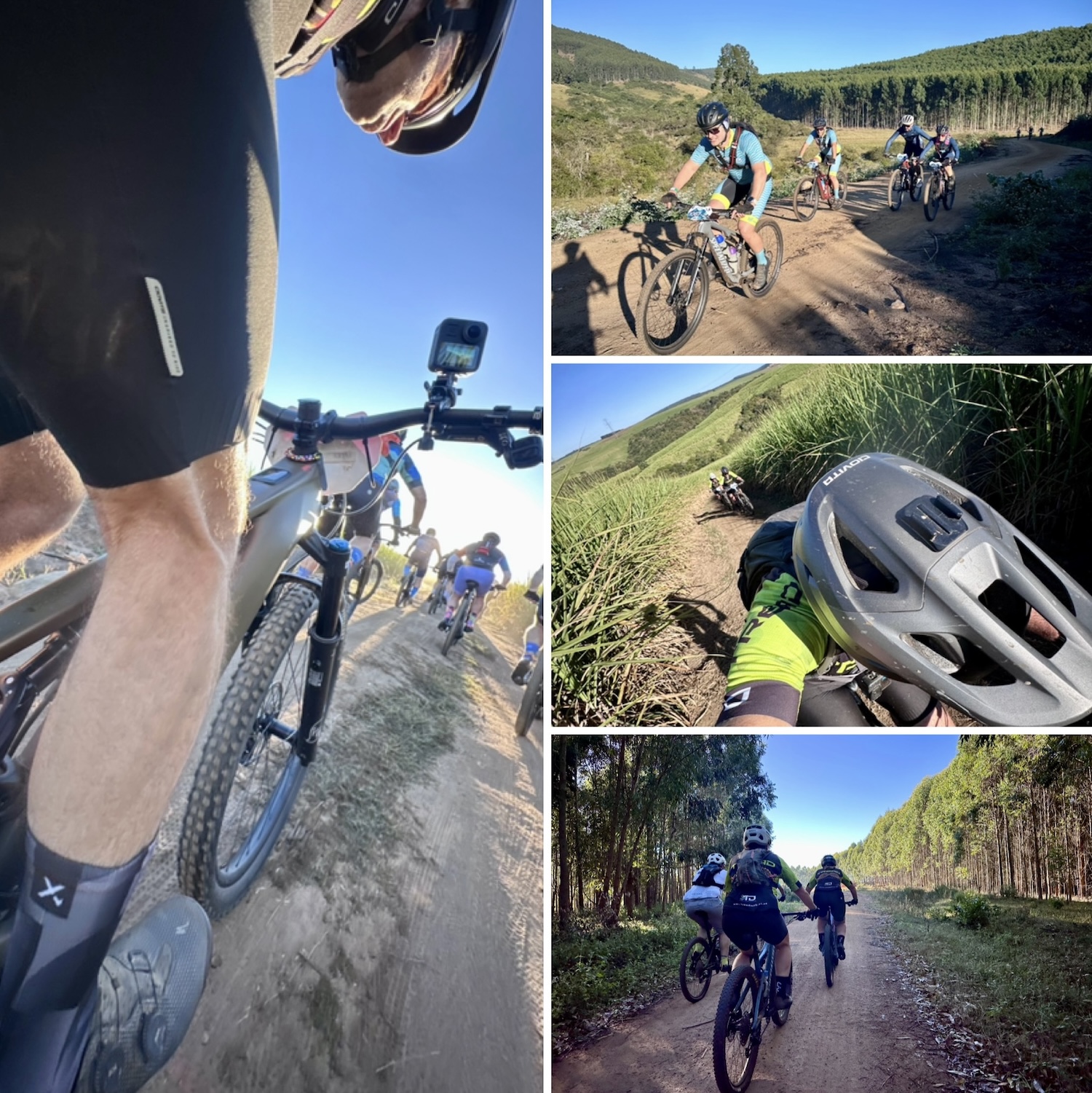
This was the 23rd edition of Sani2c. I did my first in 2012, then again in 2013 (as part of Joberg2c), 2017, 2018 (with my wife), 2020 (with my wife), 2024 (with my son) and now 2026 – solo on an eBike. It’s an incredibly polished and successful event, and every year I’ve noticed subtle organisational fine-tuning and sponsor spoils that further improve the rider experience.
It’s a real privilege to participate in this event. Not just the race itself, but the weeks of preparation beforehand, the long drive from Johannesburg to the start, the warm hospitality of the communities that make such a huge effort, and the many, many kilometres of firm, fast, flowing singletrack between the mountains and the sea.
After the final stage, we ate the post-race meal, showered, collected our finisher T-shirts, packed the car and drove straight back to Johannesburg. Normally, that return journey comes with a deep physical fatigue – the kind that settles into your body after three demanding days on the bike. But this time it didn’t.
I appreciated being part of the 2026 KAP sani2c, but my cup wasn’t full in the way it usually is. eBikes are brilliant for many reasons and, in my case, they allowed me to experience this year’s race when I otherwise may not have been able to. But somewhere between the assistance and the ease, I realised that what makes sani2c so meaningful to me is having to complete it with my own body, mind and soul.
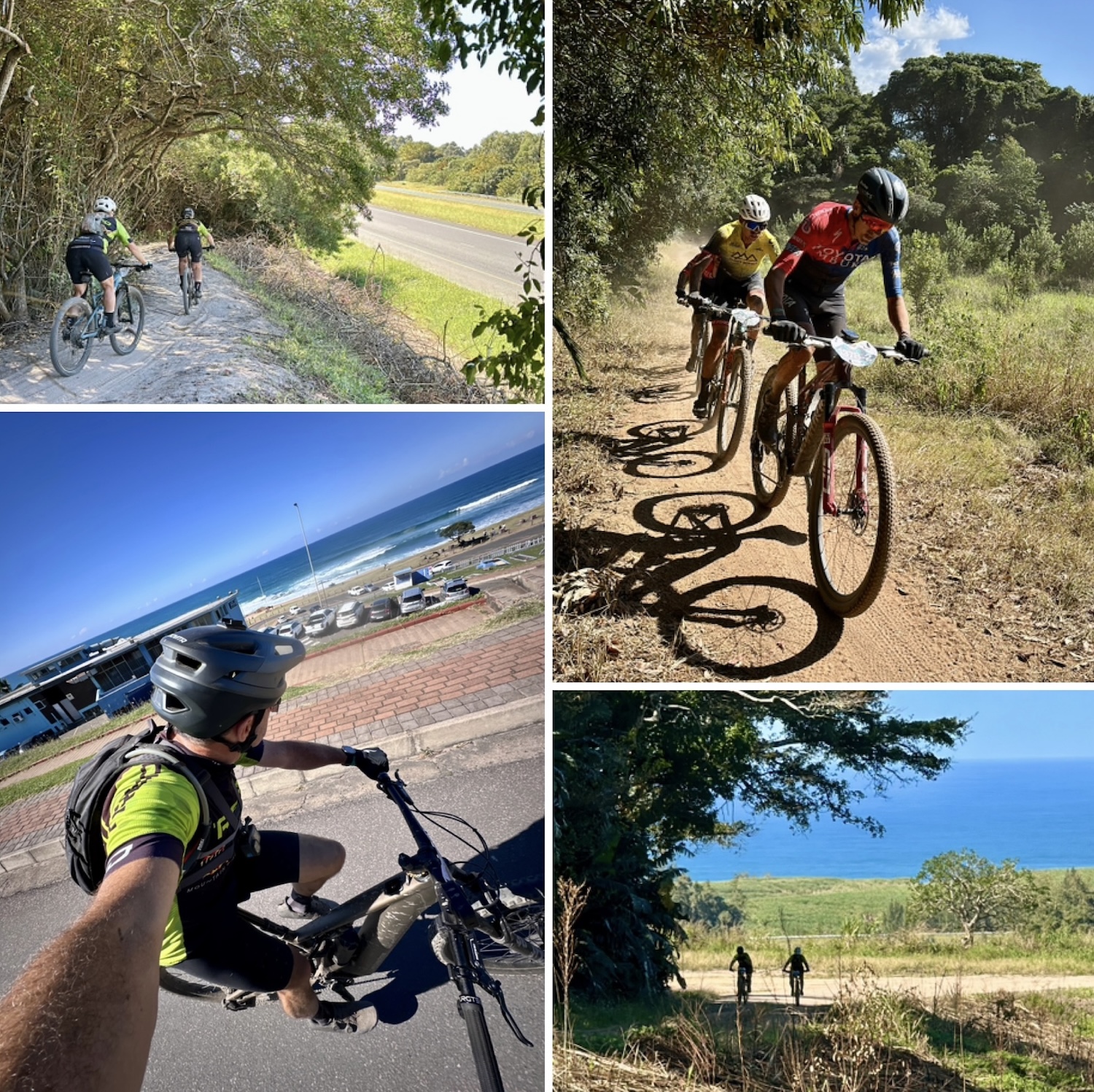
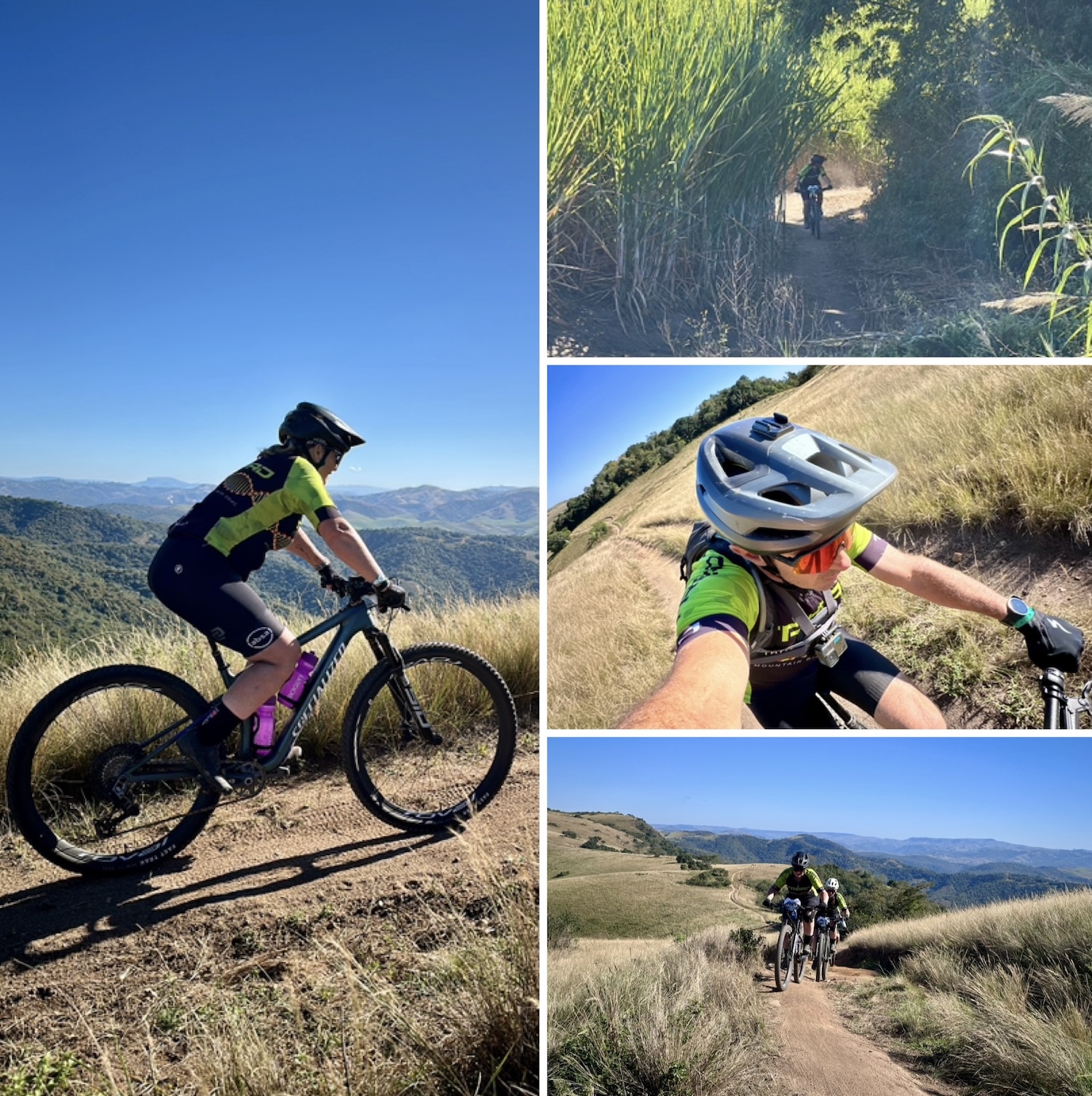
NOTE: A major personal goal for my wife, Joanne, was to complete the 2026 KAP sani2c on an acoustic bike. Along with her teammate, Bonita, she achieved her goal. You can read about her experience here. It’s also why she and Bonita appear in many of my photos. I spent a fair bit of time on each stage capturing visuals of them.

