
In those first three months after open-heart surgery, the goal wasn’t heroic. It wasn’t inspirational. It was simple: get back to something that felt like normal. And that, it turns out, is no small thing.
By Sean Badenhorst
Open-heart surgery strips you down – physically, emotionally, completely. In the early days, walking to the bathroom felt like a summit effort. Then it was a slow shuffle around the garden. Eventually, a cautious loop through the suburb. Even the gentlest incline demanded respect. Standing at the sink to wash dishes? That came with scheduled breaks. It’s a humbling process – being reduced to the basics.
But the body does what it’s built to do. Given time, it heals. Quietly, almost imperceptibly, strength returns. Not in grand leaps, but in tiny, daily increments. Some days you notice it. Many days you don’t. And there are days you’re convinced you’re going backwards.
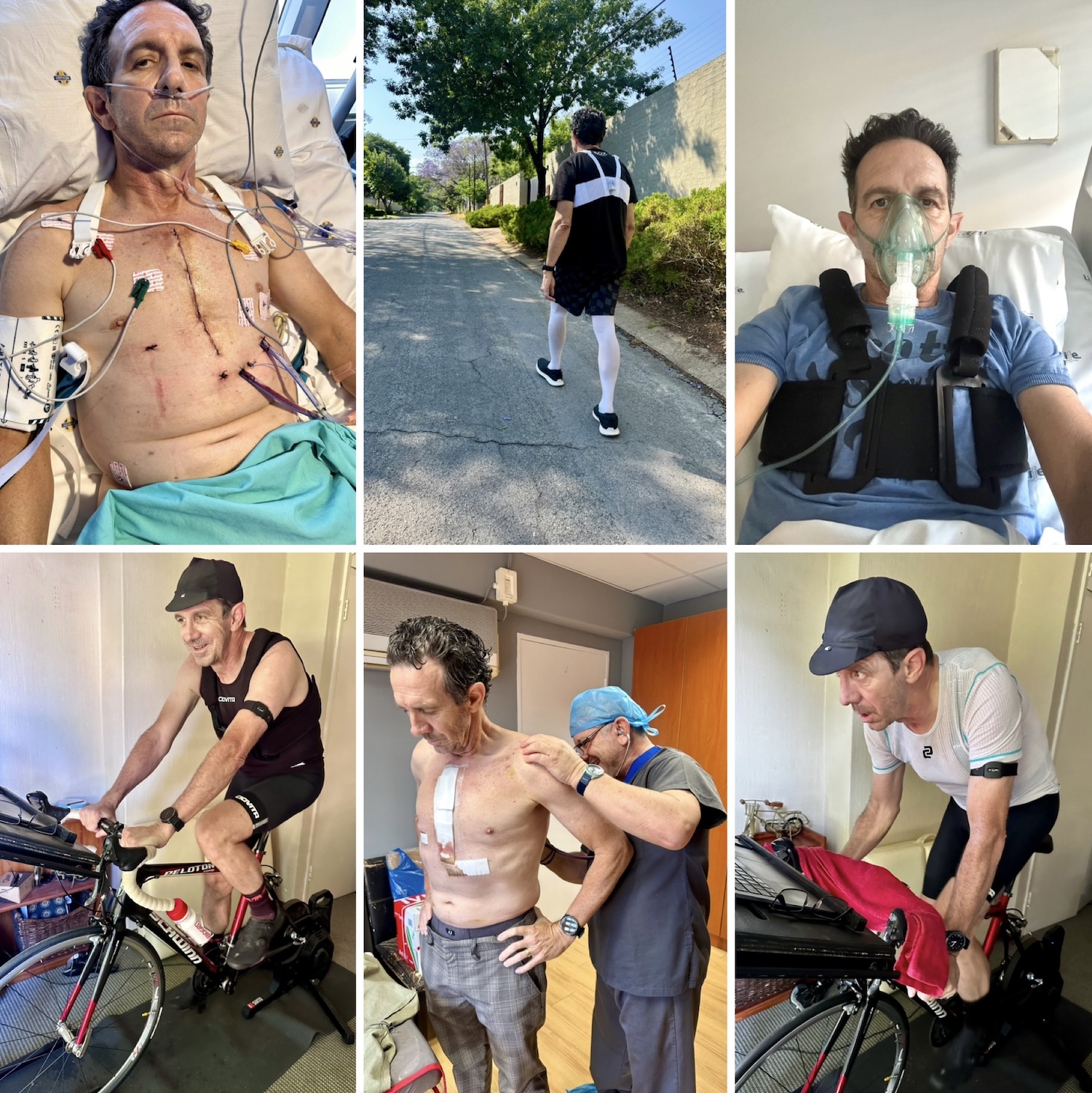
Pain was part of the deal. Not just discomfort – real, lingering pain across the shoulders, upper back, arms and chest. Anti-inflammatories became a lifeline, taking the edge off and buying a window of relief. Enough to rest. Enough to reset.
Mentally, the shift was just as stark. Long-term thinking disappeared. It became about getting through the day. Then just the morning. Then just the night. Breaking life into manageable pieces. And slowly, very slowly, the pieces started coming back together.
By the time December rolled around, about eight weeks post-surgery, I got back onto the indoor trainer. Pedalling again felt like progress, even if staring at a laptop wasn’t exactly inspiring. Those sessions were less about fitness and more about winning small mental battles.
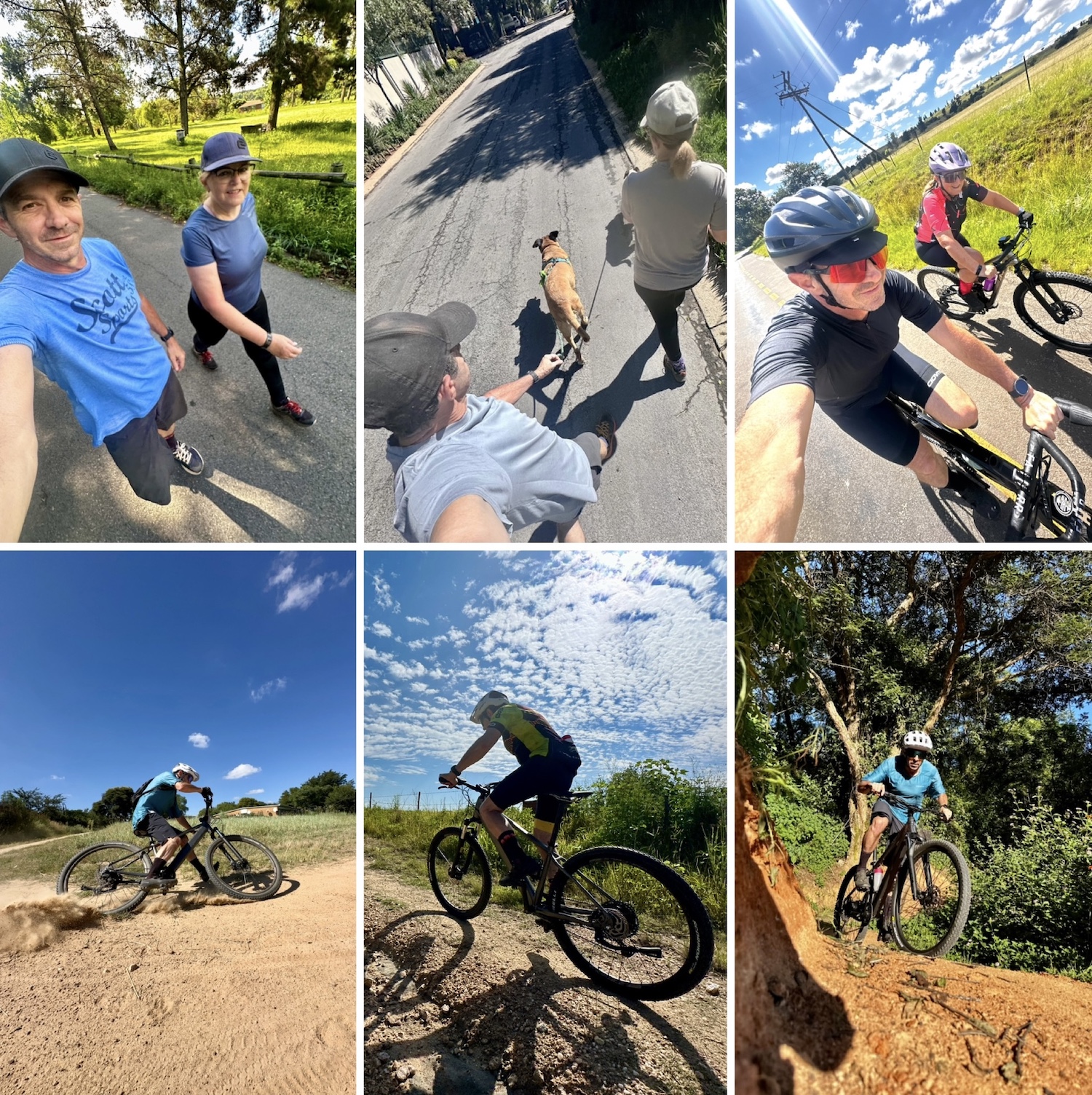
Then, early January – 14 weeks in – the first ride outdoors. A short road ride, just under two hours. But it felt enormous. Fresh air, sunshine, and Joanne alongside me. Perspective shifts when you’ve been through something like that. That ride wasn’t about numbers or performance. It was about being out there again. And it was one of the best rides I’ve ever had.
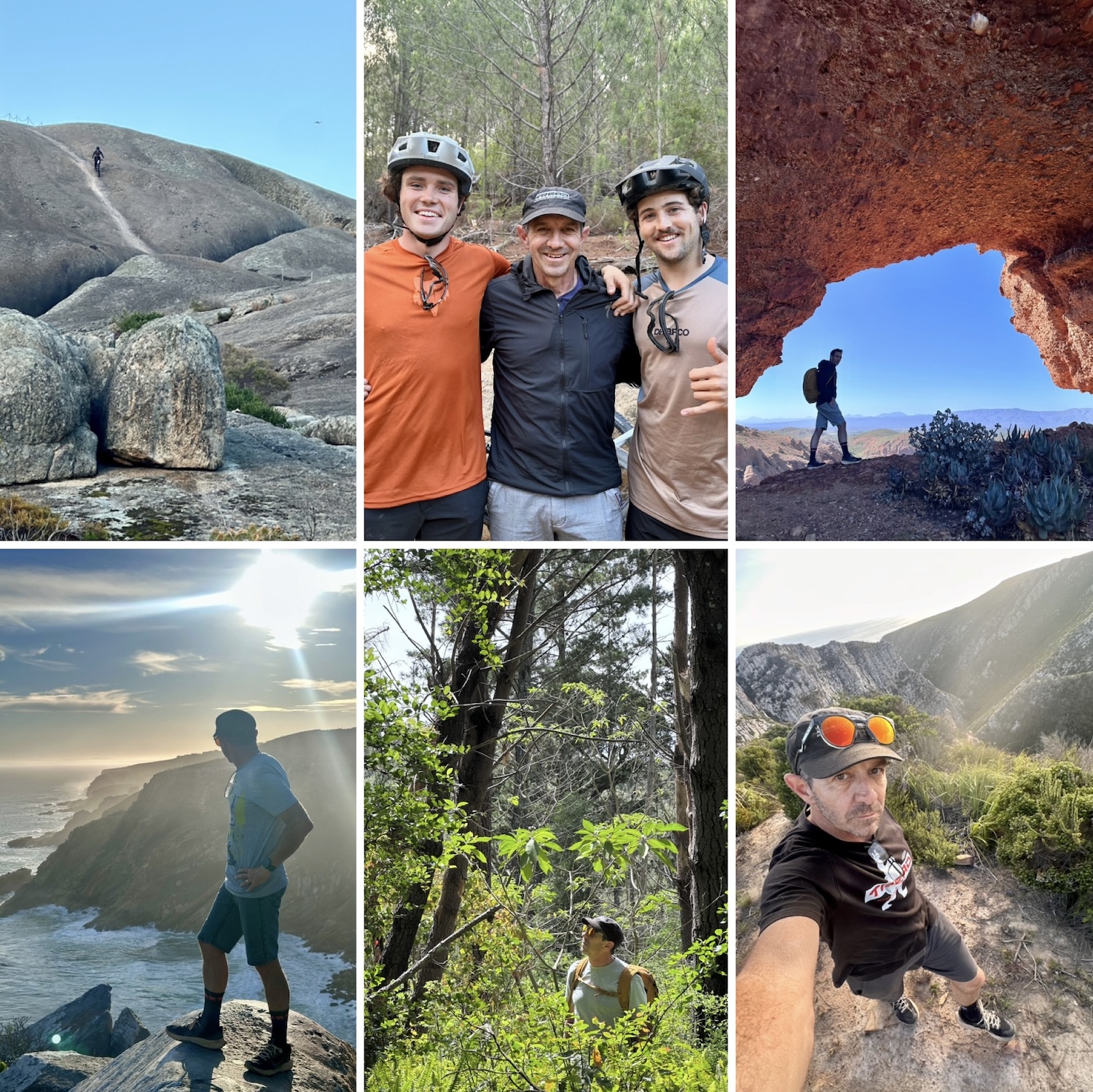
Recovery at home gave me two unexpected gifts: time to declutter my iPhone – and time to think.
Somewhere between deleting old photos and revisiting old memories, I started mapping out what comes next. Not a return to what was, but a rebuild. I want to get back to the kind of all-round strength and mobility I had in my early 40s. That means less time only riding bikes, and more time building a body that can actually support the riding – strength work, flexibility, maybe even a bit of running.
It also sharpened something else: clarity around what matters. More road trips with Joanne. More stage races. More music. More time with the people who count. More exploring – new trails, old favourites, all of it.
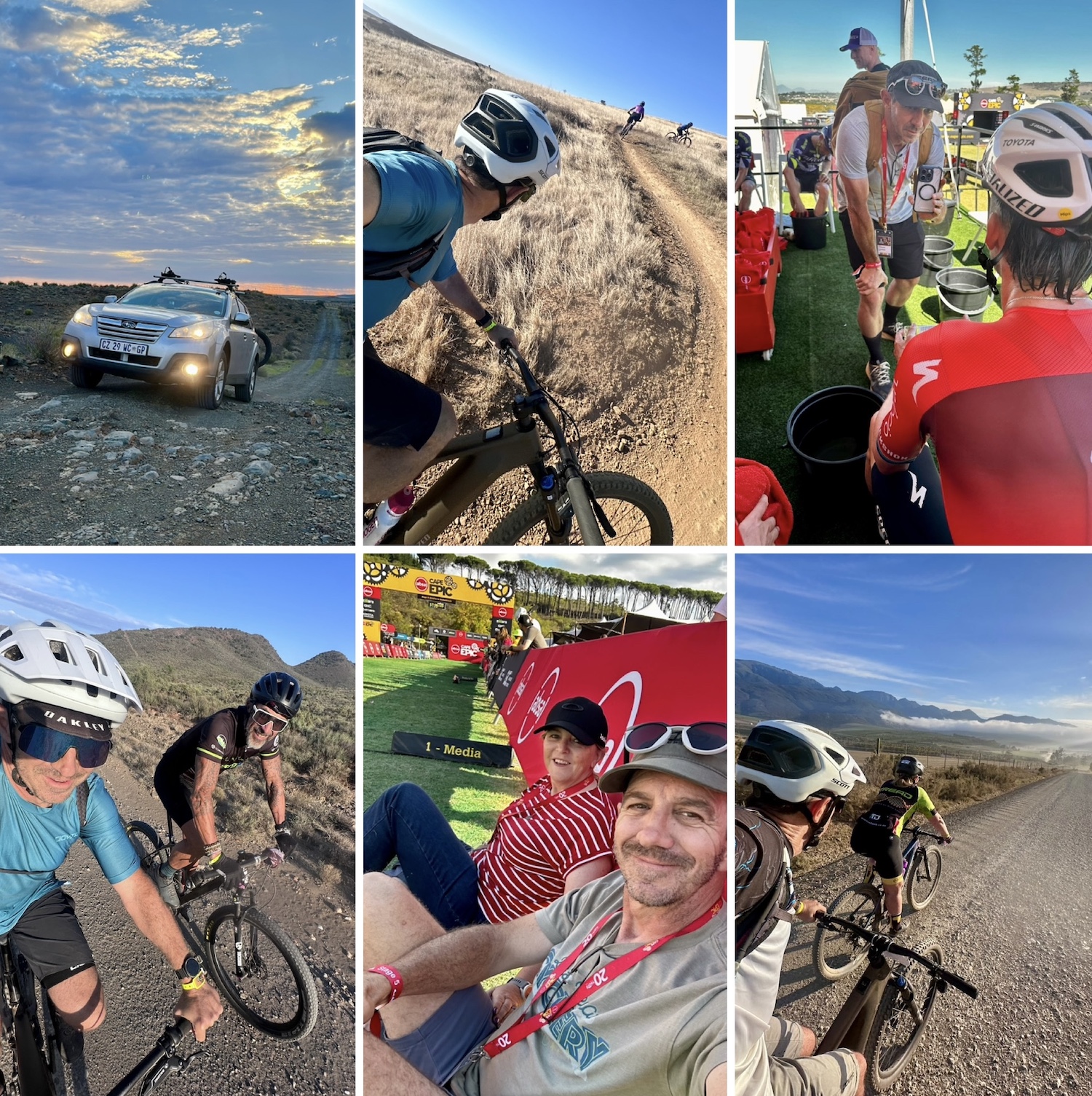
February brought an 11-day mountain biking video project through the Winelands and Garden Route. I wasn’t riding, but it didn’t matter. Sunrises, sunsets, good people and travelling our amazing country. It fed something deeper. The kind of reset you don’t realise you need until you get it.
Then March: the Absa Cape Epic. Start to finish. Back in the thick of it from a work perspective, reconnecting with the people and the energy that define this space. Somewhere in there, a reunion with an old army mate, Billy Stelling. Different lives, different paths, but the same shared history. A few rides together, a lot of stories, and a reminder of how far life can stretch – and still circle back to an early adulthood mate.
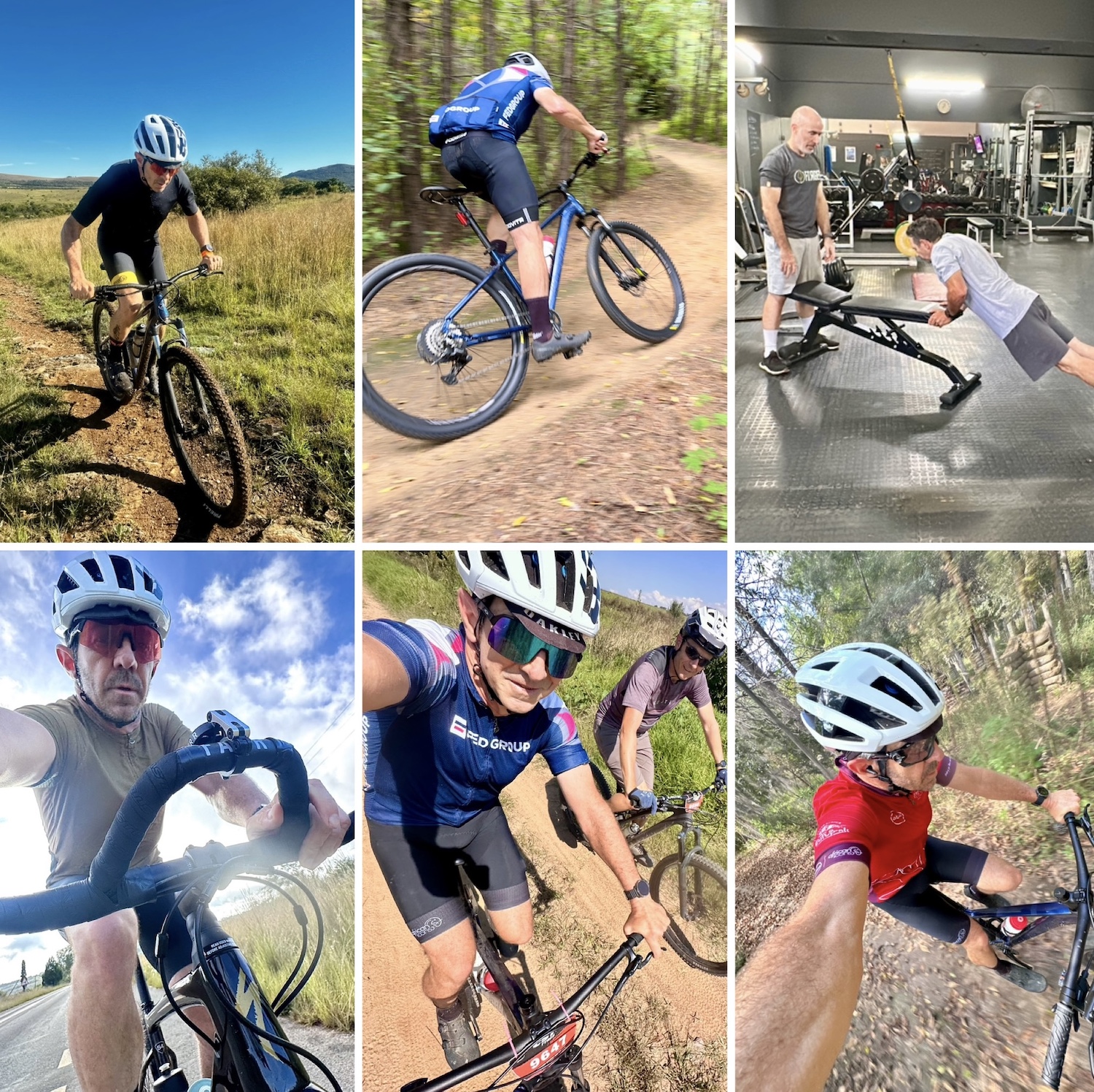
By the time we got home, I felt ready. That next step started in the gym, working with a coach, Michael Mendes, to rebuild strength properly. Not rushed. Not reckless. Structured.
Around the same time, a conversation with Maryann Shaw about sani2c.
“Will you ride it in 2026?”
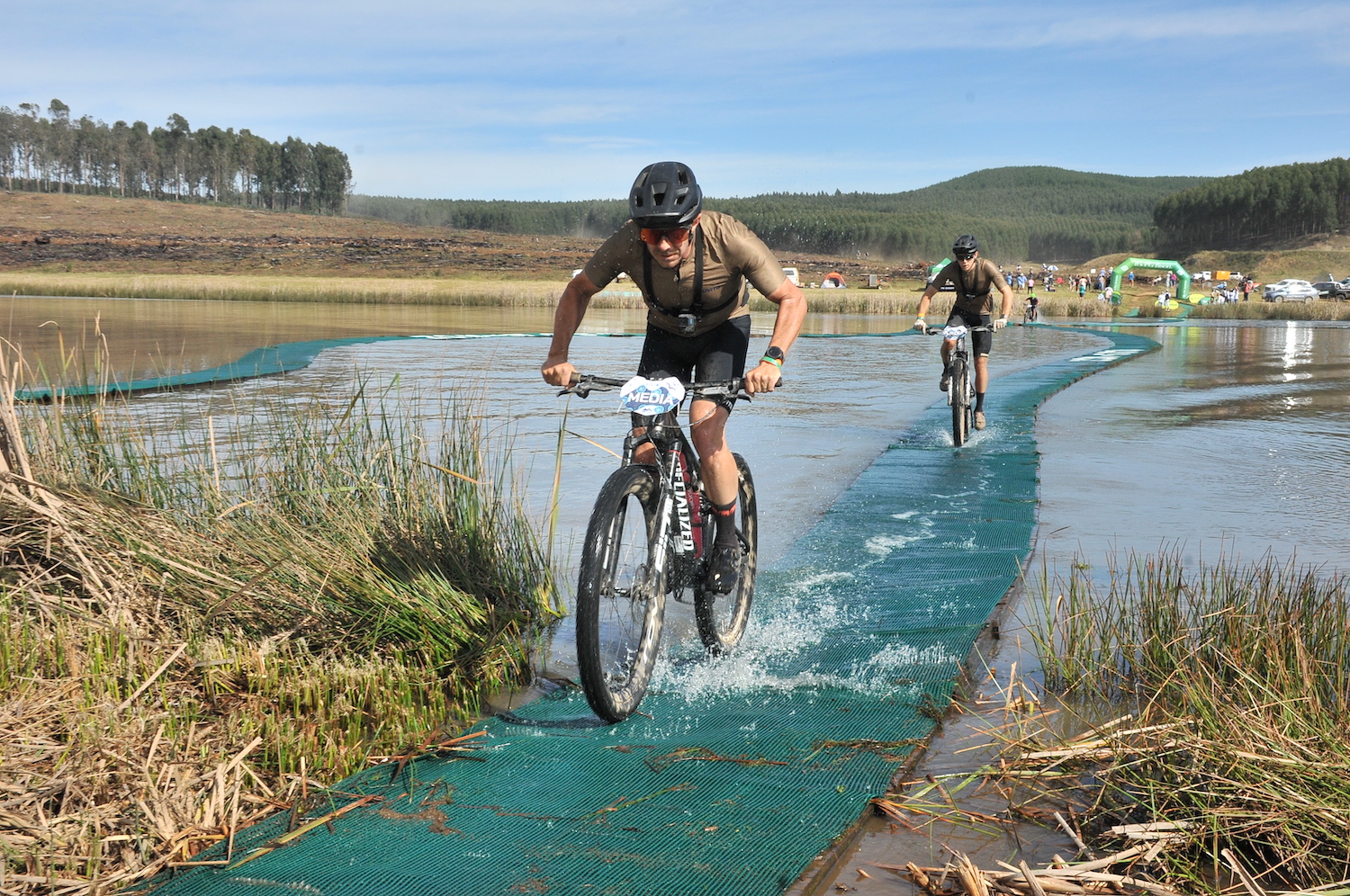
On a normal bike? No. Not yet. But on an eBike? Absolutely. So that’s the plan. My sixth sani2c, but my first as a heart attack survivor, still working back from bypass surgery. Even writing that feels strange. “Heart attack” is not a label you wear easily. But it’s part of the story now. And if there’s any value in telling that story, it’s this: it’s not the end. Living with atherosclerosis (clogged arteries) isn’t a full stop. Movement isn’t optional, it’s essential.
Right now, I’m riding moderate mountain bike sessions – three to three-and-a-half hours, 45 to 50 kilometres. Good for rebuilding. Not enough for sani2c’s demands. Those stages are properly long.
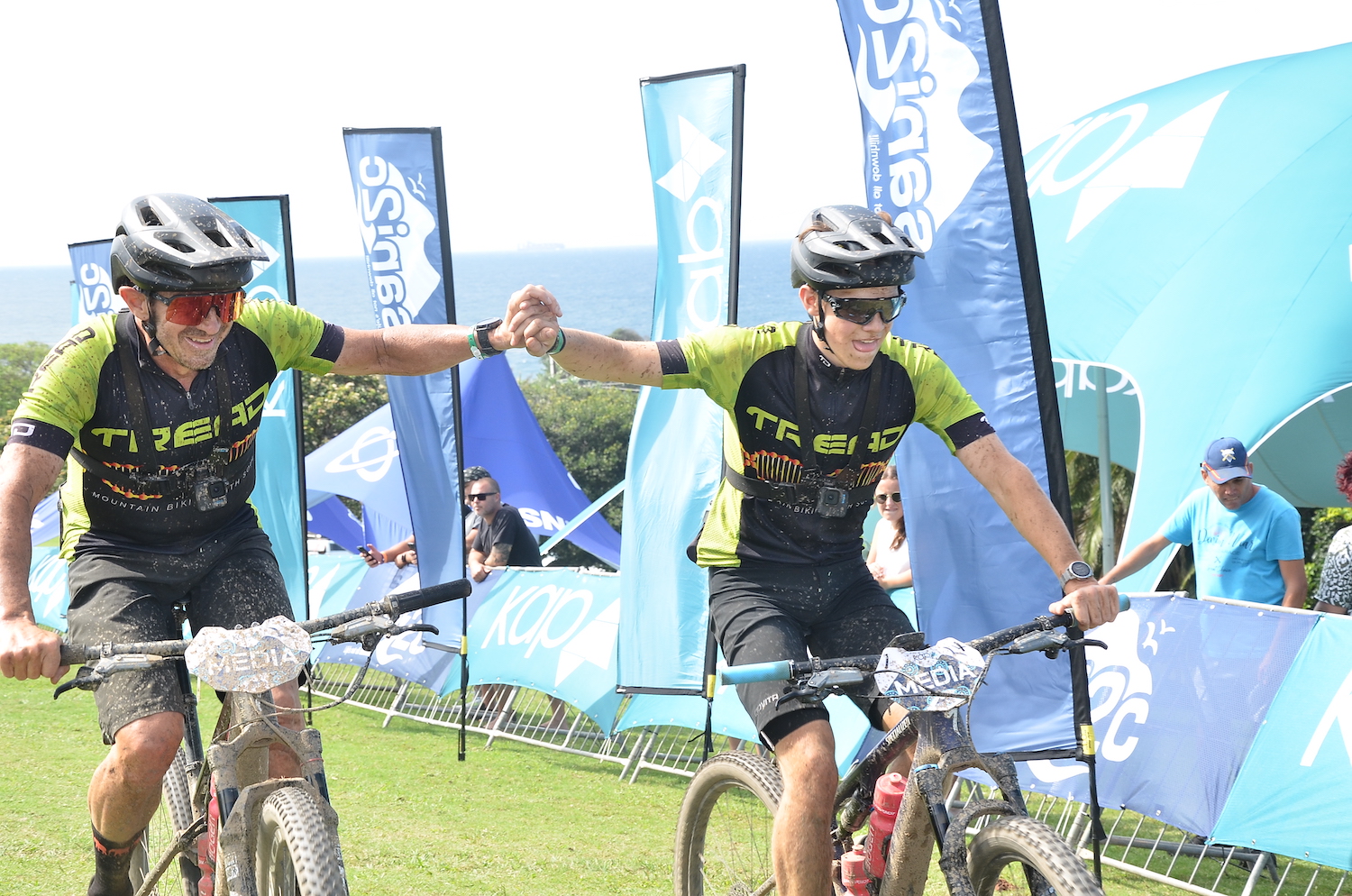
So the approach is simple: participate, don’t race. Use the eBike as it’s intended, to make something possible that otherwise wouldn’t be. To prove, to myself more than anyone else, that a few months after major surgery, you can still line up and take part.
Because a stage race like sani2c is more than riding. It’s escape. It’s perspective. It’s stepping out of the daily grind, especially when the world feels like it’s pressing harder than usual.
For most, it’s about the trails, the journey from mountains to sea, the atmosphere off the bike. For me, it’ll be all of that and something more personal. Another road trip with Joanne (she’ll be lining up for her third). Long hours with good music. Time on the bike in beautiful places.
And maybe, just maybe, a quiet reminder of how far it’s possible to come.
Note: There are still some spots left in the 2026 KAP sani2c. If, like me, you want to compete on an eBike, you must do the OG event, where eBikes are specifically catered for. To find out more, or to enter, click here.

