
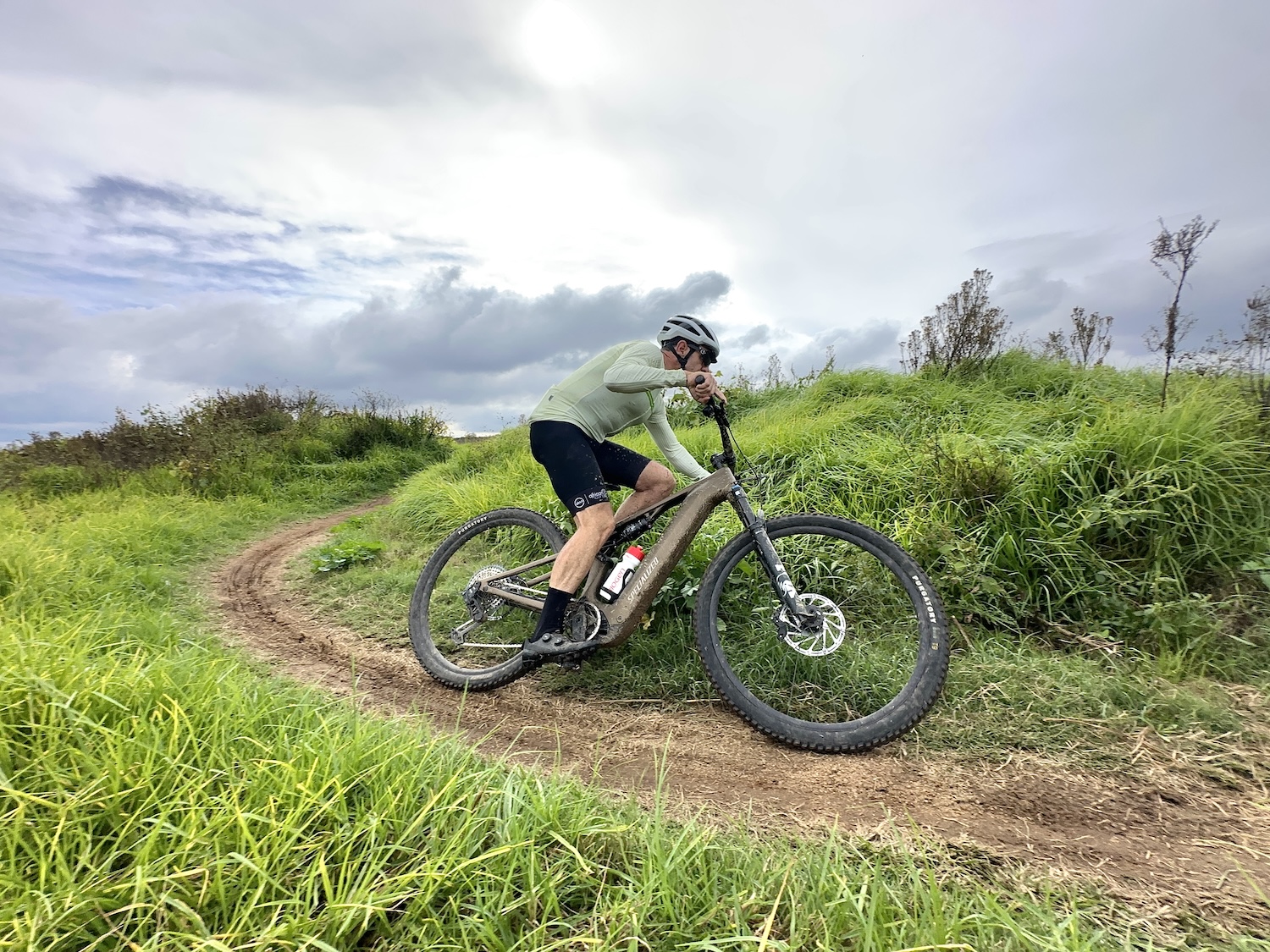
I’m lining up for my sixth KAP sani2c this year, but it will be my first as a heart attack survivor – a reality that still feels slightly surreal when I say it out loud. Because I’m only a few months out from surgery, I’ll be doing it on an eBike, which I know comes with its own set of opinions, especially in an endurance stage race context.
By Sean Badenhorst | Photos: Cade Badenhorst; Joanne Badenhorst
The truth is, I could probably get through sani2c on a regular mountain bike. But it would be tight – very tight. I’d be riding to make cut-offs rather than to enjoy the experience, and any sort of mechanical issue could tip things the wrong way entirely. That’s never really been my approach to riding. For me, the enjoyment sits somewhere in that five- to six-hour window on the bike. Beyond that, the ride starts to take over everything else, and I’m not particularly interested in building my life around that kind of physical demand.
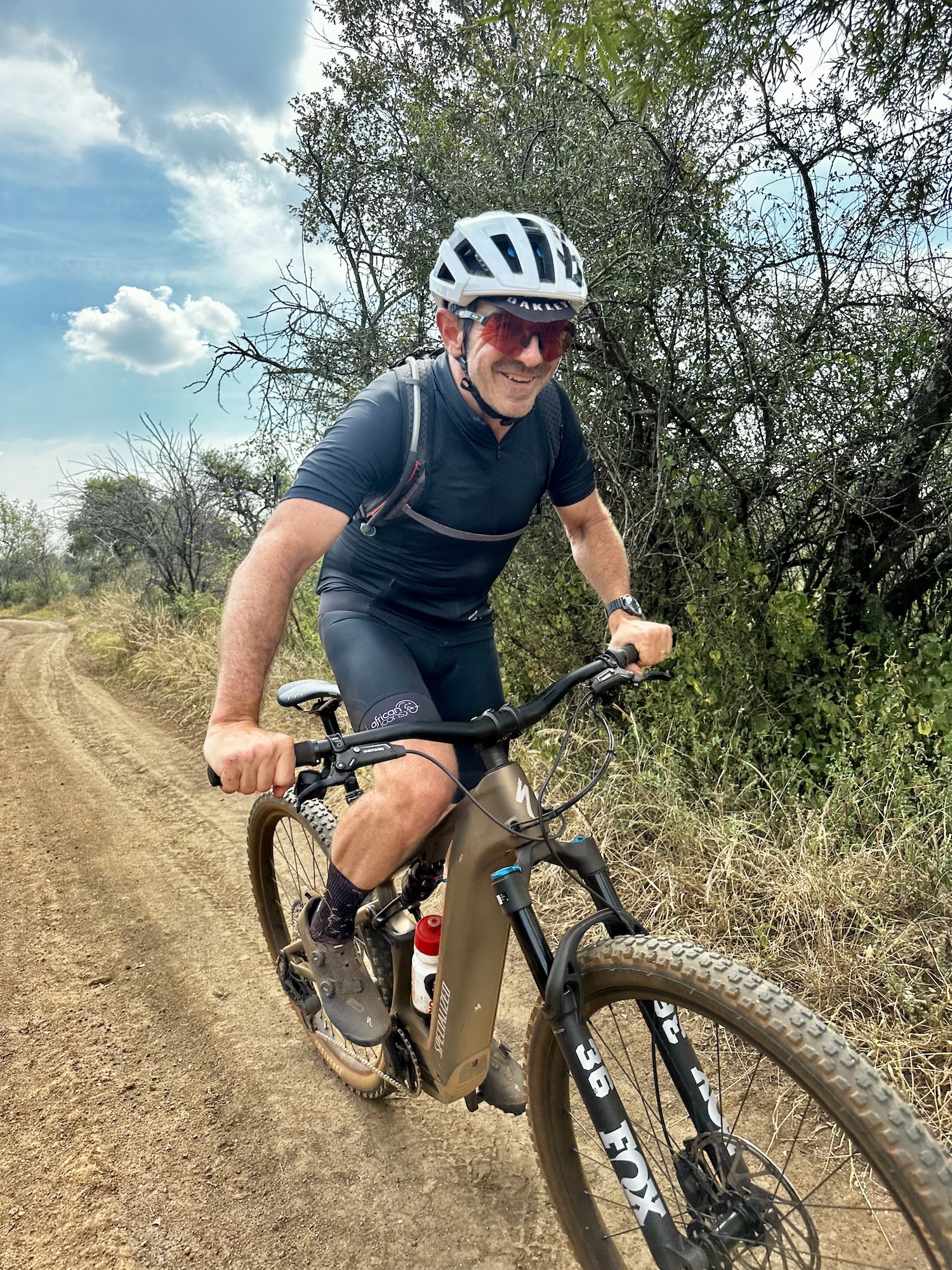
I ride because I enjoy it, because singletrack is engaging, technical, and rewarding in a way that keeps pulling me back. Pure endurance for the sake of it has never really lit the same fire.
Coming into this year, though, I’m not starting from my usual baseline. I effectively lost all my base fitness over three months that included a heart attack in early September, bypass surgery in October, and sternum reattachment surgery in November. It’s been a forced reset, and realistically I still need another three to four months of consistent training before I’d feel properly ready to take on a race like sani2c on an acoustic bike with any confidence.
At the same time, that experience has shifted something in me. I’m very aware of how close things came to ending differently last September, and that awareness has sharpened my outlook in a way that’s hard to explain unless you’ve been there. The intention now is to live a bit harder – not in a reckless sense, but in a more deliberate one. More time with people who matter, more road trips, more riding in places both familiar and new, and more space for the things that make life feel rich, like music and shared experiences.
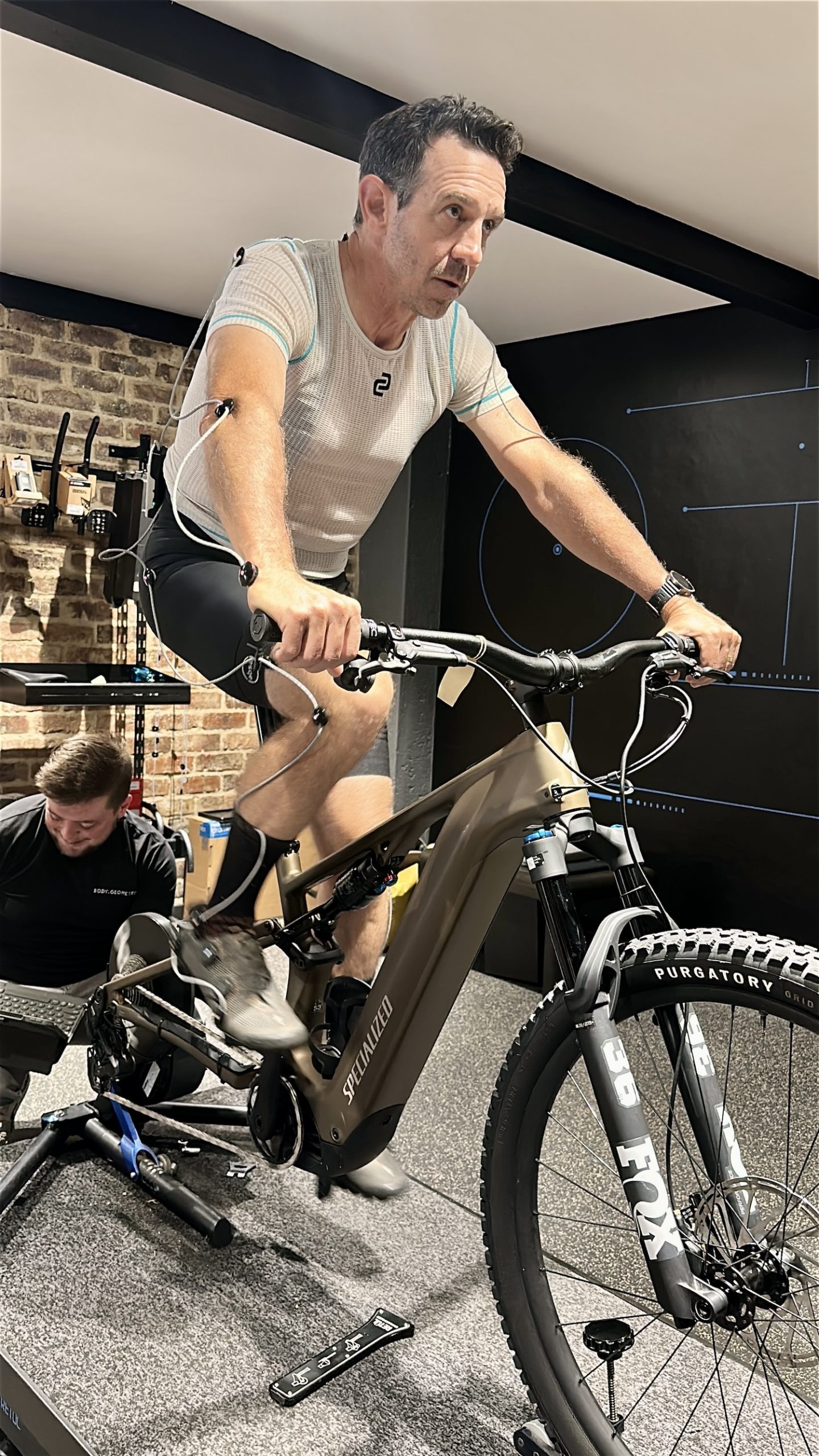
That’s where the Specialized Levo R fits into this chapter.
I wasn’t able to ride it before its launch earlier this year because I was tied up with another project, but we agreed on a longer-term test instead, which has worked out well because it aligns with my return to riding. In many ways, eBikes are exactly what they’re meant to be right now – an enabler. Whether it’s recovery from injury or illness, or simply adapting to a different phase of life, they open doors that might otherwise stay closed.
For me, the goal is straightforward: to complete each stage of sani2c in a time that’s reasonably close to what I’d normally do, but without emptying the tank completely. Anyone who’s done the event knows that the riding is only part of it. The time off the bike – the conversations, the connections, the chance to step away from everyday pressures – is just as much a part of the experience. If you’re completely spent at the end of each stage, you miss out on that.
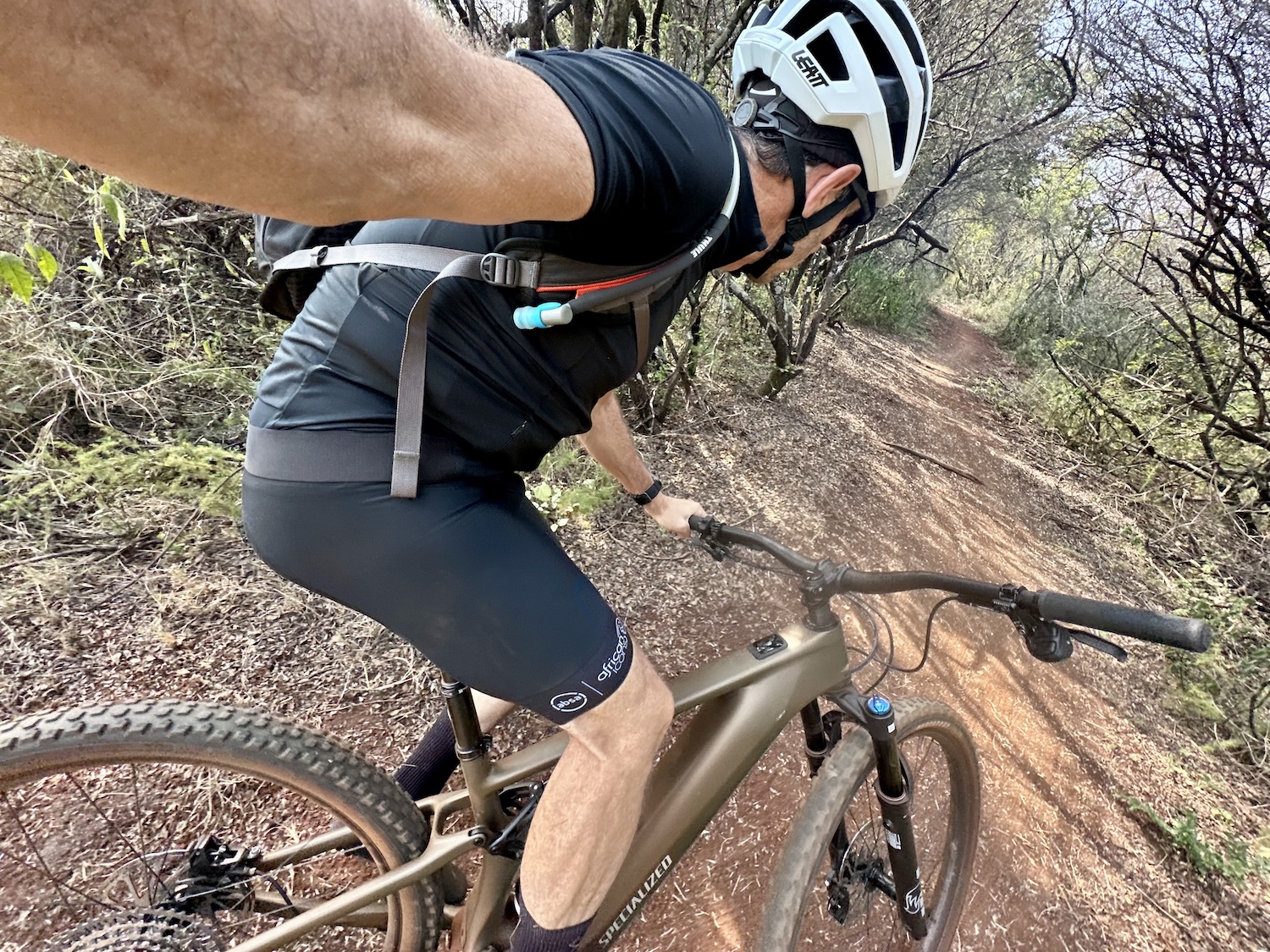
Of course, eBikes bring their own set of challenges. They’re fantastic – right up until the moment the battery runs out, at which point you’re left pedalling what feels like a very expensive anchor.
The Levo R sits right at the sharp end of current eBike tech, with plenty of power, torque and an 800Wh battery, but even that isn’t quite enough to comfortably get through a full sani2c stage. To bridge that gap, I’ve added a 250Wh range extender that fits neatly into the bottle cage. In theory, that combination should be enough, but it’s not something you can take for granted.
After a couple of weeks on the bike, it’s clear there’s no shortage of power. In the past, I’ve tended to ride eBikes in their more aggressive assistance modes – largely because if the power is there, it’s hard not to use it. This time around, though, range management is the bigger priority. I’ve been spending most of my rides in ECO mode and experimenting with AUTO, which adjusts the assistance based on how hard you’re riding. The plan is to rely on those two modes for as long as possible during each stage, only tapping into higher support when it really counts.
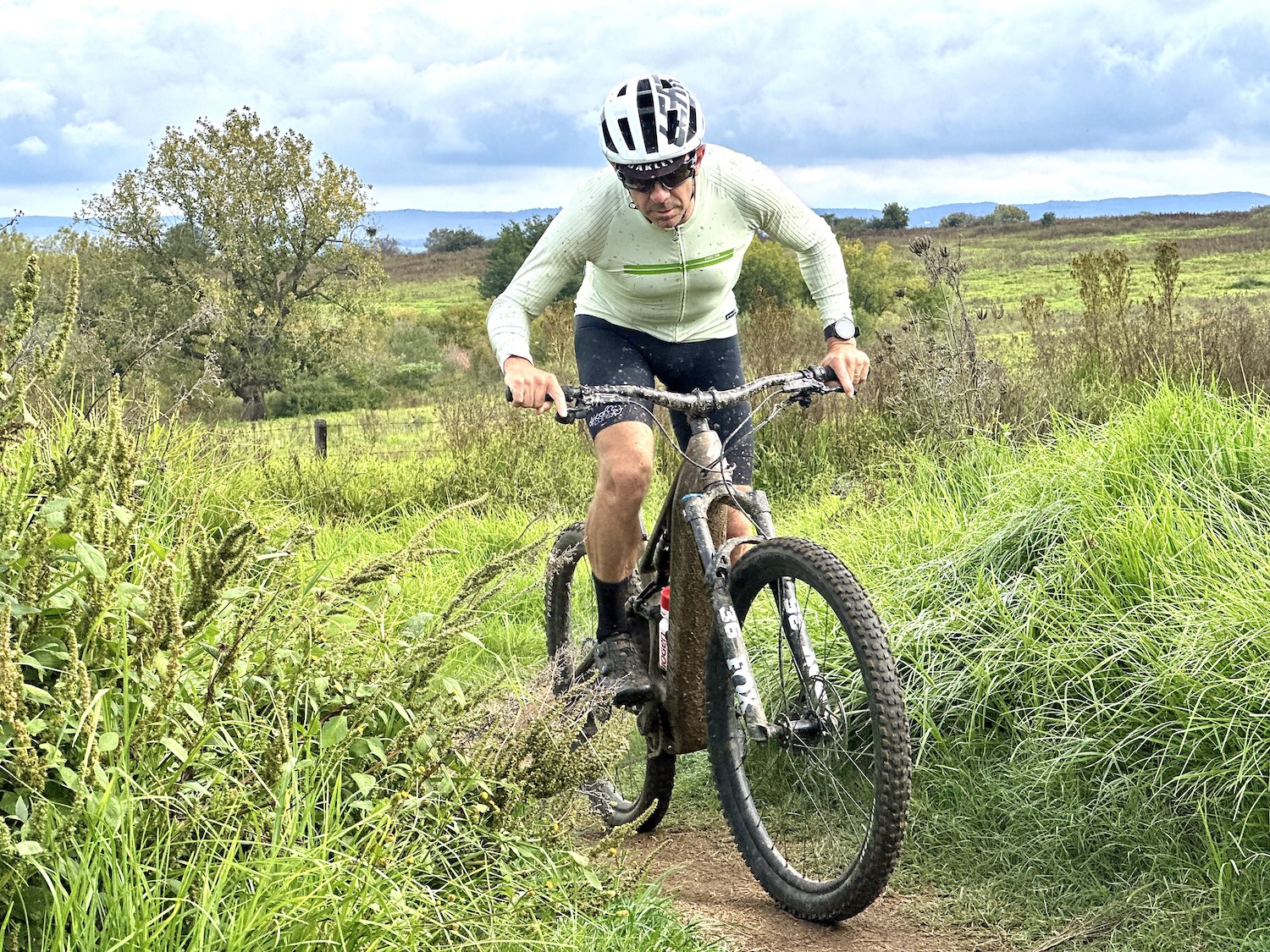
Even with the main battery and extender combined, it’s going to be a balancing act, and that’s part of what makes this year’s sani2c feel like a different kind of challenge.
I’ve been riding mountain bikes in South Africa since 1991, back when proper trails were more concept than reality, so I don’t take good singletrack for granted. If anything, I probably appreciate it more than most. Living in Johannesburg means access to a wide range of trail networks, but not a huge amount of elevation, which is why I still naturally gravitate towards an acoustic bike here. In a more mountainous setting, that preference might well shift.
Regardless of the bike, though, there’s an underlying principle that matters. Respect for the trail and for the riders around you.
No matter where I find myself in the field at sani2c this year, I have no intention of being “that guy” on an eBike – whether that’s on a climb, through singletrack, or anywhere else on the route.
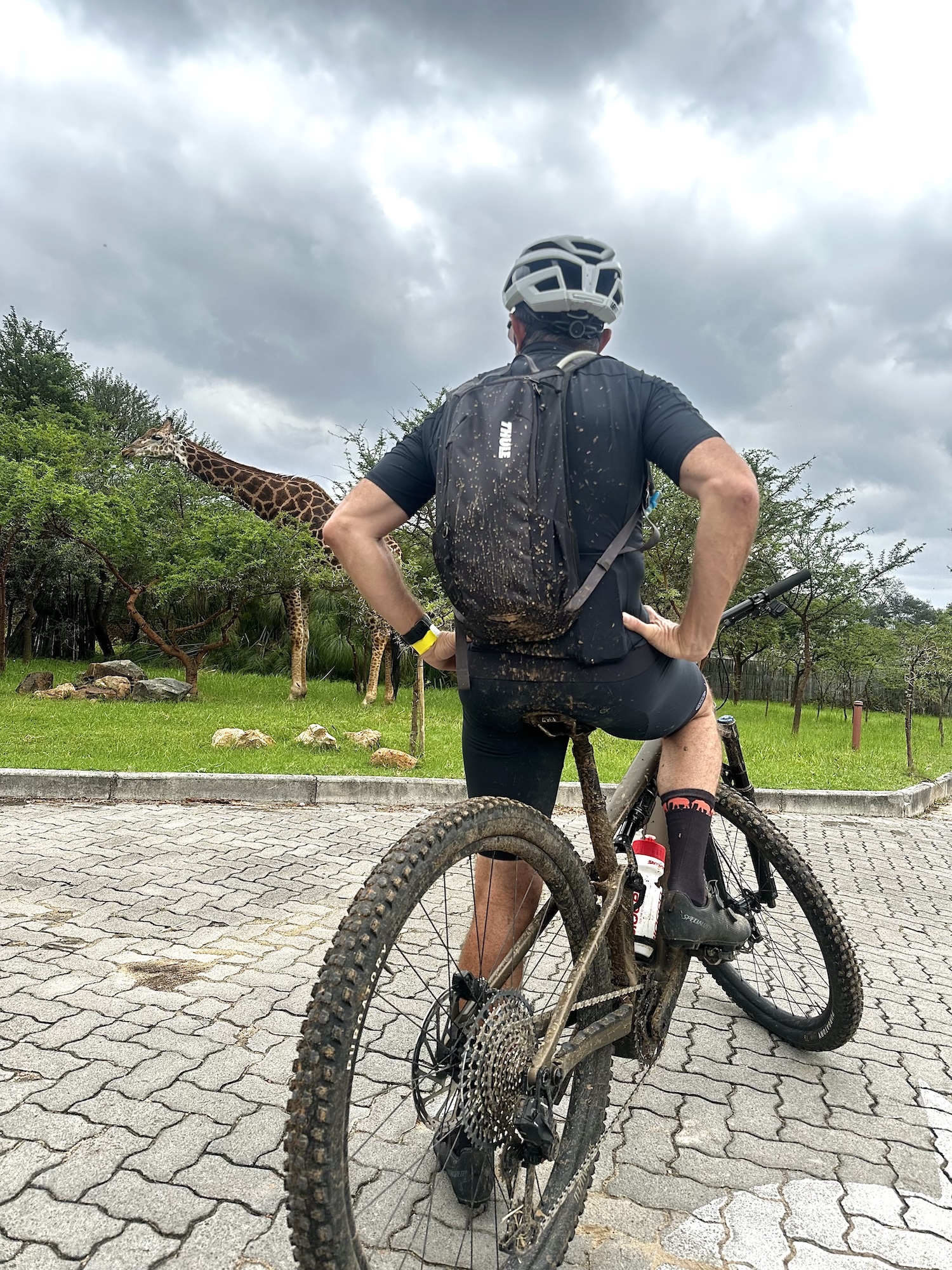
And for anyone else lining up on an eBike, it’s worth keeping in mind that while you absolutely have the right to enjoy the trails at your own pace, the trails themselves don’t belong to you. How you ride them – and how you interact with others on them – still counts for everything.
Sean Badenhorst has been riding acoustic mountain bikes since 1991 and eBikes since 2016. That’s more than a timeline; it’s a hierarchy…

