

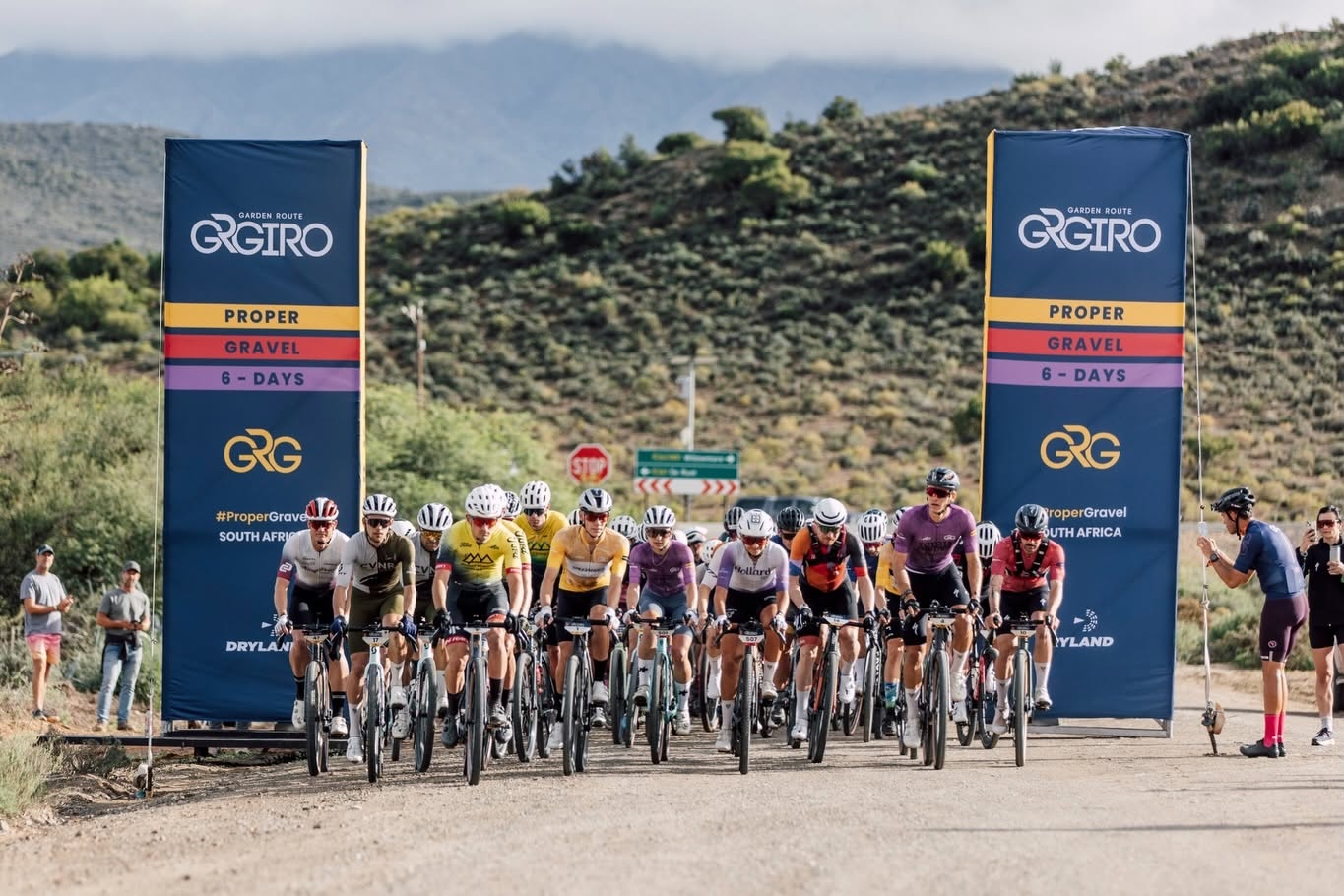
The inaugural Garden Route Giro rolled through the Western Cape in April 2026 and, by most measures, it was a success. Launching a new multi-day cycling event is never easy, especially in the current economic climate, but Dryland Event Management delivered a polished, professional race that immediately established itself as one of South Africa’s premier gravel events. As with any first edition, however, the real value lies in what we learn from it.
By Sean Badenhorst
Gravel racing remains a relatively young discipline. Every new event helps define what works, what doesn’t and, perhaps most importantly, what riders actually want from a gravel race. With six stages spread across some of the most scenic terrain in South Africa, the Garden Route Giro provided plenty of opportunities to gather those lessons.
I followed the event as closely as possible through Instagram updates and the daily YouTube highlight videos, and afterwards spoke to several participants. A few clear conclusions emerged.
GRAVEL RACING SHOULD PRIMARILY BE ON GRAVEL ROADS
That might sound obvious, but not all gravel races get the balance right.
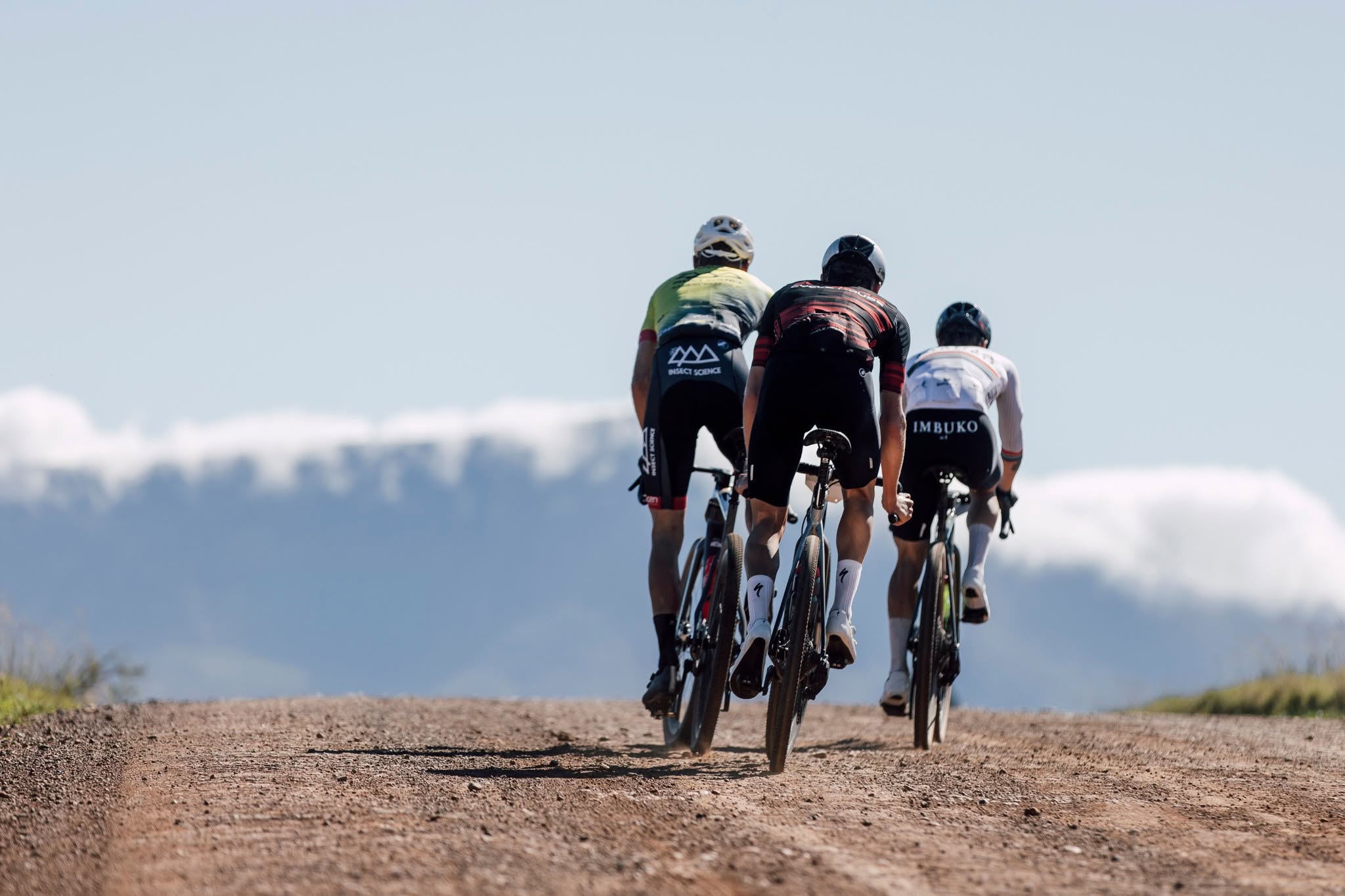
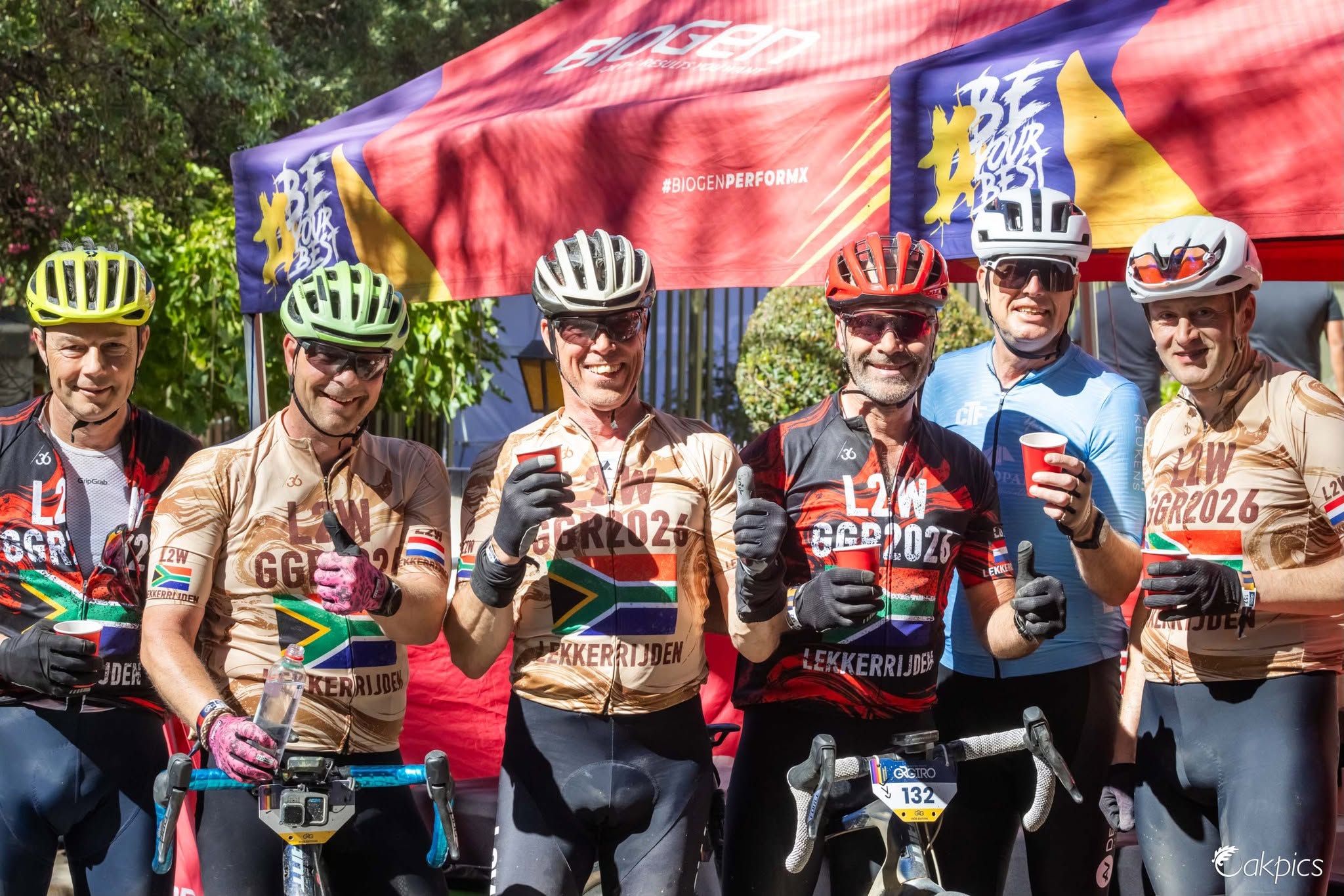
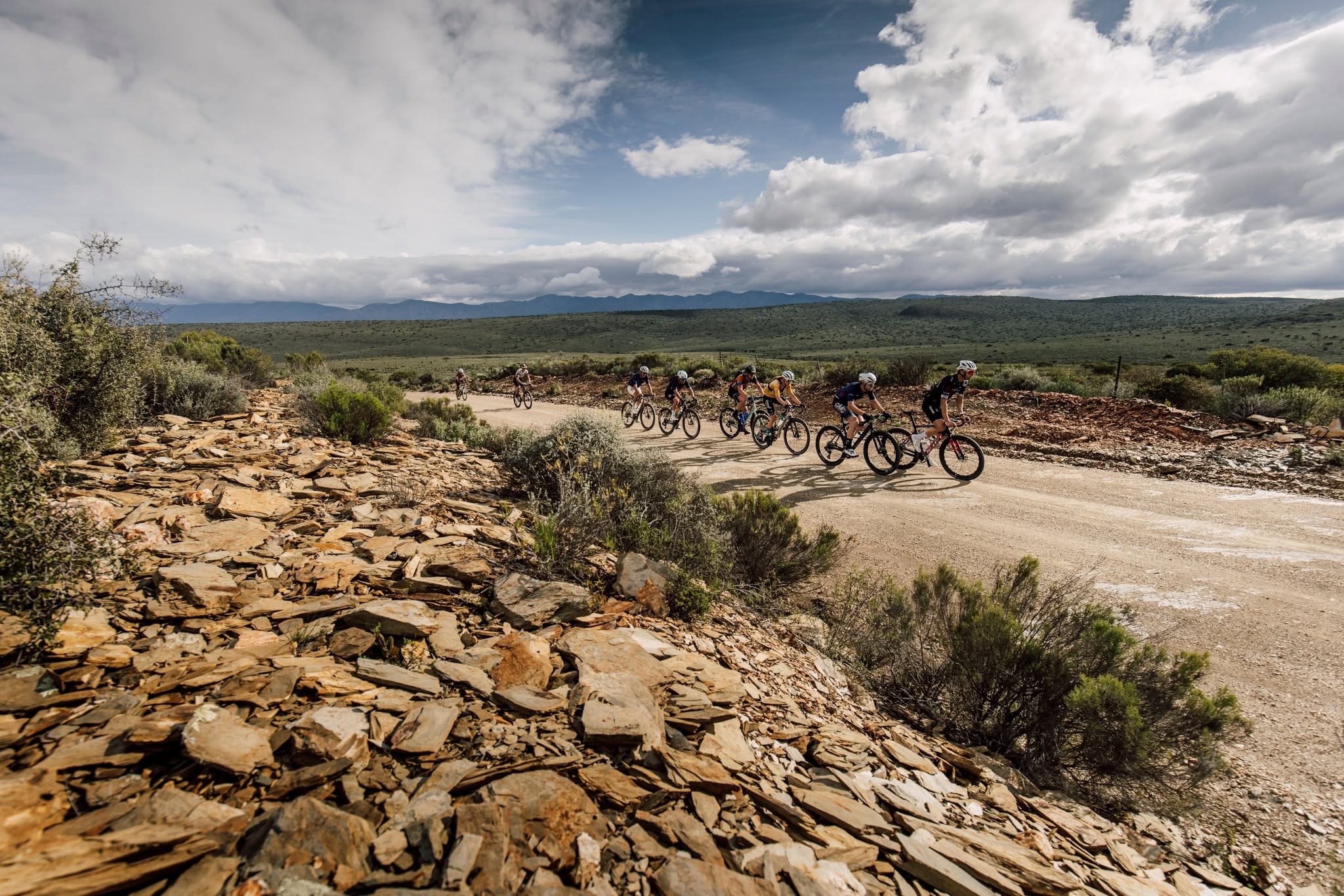
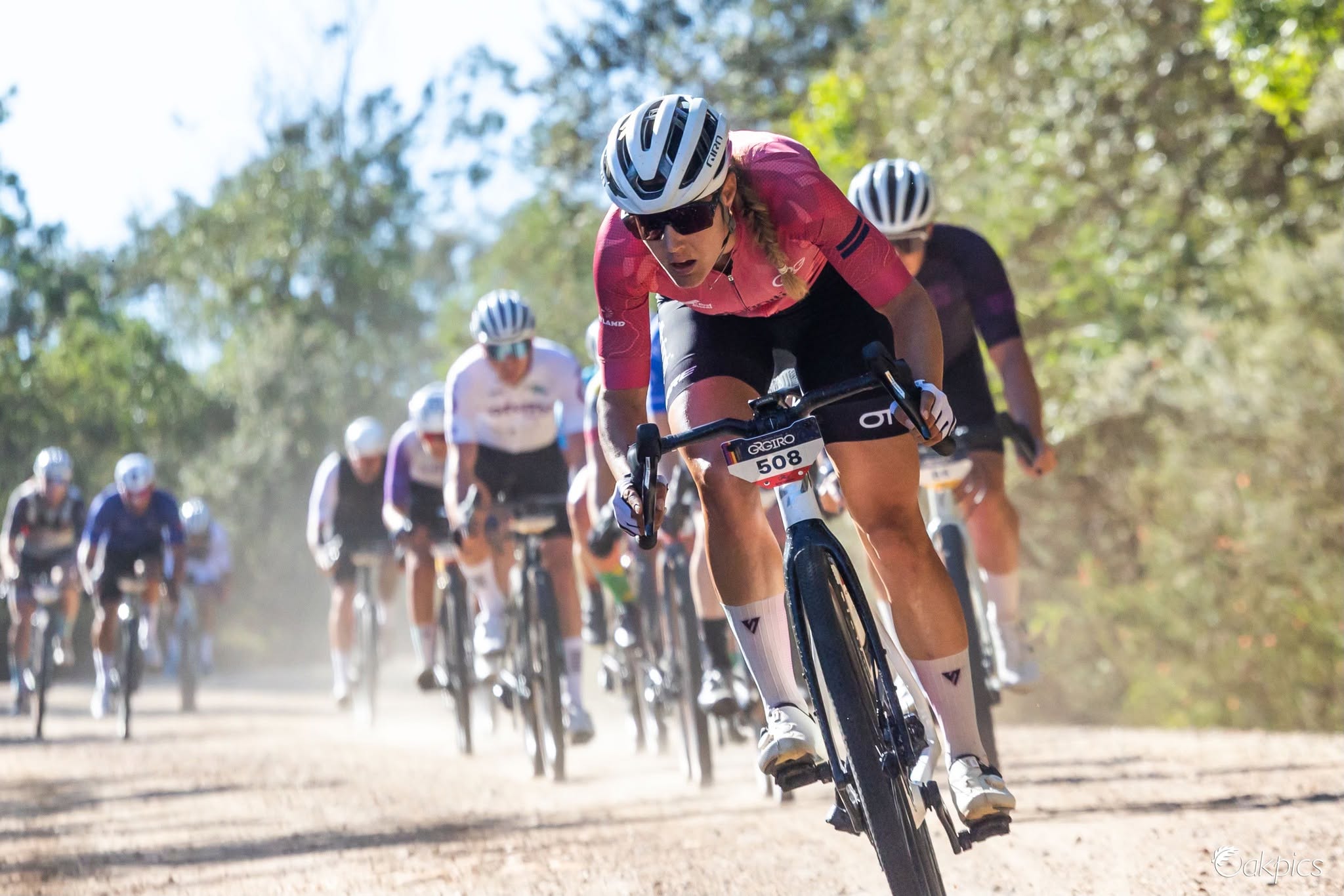
The Garden Route Giro route consisted predominantly of gravel roads, with tar sections generally limited to entering and leaving towns. That proved to be a sensible approach. Riders could focus on racing rather than constantly worrying about destroying tyres or wheels on rough, unpredictable terrain.
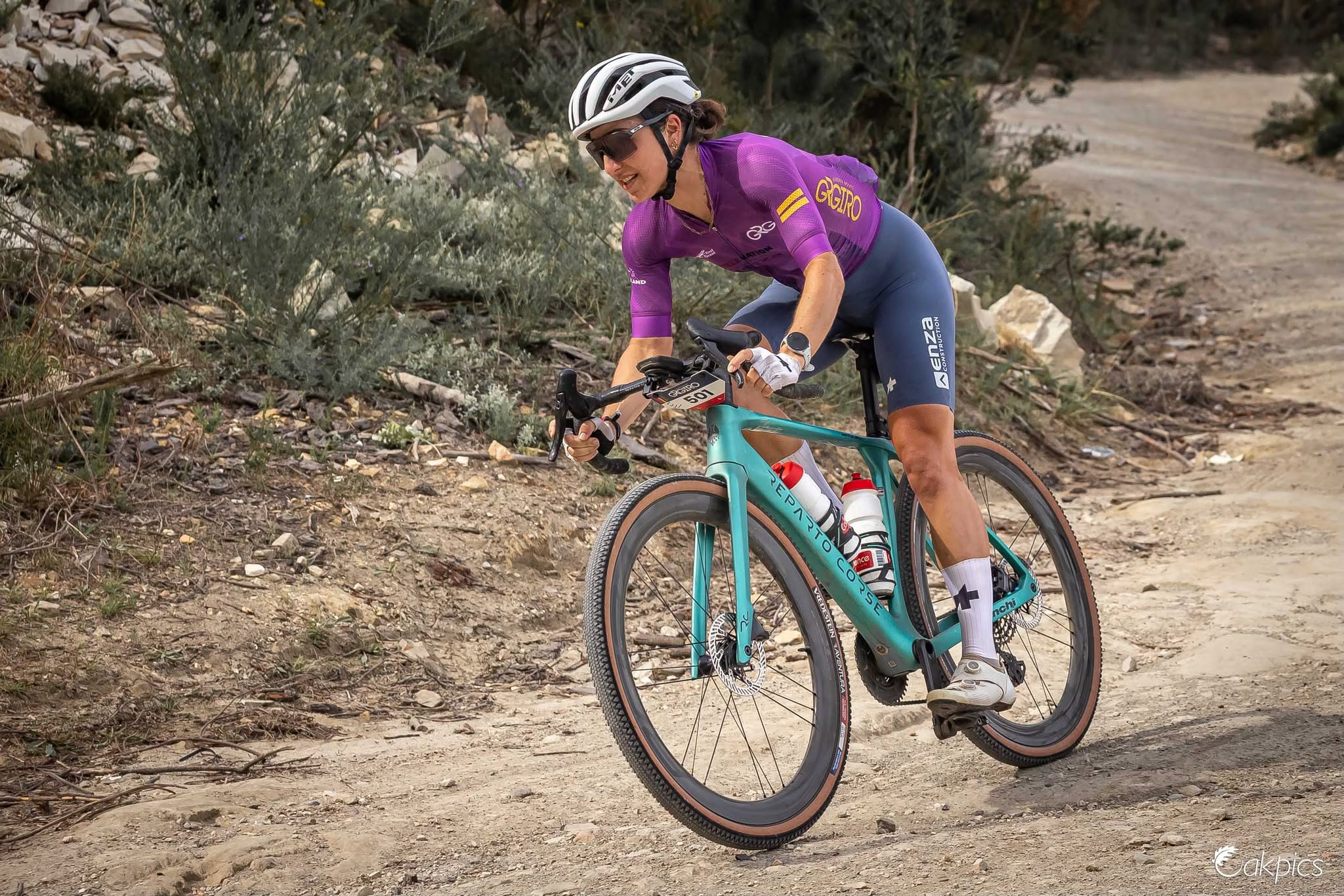
One of the ongoing debates within gravel cycling is how technical a race should be. The reality is that gravel racing sits much closer to road racing than mountain biking. Bunch tactics, drafting and positioning all play a major role, and those elements were evident throughout the Garden Route Giro because the roads allowed them to be.
Most riders would agree that a gravel race should be won by the strongest and smartest competitor, not the luckiest rider who happened to avoid a puncture or wheel failure. Luck will always play some part in cycling, but it shouldn’t become the deciding factor.
GOOD GRAVEL ROADS MATTER
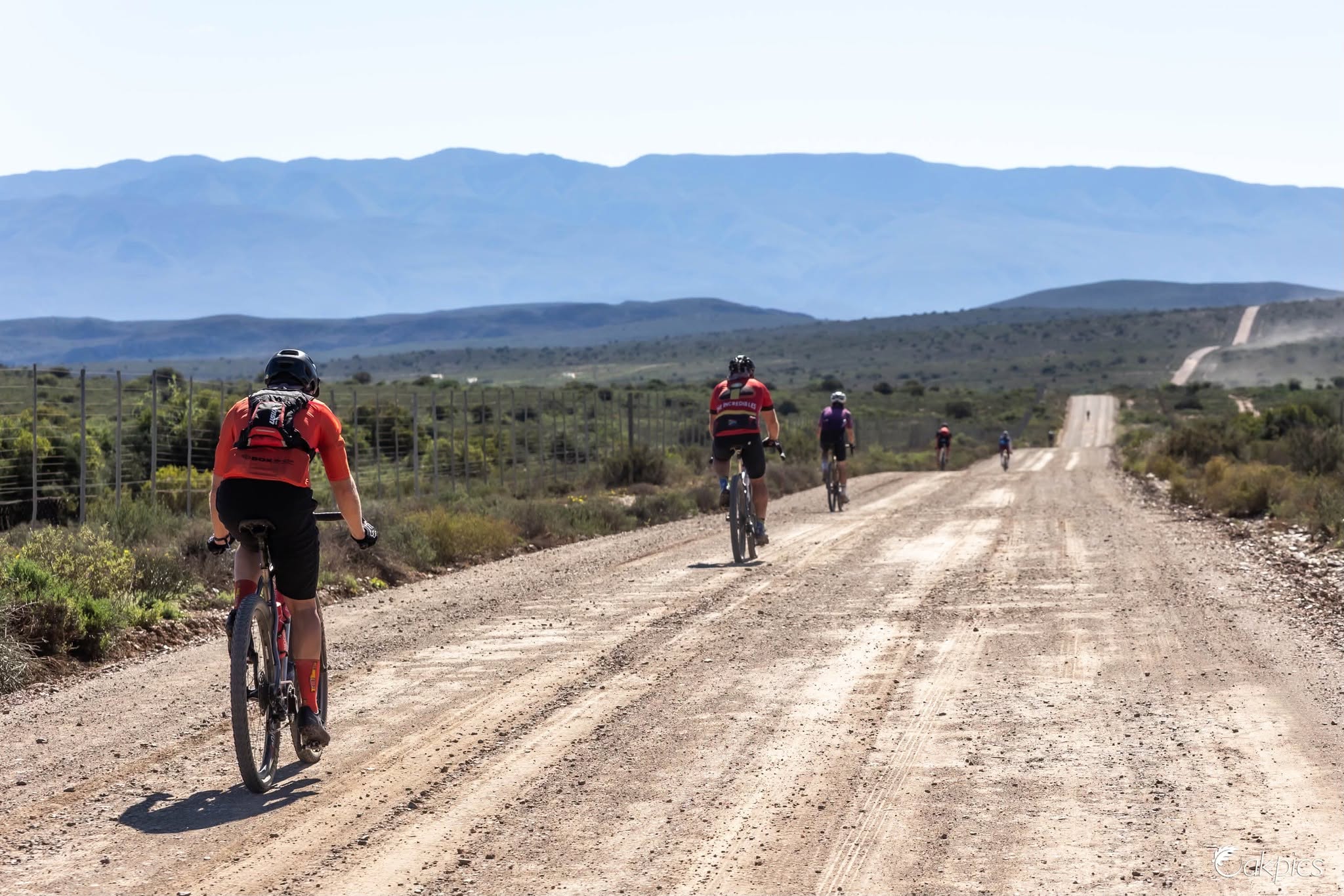
That doesn’t mean every road should resemble a freshly laid highway. Corrugations, loose gravel and occasional ruts are part of the experience and part of the challenge. But if rough surfaces become the norm, riders cannot fully commit physically or mentally to racing in a bunch.
From the feedback I received, the Garden Route Giro largely got this right. There were a few rougher sections on the final two stages, but overall the roads were in good enough condition to encourage genuine racing rather than survival riding.
TOO MUCH CLIMBING CAN HURT THE RACING
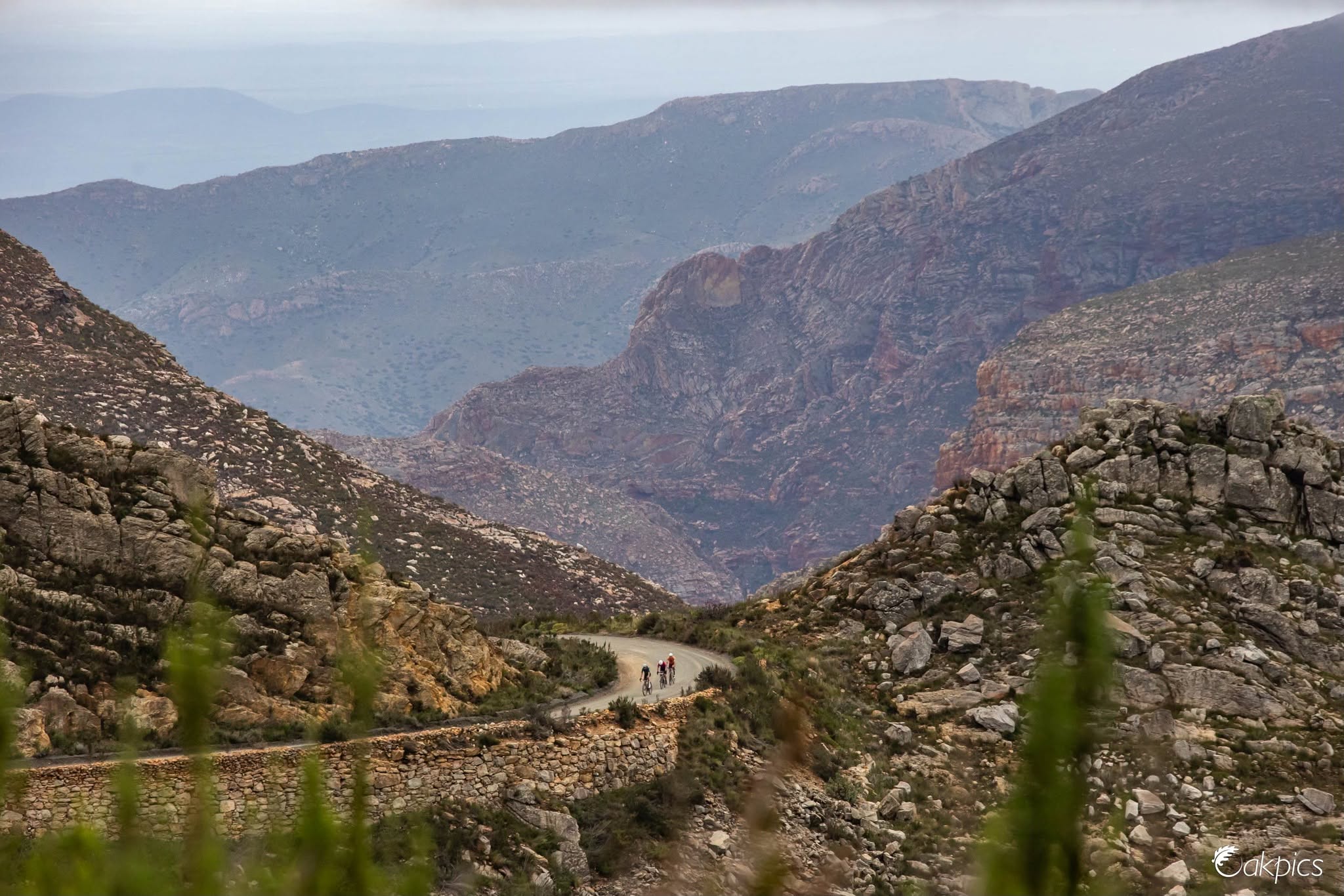
That’s a statement that may raise a few eyebrows, but hear me out. Long climbs create the biggest time gaps in any race. If a stage race features several major ascents, the strongest climbers will inevitably dominate. That’s exactly what happened at the 2026 Garden Route Giro.
Cronje Beukes won five of the six men’s stages and finished with an overall advantage of 8:28. In the women’s race, Mariëlle Trouwborst also won five of the six stages and ultimately secured victory by 16:30.
That takes absolutely nothing away from either rider. They were clearly the strongest competitors in the field. But from a spectator perspective, tighter battles are generally more compelling. Stage races need decisive climbs, but they also need opportunities for rivals to claw back time. Future editions may benefit from finding a slightly different balance.
Of course, that’s exactly why first editions are important. You can only learn these things once the racing unfolds.
GRAVEL RACES DON’T NEED ULTRA-LONG STAGES
Many of the world’s major one-day gravel races have settled around the 100-mile (165km) mark. That’s perfectly appropriate for a standalone event. A stage race is different.
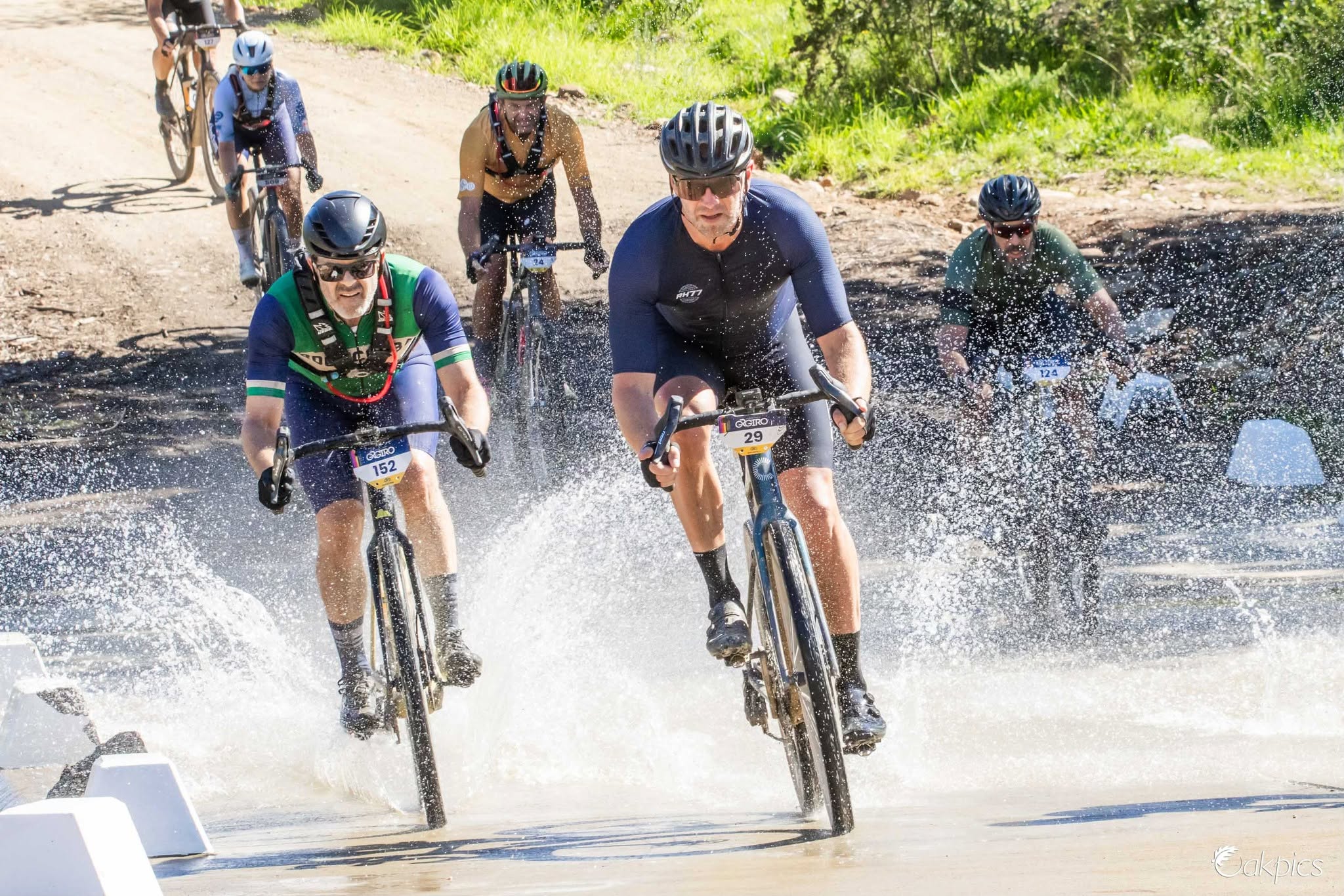
Long stages create larger time gaps among the contenders and place enormous demands on the middle and back sections of the field. Gravel racing is physically demanding in a way that’s different to both road cycling and mountain biking. On a gravel bike, riders feel every corrugation, loose stone, sandy patch and bump.
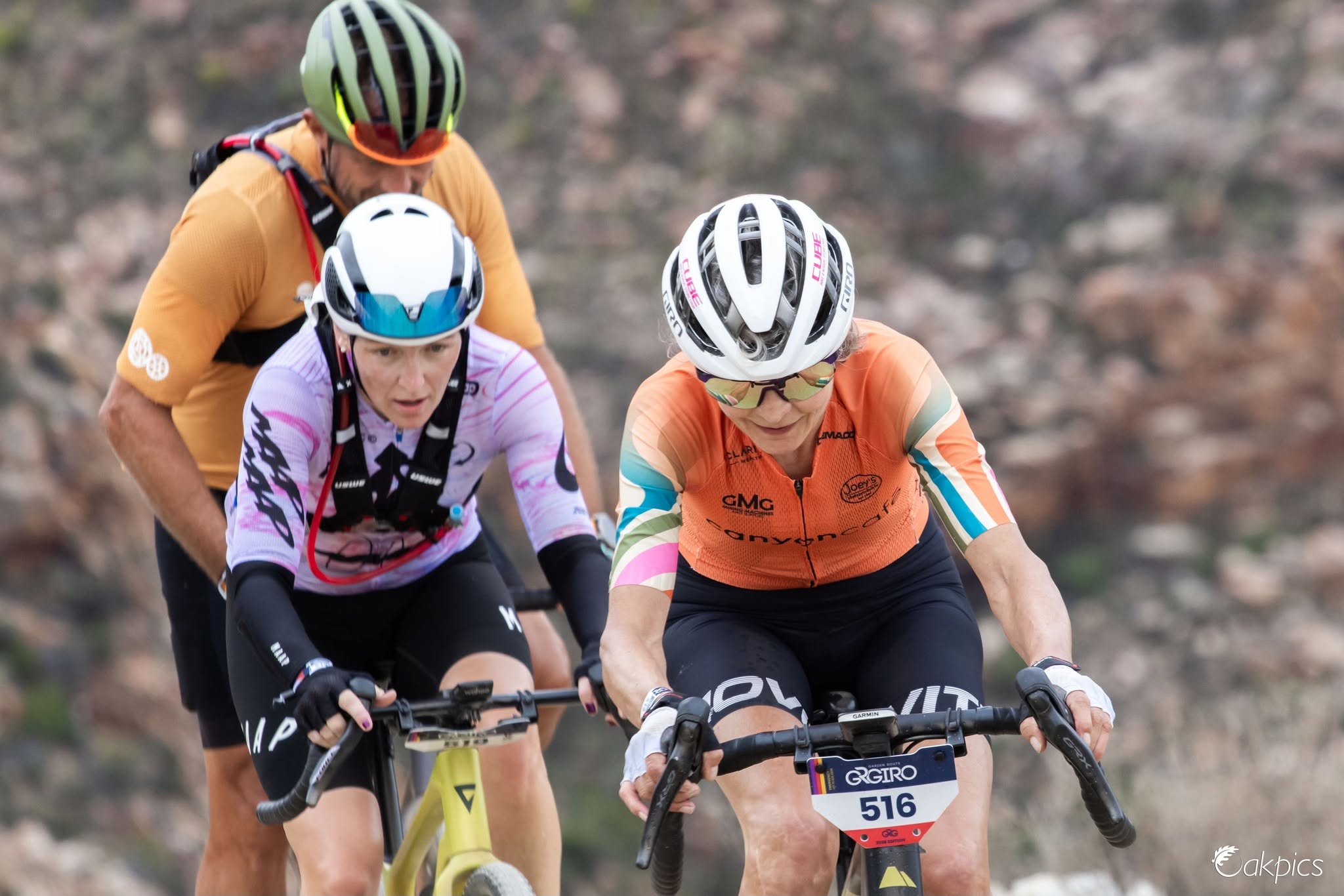
At the Garden Route Giro, riders experienced that reality for six consecutive days.
A 100km gravel stage already presents a substantial challenge. Extending much beyond that, particularly when significant climbing is involved, doesn’t necessarily improve the racing experience for most participants.
SMALL TOWNS ARE PERFECT HOSTS
One of the strongest aspects of the Garden Route Giro was its connection to the towns that hosted it.
South Africa’s best gravel roads are generally found around smaller towns, but there’s another advantage. Small communities genuinely appreciate the economic impact and exposure that major cycling events bring.
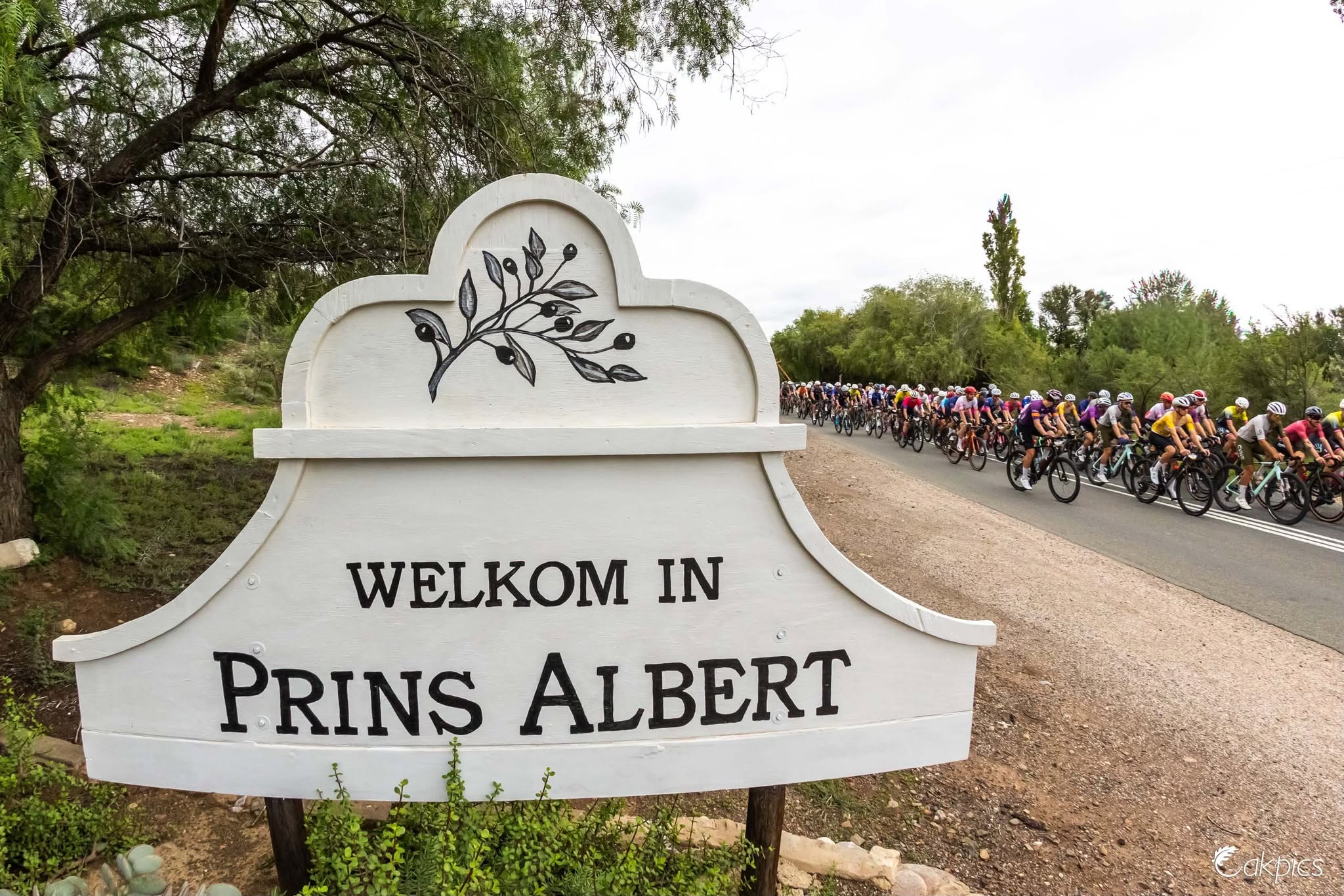
The Garden Route towns embraced the race, and the race showcased them in return. That relationship matters.
Not every province has the infrastructure or tourism ecosystem to support a high-profile cycling event at the same level, but the Garden Route once again demonstrated why it remains one of the country’s premier cycling destinations. The scenery certainly doesn’t hurt either.

SECONDARY COMPETITIONS ADD REAL VALUE
There’s a reason the Tour de France introduced Points and Climbing Classifications all those years ago.
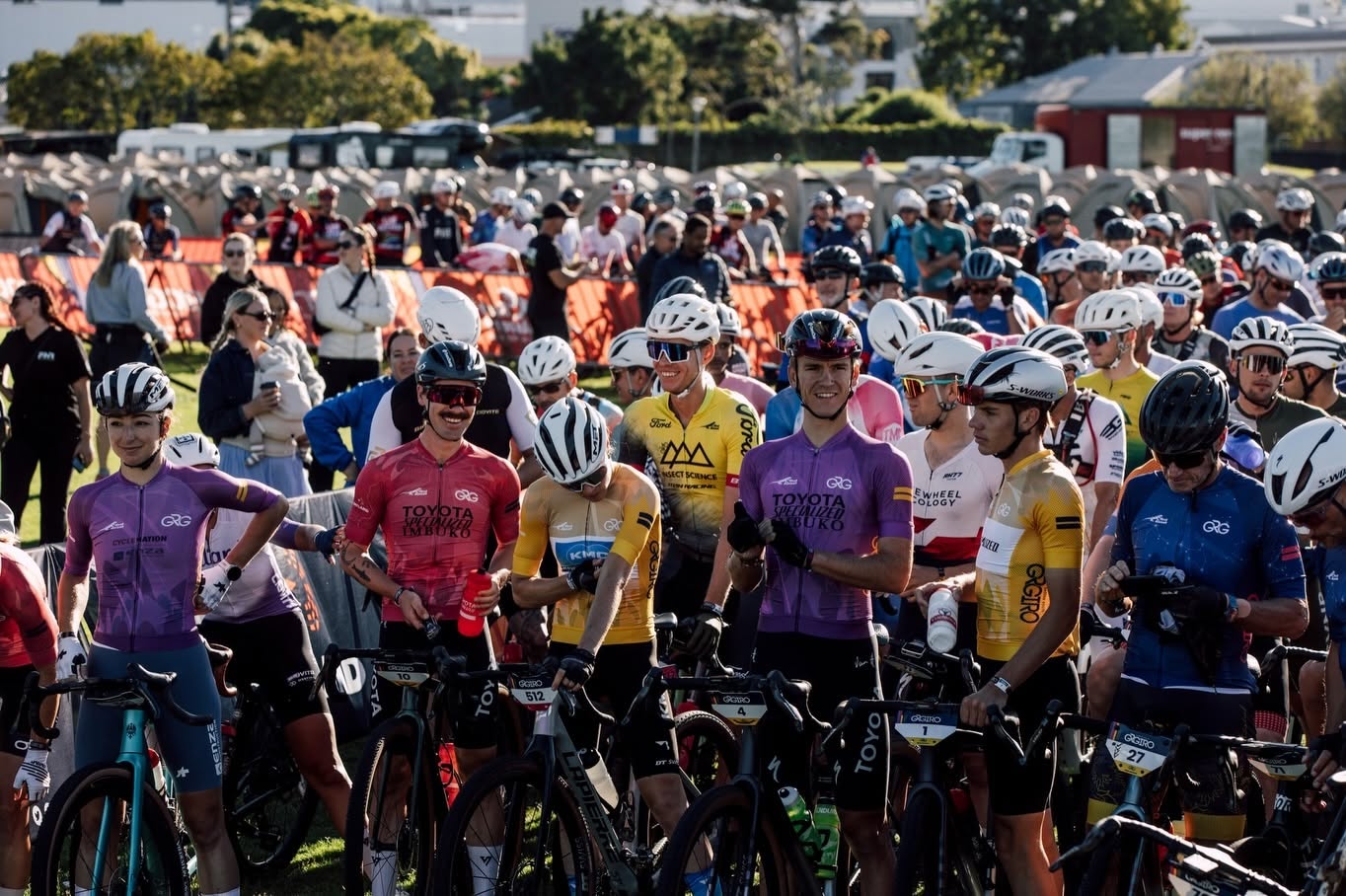
At the Garden Route Giro, the Sprint and Climbing competitions added another layer of interest to the event. While the overall classifications were dominated by Beukes and Trouwborst, the secondary competitions created meaningful battles elsewhere in the field.
Lisa Bone claimed the women’s Points title despite finishing second overall, while Inus du Preez secured the men’s Points competition from seventh place overall. Those storylines matter and help create a richer race experience for riders and spectators alike.
CAMPING ISN’T FOR EVERYONE
One of the more interesting takeaways from the event had nothing to do with racing.
The Garden Route Giro offered a range of accommodation options, from camping through to premium guesthouse and hotel packages. Judging by demand, many riders were happy to pay for comfort.
And that makes sense. If you’re spending R32 950 on an entry fee and taking a full week away from work and family commitments, chances are you can afford a proper accommodation at the end of each stage.
Gravel racing is tough enough. Most riders don’t want their recovery time to be equally challenging. The fact that the most expensive accommodation packages for 2027 have already sold out tells its own story.

A STRONG FOUNDATION FOR THE FUTURE
The inaugural Garden Route Giro attracted 183 entries, with 170 riders starting and 156 completing all six stages.
That represents a dropout rate of just 8.24%, which is impressively low for a demanding week-long gravel event. Ultimately, riders want to finish the races they enter, and that statistic suggests the organisers found a sensible balance between challenge and completion.
The event was staged without a title sponsor, which is not unusual for a first-year race. Credit must go to Dryland Event Management for delivering a professional event while also offering a meaningful prize purse for the elite competitors.
The media coverage was particularly impressive. Too many events underestimate the importance of storytelling and visibility. If you want to be regarded as a world-class event, investing in quality media coverage isn’t optional; it’s essential.
Launching a new stage race during a period of economic uncertainty, political instability and an ongoing recovery within the global cycling industry was undoubtedly a bold move. But meaningful success rarely comes without risk.
Based on what we saw from the first edition, the Garden Route Giro appears to have laid a very solid foundation. There will undoubtedly be refinements and adjustments in the years ahead, but the signs are encouraging. South Africa appears to have gained another world-class cycling event.

