
We went through this around 2009-2011 with 29-inch wheels. And despite significant energy being spent on resistance by many, 29-inch wheels upstaged 26-inch wheels and became the norm. Now 32-inch wheels are a thing. Will they become the norm? Hard to tell right now, but this is what I can tell you.
By Sean Badenhorst
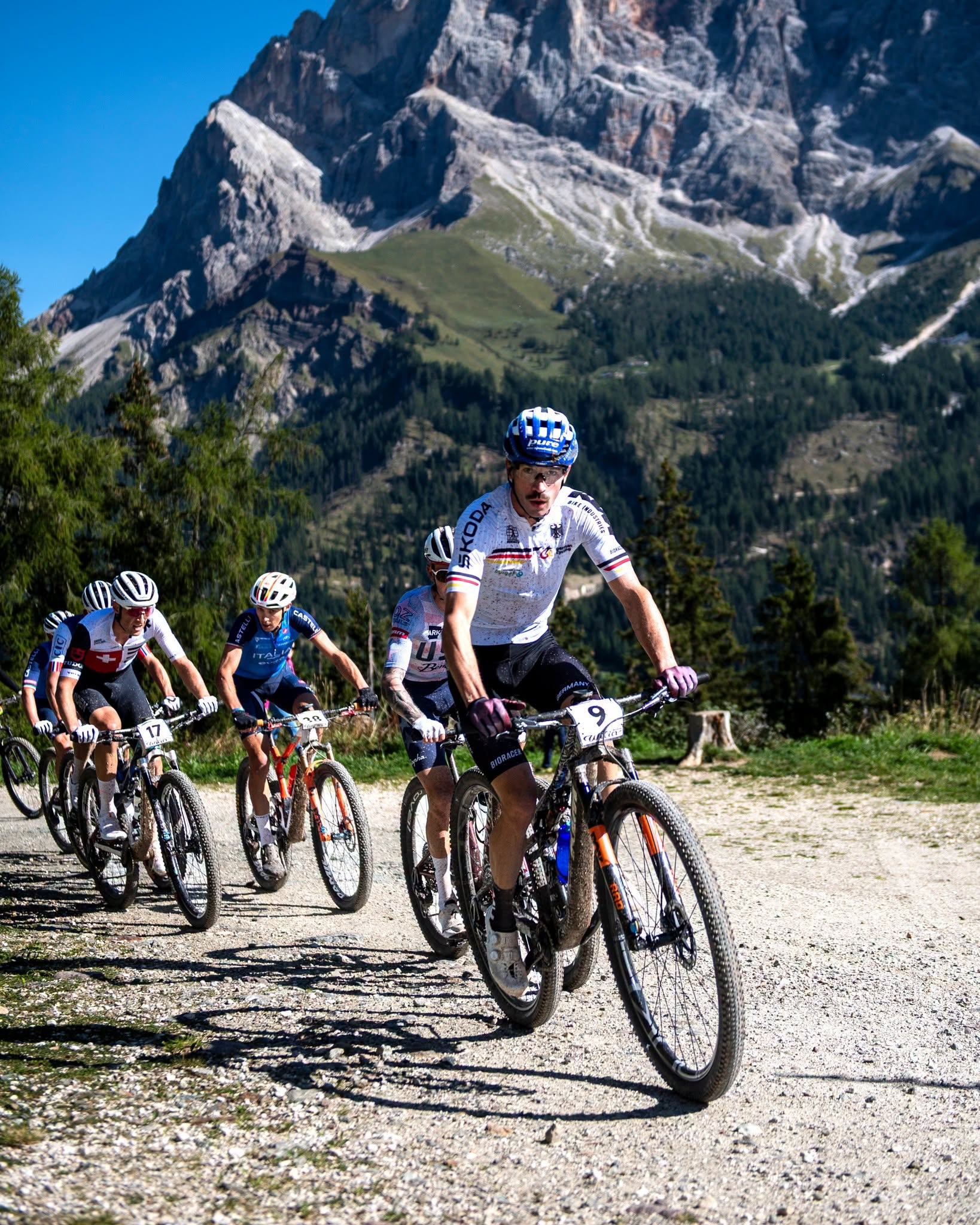
Germany’s Andreas Seewald won the UCI Marathon World Championship on a prototype 32-inch KTM Scarp in Italy last weekend. He didn’t just win, either. He won by more than three minutes – 3:12, to be precise.
Three minutes may seem like a moderate winning margin in a race at medium altitude, where the route ranged from 888m to 1639m above sea level, but Seewald’s dominance was more significant than the final result suggests. At one stage, he had a lead of almost six minutes over a chasing trio of Italians, and obviously much more over the rest of the field, which included 2026 Absa Cape Epic winner Tristan Nortje and defending World Champion Keegan Swenson.
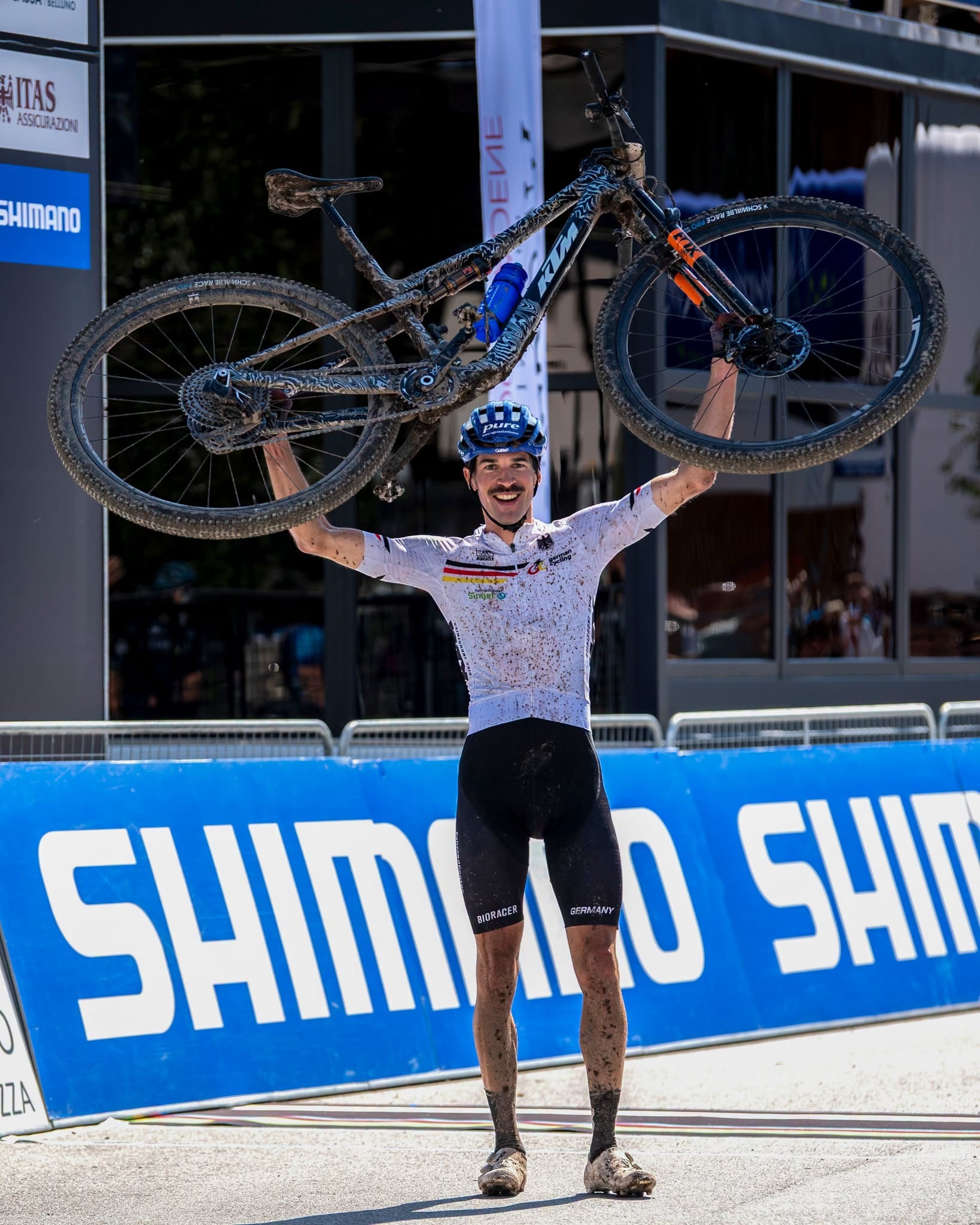
The course was 95km long with 3850m of ascent, combining brutal climbs with technical, rugged descents, all of which Seewald was able to conquer with confidence. It should also be noted that he spent a month preparing specifically for this race at 3000-4000m altitude in Colorado. He is also the 2021 Marathon World Champion, so he is a class act with plenty of experience. In other words, his dominant performance wasn’t all about the bike…
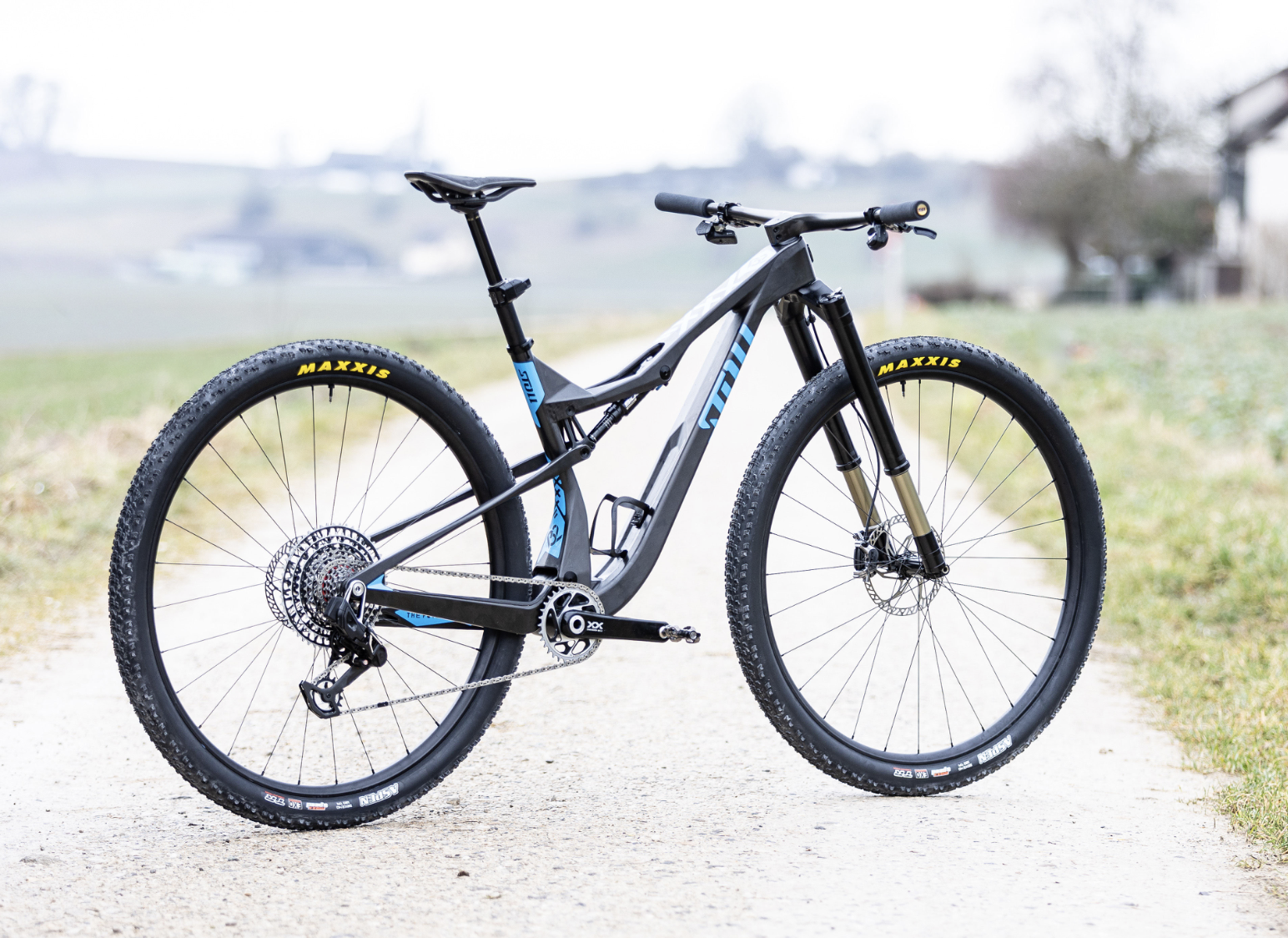
Also last weekend, South African Marathon Champion Mark Pritzen won the Ford Trailseeker Marathon in Wellington on a 32-inch-wheel Stoll. He did so by outsprinting XCO World Cup Series racer Luke Moir. Both are world-class mountain bike racers, but Moir, as an XCO specialist, would normally be the rider you’d put your money on in a two-man sprint.
Are we witnessing the beginning of another wheel-size revolution? We’ve been here before.
I recall my first ride on a 29-inch mountain bike. It was a Gary Fisher hardtail at Logwood Bike Ranch near Johannesburg in 2004, and it was a combination of swift and cumbersome. It was considered something of a freak bike at the time, but it had potential – and physics – on its side.
Only five years later were 29ers beginning to nudge their way into the mainstream bike industry. Better geometry, improved suspension-fork design and greater commitment from tyre brands made them far less cumbersome in the tight stuff while allowing them to be faster everywhere else.
Interestingly, the late Burry Stander had a big impact on mainstream 29er adoption. In his second year with Specialized Factory Racing, in 2010, he was racing Specialized’s first 29er hardtail. I got a close-up look at the bike during a ride I did with Burry at Holla Trails in Ballito, just before he headed to the US for that year’s Sea Otter Classic.
“Twenty Niners are the future. They’re just better in every aspect of racing,” Burry told me with utmost conviction.
A couple of weeks later, Burry won the Sea Otter Classic Elite Men’s XCO race on that 29er.
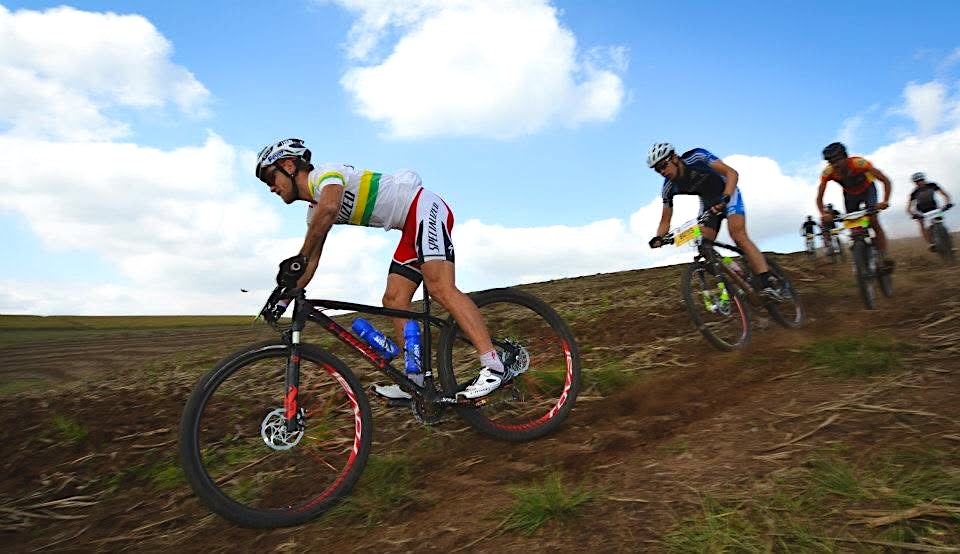
He continued to race that year on the 29er hardtail against a mix of full-suspension and hardtail 26-inch bikes. He finished third at the XCO World Cup race at Dalby Forest in England, just behind Nino Schurter and Julien Absalon, the two greatest XCO racers in history. It was confirmation that the bigger wheels were indeed capable at the highest level.
That same year, Burry won the South African Elite Men’s XCO Champs title in Pretoria by 10 minutes. He also finished third at the Marathon World Championships in Germany and third in the Elite Men’s XCO World Championships in Canada – the only rider in the field on a 29er.
The only other top international riders racing on 29ers in 2010 were Stander’s Specialized Factory Racing teammates Todd Wells and Christoph Sauser, and Belgium’s Cannondale racer Raul Paulissen. None, however, showed the same level of season-long commitment to the bigger wheels as Stander.
By 2011, more riders were on 29ers as brands began revealing their first production versions. Stander and Sauser claimed that year’s Absa Cape Epic title on Specialized Epic full-suspension 29ers, and by 2012, 29ers were in the majority of bikes at the world’s biggest races.
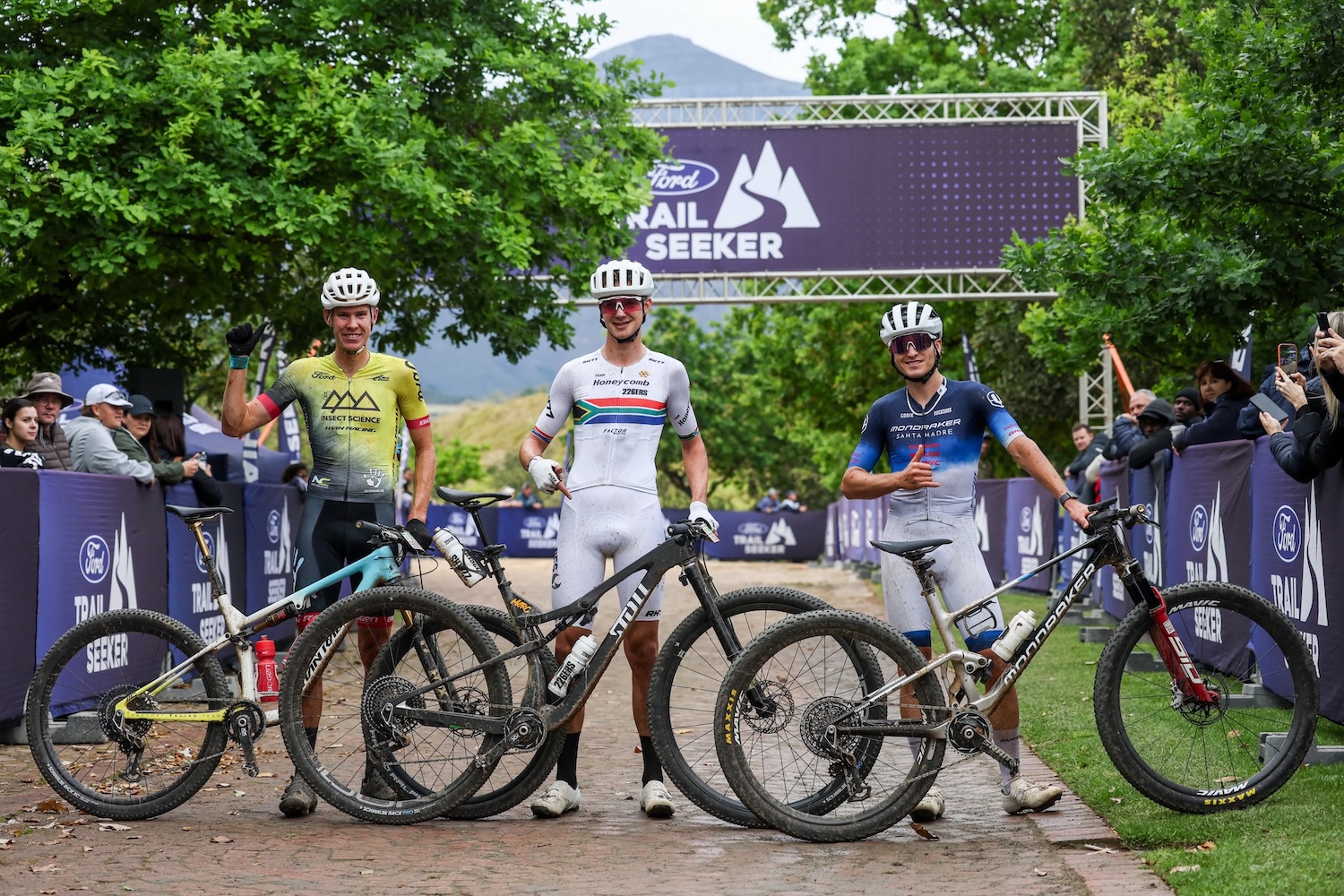
Only when 29-inch-wheeled bikes started winning major races did the resistance begin to crumble and attitudes start to shift. You can bet the same will apply to 32-inch-wheeled mountain bikes.
The fact that the bicycle industry has already played out this wheel-size saga gives rise to similar sentiments about 32-inch wheels.
Personally, I am a fan of progress and, because I get to test ride bikes for a living, I was able to get on 29ers quickly and regularly during Twenty-niner-gate in 2010/2011. I’d noticed the potential on that very first Gary Fisher 29er ride in 2004, but I was suitably convinced by 2010. Most of those who led a vocal resistance to 29ers hadn’t actually ridden one yet.
With 32ers, I’m being more cautious. Until I have ridden one, I cannot give my verdict.
My opinion so far is that they may be best suited to taller riders in longer races, such as marathons and ultra-marathons. I am 172cm and ride a size Medium mountain bike. I will need some personal experience on a 32-inch wheeled bike before I can say if it’s a bike suited to people like me.
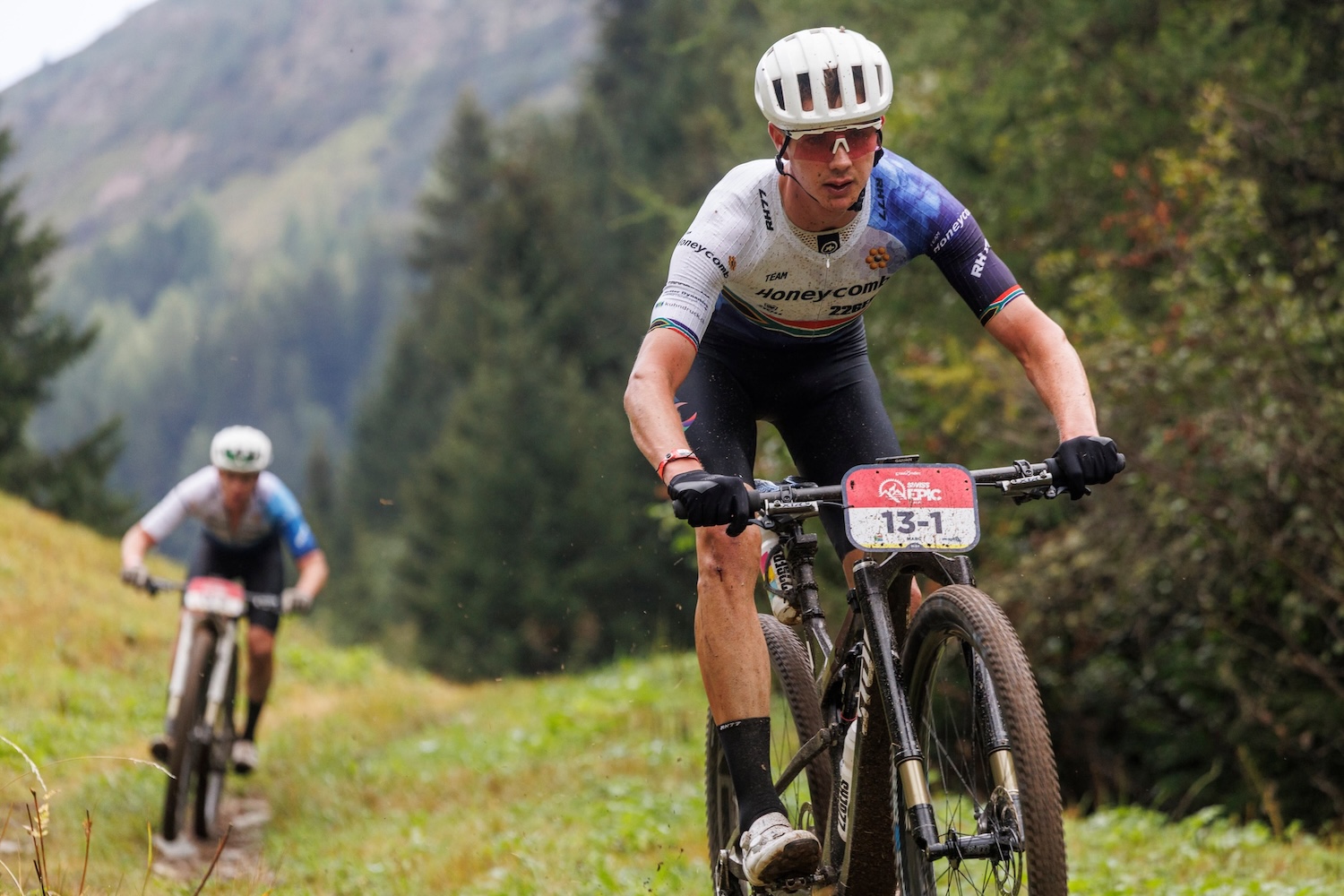
Both Pritzen (191cm) and Seewald (180cm) are relatively tall. Pritzen’s Honeycomb 226ERS teammate Felix Stelhi (181cm) also races on a Stoll 32er and won stages at the Absa Cape Epic and Swiss Epic this year, both partnered with Pritzen. It’s not yet worldwide, but 32-inch wheel bikes have started winning endurance mountain bike races…
Thömus, BMC and Cube have also dipped their 32-inch toe into XCO World Cup waters this season. In the bigger picture, Thömus, BMC, Cube, KTM and Stoll are not first-tier bike brands. And that’s really been the story of 32ers so far. The wheel size isn’t that new, it’s just not yet mainstream. DirtySixer Bikes has been making custom bikes for very tall riders with this wheel size – and even 36 inches – for a few years now.
While the first-tier brands are only now starting to show their 32ers at the XCO World Cup Series, they have been working on them for some time. I know for certain that Nino Schurter was testing a SCOTT Spark 32er in Jonkershoek in December 2024. TREK staff have also revealed several times in interviews that the brand has been working on a 32-inch-wheel mountain bike for a good couple of years.
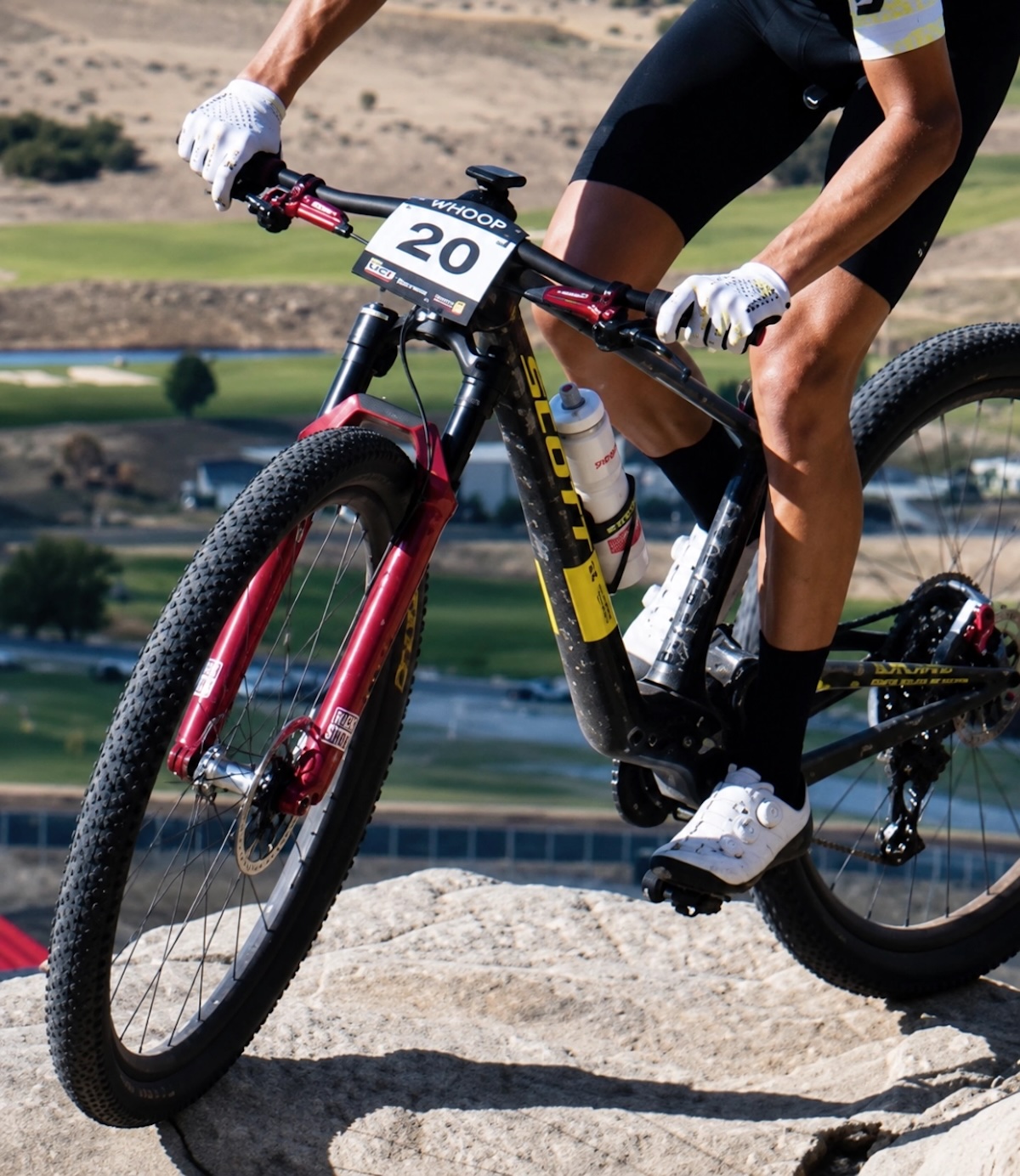
When Specialized South Africa contacted me in January this year and invited me to test ride their new mountain bike in February, I assumed it was a 32-inch Epic. It wasn’t – it was the Levo R – but I wasn’t far off timing wise, and I expect a 32er Epic will be launched in the next few months.
When Thömus Maxon team riders Alessandra Keller and Matthias Fluckiger raced on Thömus 32-inch bikes at the Lenzerheide World Cup in June this year, neither produced a significantly impressive or even improved result. But it’s hard to tell much from a single XCO race, which is less than 90 minutes in duration. And it is XCO racing that I believe will ultimately be decisive when it comes to this larger wheel size.
If racers on 32-inch bikes start winning XCO races, with their technical, steep and feature-packed courses, the first-tier brands will go really big with 32-inch-wheel bikes.
If they don’t make an obvious performance difference at World Cup XCO races, they will still be delivered to the market, but with more of a focus on endurance-style racing. Yes another mountain bike sub-category…
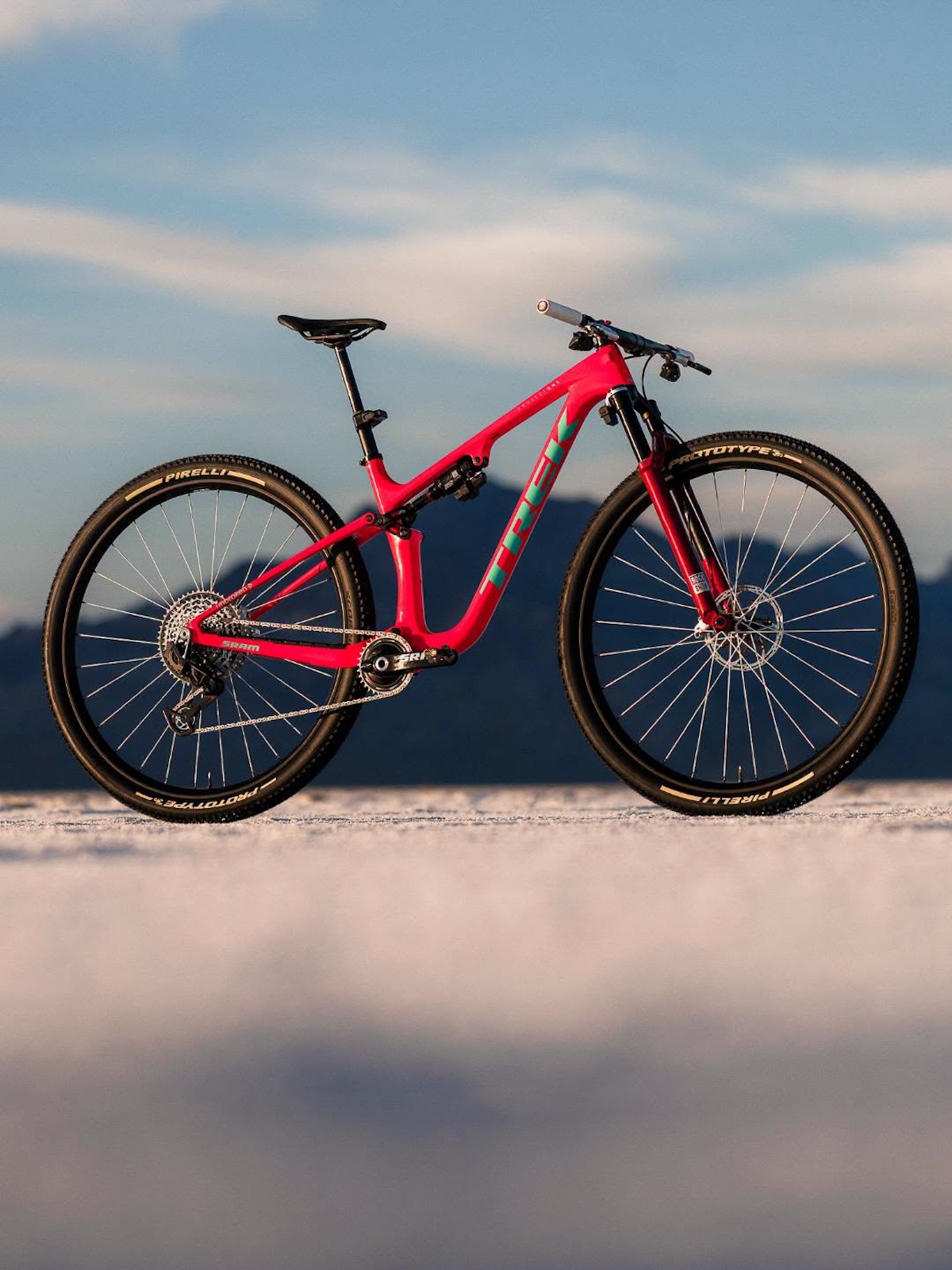
The big brands wouldn’t have come this far to only come this far. They will have done independent testing comparing 32 to 29 in a range of conditions before committing to this bigger wheel size.
On a Velo podcast I listened to this week, John Karrasch explained that he has done hundreds of non-scientific tests comparing 32 to 29 mountain bike wheels and says that at 30kph, the bigger wheels offer a watts benefit ranging from 7% on tar to 21% on singletrack, and even greater on wet terrain. Those are not insignificant numbers.
The fact that XCO racers only ever go over 20kph on long, non-technical descents indicates that they will likely enjoy some benefit from a 32-inch wheel, but will it be enough? We will see over the next couple of weeks, as both TREK and SCOTT have thrown 32-inch bikes into the mix at the last two rounds of the 2026 XCO World Cup Series (see reports from BrujulaBike.com here.)
Personally, I can’t see the bigger wheels being noticeably faster in XCO racing. I could still be proven wrong. But I can see them being notably faster in marathons and stage races. And I’m prepared to bet that the 2027 Absa Cape Epic will be won on 32-inch bikes…
Sean Badenhorst, TREAD Media co-founder and editor, has been riding and writing about mountain bikes since 1991. He loves 29-inch wheels but will accept 32ers if they make him go faster…
SOUTH AFRICAN TEAM WINS ON 32-INCH BIKES, MAKES EPIC SERIES HISTORY

