
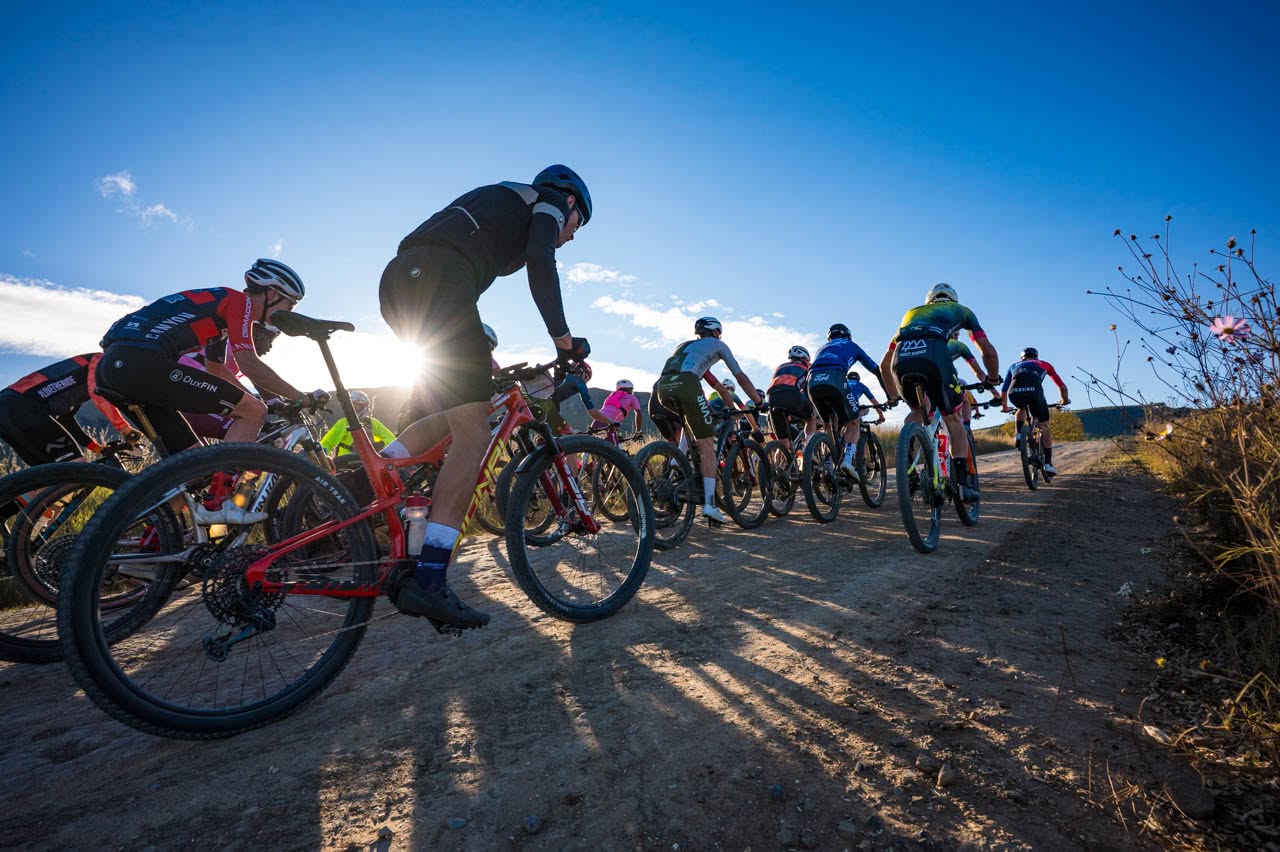
The latest South African Mountain Biking Survey reveals a growing older-rider presence, but there are encouraging signs that the next generation is coming through. The bigger question is whether or not they stay.
Compiled by Sean Badenhorst
Mountain biking has always been a sport that rewards longevity. Unlike some sporting pursuits, there is no obvious age at which a rider has to stop, and the combination of fitness, technical skill, adventure and social connection can keep people riding well into their sixties and beyond. And with the option of eBikes, this mountain biking lifestyle can be extended even longer…
But the latest TREAD South African Mountain Biking Survey, presented by Garmin, raises an important question for the industry: is the local mountain biking market getting older because riders are staying in the sport for longer, or because fewer young adults are coming through? Or both?
The survey’s age profile suggests that the shift is significant. Comparing responses from 2020 and 2025, the proportion of respondents aged 50 and older increased from 33.99% to 50.08%. In other words, more than half of the 2025 respondents were at least 50 years old.
That is a substantial change in five years. But the data also contains some encouraging signs for the future of the sport, particularly among school-age riders.
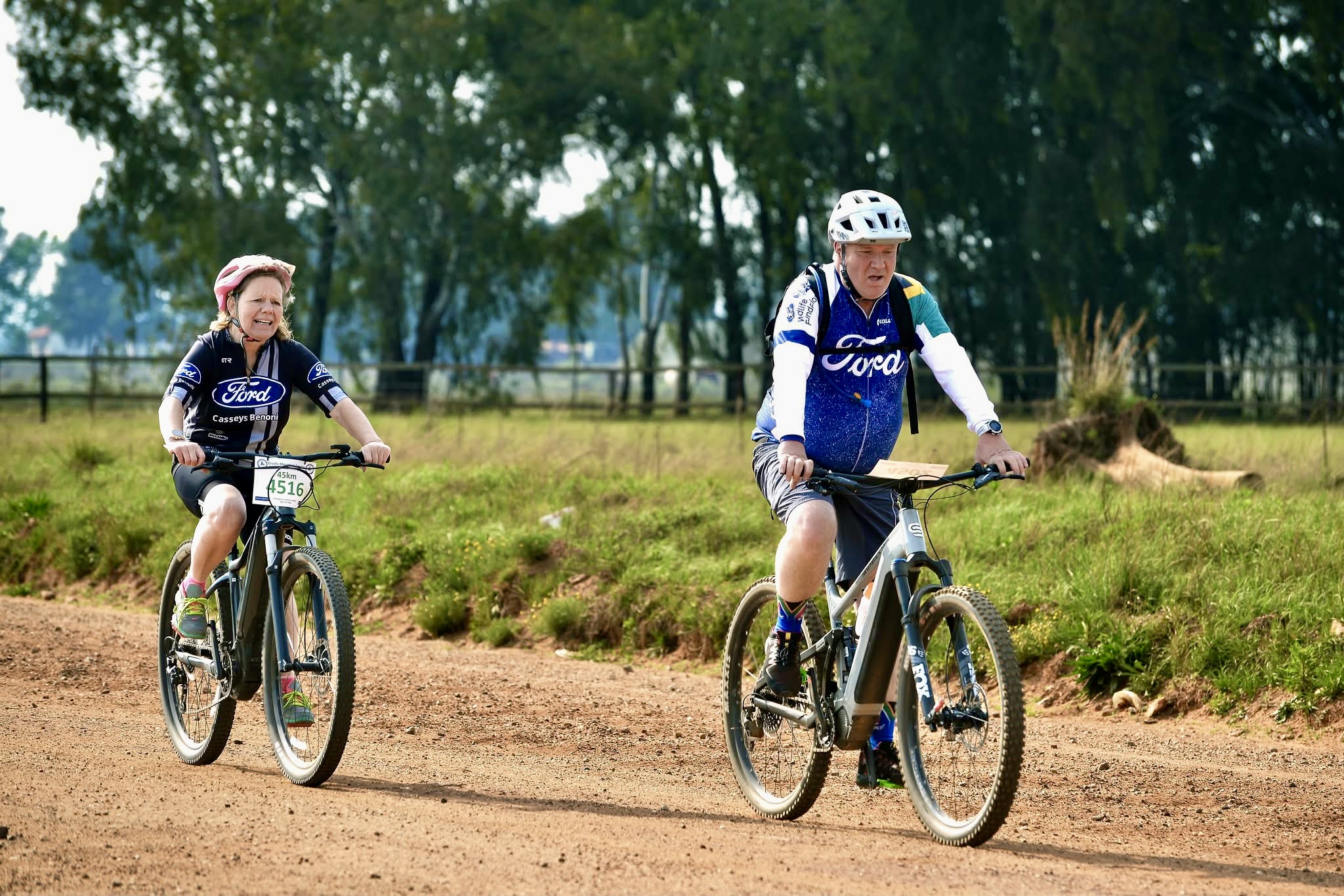
The shift towards older riders is unmistakable
The clearest trend is the growth in the older age categories. Between 2020 and 2025, the proportion of respondents aged 60 and older more than doubled, from 8.73% to 22.76%. Those aged 65 and older increased from 3.17% to 10.38%. The 50-59 age group also grew, from 25.26% to 30.51%, while the middle-aged groups became noticeably less prominent in the survey.
Age changes 2020-2025
| 2020 | 2025 | |
|---|---|---|
| 12-19 | 2.81% | 7.30% |
| 20-29 | 7.45% | 5.32% |
| 30-39 | 20.81% | 12.74% |
| 40-49 | 34.94% | 24.56% |
| 50-59 | 25.26% | 30.51% |
| 60+ | 8.73% | 22.76% |
Source: TREAD South African Mountain Biking Survey, 2020 and 2025. Figures represent the age distribution of survey respondents, not a census of all South African mountain bikers.
The decline is particularly pronounced among riders in their thirties and forties. In 2020, almost 56% of respondents were aged 30-49. By 2025, that figure had dropped to just over 37%.
There are several possible explanations. Riders who discovered mountain biking years ago may be staying in the sport, while the profile of people responding to the survey may also be changing. The data cannot establish how much each factor contributes, nor can it tell us whether the overall South African mountain biking population has aged at the same rate.
What it does show is that older riders have become a much more prominent part of the survey’s audience – and an increasingly important market for the cycling industry.
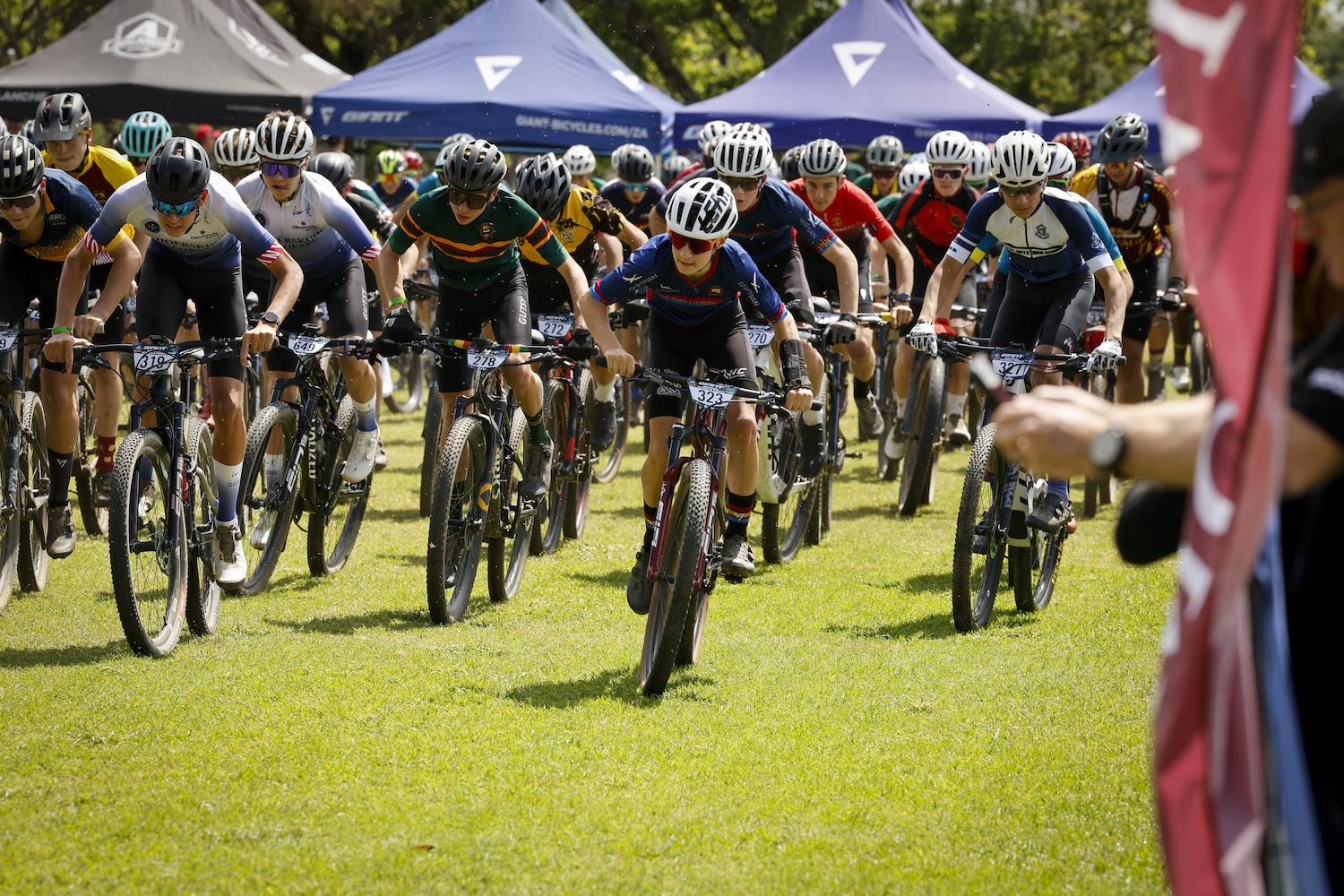
The encouraging signs among young riders
The youngest age groups tell a more positive story than the overall ageing trend might suggest.
Respondents aged 12-19 increased from 2.81% in 2020 to 7.30% in 2025. Within that, the 12-15 category rose from 0.86% to 3.27%, while the 16-19 category increased from 1.95% to 4.03%.
Those are meaningful increases in the survey’s respondent profile. The occupation question reinforces the trend: respondents who identified as school learners rose from 2.08% in 2020 to 6.27% in 2025.
The survey is not a census, and school learners may be less likely than adults to complete a lengthy questionnaire. Even so, the growth is encouraging. It suggests that young riders are engaging with the sport and that the next generation is visible in the local mountain biking community.
There is also a strong foundation in organised youth cycling. Provincial schools mountain biking series have helped introduce young riders to racing, develop technical skills and provide a structured pathway from school competition into the broader sport. The growth in cross-country Olympic (XCO) racing is another indication that a younger, more technically focused racing culture is developing.
But participation at school is only one part of the picture. The more difficult question is whether those young riders continue once school, university, work and other financial commitments begin competing for their time and money.

The missing link may be the twenties
While the 12-19 age group has grown, the 20-29 category has not followed the same pattern. It accounted for 7.45% of respondents in 2020 but 5.32% in 2025. That does not prove young adults are abandoning mountain biking. It does, however, highlight a potential transition point worth watching.
School riders often have access to organised programmes, regular competition and a peer group that rides together. After matric, those structures can fall away. University, moving to a new city, starting a career and the costs of living may all affect how much time and money young adults can devote to cycling.
Mountain biking is not an inexpensive sport to enter or maintain. Beyond the bike itself, riders face costs associated with maintenance, protective gear, apparel, transport, trail access and event entries. Those demands may be particularly difficult to accommodate during the early stages of adult life.
The survey cannot tell us whether cost, time, geography or changing interests are responsible for the lower proportion of respondents in their twenties. It does make that age group an important one for future research.
If the industry wants to understand whether it is attracting and retaining young riders, it needs to look beyond school participation and ask what happens after the school racing years end.

Experience is accumulating – and riders are staying involved
Another result supports the idea that mountain biking has a substantial and increasingly experienced following. The proportion of respondents who had been mountain biking for more than 20 years increased from 9.75% in 2020 to 23.32% in 2025. That is more than double the earlier share.
This is not quite the same as an ageing population statistic. It measures riding experience, not age, and some riders take up mountain biking later in life. Nevertheless, it points to a sizeable group of long-term participants who remain engaged with the sport.
That is valuable for the industry. Experienced riders buy bikes, replace components, invest in equipment, enter events and help sustain trail networks and cycling communities. Their knowledge and enthusiasm can also play an important role in bringing newcomers into the sport.
The opportunity is not to shift attention away from older riders in favour of the young. It is to serve both groups, while making sure the sport has a healthy flow of new participants to sustain it over the long term.
A sport for life – if the pathway remains open
Mountain biking’s ability to retain riders as they age is one of its strengths. Riders can adjust their distances, choose less technical trails, ride socially, invest in an eBike or continue racing, depending on their fitness, interests and circumstances. There is no single correct way to remain involved.
The challenge is ensuring that the sport continues to attract new people and gives them reasons to stay. Schools programmes are important, but so are accessible entry-level events, welcoming riding groups, affordable equipment options and trail networks that cater for different abilities.
For brands, retailers, event organisers and trail operators, the age profile is a reminder that the market is not one uniform group. Older, experienced riders may have different needs and spending priorities from school riders and young adults finding their feet. Understanding those differences matters more than simply chasing the biggest or fastest-growing age category.
The latest survey does not prove that South African mountain biking is running out of young riders. In fact, the increase in school-age respondents suggests the opposite at that end of the age spectrum. But the fall in the 20–29 group raises a question the industry should not ignore.
The long-term health of mountain biking depends not only on keeping today’s riders riding for longer, but on making sure tomorrow’s riders have a clear reason – and a realistic opportunity – to join them.
The analysis here draw on the age and riding-experience results in TREAD’s 2025 SA MTB Survey report.