

What began as a niche South African bicycle brand building affordable tandems has evolved into an increasingly influential player in the local mountain bike market, with growing international reach, proprietary frame designs and ambitions that extend well beyond its home market. Sean Badenhorst speaks to Titan Racing co-founder and CEO Robbie Luis about the patience, persistence and strategic decisions behind the brand’s rise.
There are plenty of bicycle brands competing for attention in South Africa, but few have demonstrated the momentum of Titan Racing over the past few years. Its growing presence in mountain biking, increasing acceptance among riders of premium bicycles and expanding international footprint point to a business that has steadily outgrown its original identity.
According to TREAD Media’s annual SA MTB Survey, presented by Garmin, Titan Racing has consistently improved its share of the South African mountain bike market. The survey, which began in 2019, has also tracked the brand’s growing presence in the eBike and gravel bike categories.
For Robbie Luis, co-founder and CEO of Titan Racing, that progress is the result of years of groundwork rather than a sudden breakthrough.
“We have had a super year so far. Definitely a record year for Titan Racing,” he says. “But to sell a brand, you need to tell a story. We invest in telling that story consistently, which keeps the brand top of mind with consumers. Many dealers also discover that it’s easier to sell what the customer wants.”
The story behind Titan Racing is one of evolution, from a business built around accessible bicycles to a brand increasingly defined by its own engineering, product development and racing credentials. It is also a story of navigating difficult industry conditions without abandoning the longer-term plan.
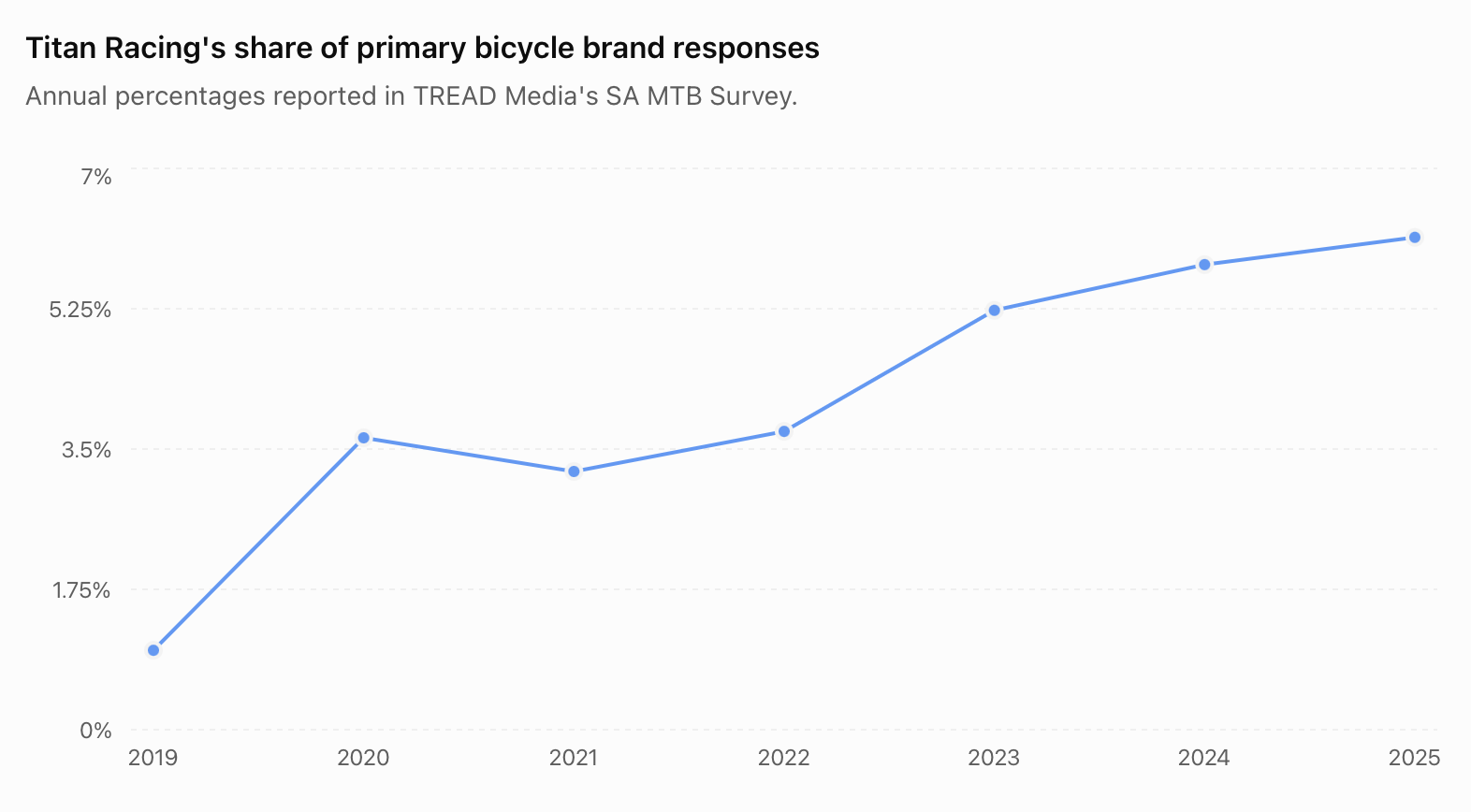
The growth of Titan Racing is reflected in TREAD Media’s annual South African Mountain Biking Survey, presented by Garmin. In 2019, just 0.99% of respondents identified Titan as their primary mountain bike brand. By the 2025 survey, that figure had climbed to 6.14%, making Titan the fifth most popular brand among respondents and placing it ahead of established international names such as Cannondale.
That represents a more than sixfold increase in its share of primary-brand responses in six years. The latest survey, conducted in December 2025 and completed by 2 504 participants, recorded Titan Racing’s share rising from 5.80% in 2024 to 6.14% in 2025.
The figures offer independent evidence of the brand’s growing presence among South African mountain bikers. They also provide context for Titan Racing’s evolution from an entry-level bicycle business into a brand competing across performance mountain bikes, eBikes and gravel bikes.
IT STARTED WITH TANDEMS
Titan Racing did not start out as Titan Racing. It began simply as Titan, a niche South African brand that built custom road racing tandems and entry-level bicycles.
“In the early 2000s, we saw a gap in the market for a price-point tandem. We could sell 100 tandems in about 12 to 18 months. Dealers then started asking us about entry-level mountain bikes because mountain biking was beginning to flourish,” recalls Luis.
His previous experience with Western Flyer had already established useful industry contacts, helping him get the new business moving. Titan initially concentrated on affordable bicycles before adding children’s bikes and gradually exploring more ambitious products.
“We kept Titan as a price-point brand but started thinking about moving one price point up. We began dabbling with open-mould carbon frames and full-suspension bikes. Some of those early models weren’t great, but it was a learning process.”
That willingness to learn through experience became an important part of the brand’s development. The business had established itself at the accessible end of the market, but Luis saw an opportunity to build something with broader appeal and greater technical depth.
Around 2015, the business made a decisive shift.
“I launched the brand properly and we changed the name from Titan to Titan Racing, which underlined our commitment to producing high-performance bicycles.”
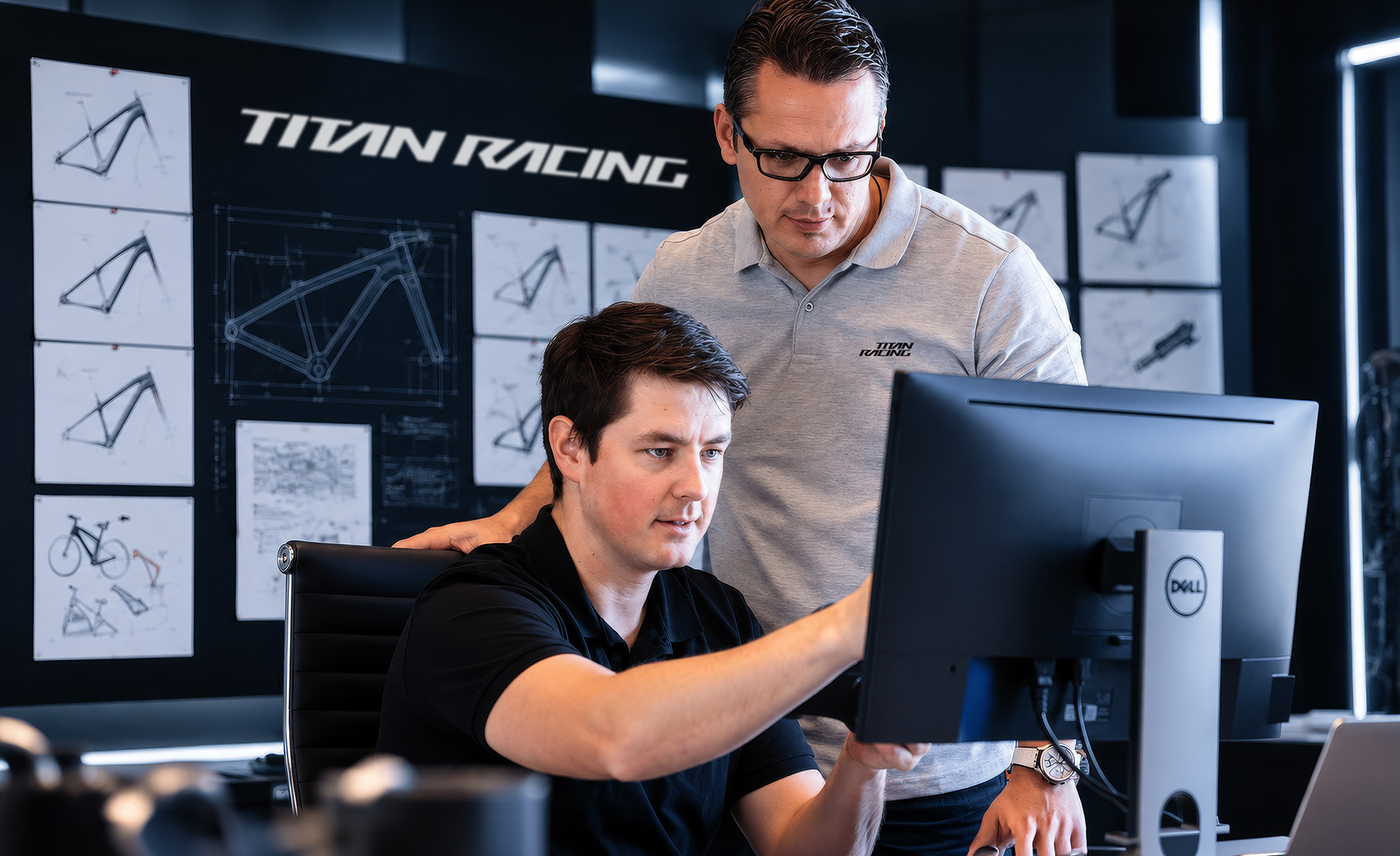
The change was more than a rebranding exercise. Titan Racing brought in a research and development team and began designing its own bicycles, rather than relying on a limited selection of existing frame platforms.
“There were a few other South African bicycle brands around at the time, but their ranges were quite limited. We decided to go all in and create a whole line of bikes and apparel to appeal to the South African market.”
It was an ambitious move for a relatively small brand. Instead of concentrating on a handful of products, Titan Racing was building the foundations for a comprehensive range that could serve riders at different stages of their cycling journeys.
THE CYPHER CHANGES THE GAME
The next major milestone was the development of the Cypher, Titan Racing’s full-suspension carbon mountain bike.
In South Africa, a full-suspension carbon mountain bike is a key product for any brand serious about competing in the performance market. For Titan Racing, the Cypher represented an opportunity to demonstrate that it could develop a proprietary platform suited to local riders, rather than simply compete on price.
“It was never going to happen overnight, but we laid good foundations and began to focus on key models. The Cypher was our first proprietary carbon bike and it was launched in the market with great success. The Alloy version was also launched simultaneously and it too was very well accepted by dealers and consumers alike. But then, just as we started to gain momentum, Covid hit,” explained Luis.
The timing was far from ideal. Covid disrupted manufacturing, shipping and supply chains, while demand for bicycles surged in many markets. Yet the same upheaval that complicated product launches also created an unexpected opportunity.
“Covid delayed us a bit, but it also helped us find overseas distributors. Bikes were in huge demand during the early part of Covid, which was a good way to get our brand international exposure.”
That exposure helped establish relationships beyond South Africa, but the pandemic was not an uncomplicated growth opportunity. Long lead times made planning difficult, and the industry moved rapidly from shortages to excess inventory as demand eventually eased.
“There were very long lead times during Covid and patience became an important virtue. We were also getting into the eBike segment. It was tough, because we were concerned about how we could stay on track with our long-term plan despite the disruption.”
While some businesses cut back on development, Titan Racing chose to keep moving.
“A lot of companies were cutting back, but we persevered. Once we got through the Covid eye of the storm, we had a lot of projects that were ready to launch. We kept working hard and stayed focused on our long-term goal.”
With the bicycle range becoming more established, the company subsequently expanded into Titan Racing-branded accessories and apparel. The intention was to build a more complete cycling brand, with products that extended beyond the bicycle itself.
SURVIVING THE DIFFICULT YEARS
Growth has not been a straight line. In fact, Luis believes the difficult periods have helped shape the business as much as the successful launches.
Covid exposed the industry’s vulnerability to sudden swings in demand. Initially, manufacturers and distributors struggled to obtain enough stock. Later, as demand normalised, the market was left with excess inventory.
“Forecasting was a real challenge,” he says. “The industry went from huge demand and limited stock to a surplus of stock once that demand eased.”
“Like most brands Titan Racing was negatively affected. Unfortunately, we were forced to close our Western Cape warehouse, which weakened our infrastructure, and we had to cut quite a few South African jobs.”
The disruption was painful and it came during a period when the wider bicycle industry was already dealing with the consequences of the pandemic.
“But we managed to keep our heads above water and push through the storm. I reckon if Titan Racing could get through that, we can get through anything,” says Luis.
That resilience is important context when considering the brand’s current position. Building a bicycle brand requires more than developing a good product; it requires enough financial and operational stability to keep investing when conditions become unfavourable.
Titan Racing’s ability to emerge from those challenges with an expanding range and international ambitions suggests that the long-term strategy survived a particularly demanding test.
FROM AFFORDABLE BRAND TO PREMIUM BIKES
One of the clearest indicators of Titan Racing’s evolution is the changing perception of its products. The brand’s roots are firmly in the entry-level market, but it has spent years developing the credibility to compete at higher price points. Today, Luis says all Titan Racing bicycles are proprietary designs.
“We can proudly say all our bikes are proprietary. We have seen how consumers have bought into the brand, especially over the past two years or so. Essentially, Titan Racing is an international brand with South African roots. We have designed bikes that fit the market really well.”
That last point is significant. Titan Racing is not simply attempting to replicate what established international brands do. Its product strategy is informed by the particular demands of the South African market, where terrain, riding styles, price sensitivity and the importance of a strong dealer network all influence purchasing decisions.
“The South African market is very different to the US, German and UK markets. We have a strong dealer base in South Africa that believes in the brand. Through performance, with pros winning races on Titan Racing bikes, reliability and good pricing, a lot of consumers now believe in the brand.”
Racing results provide visible proof of performance, but they are only one part of the equation. Reliability, pricing and dealer confidence are equally important when a rider is deciding where to spend a substantial amount of money.
Titan Racing is now receiving more orders for bicycles costing over R100 000, according to Luis.
“Ten years ago, we would never have expected that!”
It represents a meaningful shift for a brand once best known for affordable bicycles. However, Luis is careful not to suggest that Titan Racing needs to win every customer to keep growing.
“We will never win every customer. But the reality is that we have patience, and that has paid off for our brand.”
GROWING THE MARKET, NOT JUST THE BRAND
Luis believes the South African bicycle industry needs to think beyond competing for existing customers.
“There are just too many brands. The pie is only so big. We really need to make the pie bigger, which means creating more buyers of bikes.”
It is a straightforward argument, but one with important implications. If brands concentrate exclusively on taking customers from competitors, the overall market remains constrained. Getting more people onto bicycles creates opportunities for the entire industry.
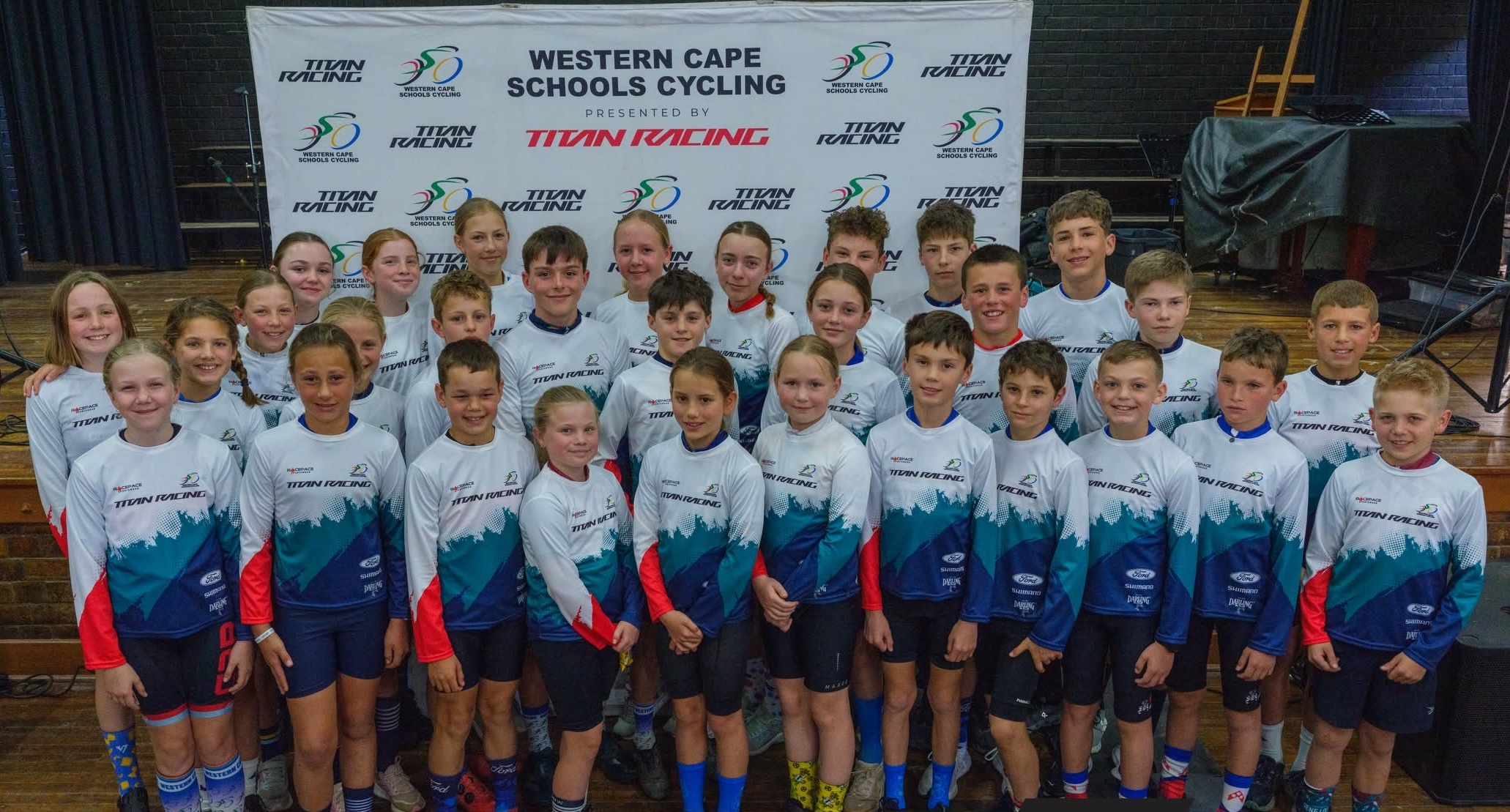
Titan Racing has put some of that thinking into practice through its involvement as a presenting sponsor of the Western Cape Schools Mountain Bike Series.
“We wanted to play a role in growing the sport. It’s a good way to do that, and we have had good success with it so far.”
The investment also aligns with one of the brand’s longest-standing strengths: children’s bicycles.
“Titan Racing is very strong in the kids’ bike market. It’s what we were initially known for. We have been careful to maintain that because kids who start on the brand and are happy tend to stay with it as they grow older into teens and, eventually, adults.”
Maintaining that progression requires more than brand recognition. The products must remain relevant, the quality must improve and the customer experience must support the next purchase.
For Titan Racing, the objective is not to abandon its accessible roots as it moves upmarket, but to build on them.
STAYING AHEAD OF THE NEXT TREND
Product development in cycling is a balancing act between innovation, commercial reality and the risk of backing the wrong technology. The market can change quickly. Luis points to the rise and subsequent decline in popularity of lightweight, or SL, eBikes as an example of how rapidly a product category can move in and out of fashion.
Motor systems have also become a major battleground. Bosch was once estimated by Luis to account for around 60-70% of the eBike motor and drive-system market, but he says that position has since been challenged sharply by the arrival of Avinox drive systems.
For a brand developing products years ahead of their intended launch, identifying these shifts early is essential. Yet reacting to every new trend would be both expensive and unsustainable.
“It’s not that simple. We spend a lot of time puzzling over the benefit versus the cost,” says Luis.
Gravel bikes have been another significant trend, and Titan Racing continues to develop its range in that category. But one of its most intriguing projects involves a wheel size that has barely begun to establish itself in the wider market: 32 inches.
“We have been working on 32-inch wheels for both gravel bikes and mountain bikes. Because the UCI has already approved 32-inch wheels for mountain bikes, that has been our emphasis.”
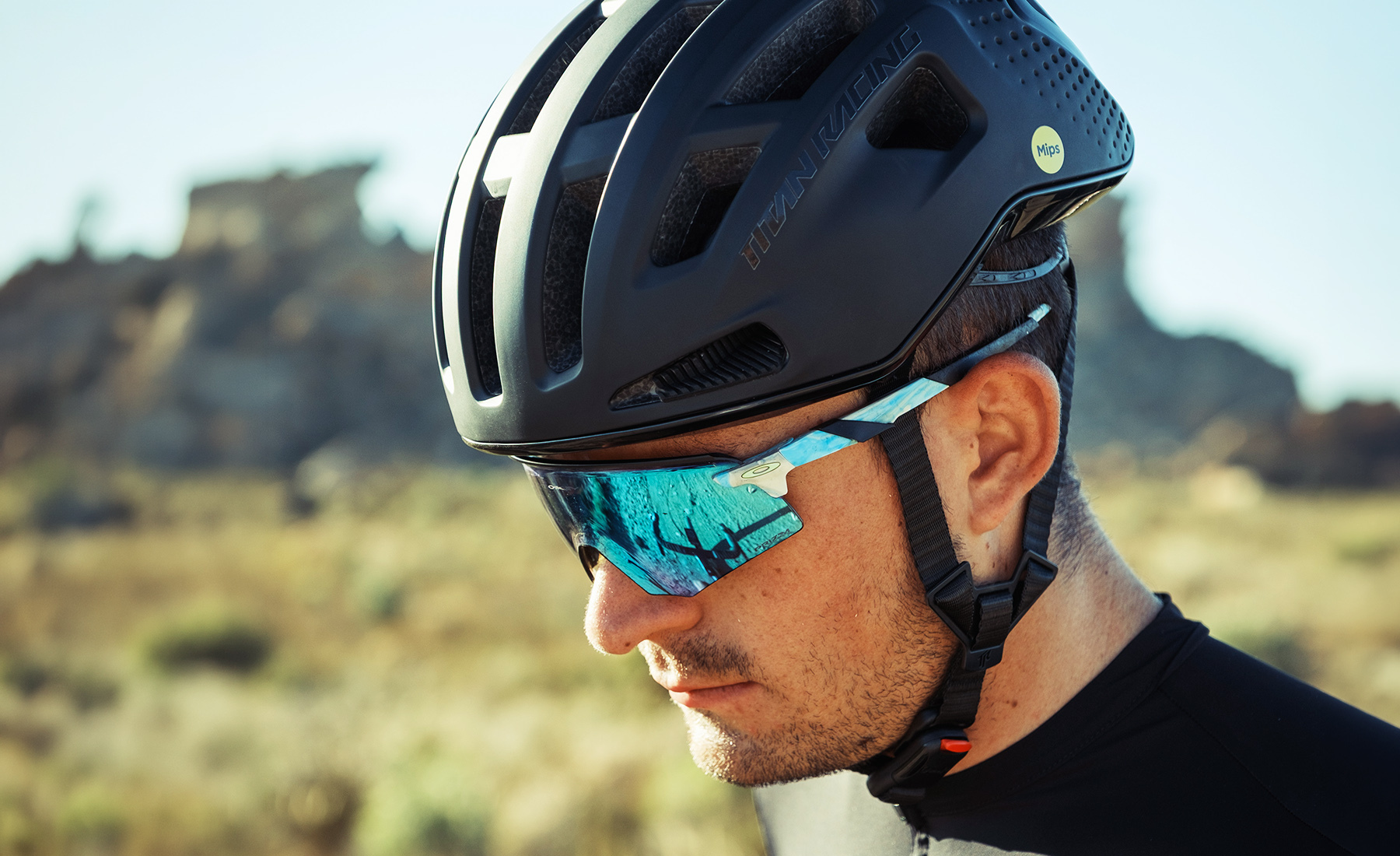
The potential appeal of larger wheels is one thing; bringing a viable product to market is another. Smaller brands do not always enjoy the same priority from component suppliers as the industry’s biggest players.
“The test forks came to Titan Racing only after the big brands had used them. That’s also why it’s important to maintain good relationships with the big suspension, drivetrain, wheel and tyre brands.”
Those relationships can determine how quickly a company gets access to emerging technology and whether it can develop products in time to capitalise on a new category.
Titan Racing has a 32-inch hardtail planned for release before Christmas 2026. Luis acknowledges that the initial pricing for 32-inch bikes will be relatively higher than 29-inch equivalents because parts like tyres remain expensive and industry-wide availability is limited. Greater production volumes, he expects, should help bring prices down.
The longer-term plan is more substantial: a carbon full-suspension 32-inch mountain bike by the middle of 2027, followed by a 32-inch gravel bike towards the end of that year.
But there is an obvious risk. What if 32-inch wheels fail to gain traction with consumers?
“It’s a risky business to be in currently,” Luis admits.
That willingness to acknowledge the uncertainty is revealing. Innovation is essential to keeping a bicycle brand relevant, but not every promising technology becomes a commercial success. The challenge is to invest enough to be ready when a trend takes off, without committing so heavily that the business is exposed if it doesn’t.
BEYOND FRAMES AND WHEELS
Titan Racing’s development work extends beyond conventional bicycle platforms. The company is currently exploring electronic continuously variable transmission (eCVT) for its mid-drive eBikes. The technology aims to replace the traditional derailleur-based drivetrain arrangement with a different approach to transmitting power and managing gearing.
For Luis, it is an example of an emerging technology that deserves serious attention from a brand intent on remaining competitive.
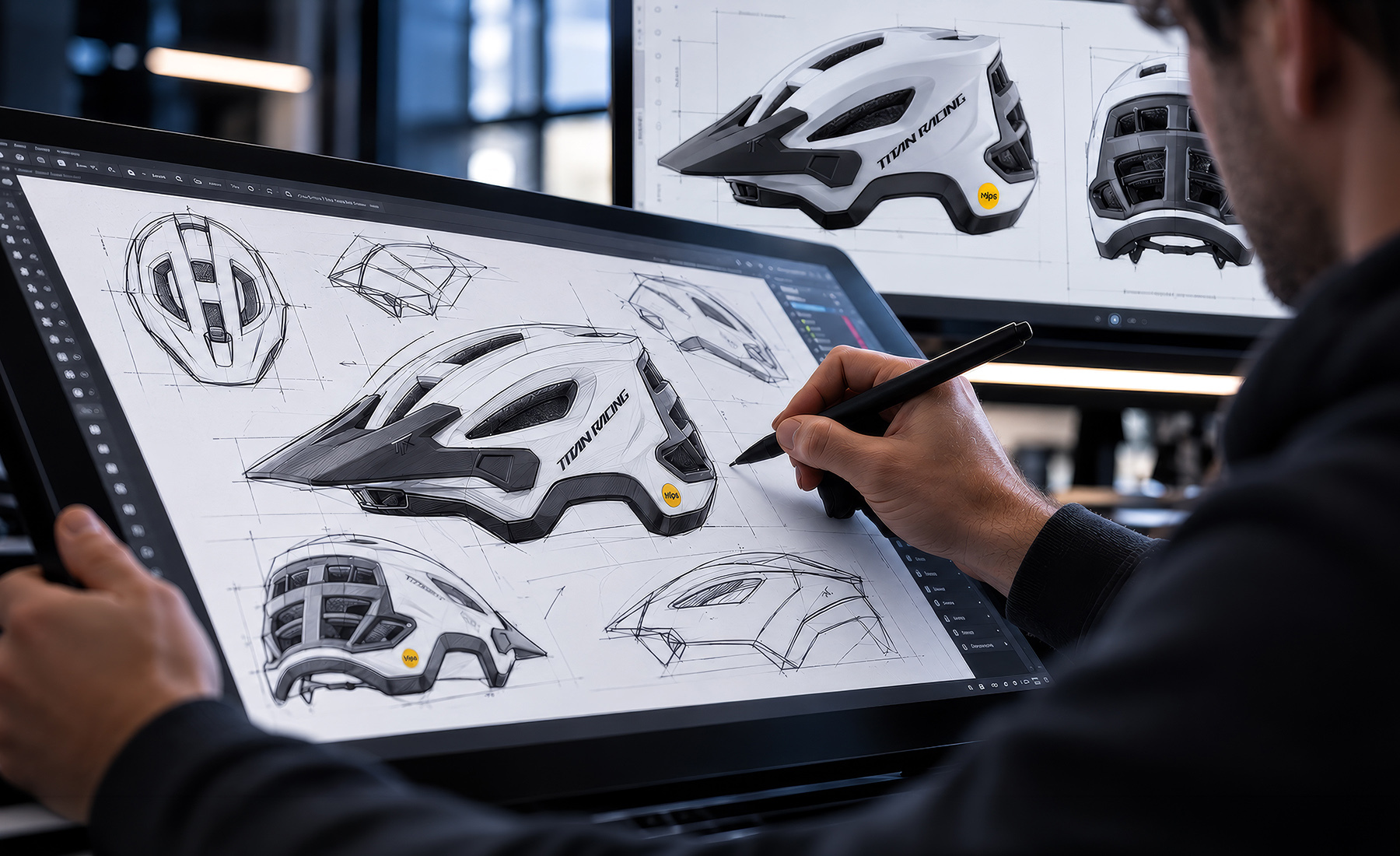
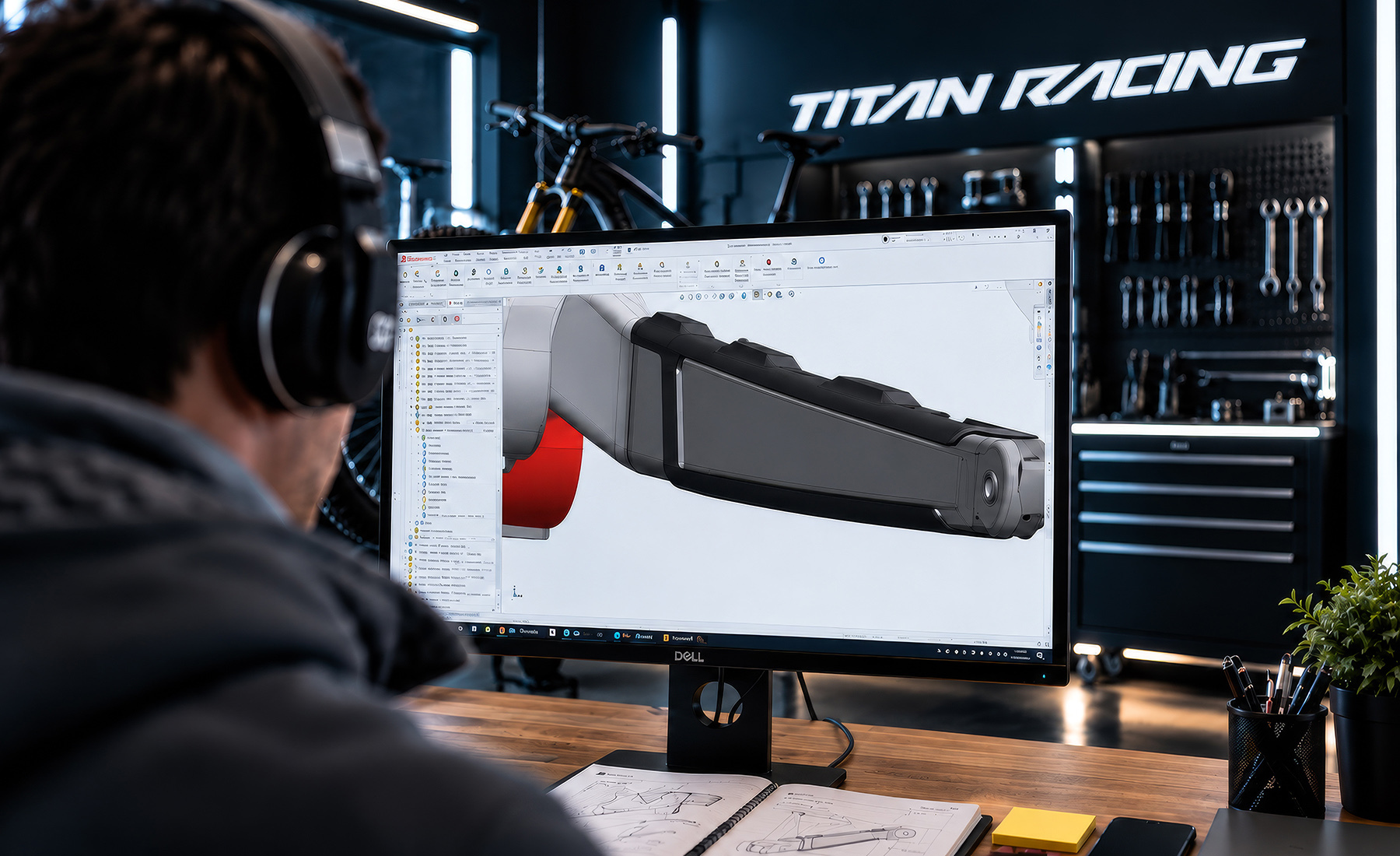
The same approach is evident in the company’s accessories. Titan Racing recently launched a new helmet incorporating features expected in a premium product, including MIPS rotational-impact protection technology, with MIPS involved in the design process.
“It’s important to push the envelope with design, but we always have to maintain our fair-pricing reputation.”
That qualification matters. As Titan Racing moves into more expensive bicycles and increasingly sophisticated products, it must preserve the value proposition that helped establish the brand in the first place.
A premium product does not necessarily need to be the cheapest, but it must convince customers that the price is justified. For a brand still expanding its reputation in the upper end of the market, that balance is particularly important.
BUILDING CREDIBILITY BEYOND SOUTH AFRICA
Titan Racing’s international growth is another indication of how far the business has travelled from its early days. The brand now sells in several countries, including Canada, Costa Rica, the United Arab Emirates and Australia, as well as various Eastern European markets. It also has a presence in the UK and other Middle Eastern countries. Russia had been a strong market before the war disrupted business there.
International distribution brings opportunities for greater sales volumes and wider recognition, but it also introduces new challenges. Different markets have different preferences, price expectations and competitive dynamics, while distributors need confidence that a brand can support its products and deliver consistently.
Titan Racing’s strategy is to build on its South African identity rather than dilute it. Its domestic dealer network remains a key asset, while professional racing results, product development and a stronger visual presence are helping reinforce the brand’s credibility.
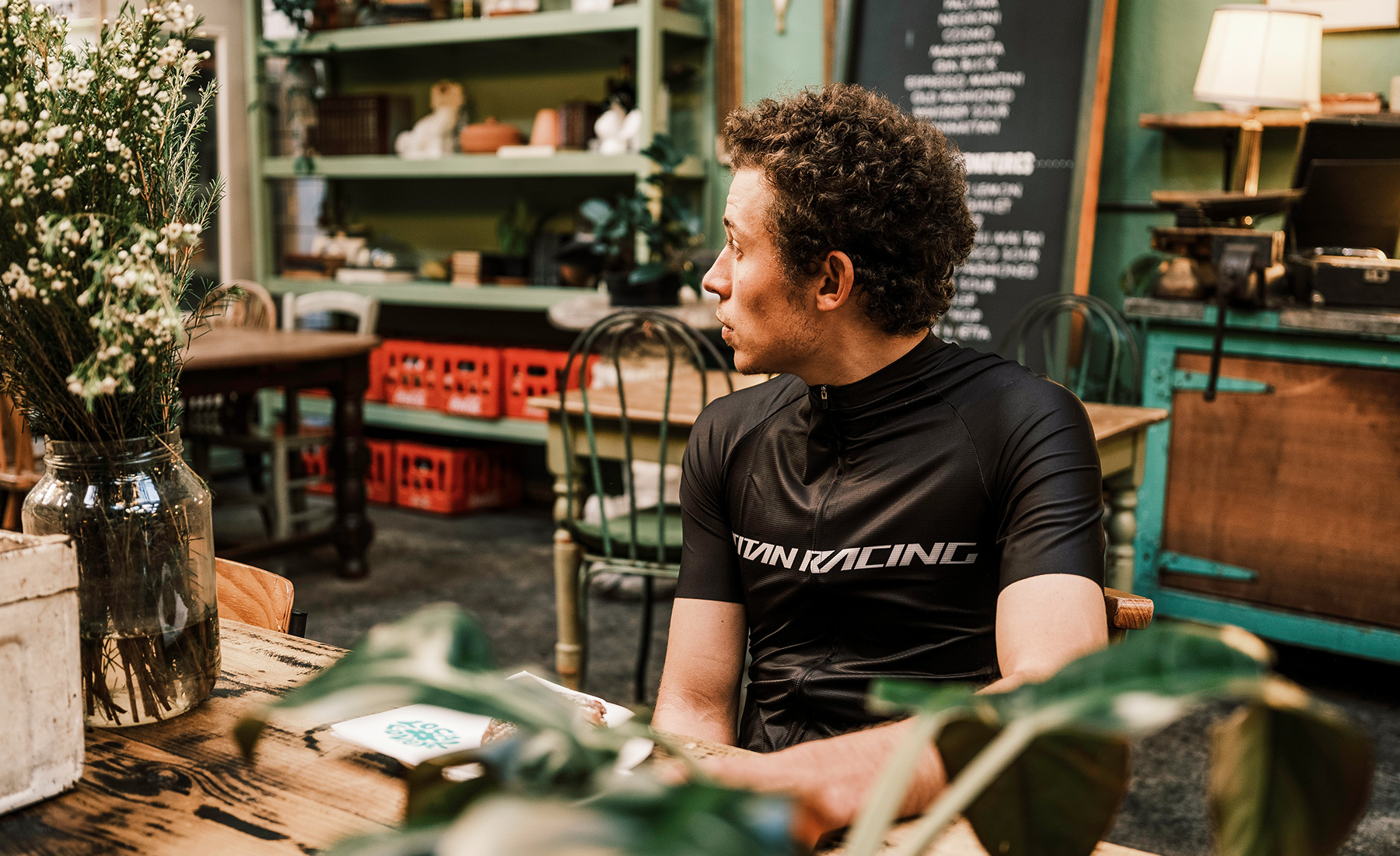
“We have been building credibility with top racing teams performing and winning on Titan Racing bikes,” says Luis. “We have a strong social media focus, as well as ambassadors in different market segments.”
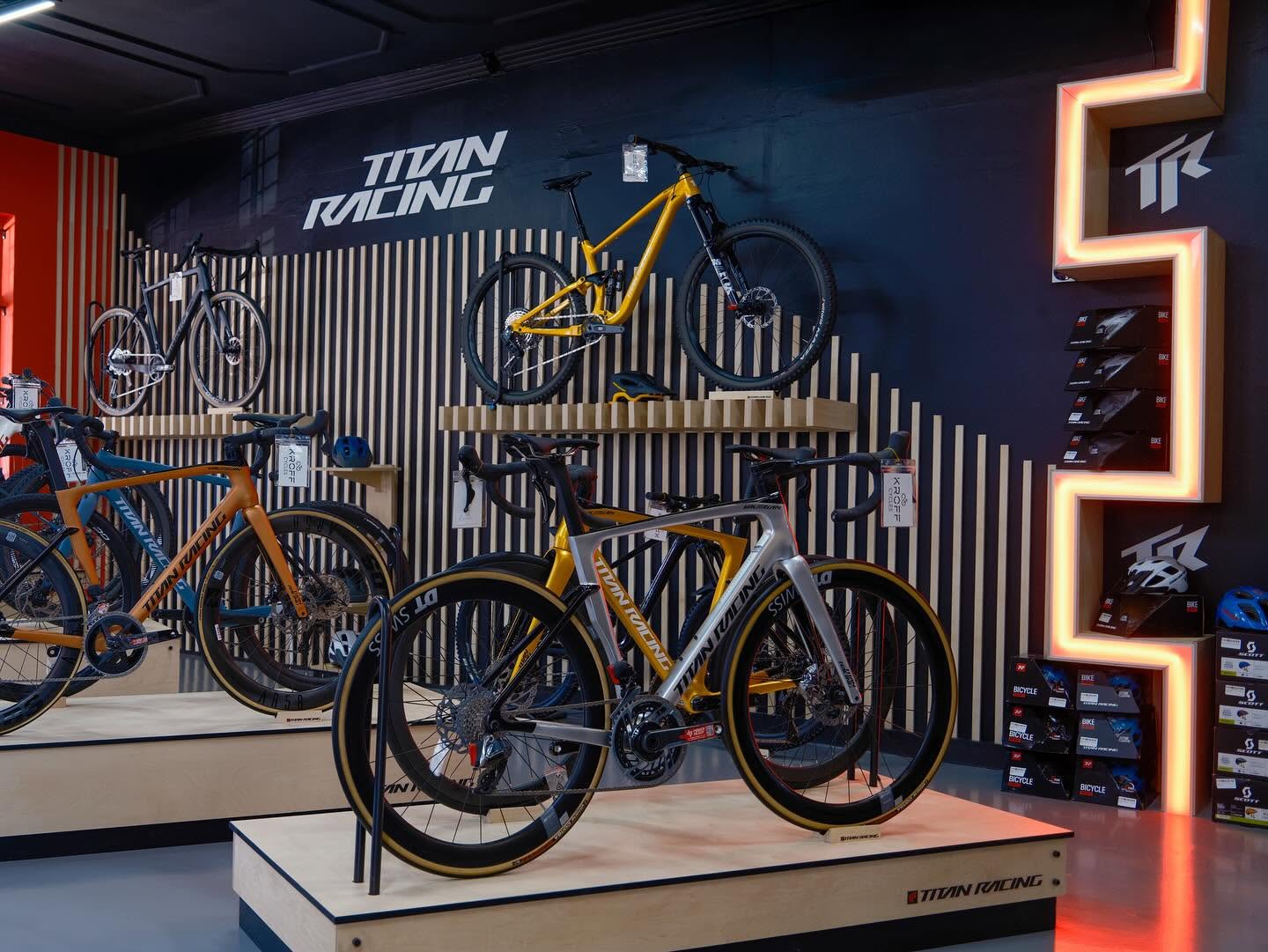
The company has also started introducing Titan Racing concept sections in selected stores. These dedicated brand areas give its bicycles and accessories greater visibility and provide a more consistent presentation for customers.
That is an important part of the sales process. A bicycle brand may invest heavily in product development and marketing, but the dealer remains a critical link between the company and the consumer. Better in-store presentation can help communicate the range’s breadth, reinforce its identity and make it easier for customers to understand what the brand offers.
The combination of racing, social media, ambassadors, retail visibility and consistent storytelling is designed to make Titan Racing more recognisable and more credible, both at home and abroad.
THE NEXT CHAPTER
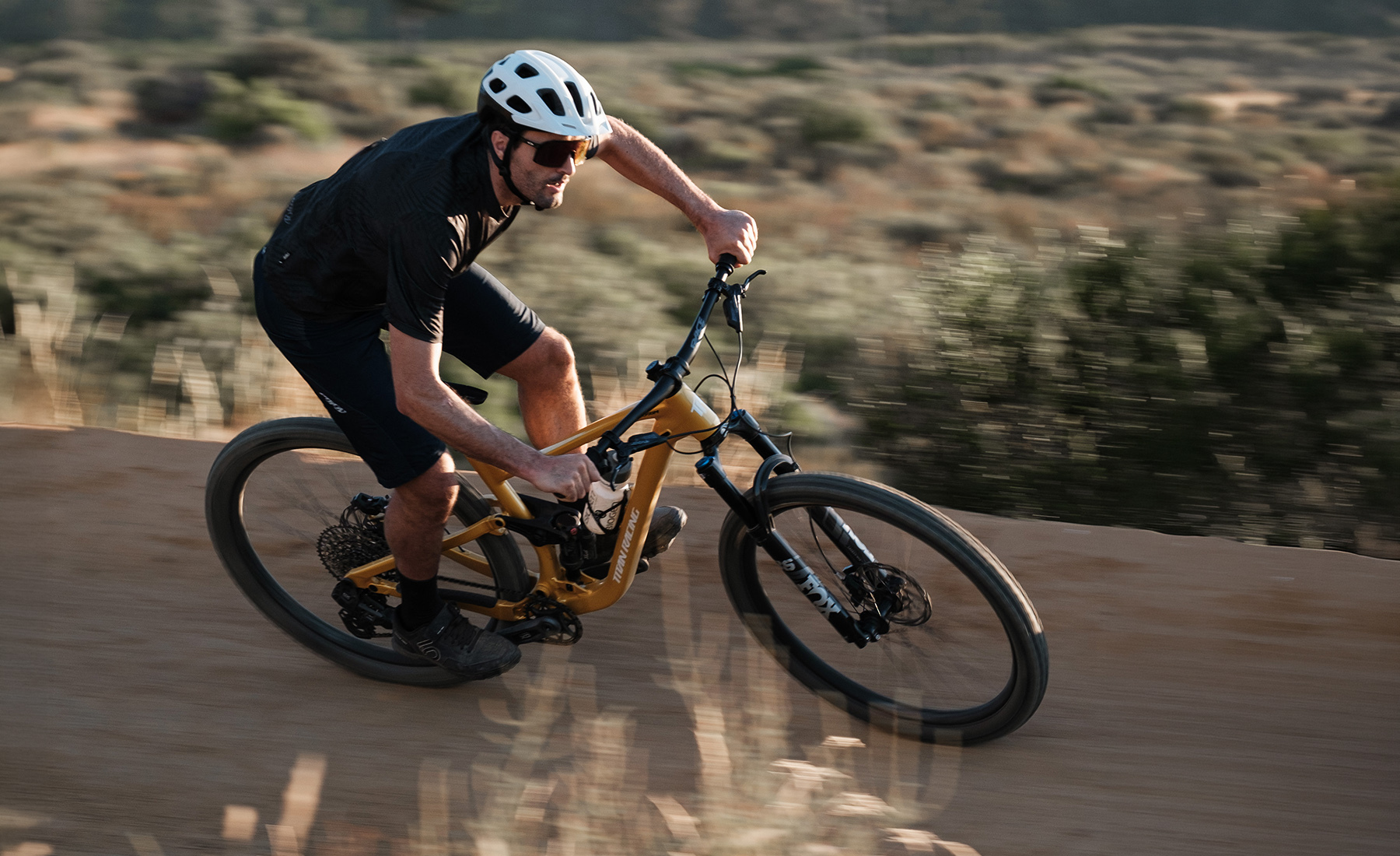
Titan Racing’s growth has been built on a series of deliberate steps: starting with accessible bicycles, expanding into children’s bikes, investing in proprietary designs, establishing a performance identity and progressively broadening the range into mountain bikes, eBikes, gravel bikes, apparel and accessories.
There have been setbacks, and the next phase will bring its own risks. New technologies can be expensive to develop, market preferences can shift quickly, and international expansion requires continued investment in products, distribution and brand-building.
Yet the company’s trajectory suggests that it has moved beyond simply trying to establish itself in the South African market. It is now working to strengthen its position as an international bicycle brand with a clear understanding of where it comes from.
For Luis, the underlying principles remain much the same as they were when Titan was building affordable tandems and entry-level bicycles: understand the market, build products that people want, maintain relationships and be patient enough to let the work pay off. The difference is the scale of the ambition.
A decade ago, the idea of customers spending more than R100 000 on a Titan Racing bicycle might have seemed far-fetched. Today, those orders are becoming more common, while the brand is developing technologies and products intended to compete in markets well beyond South Africa.
Titan Racing’s success is not simply a story of selling more bicycles. It is a case study in how a local brand can evolve by investing in its own product identity, protecting the foundations of its business and resisting the temptation to abandon a long-term strategy whenever the industry hits turbulence. As Luis puts it, patience has paid off.
See the Titan Racing range of bicycles and accessories here. https://titanracingbikes.com

