
Can a South African mountain bike stage race change much in nine years? It turns out it can. After riding the Standard Bank Berg & Bush Descent in 2014 and again in 2017, I returned for the 20th edition in 2026. In almost a decade, a surprising amount has changed – although much of what made Berg & Bush special remains firmly intact.
By Sean Badenhorst
My history with the event goes back to 2014. My wife, Joanne, and I were meant to ride it together, which would have been her first mountain bike stage race. Three days before the start, however, she clipped a narrow bridge rail, crashed and broke her wrist badly. I ended up riding solo. Not ideal, but being race-fit at the time meant I could ride at my own pace and enjoy the challenge.
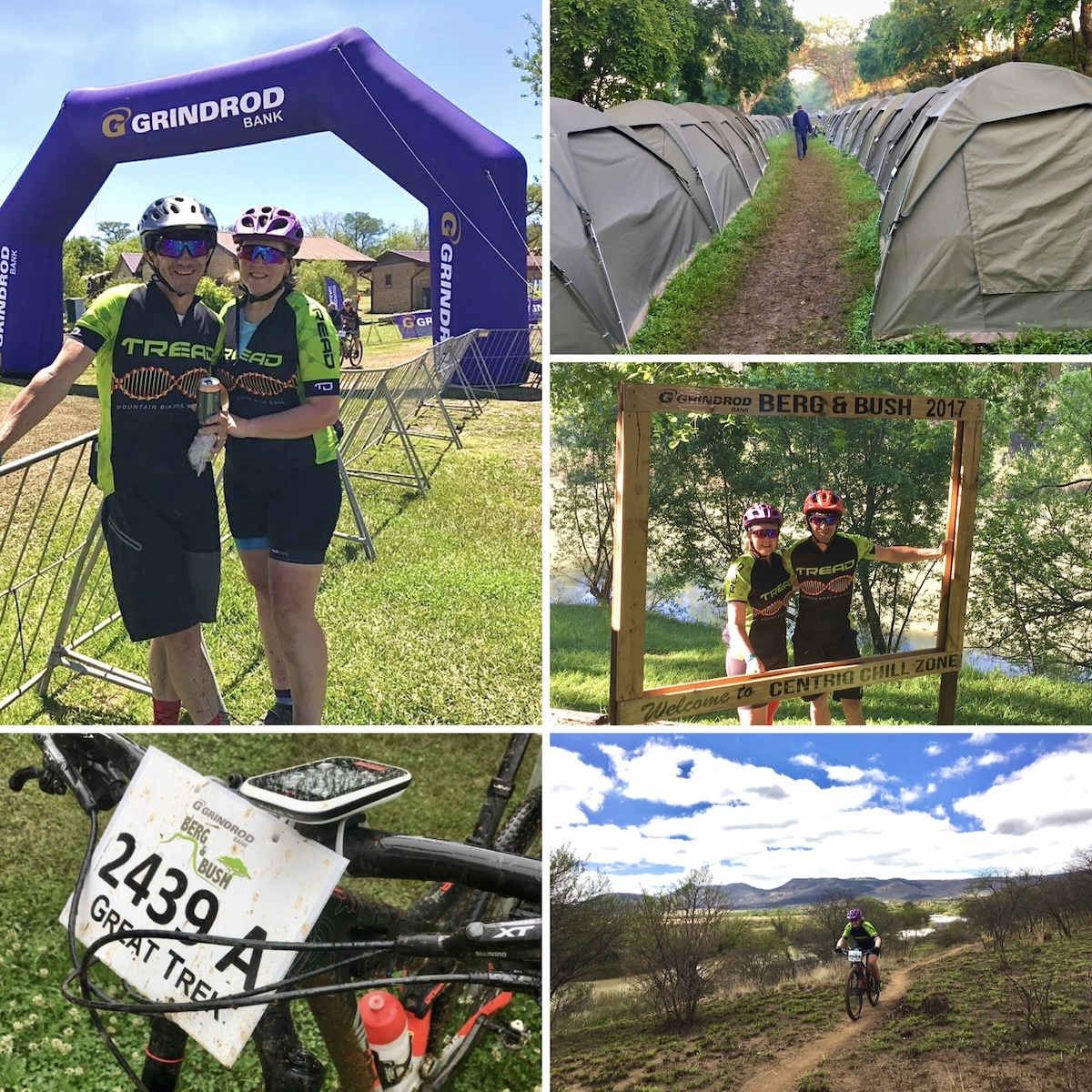
We returned together in 2017, but severe weather on Stage 1 forced organisers to replace the iconic Drakensberg escarpment singletrack descent with the tarred Oliviershoek Pass. It was disappointing, but absolutely the right call given the conditions. We still loved the event and Joanne has since returned another five times at the 2-Day event, mostly as part of her mission to introduce more women to mountain bike stage racing.
When the organisers offered me a media entry for the 20th edition, it was an easy yes. The bigger decision was which bike to ride. Following a heart attack and open-heart surgery in late 2025, I had completed the 2026 KAP sani2c on an eBike, but found it a little too easy. With Berg & Bush offering shorter stages, I decided to ride a conventional mountain bike and invited my 20-year-old son, Cade, to join me. A road trip, three days of riding and sharing a tent sounded like the perfect father-and-son adventure.
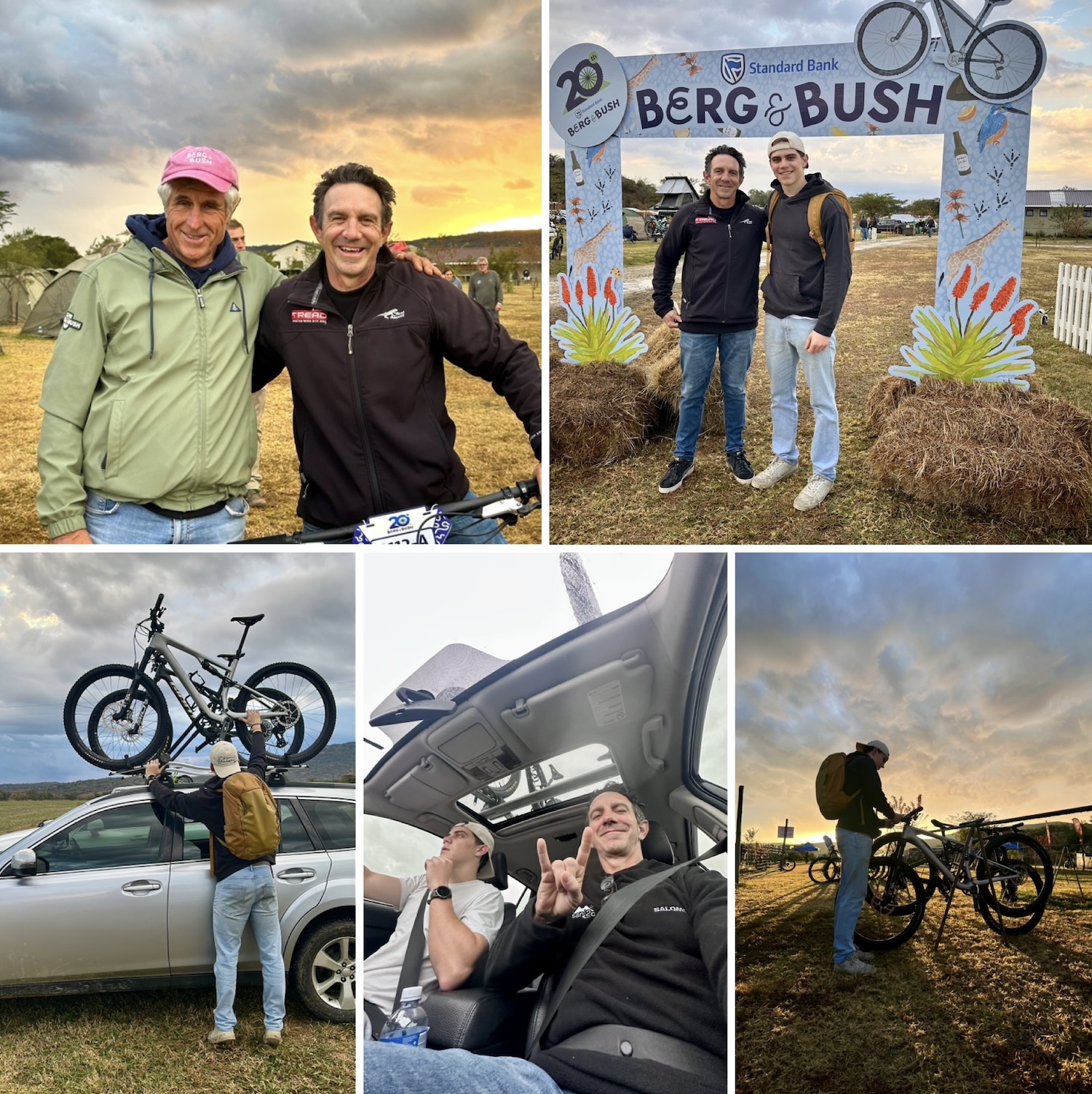
Having ridden the event before and heard plenty about more recent editions from Joanne, I expected a familiar experience. What I discovered was an event that has evolved considerably.
WHAT’S CHANGED?
THE TIMING
Berg & Bush used to take place in October. It now happens in late May or early June, a move that appears to have originated during the Covid-disrupted years. For riders, it’s a major improvement. Instead of spring rainfall and unpredictable conditions, participants generally enjoy dry trails, cold mornings and mild riding temperatures.
TWO EVENTS INSTEAD OF THREE
During stage racing’s boom years, Berg & Bush offered three events: The Descent, The Great Trek and the 2-Day. Today the calendar is streamlined to just The Descent and the 2-Day, reflecting a more realistic demand for multi-day racing.
THE FAMOUS ESCARPMENT DESCENT IS GONE
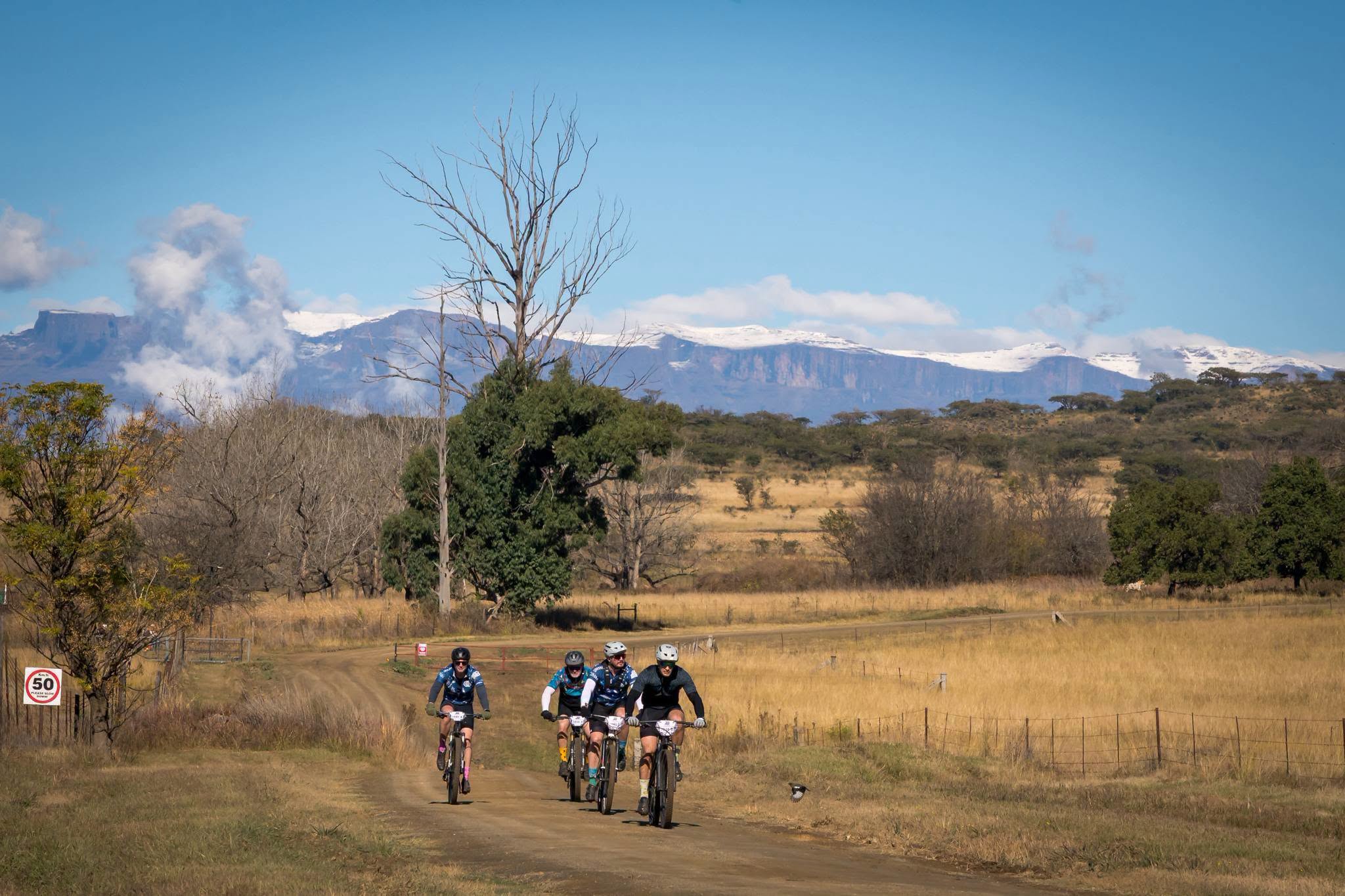
One of my favourite mountain bike descents in South Africa was the 15km singletrack drop off the Drakensberg escarpment. I experienced it in 2014 and still rank it among my top-five best mountain biking descents. Foot-and-Mouth Disease restrictions forced route changes in recent years and, while the replacement trails still offer some good riding and spectacular scenery, that legendary descent, which made the event’s name so appropriate, is no longer part of the event.
EVERYONE STAYS AT EMSENI
Previously, many riders sourced their own accommodation before Stage 1 and only moved into race accommodation afterwards. Now all three nights are spent at Emseni, with riders shuttled to the remote Stage 1 start. It simplifies the overall experience while retaining the point-to-point adventure.
THE ACCOMMODATION HAS IMPROVED DRAMATICALLY
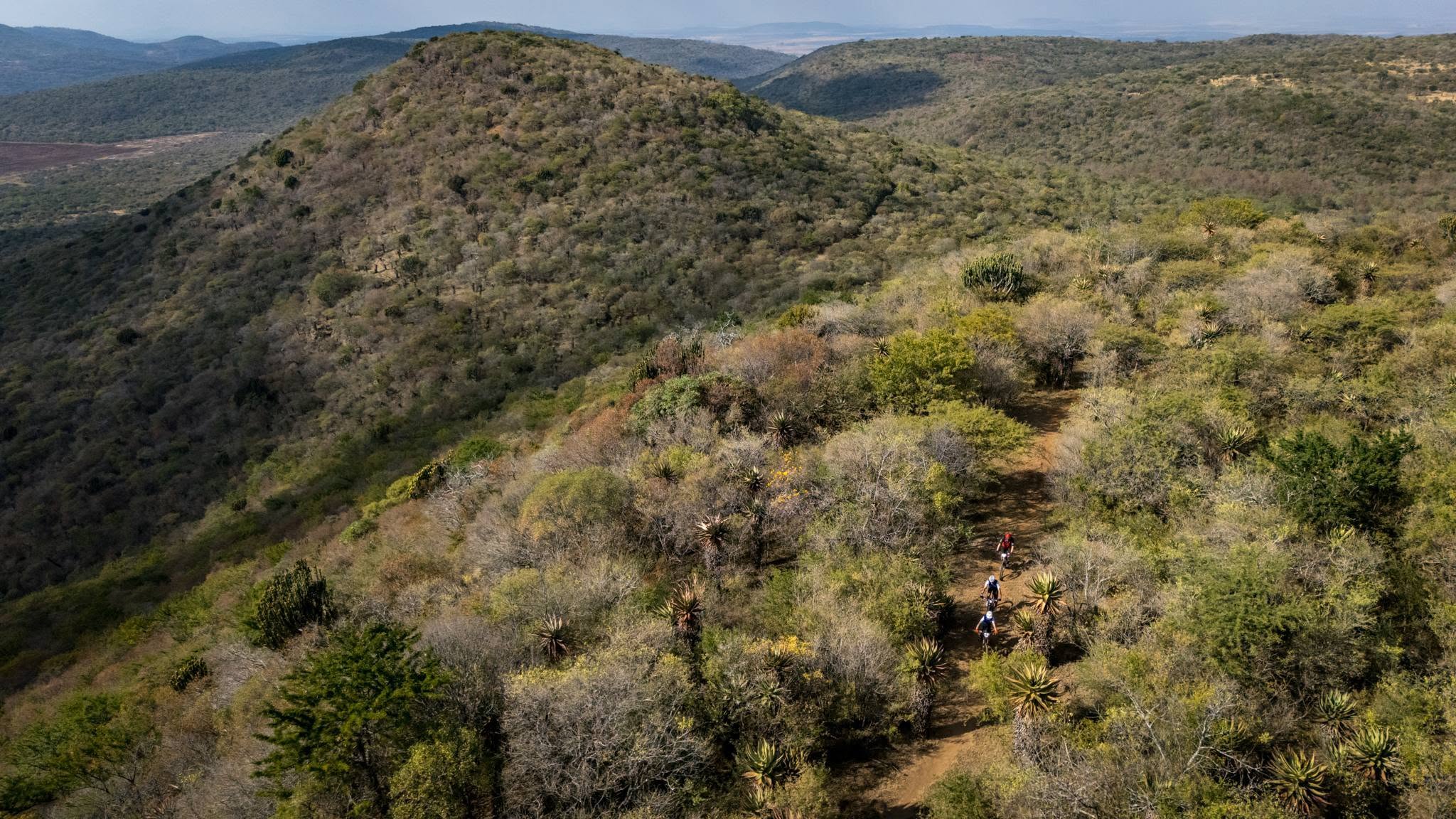
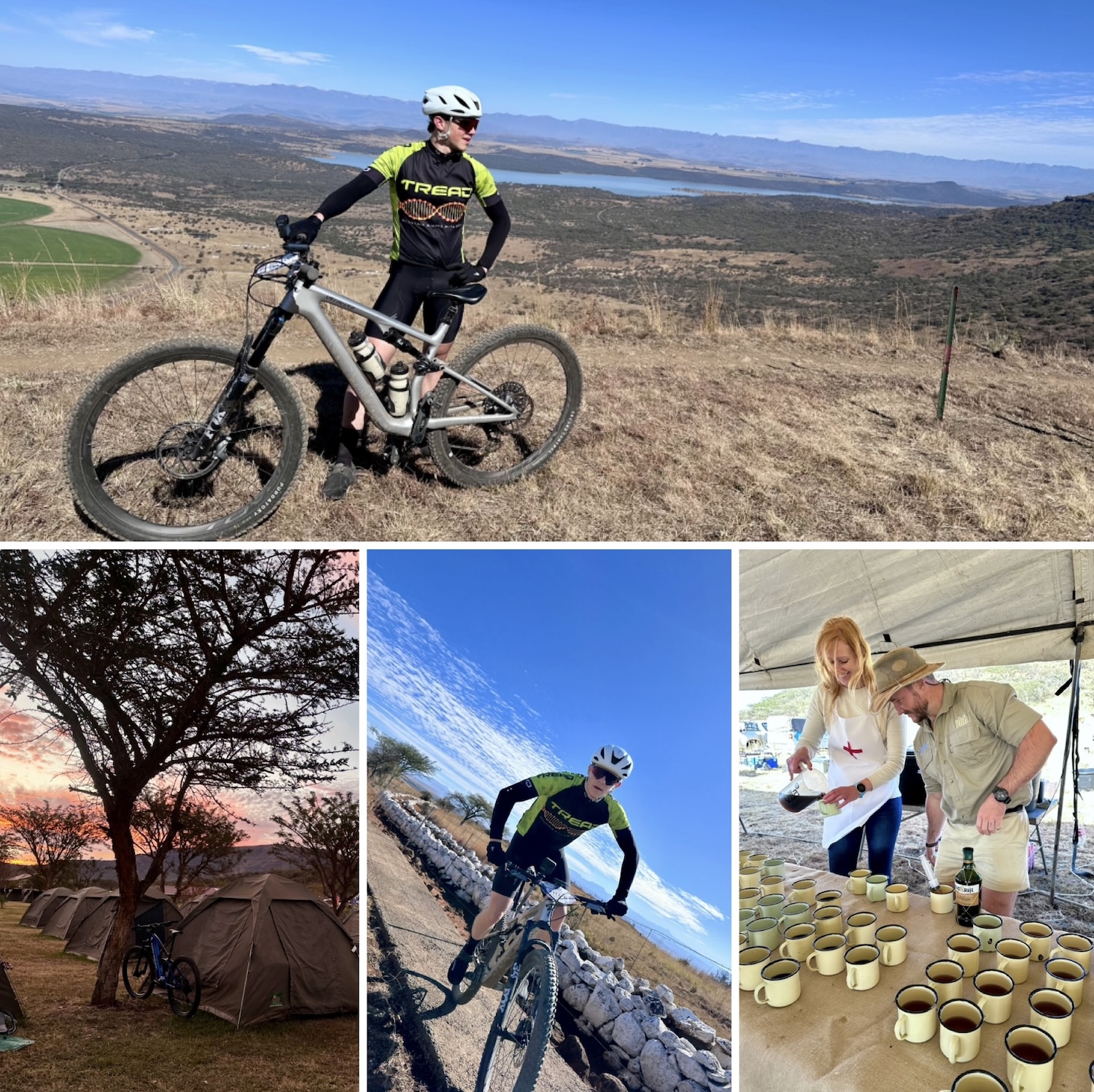
My previous Berg & Bush experiences involved sleeping on the ground in standard race tents. This year I stayed in one of the upgraded Weaver tents and it transformed the experience. Proper beds, bedding, power, lighting and chairs add a level of comfort that many riders now appreciate after a long day in the saddle.
SPIOENKOP NOW PROVIDES THE FINALE
The iconic climb and descent of Spioenkop used to feature on Stage 2. It now forms the climax of Stage 3, serving as the race’s final major challenge and a fittingly memorable finish.
A NEW CLIMB UP SPIOENKOP
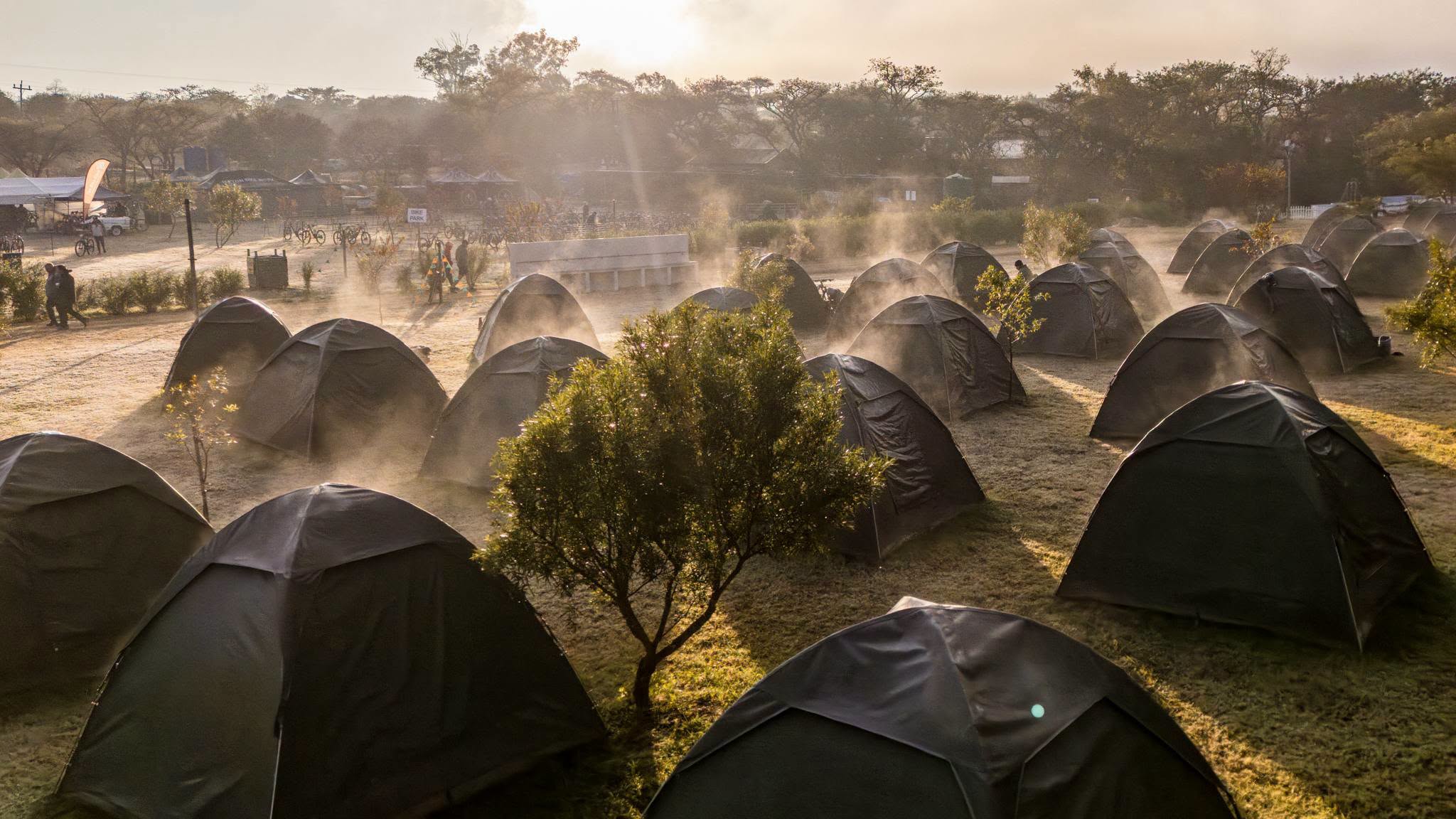
Instead of grinding up the steep paved road, riders can now tackle the Boer Route, a beautifully designed 4km singletrack climb that snakes up the mountainside through flowing switchbacks. For mountain bikers, it’s a far more enjoyable way to reach the summit.
FEWER PROS, MORE EVERYDAY RIDERS
There was a time when Berg & Bush attracted much of South Africa’s professional racing elite. While a handful of pros still line up, the event now feels more focused on the experience of everyday riders. Importantly, that shift hasn’t diminished the atmosphere at all.
PLENTY OF SMALLER IMPROVEMENTS
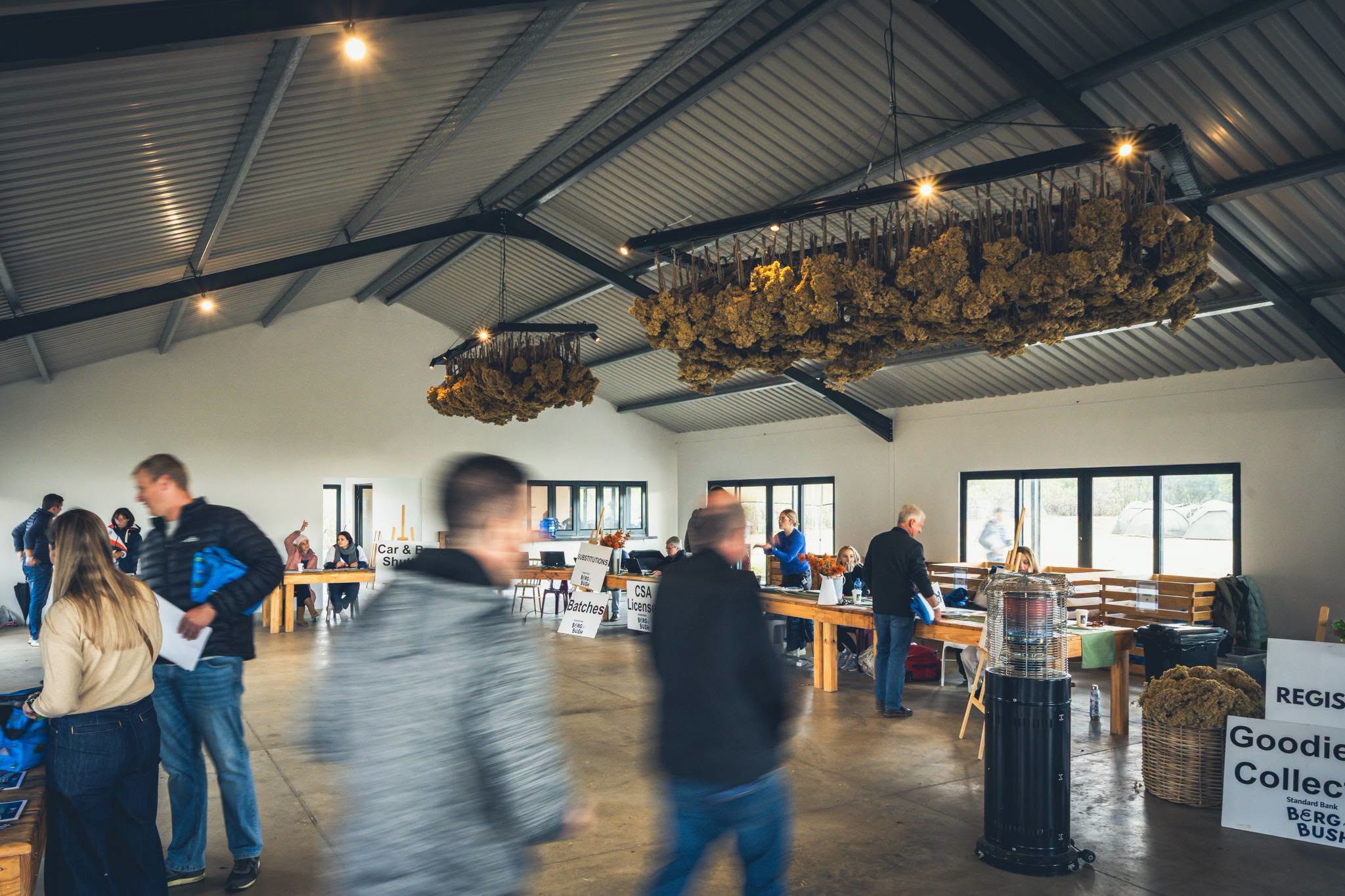
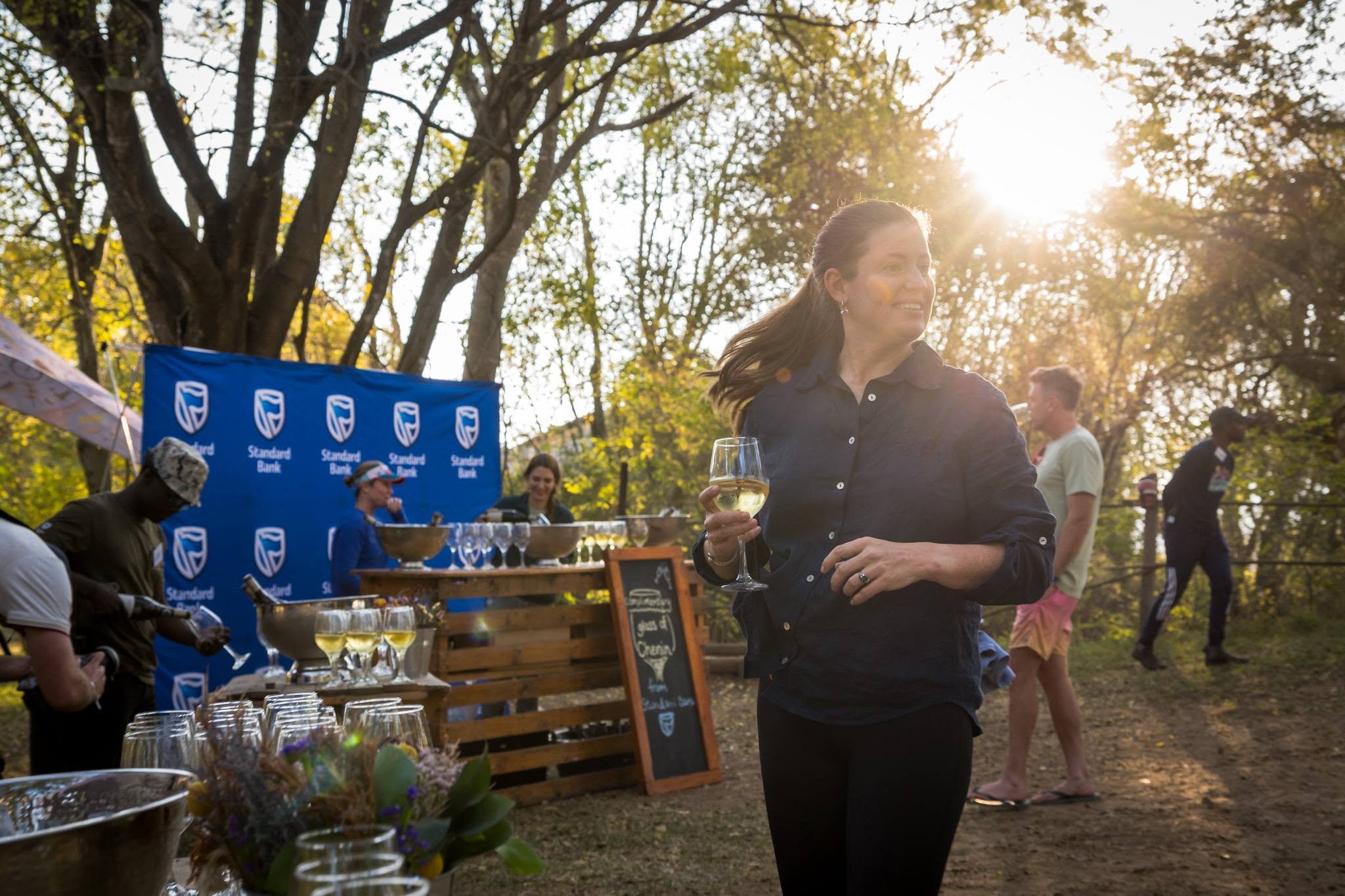
There are countless other refinements too: improved shower and toilet facilities, a dedicated registration building, an on-site memorabilia shop and numerous infrastructure upgrades around race village. Individually they’re small changes; collectively they contribute to a noticeably more polished experience.
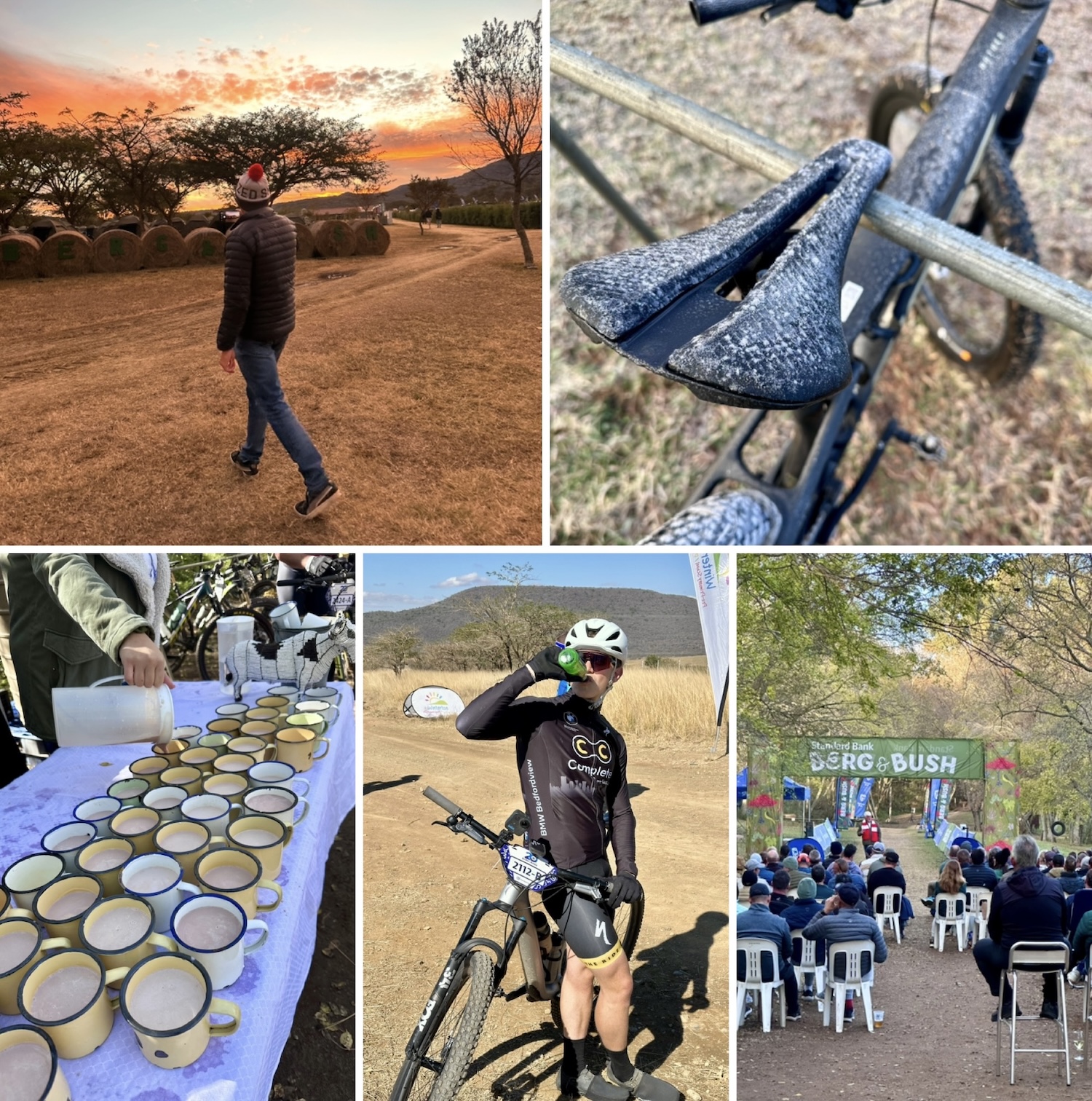
Yet for all the evolution, much remains reassuringly familiar. The hospitality is still exceptional. The food remains among the best I’ve experienced at any stage race. The famous Hot Box tent still keeps riders fuelled and warmed with coffee, tea, hot chocolate and snacks around the clock. The trail network continues to expand while maintaining its rugged character, and the race briefings remain as entertaining as ever.
Most importantly, Berg & Bush still delivers the relaxed, welcoming atmosphere that helped build its reputation over the past two decades.
MY 2026 BERG & BUSH EXPERIENCE
I’ve already covered what’s changed, but the ride itself deserves a mention because, despite all the evolution, Berg & Bush remains a genuinely memorable mountain biking experience.
THE ROAD TRIP
One of Berg & Bush’s advantages for Gauteng riders is its accessibility. From Johannesburg, it’s about a four-and-a-half-hour drive, including a meal stop. Most of the journey is on the N3, with only the final stretch requiring some pothole-dodging on local roads.
REGISTRATION & RACE VILLAGE
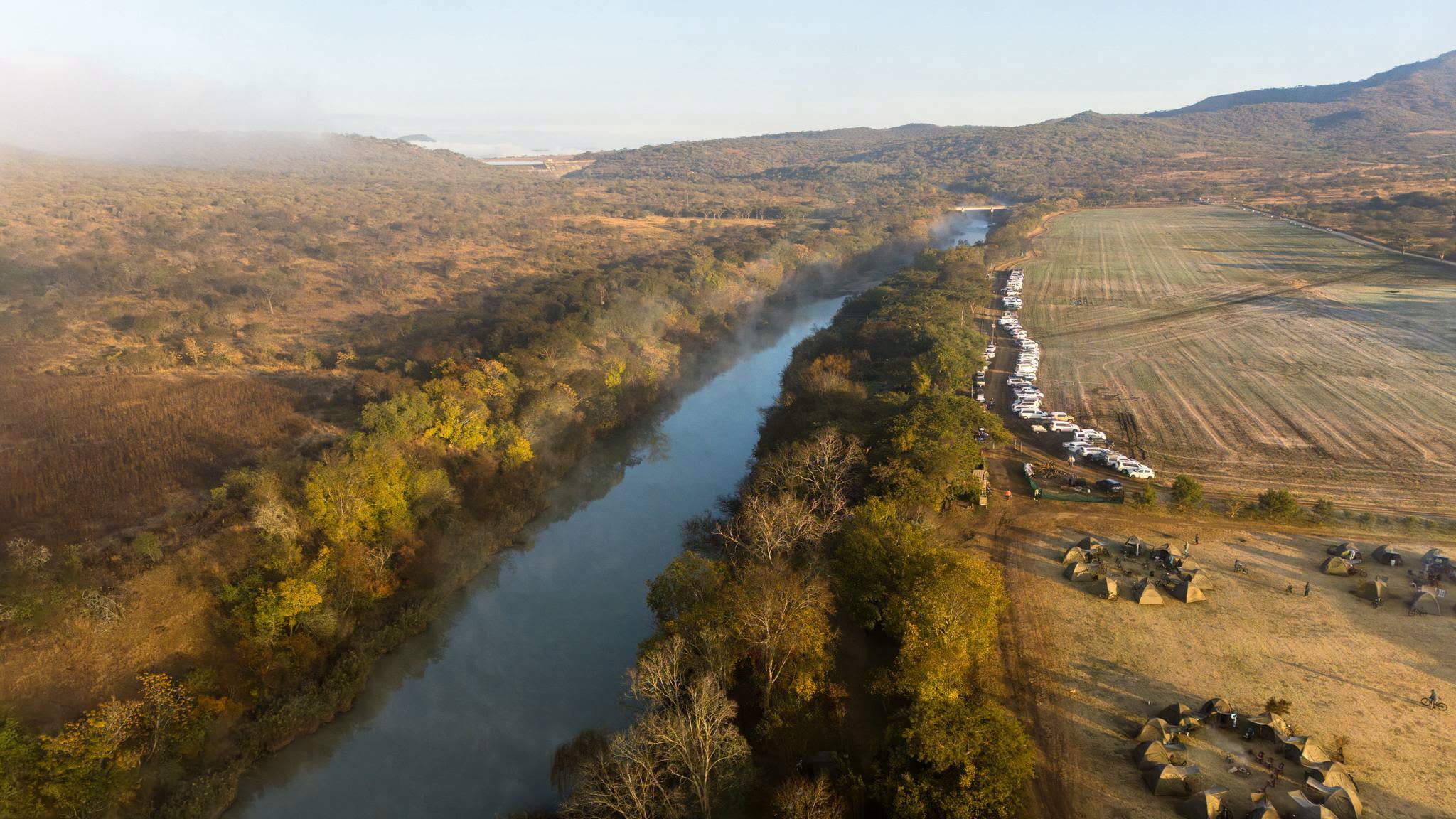
Registration was smooth and noticeably improved thanks to the new building near the main parking area. We skipped the porter service on arrival, but used it when leaving. The porter, naturally, was a farm tractor pulling a trailer – a fitting touch for an event that proudly embraces its rural roots.
TENT LIFE
Cade and I stayed in the upgraded Weaver tent section overlooking the Tugela River. The setting was spectacular and the upgraded accommodation added a level of comfort that would have seemed luxurious by stage race standards a decade ago. Proper beds, power points and lighting make a huge difference after a long day on the bike. The nights were cold, but with an extra blanket we each brought with us, we slept comfortably throughout.
STAGE 1
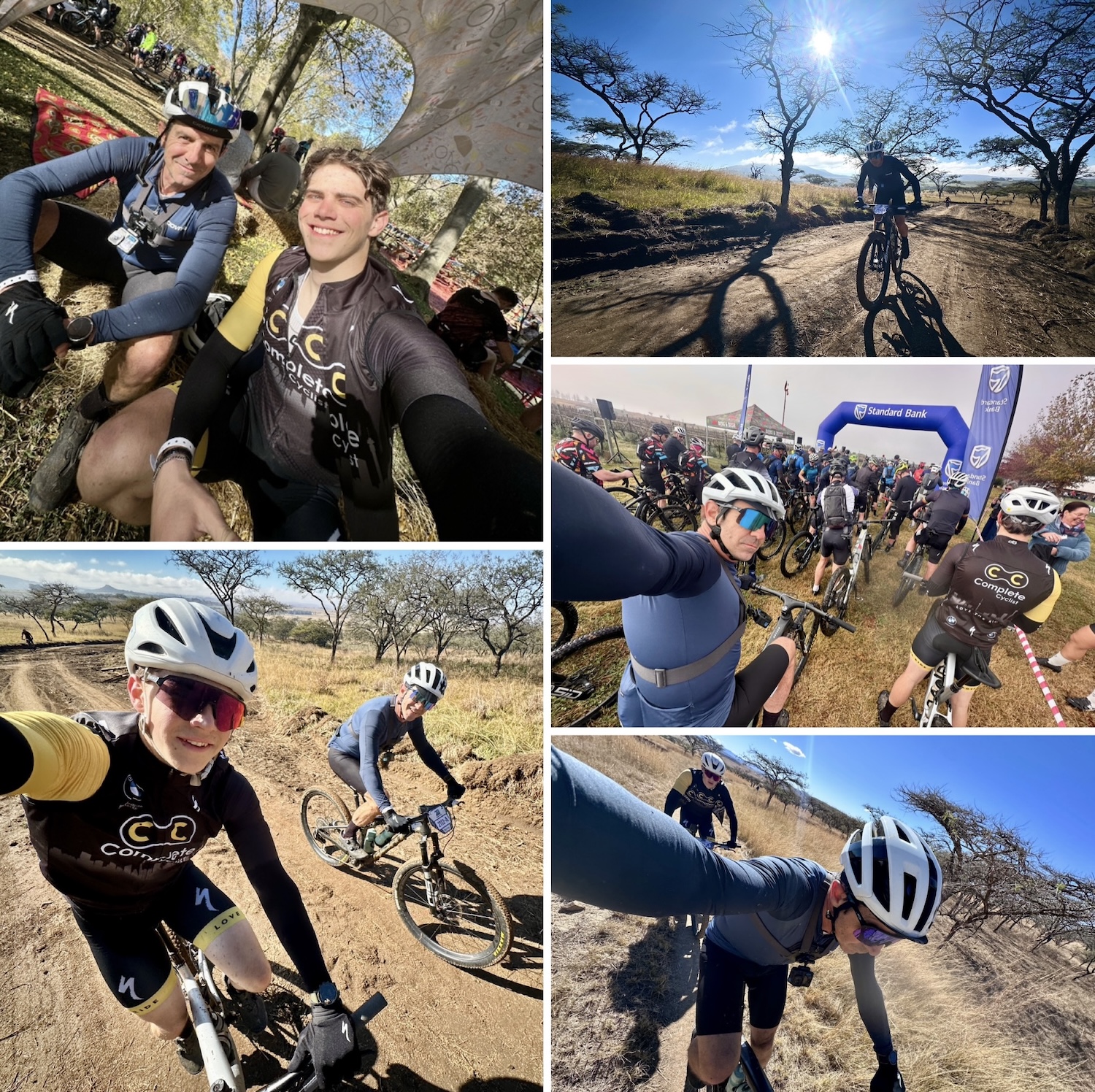
The opening stage began with its characteristic remote start, which was handled efficiently. We paid the fee to have our vehicle shuttled back to Emseni, making the logistics hassle-free.
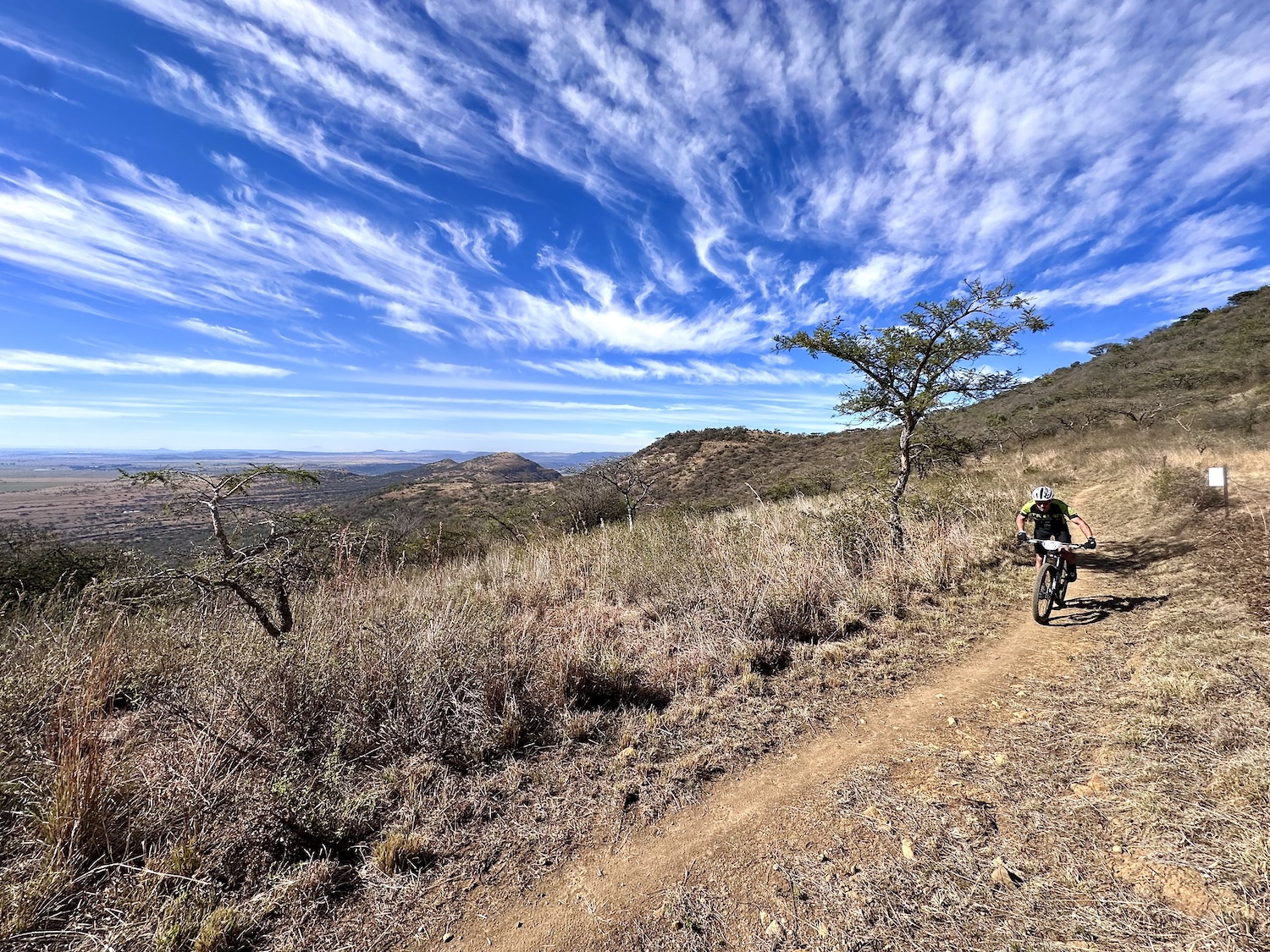
While I still missed the legendary Drakensberg Escarpment descent that I rode in 2014 and almost rode in 2017, the revised route had its own rewards. The views across the Drakensberg were magnificent, with snow still visible on some of the highest peaks. One of the highlights of the entire race came when four giraffes ran ahead of us through a game reserve – a uniquely South African mountain biking moment. We captured this on our GoPro Max, which you can view here.
The 71km route was demanding, particularly a long climb around the 50km mark that finally forced me to stop briefly and catch my breath. Nine months after open-heart surgery, I was reminded that fitness is earned, not wished for.
STAGE 2
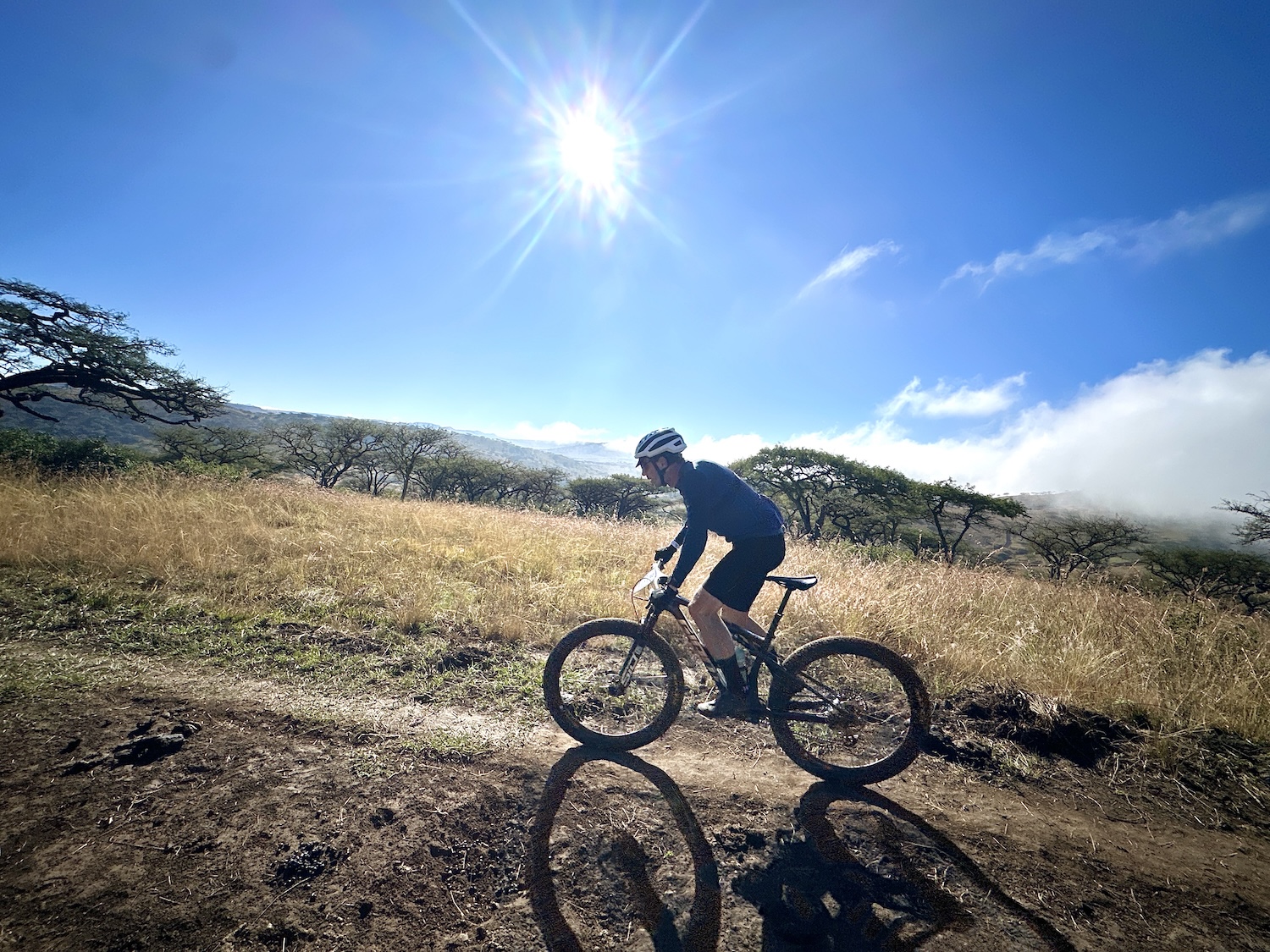
For me, this was classic Berg & Bush. The organisers have mastered the art of building routes that climb steadily enough to find a rhythm without completely breaking riders. There were still a few tough moments, including Mike’s Pass, but the reward came in the form of long, flowing descents and some outstanding singletrack. Big Red and Puffadder Pass remain exactly the kind of trails that make mountain bikers smile.
STAGE 3
The final day delivered some of the best riding of the event. A relatively new trail called Matt’s Magic stood out immediately. It’s beautifully built, wonderfully flowy and the sort of trail I’d love to ride again when I’m fitter and there are fewer riders around me. The Kloof section was an unexpected exciting descent that definitely needs some marketing!
The climb up Spioenkop via the Boer Route was another highlight. Gaining 165 vertical metres over 4km, it never feels brutally steep and the well-designed switchbacks make it surprisingly rideable. At the summit, the water point had a festive atmosphere that encouraged riders to linger a little longer than planned.
From there, all that remained was the iconic Spioenkop descent to the finish. We found a few traffic-free sections where we could let the bikes run, but I was also reminded that there is still work to do before I can ride descents the way I want to again – nearer the front of the race among more skilled riders.
OFF THE BIKE
Like South Africa’s other major stage races, Berg & Bush understands that the experience extends beyond the riding. The atmosphere around race village was relaxed and comfortable, with plenty of opportunities to socialise, recover and prepare for the next stage. As a coffee enthusiast, I appreciated having Seattle Coffee available on site, even if it wasn’t included in the entry fee. The food, however, was exceptional and remains among the best I’ve experienced at any stage race.
THE TRAILS
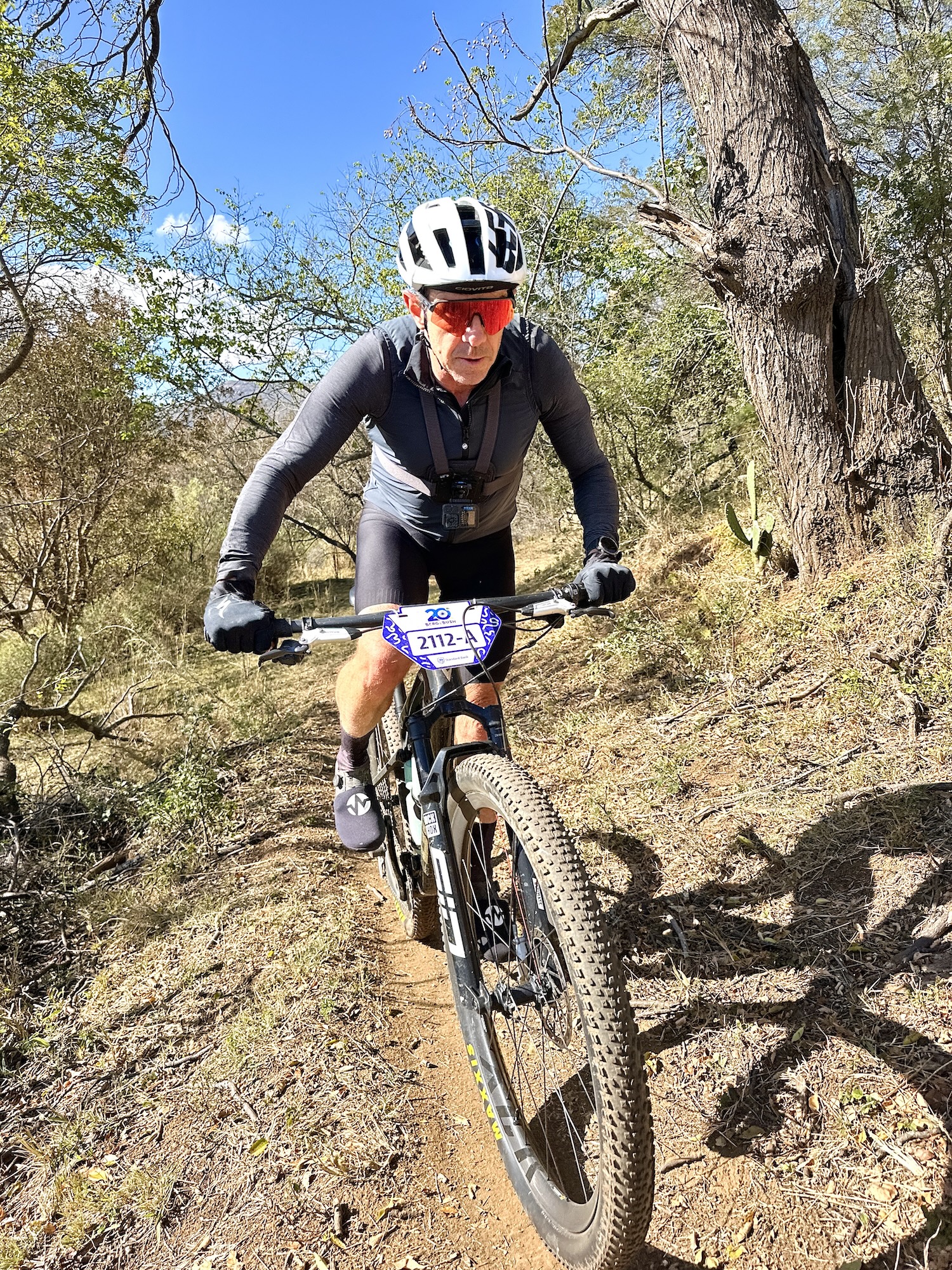
After 20 years, Berg & Bush knows exactly what riders want from a stage race trail network. The organisers continue to add new sections each year and many of the trails we rode were unfamiliar to me. They’re not perfectly manicured bike-park trails though. They’re purpose-built mountain bike trails that retain a natural feel and demand attention.
A properly set-up bike is essential and even then you’ll probably finish each day with slightly sore hands. That’s not a criticism; it’s part of what makes the riding feel authentic.
RIDING WITH CADE
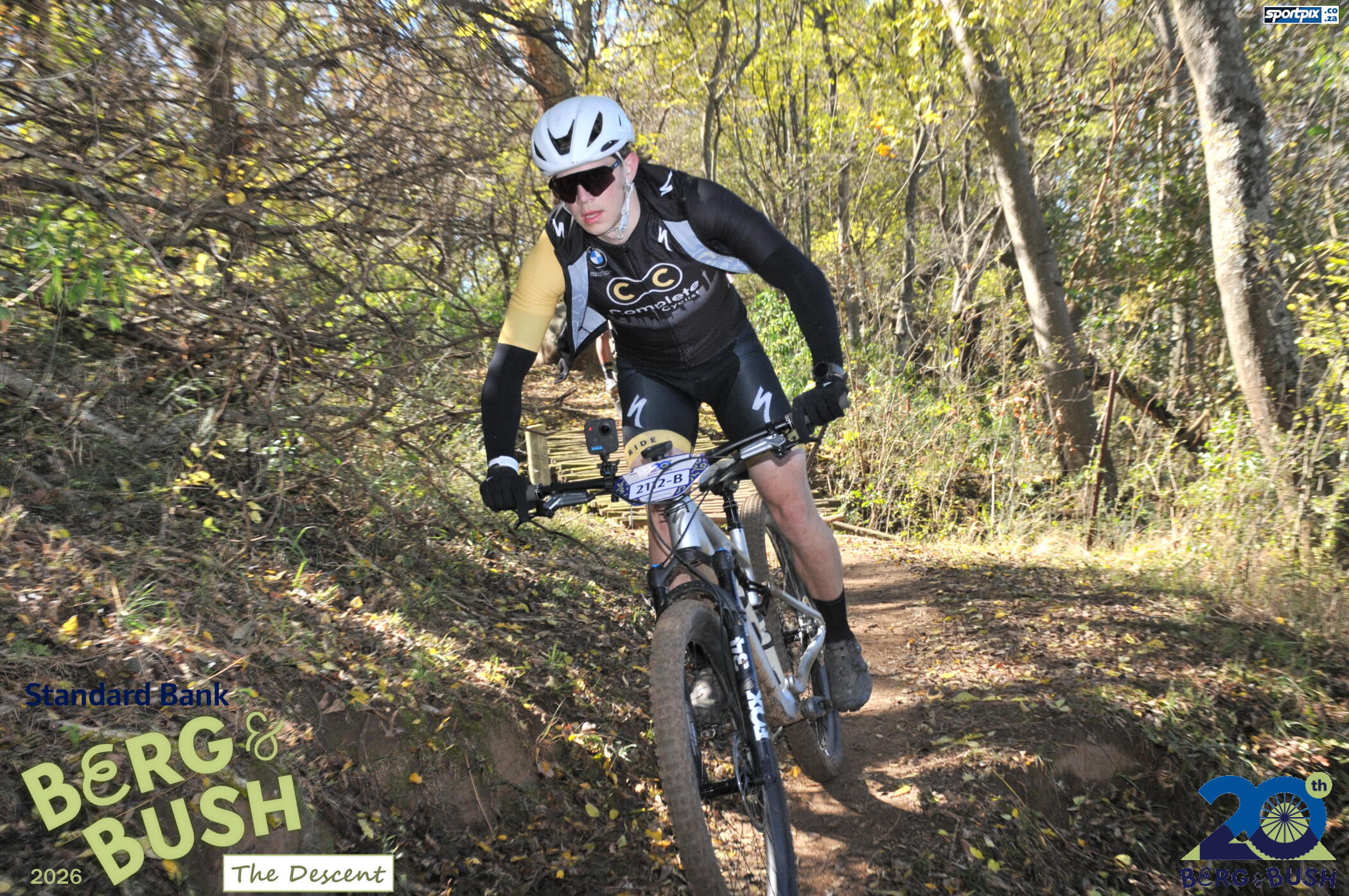
The biggest highlight of the weekend wasn’t a trail, a view or even a finish line. It was riding alongside my son.
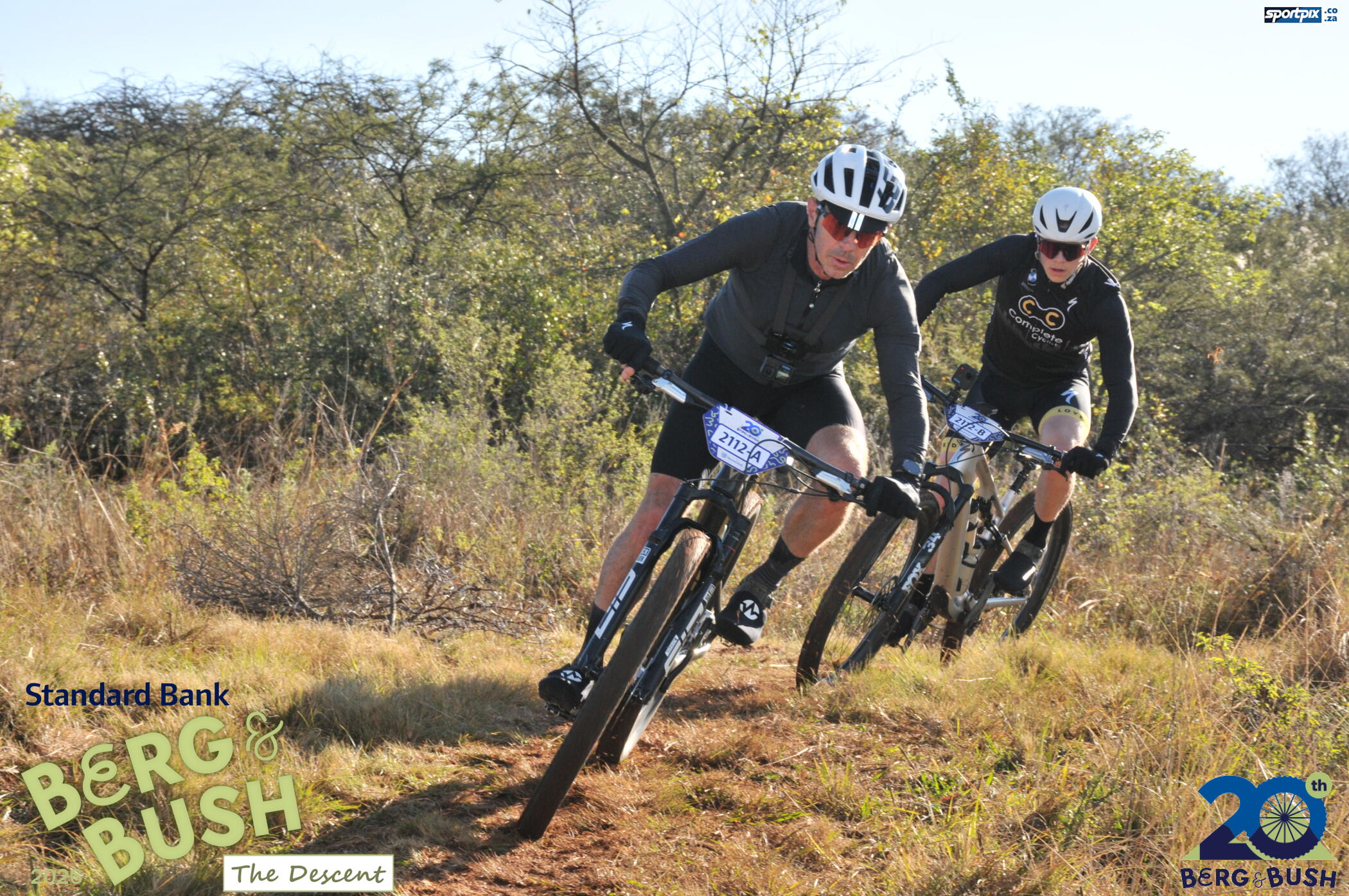
The last time we raced together was sani2c in 2024, when I was fitter and stronger than I am today. This time the roles were somewhat reversed. Cade was patient on the climbs, encouraging when I needed it and, as always, impossibly fast on the descents.
Sharing three days on the trails, the road trip and race village life created memories that will stay with me forever. Long after I’ve forgotten individual trail names or finishing times, I’ll remember this experience with Cade.
WILL I BE BACK?
My entry to this year’s event was provided as a media entry, so I didn’t personally pay for it. Looking objectively at the pricing, however, Berg & Bush remains one of the better-value stage races in South Africa.
The trails are excellent, the organisation is polished, the atmosphere is welcoming and, for riders based in Gauteng, the travel commitment is manageable.
Most importantly, Berg & Bush still feels like a mountain bike event created by mountain bikers. I’ll definitely be back. Hopefully a little stronger, a little fitter and able to enjoy those trails even more than I did this time.

