

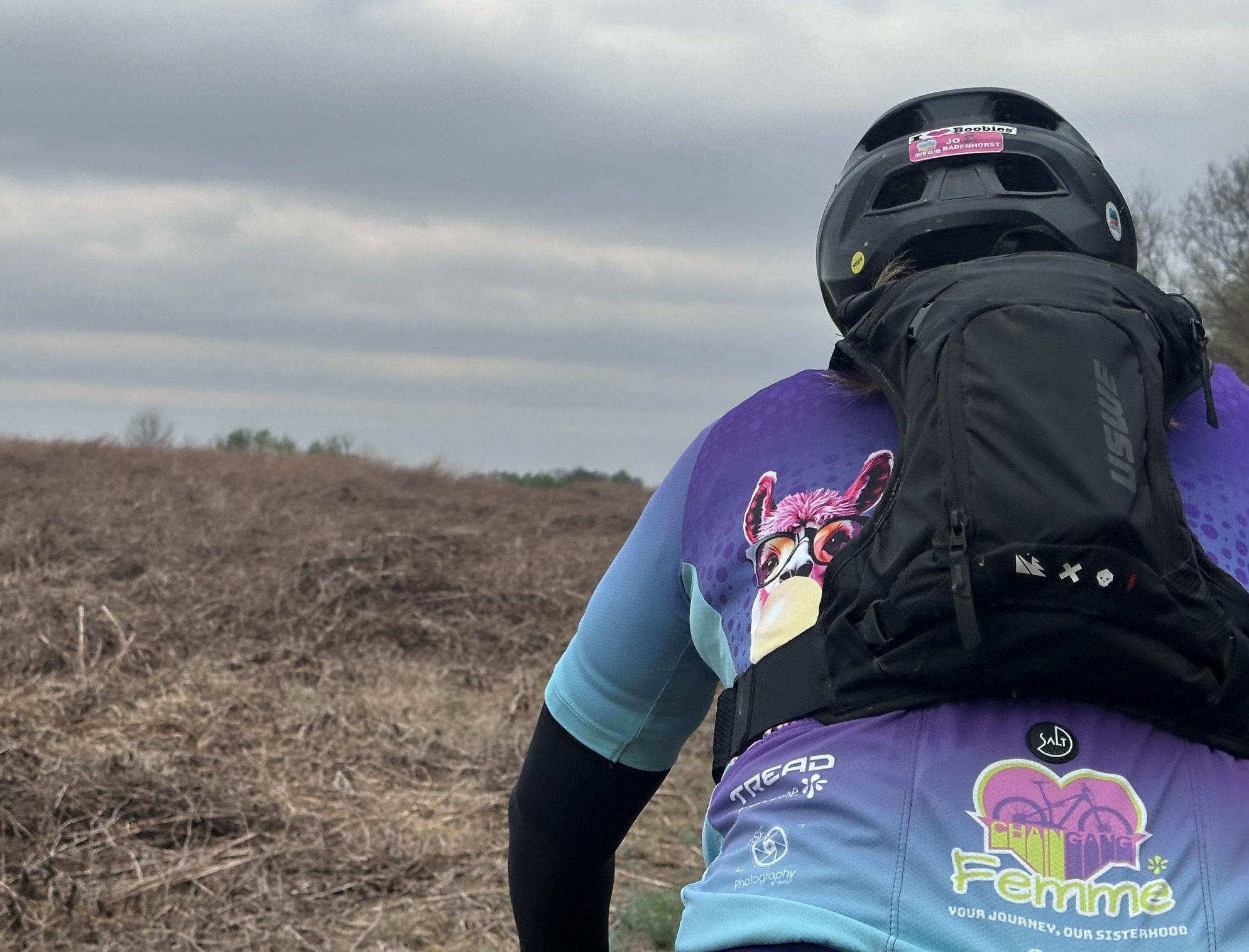
There is a point on every long mountain bike ride when hydration stops being something I should think about and becomes something I absolutely need to think about. I am hours into the ride. The climbing has taken its toll. The temperature has climbed. I am tired, my concentration is being tested and there is still a long way to go. And then I realise I am thirsty.
by Joanne Badenhorst
The problem? My water bottle is sitting in the cage on my bike. On a smooth dirt road, reaching for a bottle is hardly an issue. But when the trail turns into technical singletrack, with rocks, roots, tight corners and obstacles demanding my attention, accessing that bottle becomes far less convenient. For anyone riding long distances or tackling a stage race, having an alternative makes sense.
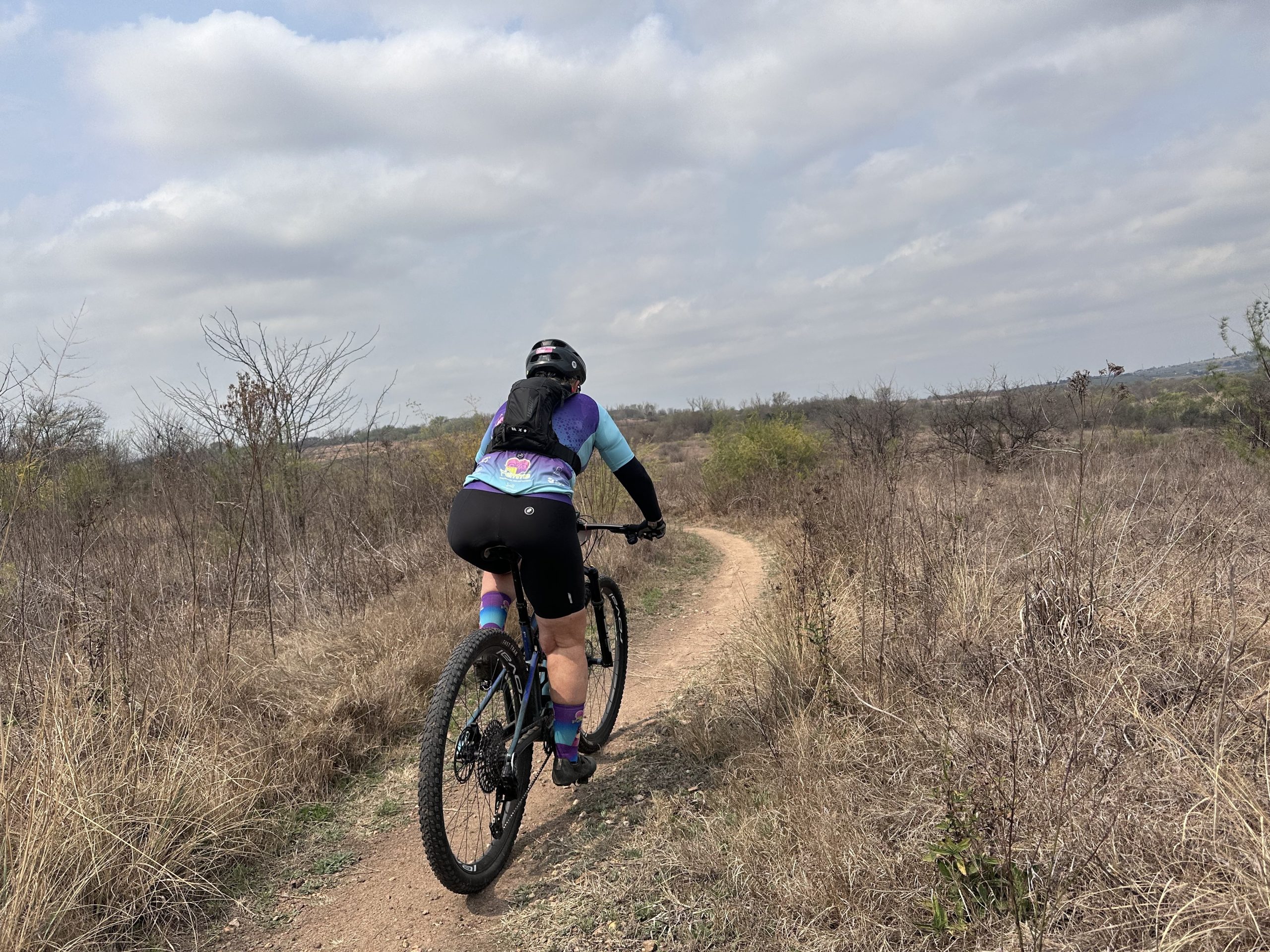
HYDRATION IS PART OF YOUR RIDING STRATEGY
We tend to focus on the obvious things when preparing for a big MTB event: training, nutrition, tyres, suspension, clothing and equipment. Hydration deserves exactly the same attention.
During a long race or stage, I can spend several hours on the bike, often in conditions that increase my fluid requirements. I don’t want to reach the point where I am desperately thirsty before I start drinking. The goal is to make hydration part of my riding rhythm.
Little and often is much easier when my drink is right there when I need it. This is where a hydration pack can make a significant difference. A hydration bladder and drinking tube keep my fluid readily accessible, allowing me to drink throughout the ride without interrupting my rhythm or compromising my control of the bike.
That convenience becomes particularly valuable when the trail gets technical.
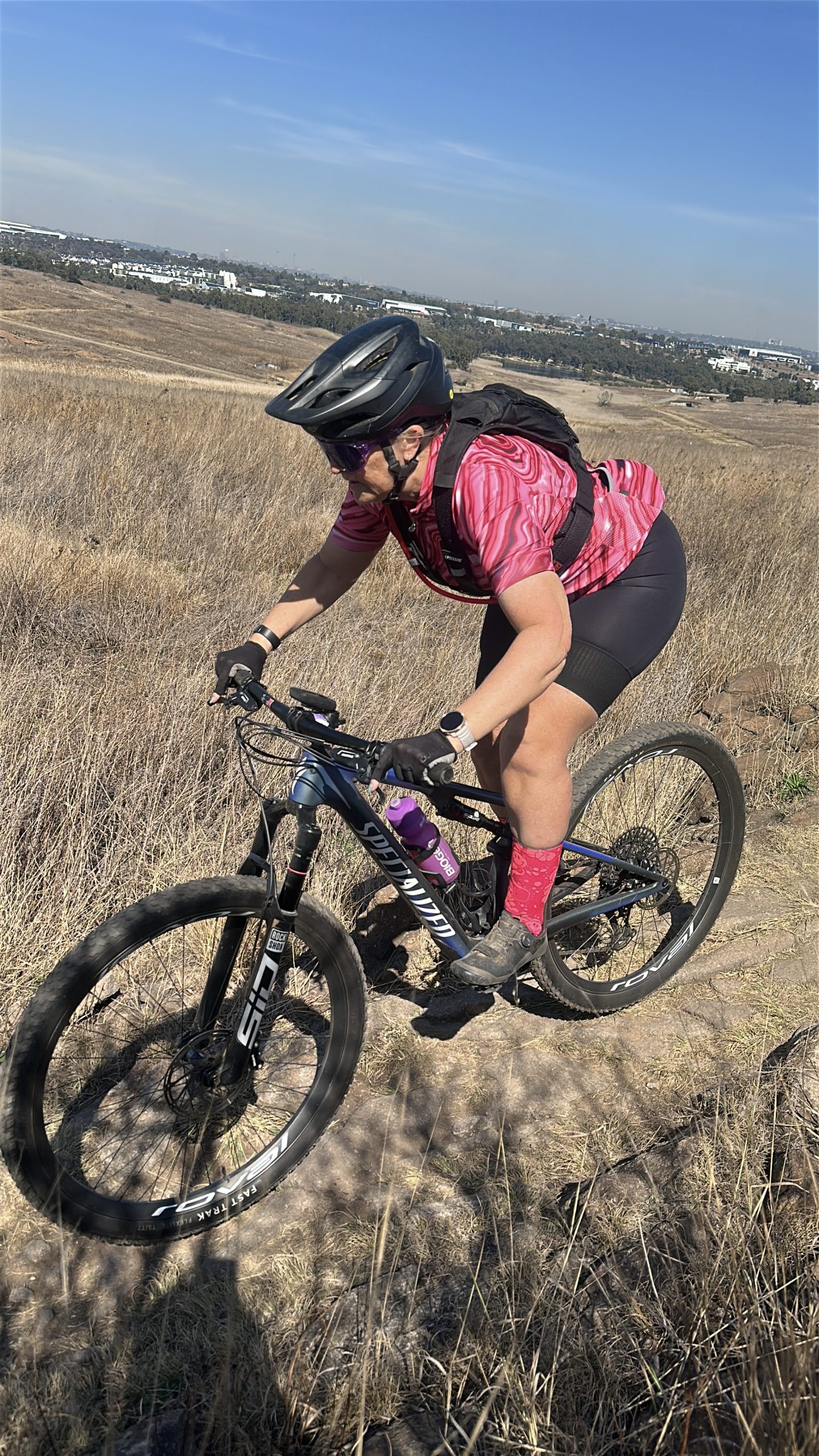
THE SCEPTIC IN THE ROOM
But here’s the thing: I wasn’t initially convinced that I needed a hydration pack at all.
I had tried various hydration packs over the years and had tried on the various USWE models in the shop and had yet to find one that felt comfortable across my chest. Instead of feeling secure and supported, the fit made me very conscious of my boobs and uncomfortable with the way the pack sat on my body.
So, like many women, I simply stuck with what worked for me.
Two bottles on the bike were traditionally enough to get me from one water point to the next at an event. Hydration wasn’t something I particularly worried about, and a hydration pack seemed like another piece of equipment I didn’t really need.
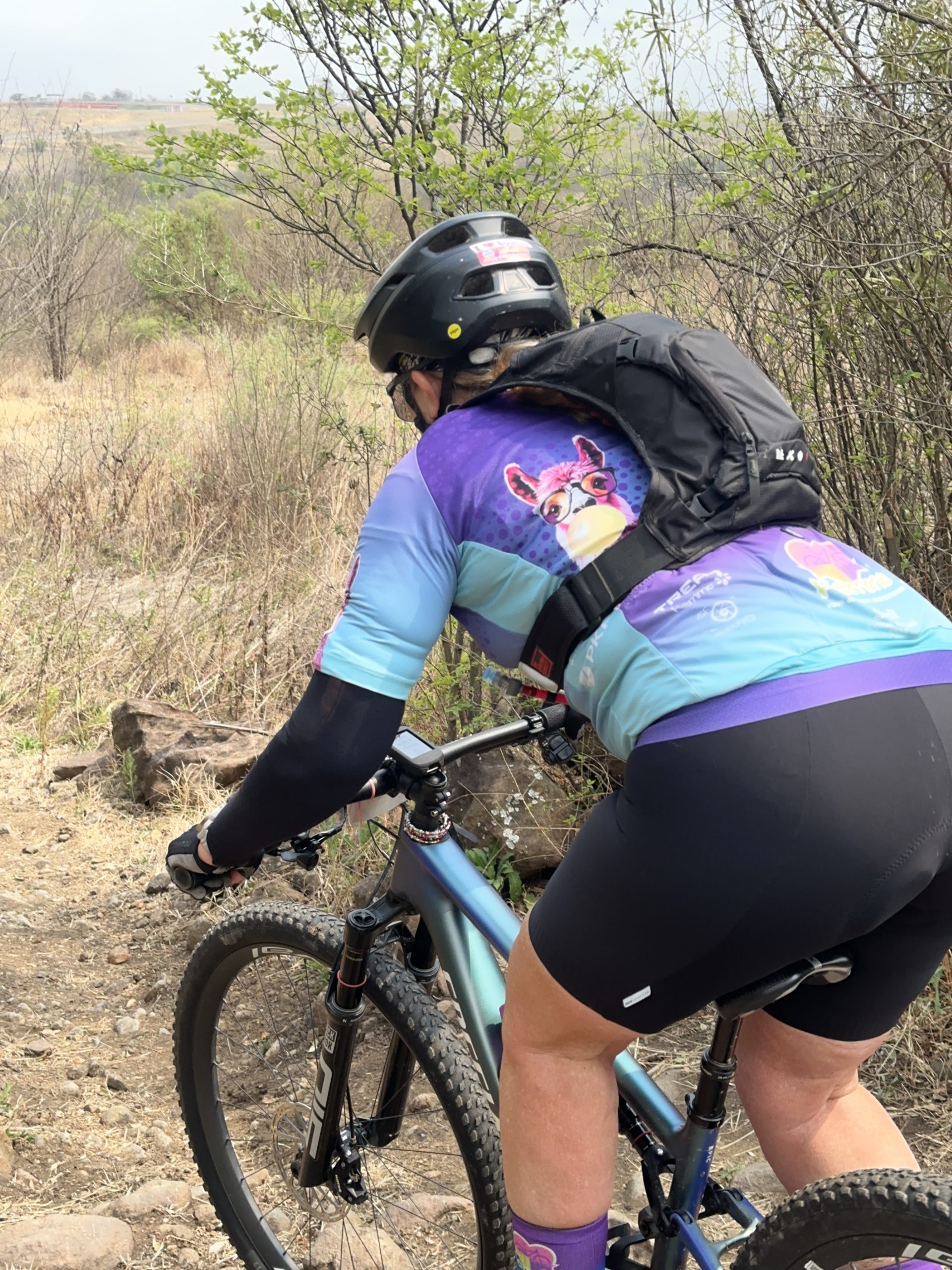
The two-bottle approach still works perfectly well for me when the course allows it. But introduce long stretches of singletrack, particularly technical singletrack, and the convenience of having fluid immediately accessible becomes much more obvious.
Suddenly, it isn’t necessarily about carrying more water. It’s about making the water I already need easier to access.
I tested the USWE hydration system during the 2026 Standard Bank Berg & Bush, a short stage race with a fair amount of singletrack, and this was where it really came into its own.
Not only did I find the pack comfortable enough to wear for the duration of the stages, but the ease of accessing my hydration while riding the singletrack made a noticeable difference to the overall experience.
My comfort and hydration needs weren’t just met, they were exceeded.
And that’s where the USWE hydration system changed my mind. Especially when I discovered that the front strap system came in different sizes. This is a critical bit of information, and made all the difference.
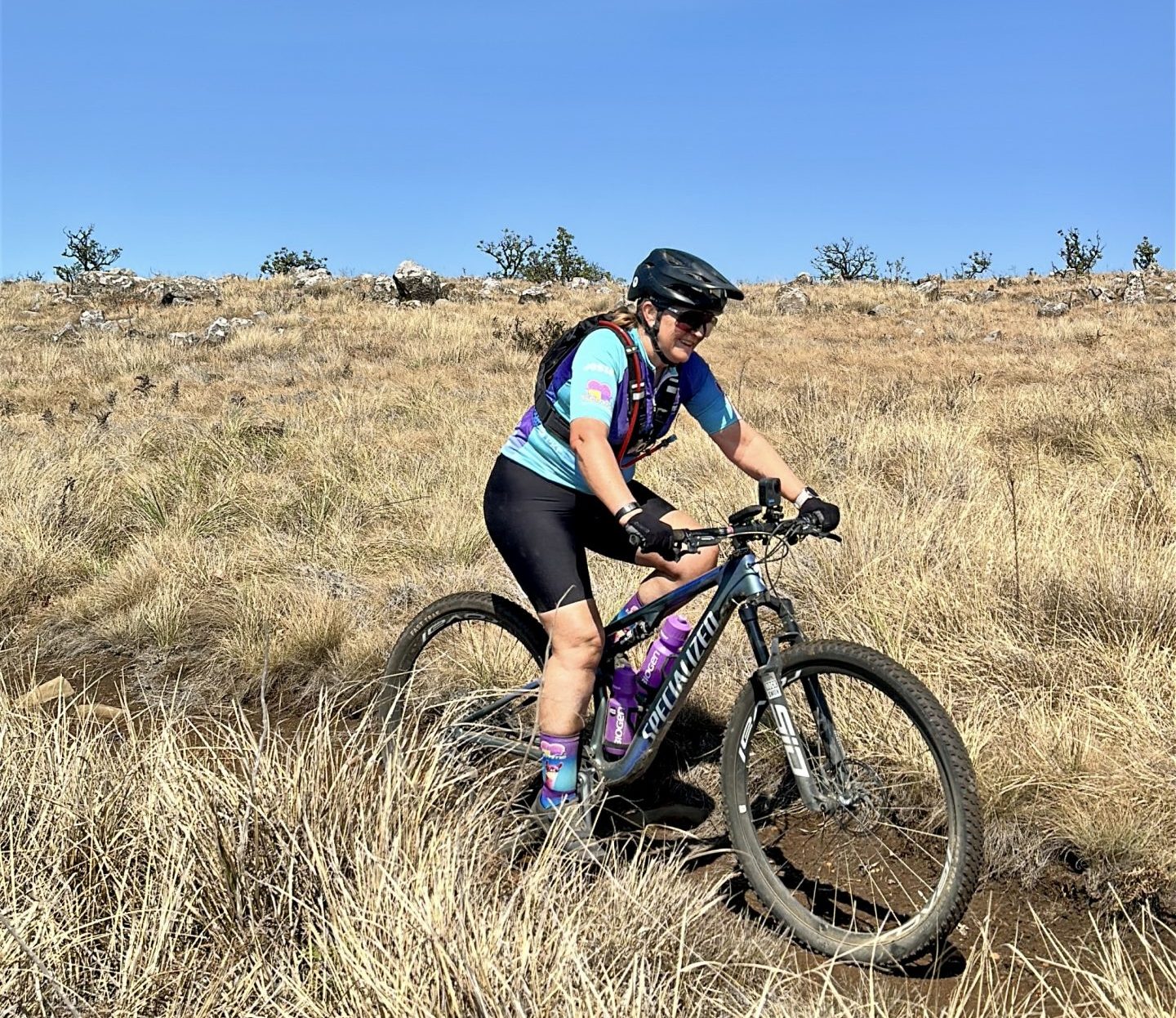
IT’S ABOUT CARRYING LIQUID COMFORTABLY
There is another consideration that becomes particularly important for women: fit. Women’s bodies come in a variety of shapes and sizes. There isn’t one universal female MTB body, and cycling equipment shouldn’t assume that there is.
Some women are tall, some short. Some have broader shoulders, some narrower. Some have curves, and some don’t. The best equipment is equipment that can adapt to the rider. That is one of the reasons the fit and adjustability of the USWE hydration system caught my attention.
Rather than simply putting on a pack and hoping it stays where it should, the system allows the fit to be adjusted to the individual rider. In our video, we look specifically at how changing the front strap configuration, including moving to a larger strap option, can make a meaningful difference to comfort and fit.
The ultimate test of good cycling equipment is essentially how little you notice it. A hydration pack that moves around, feels restrictive or constantly needs adjusting becomes a distraction. In a stage race, where I am carrying fatigue from one day into the next, comfort becomes even more important.
Day one might be manageable. By day two, I’m already carrying fatigue. By day three, my body has had enough of things that aren’t comfortable. A comfortable, secure pack should simply sit where it needs to sit and allow me to get on with riding.
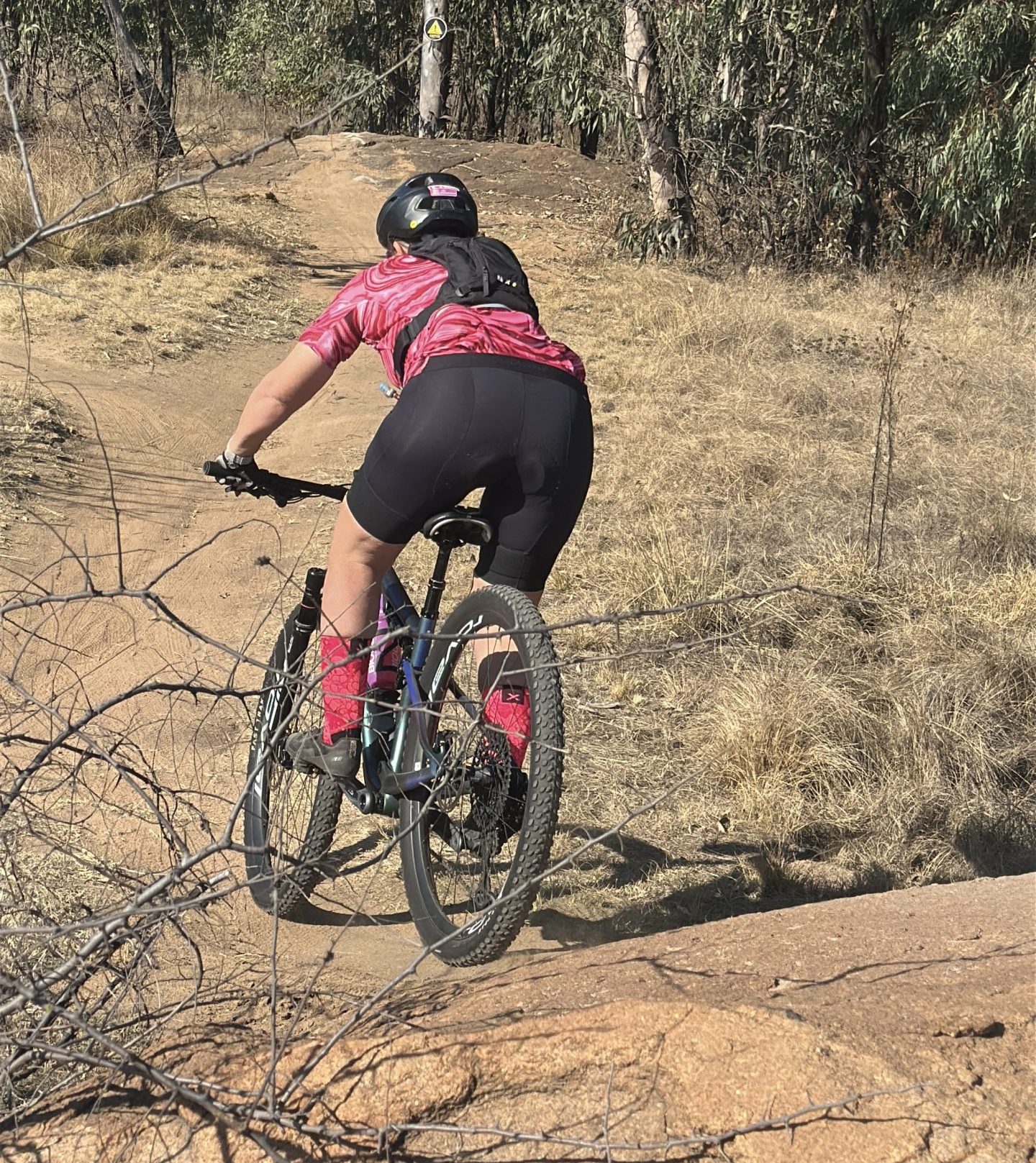
THE VERDICT
I don’t need complicated solutions to every problem in mountain biking. Sometimes the answer is simply making something easier. For me, a hydration pack wasn’t something I initially saw as necessary. Two bottles had always done the job, and that remains a perfectly practical solution for many rides and events. But conditions change.
When a course includes significant amounts of singletrack, especially technical sections where bike control and concentration are critical, easy access to hydration becomes far more important. The Standard Bank Berg & Bush experience proved that to me.
The USWE hydration pack gave me the comfort I had previously struggled to find in a hydration system, while the drinking tube meant that getting a drink was simple and accessible when I needed it.
And that’s the key for me. I didn’t suddenly become someone who believes every ride requires a hydration pack. I still happily ride with bottles when they make sense for the route and the distance. But on a long MTB day with plenty of singletrack, I now appreciate having another option.
USWE MTB HYDRO 3L Hydration Pack Black, with XXL strap
PRICE: RR R3 950.00
More information: https://vivovitasport.com/product-category/uswe/

