

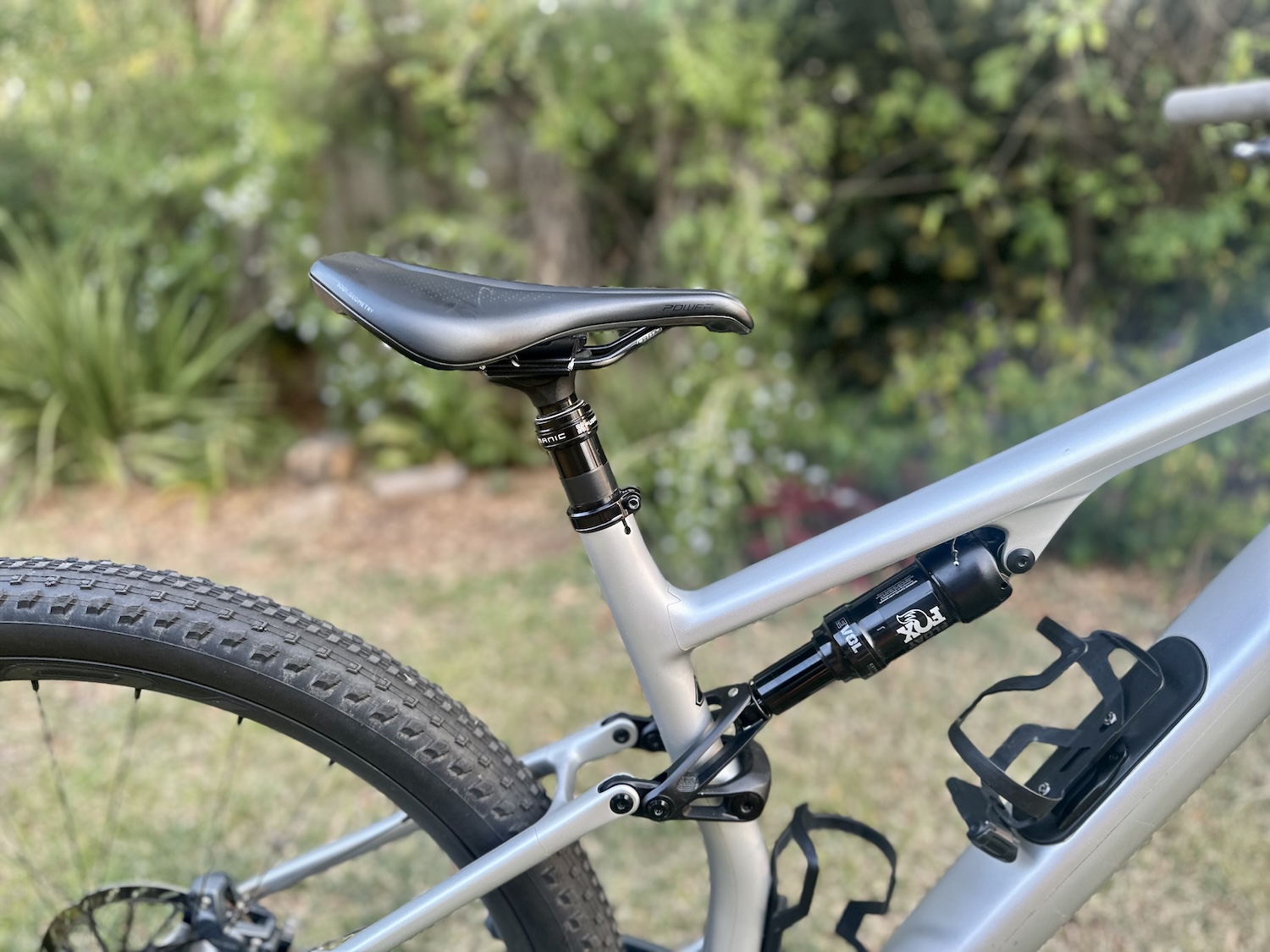
There was a time when the dropper seatpost was considered a luxury. A clever bit of technology for serious trail riders and racers, perhaps, but hardly something every mountain biker needed. That argument has aged badly.
By Sean Badenhorst
According to our South African Mountain Biking Survey, presented by Garmin, 50.17% of respondents in 2025 said they had a dropper post and used it all the time. That’s up from 41.37% in 2022. At the same time, the percentage of riders without a dropper fell from 50.51% to 37.08%. There’s another telling number: a further 12.75% of respondents had a dropper but didn’t use it regularly.
So, almost two-thirds of the mountain bikers surveyed now have a dropper post on their mountain bike.
The numbers tell us that the dropper has moved from upgrade to mainstream equipment. But they don’t tell the whole story. Because the real reason dropper posts have won isn’t simply that they make descending easier. They make mountain biking easier.
IT’S ABOUT CONTROL, NOT JUST DESCENDING
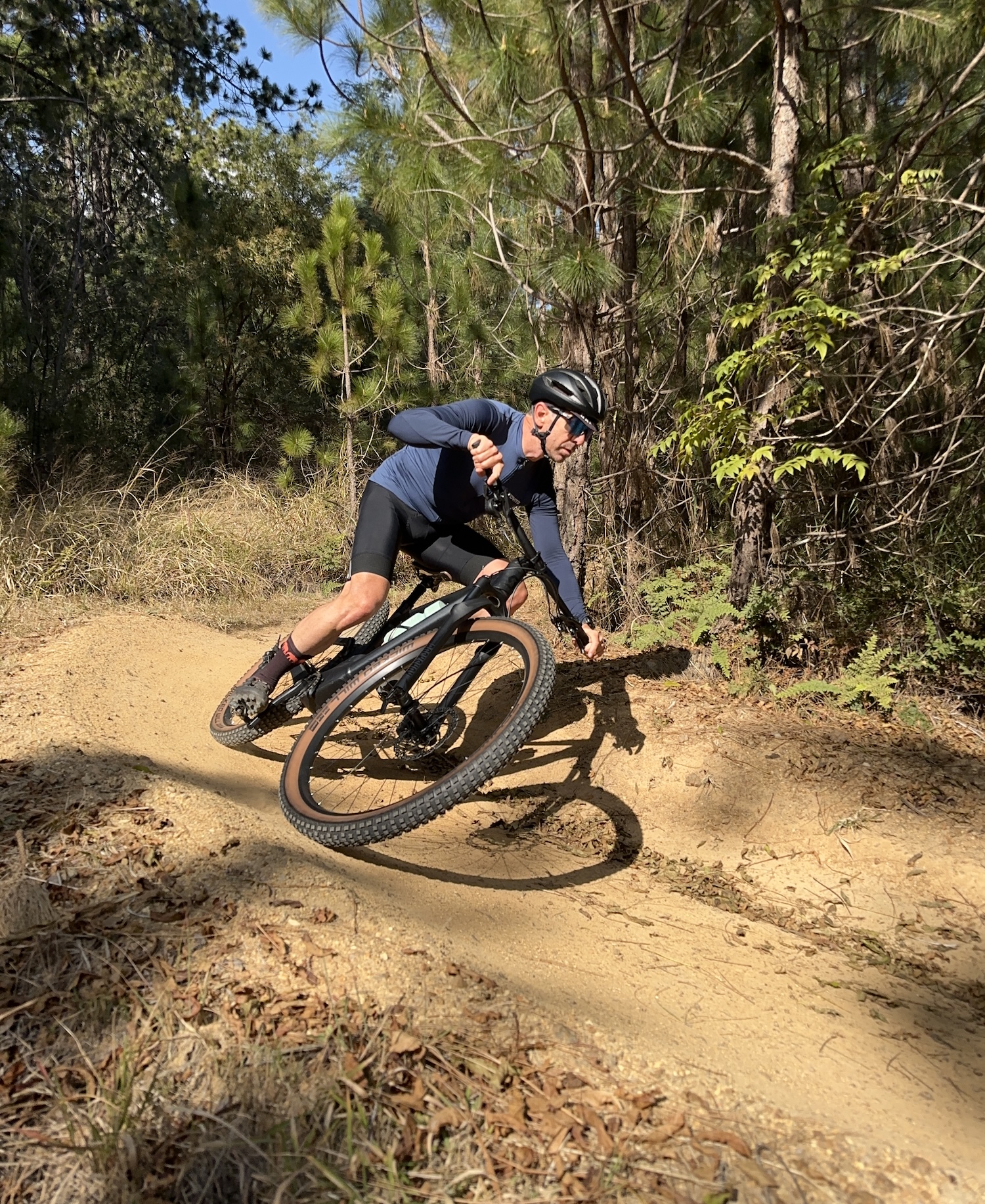
The classic explanation for a dropper post is straightforward: drop the saddle when descending, giving you more room to move around the bike. That’s absolutely true, but it undersells what happens when the trail gets technical.
On a fast, twisting section of singletrack, being able to lower the saddle allows you to move your body and bike independently. It creates space to shift position through corners, lean the bike beneath you and keep your weight where it needs to be for optimal traction and speed.
The benefit isn’t necessarily about getting the saddle right down. Sometimes 20 or 30mm is enough to give you the freedom to move.
And that’s why a dropper is particularly useful on the kind of trails that South African mountain bikers enjoy: trails that continually change direction, pitch and character rather than simply pointing downhill.
You only need your saddle up as a perch for pedalling from. The rest of the time it is in the way.
AND IT WORKS ON CLIMBS TOO
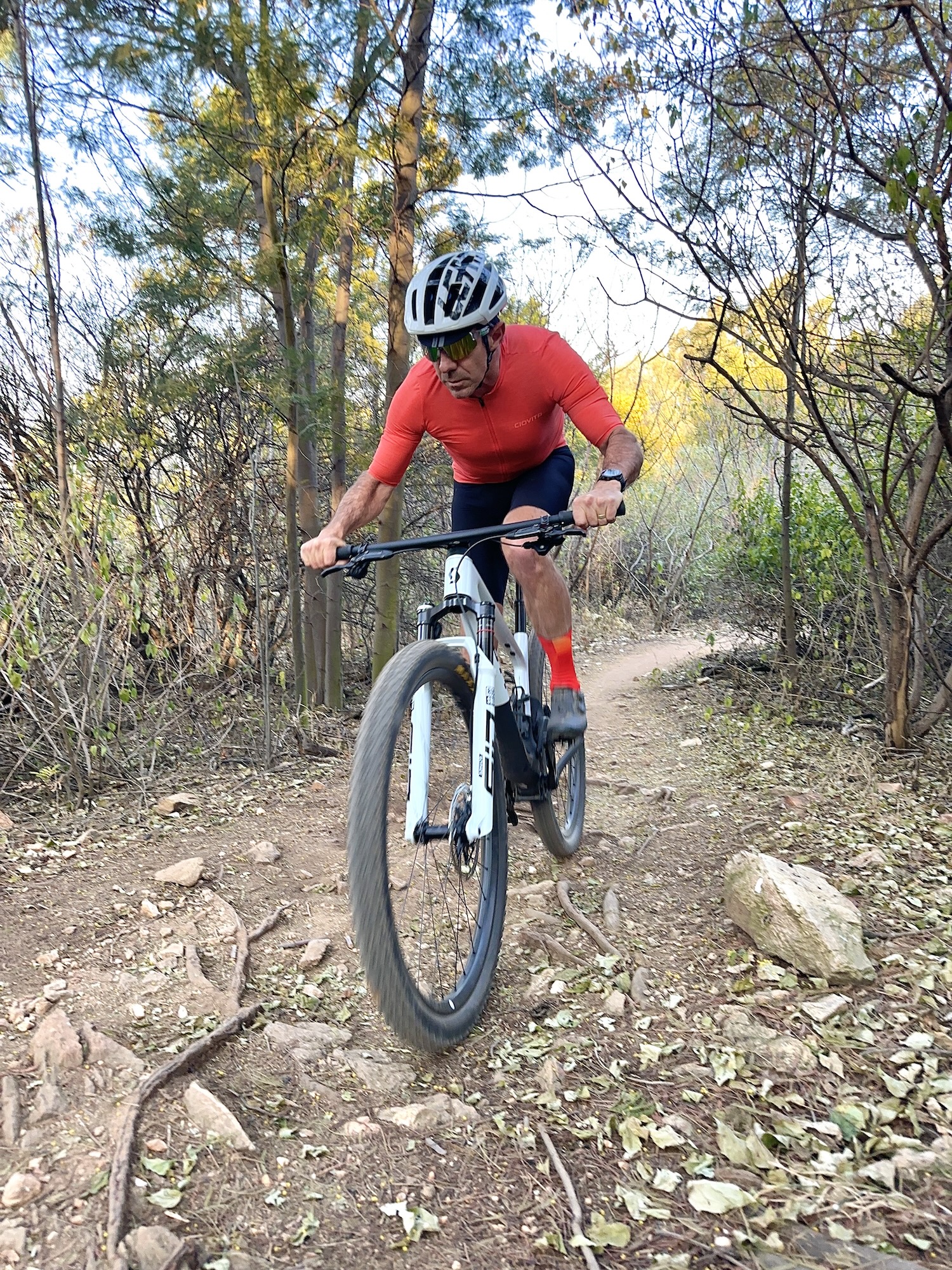
This is one of the less appreciated benefits of a dropper post. A good dropper isn’t simply an up-or-down device. The best ones allow you to position the saddle wherever you want within their range.
That can be particularly useful during a long endurance ride. After several hours in the saddle, your legs and back don’t necessarily want to maintain exactly the same pedalling position they’ve held since the start. Temporarily dropping the saddle by just 10-15mm can subtly alter your hip and knee angles and provide some relief to tired muscles.
It’s not about finding a new permanent riding position. It’s about making a small adjustment that can make the next hour more comfortable. For a rider five or six hours into a mountain-bike ride, that small change can be surprisingly welcome.
The dropper therefore isn’t only a descending tool. It is an adjustable contact point between rider and bike.
TRY GETTING ON WITHOUT ONE
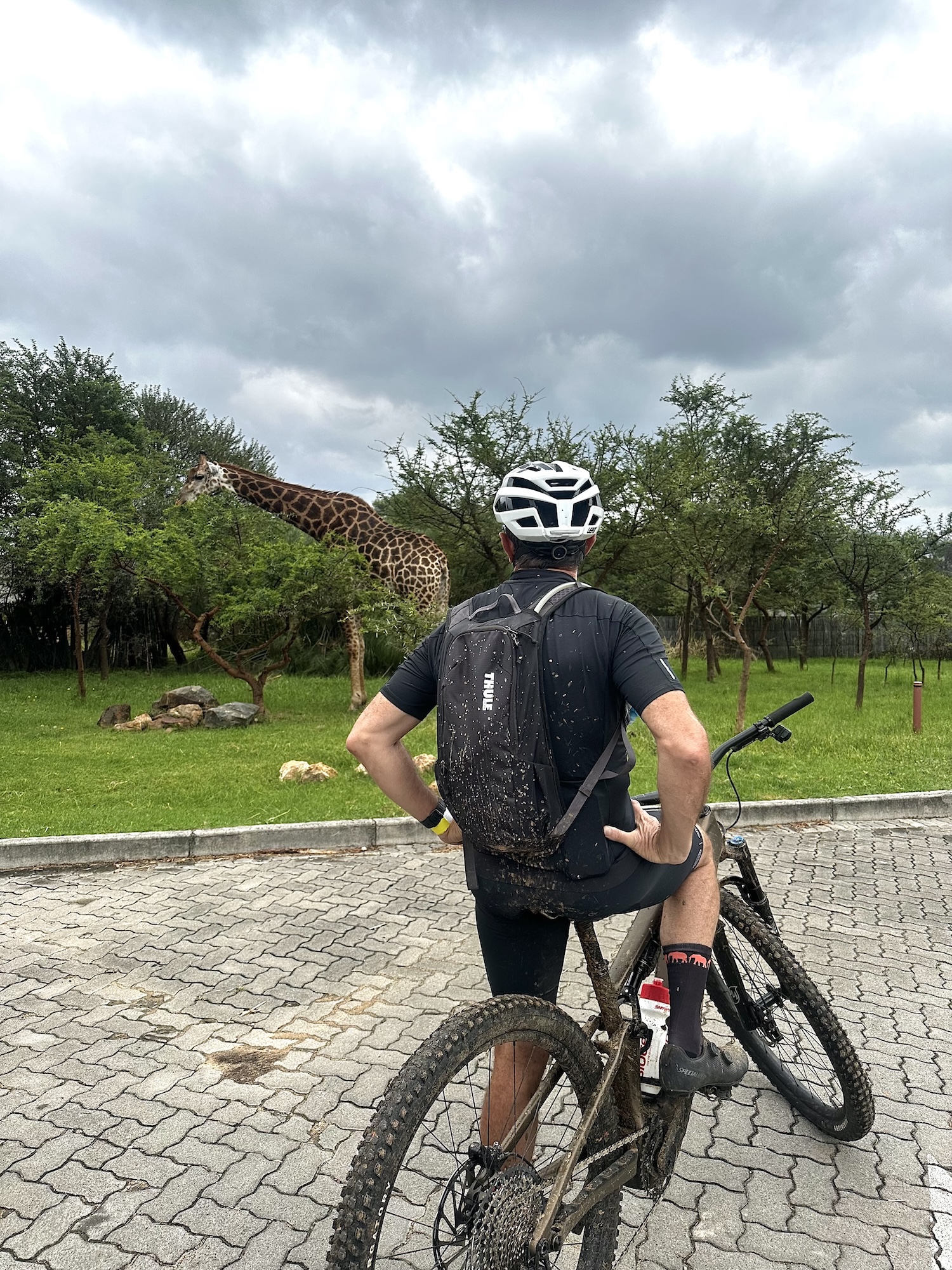
There’s another benefit that becomes increasingly obvious as riders get older or less flexible. Getting onto a mountain bike with the saddle at full pedalling height can be awkward. Getting off can be even more awkward.
With a dropper, you can lower the saddle before mounting, get comfortably onto the bike and then raise it once you’re rolling. The same applies when stopping.
At a traffic light, during a regroup on a bunch ride or when waiting for a friend at a trail junction, dropping the saddle allows you to put both feet comfortably on the ground without having to dismount.
For a younger, flexible rider this might seem trivial. For an older rider, someone with reduced flexibility or simply anyone who isn’t particularly confident balancing a tall mountain bike at a standstill, it can make a substantial difference. It’s one of those features that becomes more valuable the longer you ride bikes.
EVEN A BIKE-RACK BENEFIT
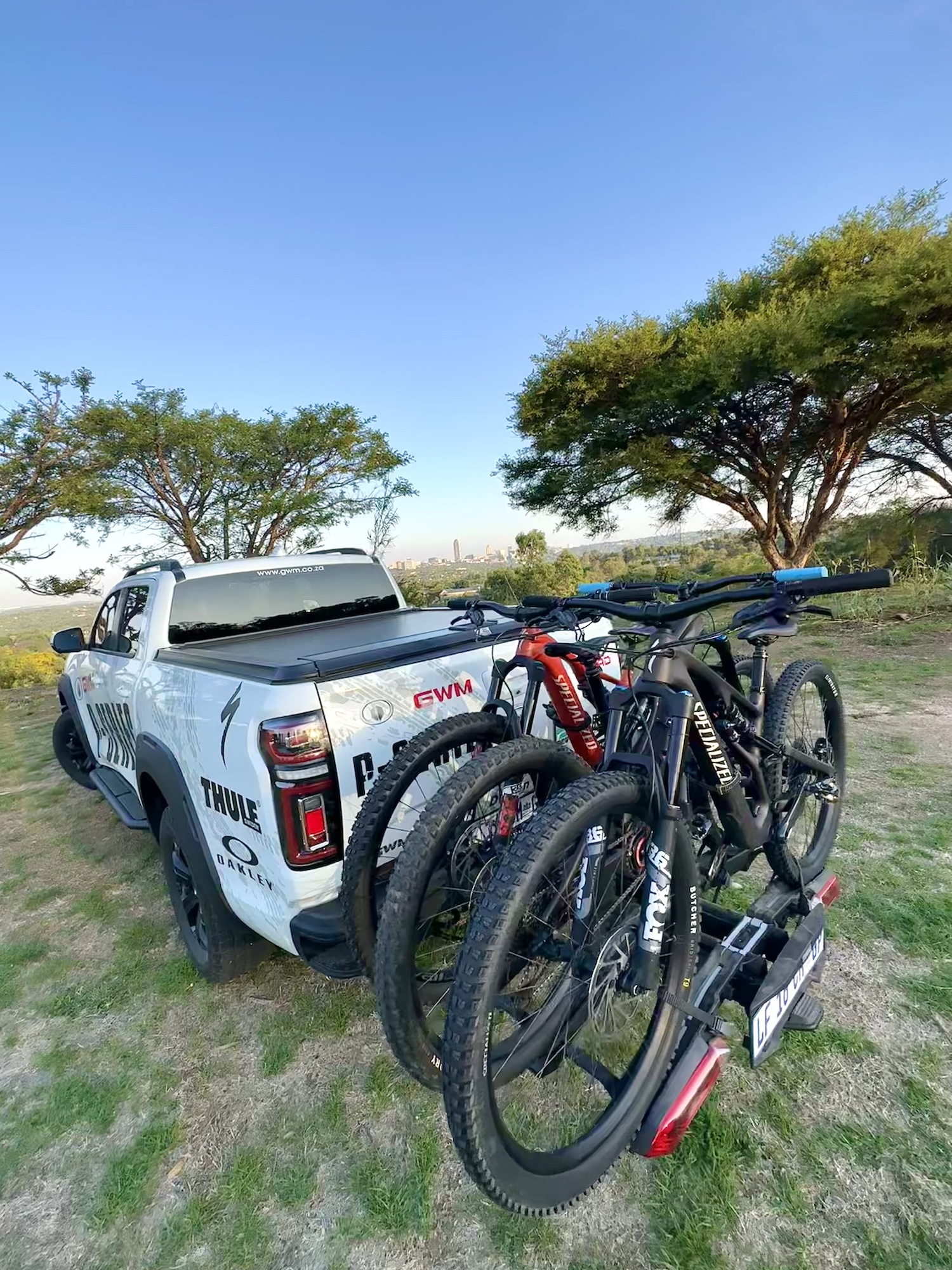
Here’s another one that rarely gets mentioned when people talk about dropper posts. Loading several mountain bikes onto a towbar-mounted rack is considerably easier when the saddles can be dropped.
Anyone who has tried to load three or four bikes – especially full-suspension bikes – onto a rack with fixed saddles knows that the handlebars, saddles and frames can quickly start competing for the same space. Drop the saddles and suddenly there’s more room to manoeuvre.
It’s a small thing, but that’s exactly what makes the dropper post such a successful piece of technology. Its usefulness extends beyond the moments when you’re actually riding the trail.
THE NUMBERS TELL THE STORY
The South African Mountain Biking Survey has tracked dropper-post use since 2022, and the trend is remarkably clear.
| Year | Has a dropper and uses it all the time | Has a dropper but doesn’t use it regularly | No dropper |
| 2022 | 41.37% | 8.12% | 50.51% |
| 2023 | 42.79% | 10.18% | 47.03% |
| 2024 | 46.31% | 11.10% | 42.59% |
| 2025 | 50.17% | 12.75% | 37.08% |
The important number isn’t just that 50.17% use their dropper all the time. It’s that the “no dropper” category has fallen by more than 13 percent in only three years. That is a classic technology-adoption curve.
First, the dropper was something you bought because you were serious about mountain biking. Then it became something you wanted on your next bike. Now it is increasingly something you expect to find on a mountain bike. And that shift has happened across a very broad spectrum of riders.
THE UPGRADE THAT BECAME NORMAL
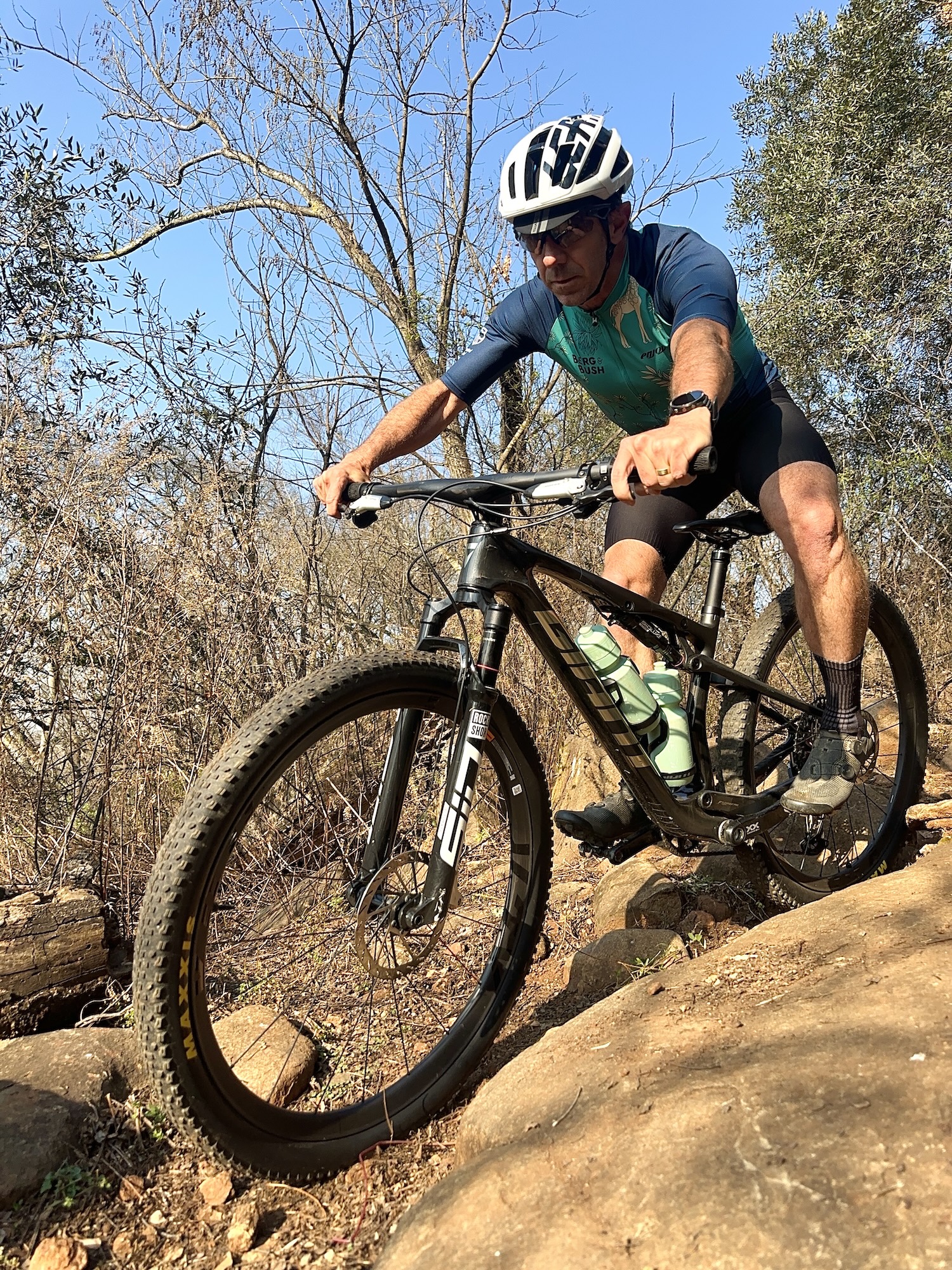
Mountain biking has a long history of technology that promises to make the bike better, faster or more capable. Some of it sticks. Some doesn’t. The dropper post has stuck because it solves a very simple problem: sometimes you don’t want your saddle to be where it normally is.
When you’re pedalling efficiently, you want it at the correct height. When you’re cornering aggressively, descending, navigating technical terrain, stopping, mounting the bike or simply trying to give tired muscles a break, you may want it somewhere else. A button or lever lets you change that instantly. That’s difficult to argue with.
The South African survey suggests that mountain bikers have already made their decision. In 2025, more than half of respondents were using a dropper post all the time, while fewer than four in ten didn’t have one at all.
The dropper post isn’t really an upgrade anymore. It’s part of what a modern mountain bike is. And once you’ve got one, riding a mountain bike without it starts to feel a little like driving a car without power steering. You can do it. But why would you?
Sean Badenhorst is the co-founder and editor of TREAD Media. He started riding mountain bikes in 1991 and loves the way the dropper post has improved mountain biking for everyone.

