

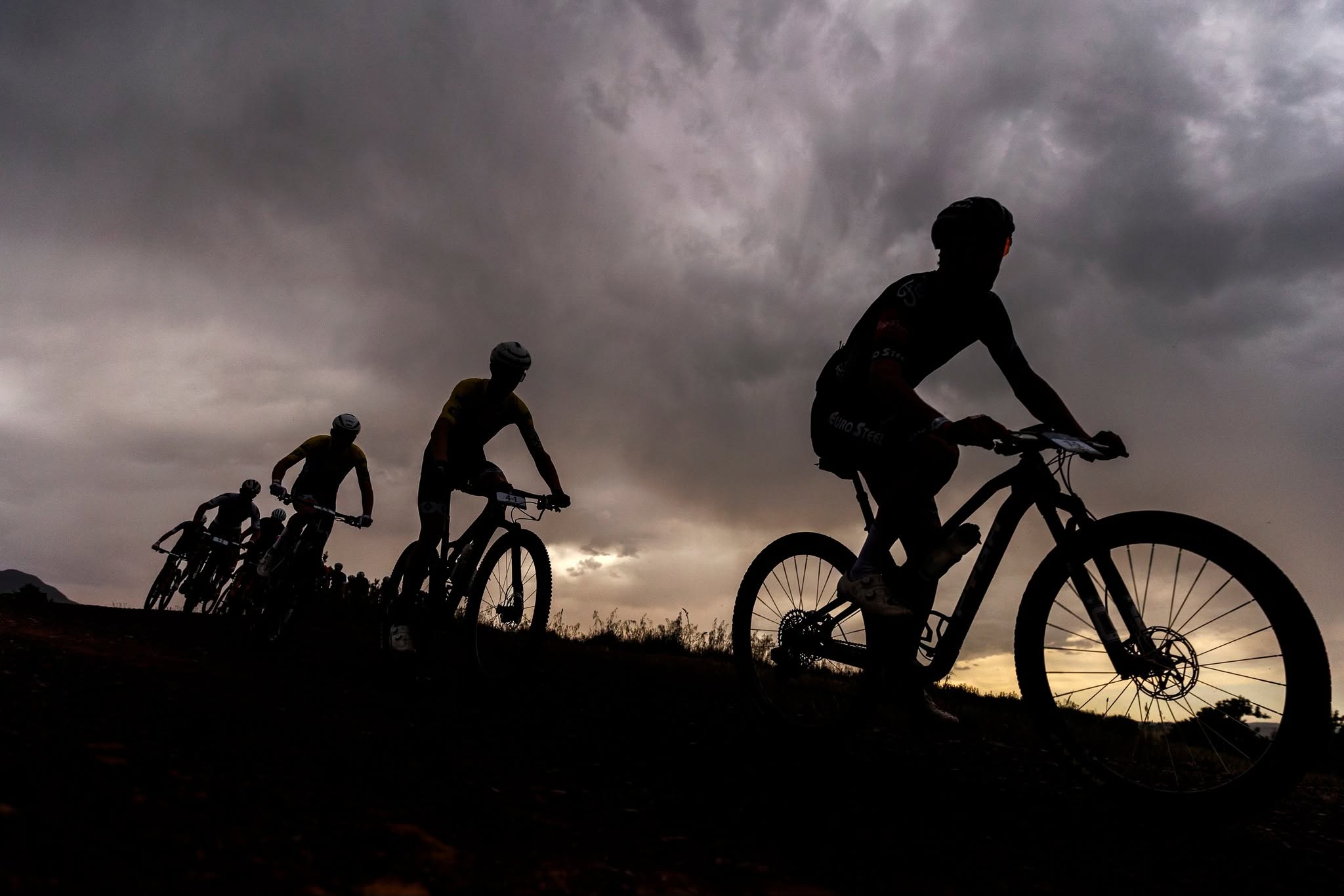
South African mountain biking has traditionally had a strong endurance bias. Marathons, stage races and long-distance events have been the backbone of the country’s racing scene for decades. But alongside that established culture, another form of mountain-bike racing has been developing rapidly – one that is younger, faster and much more technically focussed.
By Sean Badenhorst
The latest TREAD Media South African Mountain Biking Survey, presented by Garmin, provides fascinating insight into how South Africans are choosing to race their bikes.
What type of mountain bike races/events do you participate in mostly (you can choose more than one)?
| 2025 | 2024 | 2023 | 2022 | 2021 | 2020 | |
|---|---|---|---|---|---|---|
| Fun Rides (less than 20km) | 6.27% | 7.96% | 6.89% | 5.57% | 4.95% | 5.82% |
| Fun Races (20-25km) | 11.74% | 12.33% | 12.57% | 11.37% | 11.74% | 15.60% |
| Half-marathons (30-45km) | 33.47% | 32.70% | 32.96% | 34.57% | 36.76% | 41.59% |
| Marathons (50-90km) | 50.16% | 47.80% | 48.72% | 51.97% | 51.73% | 48.82% |
| Ultra-marathons (90-180km) | 19.69% | 20.05% | 20.31% | 23.33% | 22.05% | 18.22% |
| Ultra-endurance Races (180km+) | 10.78% | 12.03% | 10.01% | 12.27% | 12.77% | 12.18% |
| Gravel Races (40-180km) | 21.29% | 20.33% | 19.70% | – | – | – |
| Short stage races (2-4 days) | 35.46% | 33.28% | 34.45% | 38.27% | 39.28% | 37.21% |
| Long stage races (5-9 days) | 11.66% | 9.22% | 10.01% | 10.93% | 9.57% | 10.36% |
| Cross-country (XCO) | 15.58% | 13.53% | 13.05% | 13.70% | 13.39% | 11.25% |
| Downhill | 2.72% | 2.97% | 2.15% | 2.43% | 2.20% | 1.66% |
| Enduro | 9.46% | 9.57% | 8.47% | 10.27% | 7.53% | 6.62% |
| Dirt jumping | 0.80% | 1.02% | 0.97% | 0.87% | 0.97% | 0.80% |
| I don’t do races/events | 8.27% | 11.21% | 10.01% | 9.17% | 9.09% | 8.06% |
There is one important qualification when looking at the data. Respondents could select more than one race or event category, so the percentages cannot be added together to create a breakdown of the racing population. There is considerable overlap between marathon, stage and gravel participation, for example. XCO and enduro, however, tend to attract a distinctly different type of rider, particularly among younger racers.
MARATHON RACING REMAINS KING
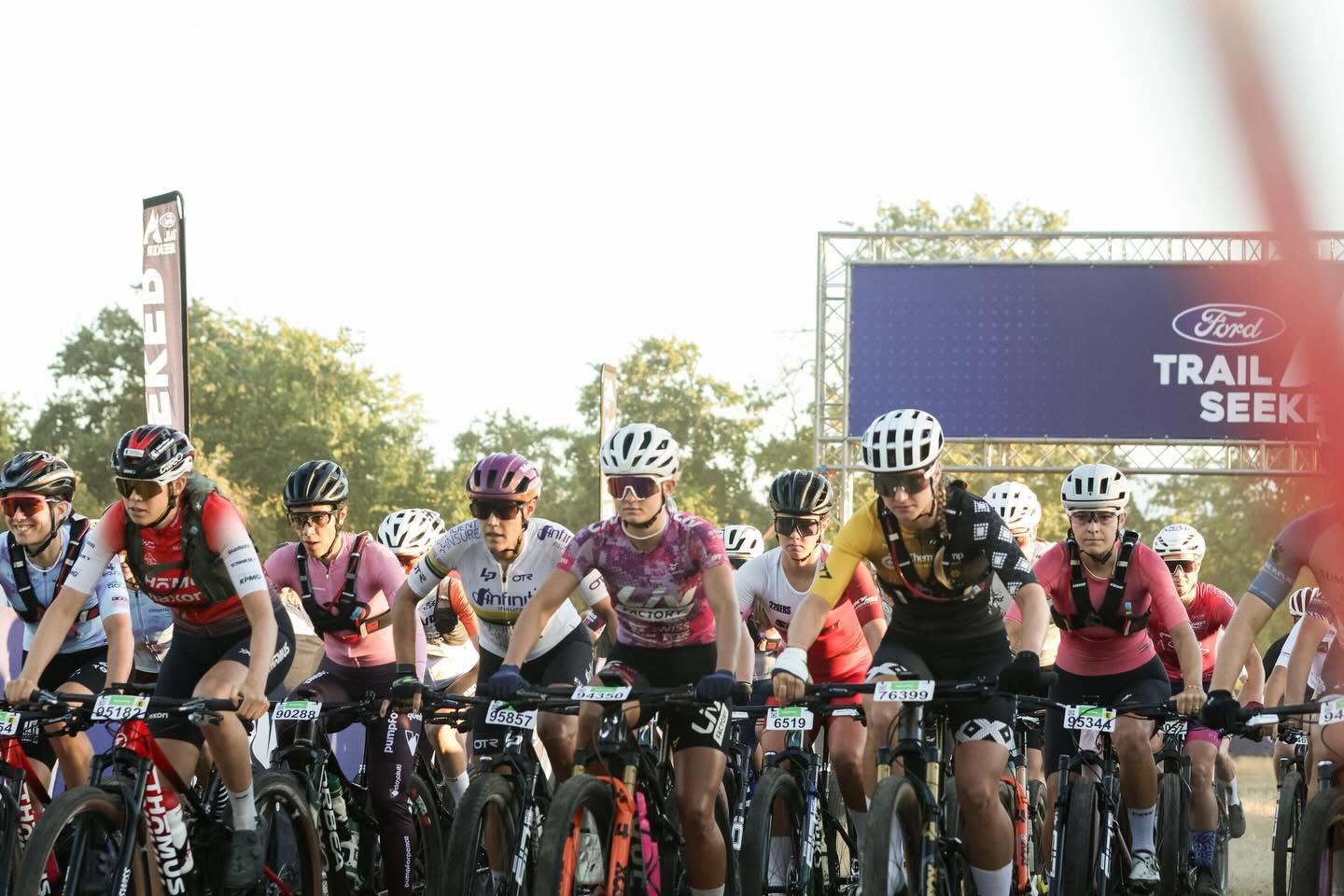
If there is one format that continues to define South African mountain-bike racing, it is the marathon. In the 2025 survey, 50.16% of respondents said they participate in marathon events of 50–90km, making it comfortably the most popular category.
That isn’t surprising. Marathon racing is deeply embedded in South African mountain-bike culture, offering riders a combination of fitness, competition and adventure without the commitment required for a multi-day event.
But the modern South African marathon is also very different from the marathon of two decades ago.
As more trail networks have been built and event organisers have made greater use of them, marathon races have become considerably more technical. The typical 60km or 70km race is no longer necessarily an endurance test conducted predominantly on dirt roads and jeep track. Increasingly, riders need proper mountain-bike skills as well as the fitness to ride for several hours.
That evolution has helped keep marathon racing relevant. It is still fundamentally an endurance discipline, but today’s courses demand considerably more from a rider’s technical ability.
STAGE RACING REMAINS A SOUTH AFRICAN SPECIALITY
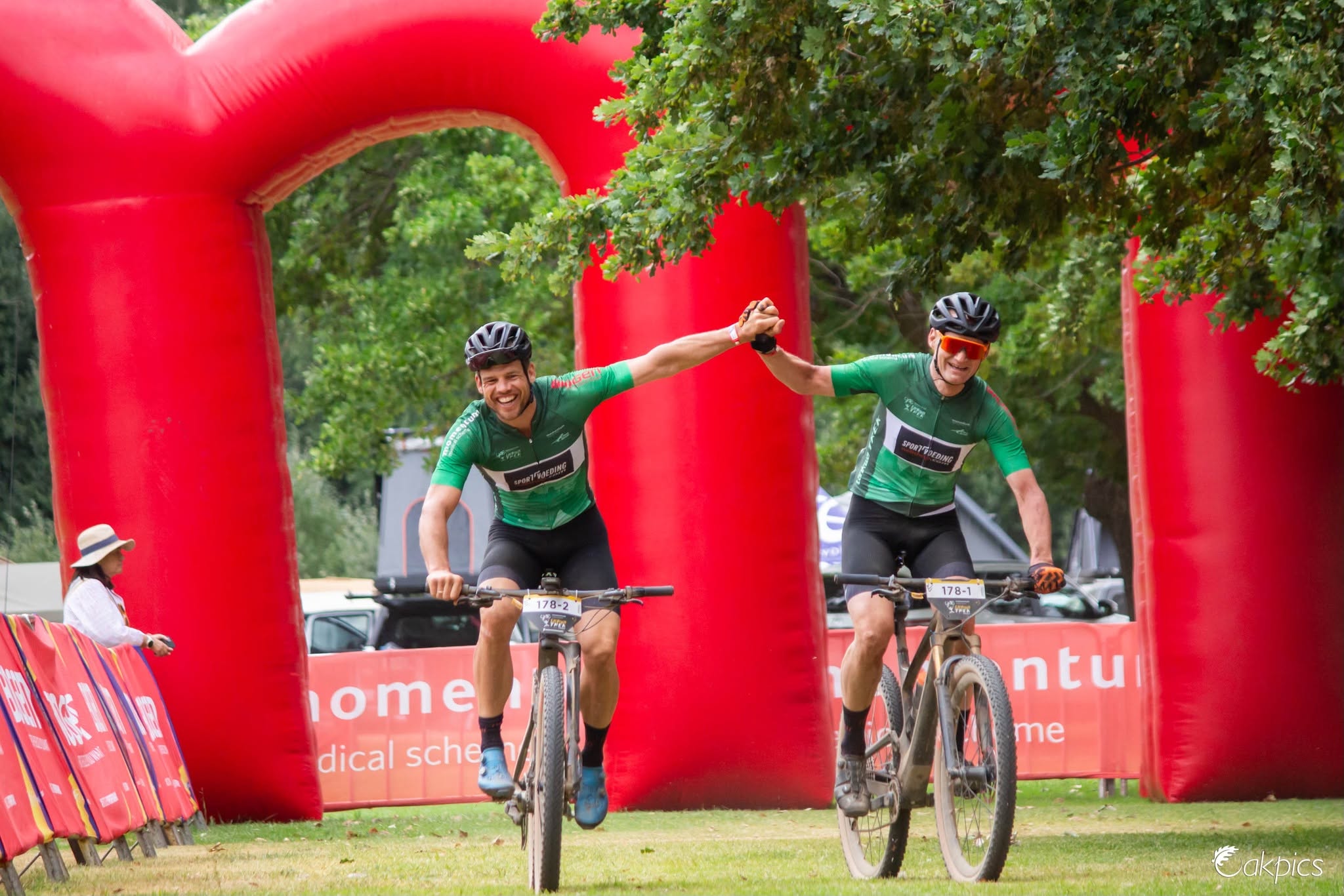
Short stage races are the second most popular category in the survey, with 35.46% of respondents participating in events of two to four days. A further 11.66% participate in longer stage races of five to nine days.
Stage racing has become a defining part of South African mountain biking, partly because of country’s terrain and good weather and partly because the standard of our stage races is the highest in the world. It has also evolved considerably from the early days of the discipline.
Purpose-built singletrack, engaging descents and demanding trail sections are now common features of major stage races. The result is an event format that combines sustained physical effort with increasingly sophisticated bike handling.
For riders who have grown up with South Africa’s modern trail networks, that combination is simply part of what mountain-bike racing looks like.
GRAVEL HAS BROADENED THE MARKET
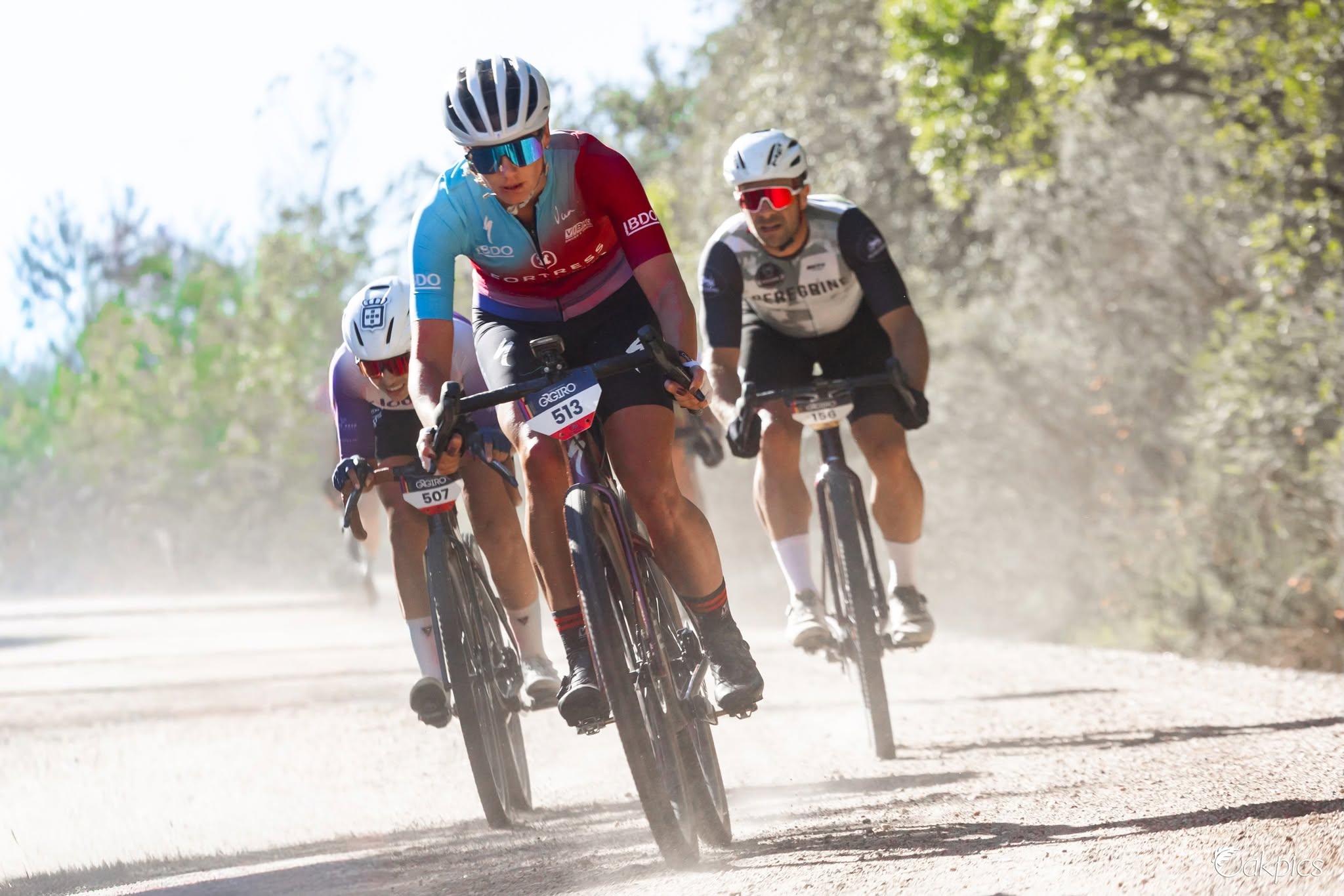
Gravel has added another dimension. Gravel racing was introduced as a specific answer in the survey in 2023, when 19.70% of respondents selected it. That increased to 20.33% in 2024 and 21.29% in 2025.
Its growth is significant because gravel has created a new home for riders who enjoy riding and racing long distances without necessarily wanting the technical demands of mountain biking.
It has also given road cyclists a fresh discipline. South Africa’s historic road-riding culture provides a natural pool of riders for gravel, while mountain bikers who prefer the endurance side of the sport can move across without giving up the long-distance challenge.
Gravel has therefore helped blur the boundary between road and off-road endurance racing, while opening competitive cycling to riders who may not be interested in technical singletrack.
XCO IS A DIFFERENT WORLD
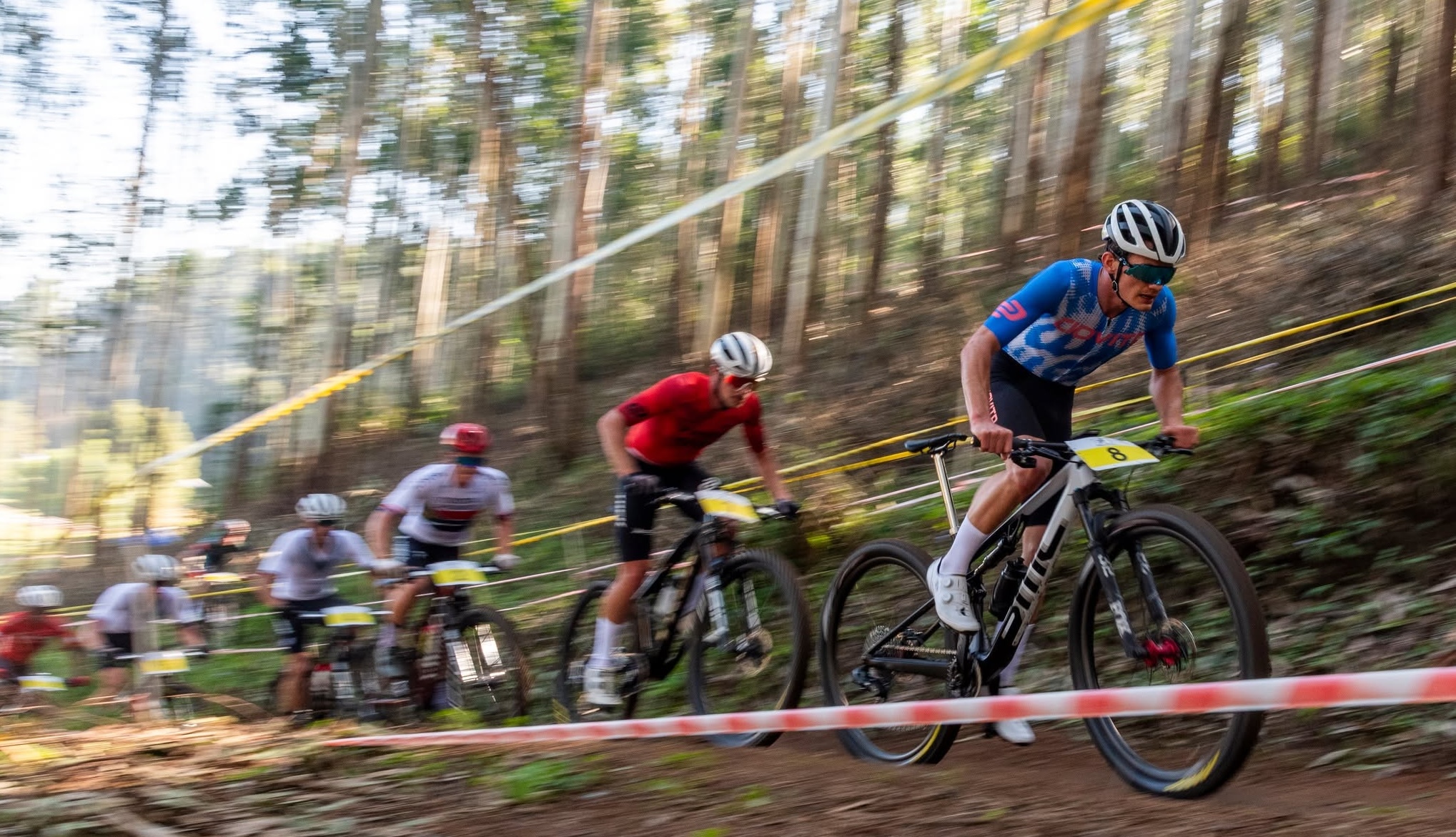
The XCO numbers tell a different story. In 2025, 15.58% of respondents said they participate in XCO, up from 11.25% in 2020. That is meaningful growth, but the percentage only tells part of the story. XCO in South Africa is overwhelmingly a discipline of younger riders, and its rise reflects the strength of the country’s developing junior mountain-bike racing structure.
Schools Series events have created an exceptionally strong entry point into competitive mountain biking. Their lap-based formats are broadly similar to XCO, although the courses are generally less technically demanding. Riders learn to race at high intensity, complete repeated laps, negotiate technical sections, overtake competitors and manage the tactical demands of racing against riders of similar age and ability.
From there, strong provincial and national XCO series provide a natural progression for riders who want to specialise. This is producing a generation of mountain bikers with a different idea of what racing a bike should be.
For these riders, a shorter race ridden at maximum intensity, with repeated technical sections and little opportunity to settle into a rhythm, can be more appealing than spending several hours managing effort.
It is not simply a shorter version of marathon racing. It is a different racing style altogether.
ENDURO PROVIDES ANOTHER OUTLET
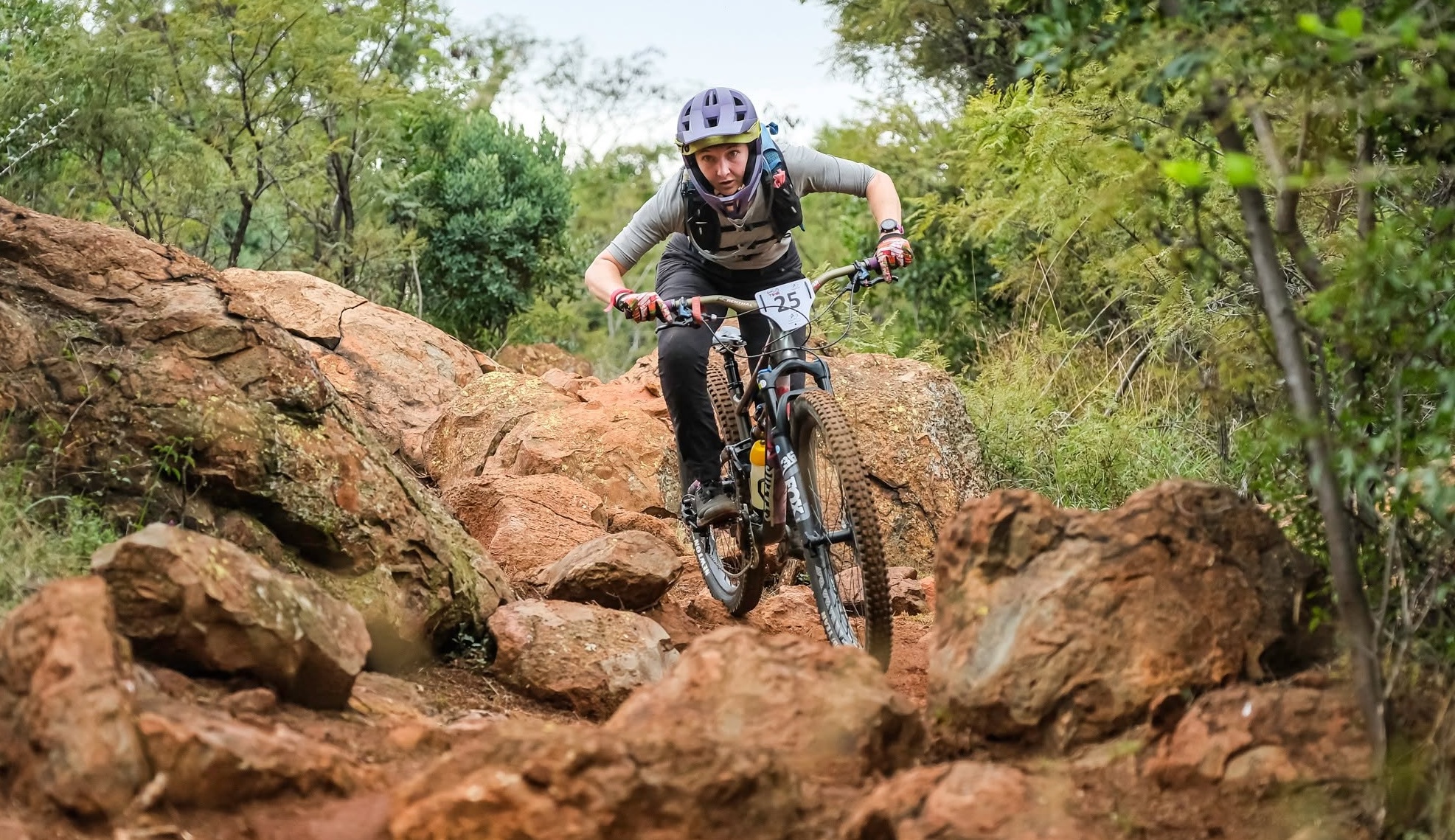
The growth of enduro is also worth watching. In 2025, 9.46% of respondents selected enduro, compared with 6.62% in 2020.
There is a particularly interesting connection between the growth of XCO and enduro among younger riders. Those who develop strong technical skills through Schools Series and XCO racing have another competitive pathway if they don’t progress towards the podium in XCO.
Enduro puts even greater emphasis on technical descending, line choice and bike handling, while retaining the competitive structure that attracts young racers. For some riders, it can therefore be a natural next step rather than a departure from racing.
As the current generation of Schools Series riders gets older, this could become increasingly important. Not every talented young racer will become an elite XCO competitor, but many will have developed technical skills that make enduro an attractive alternative.
THERE IS STILL PLENTY OF APPETITE FOR GOING LONG
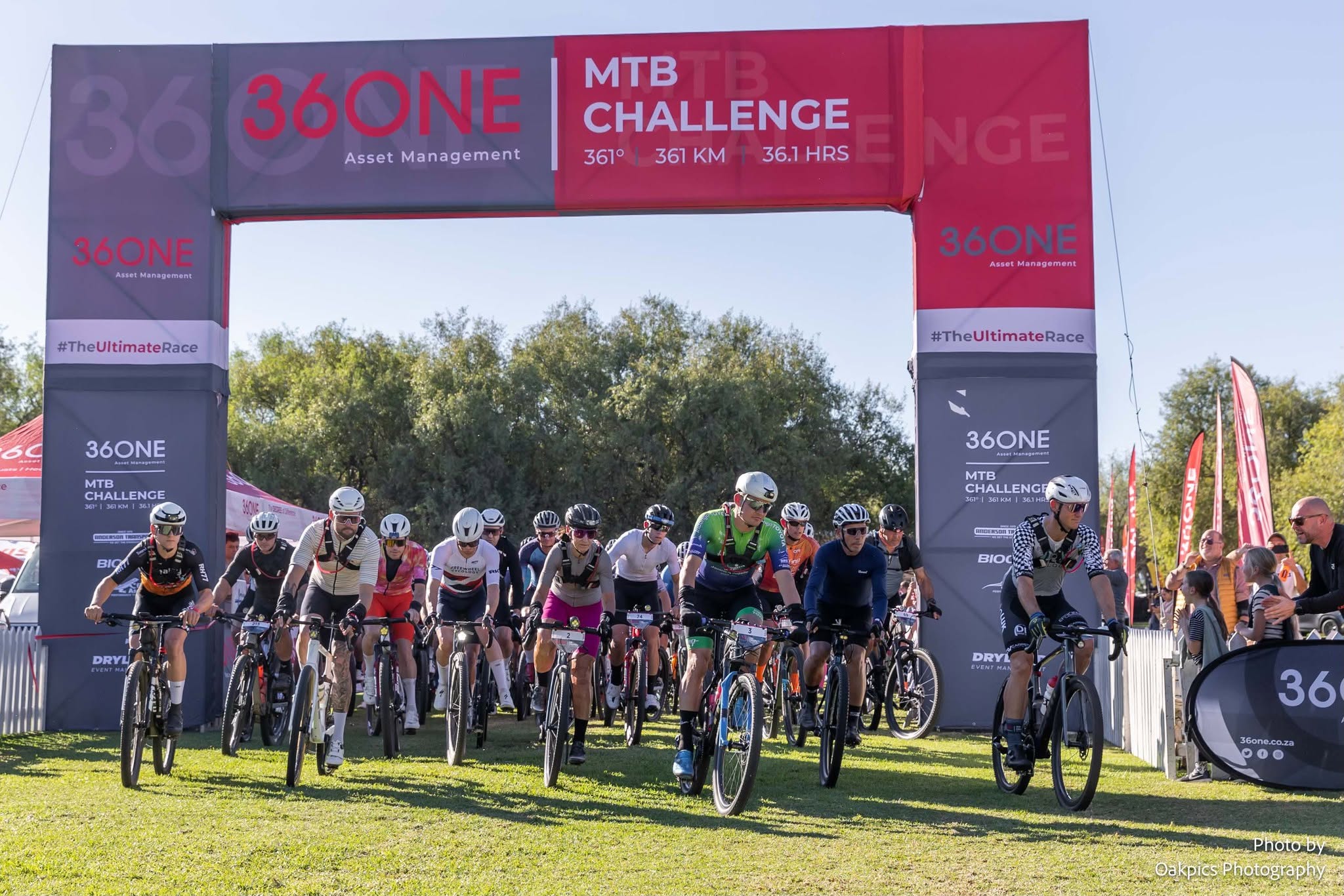
South Africa’s appetite for ultra-distance racing is also clear. According to the latest survey, a total of 19.69% of respondents participate in ultra-marathons of 90–180km, while 10.78% participate in ultra-endurance events of more than 180km.
Those numbers reinforce the scale of South Africa’s long-distance racing culture. They also demonstrate why marathon and stage racing remain so important: there is a substantial and established audience for events where pacing, fitness and resilience are central to the challenge.
TWO RACING CULTURES ARE EMERGING
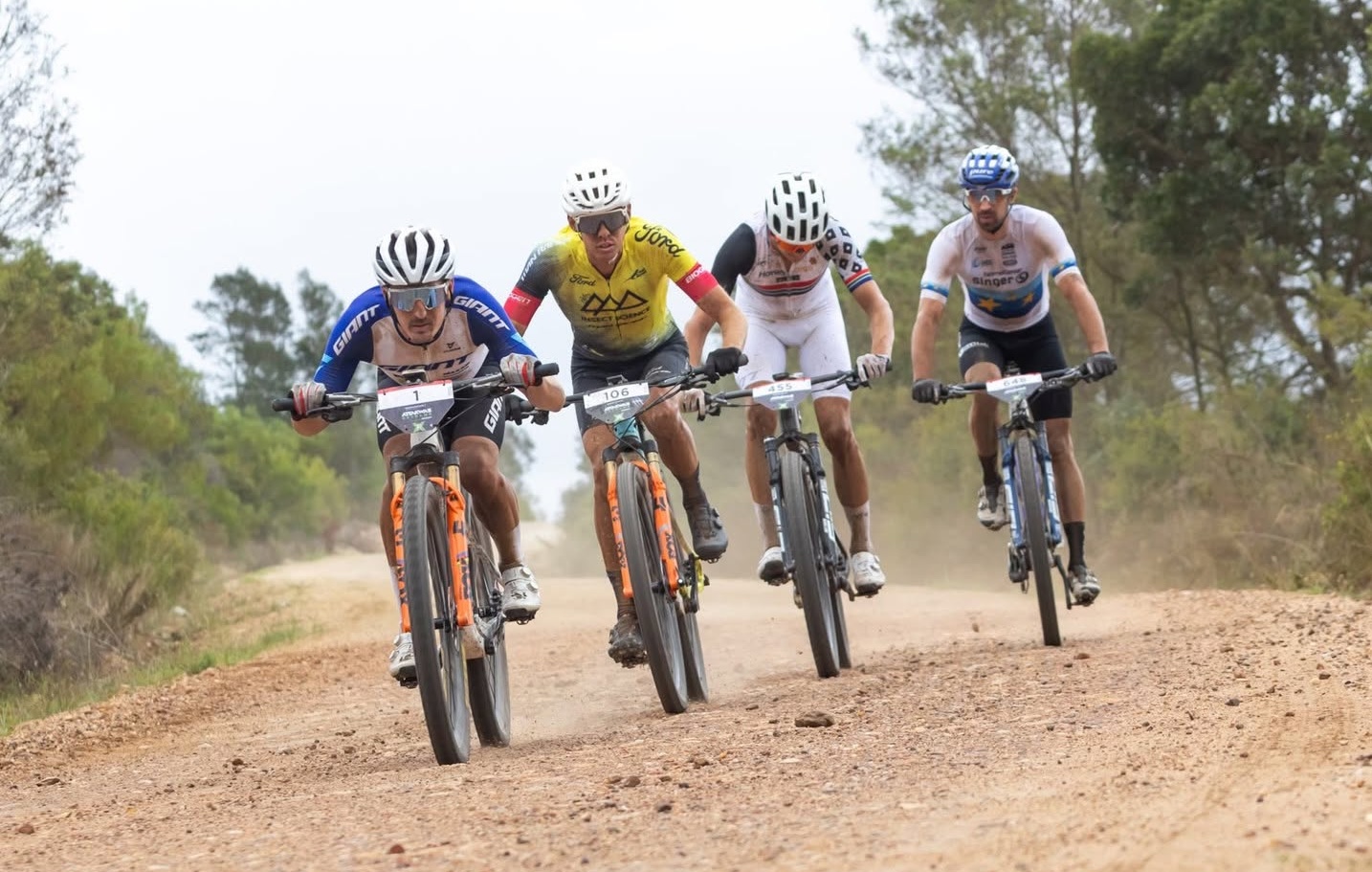
Perhaps the most interesting conclusion from the survey is that South African mountain-bike racing isn’t simply moving from one discipline to another. Instead, two distinct racing cultures are becoming increasingly visible.
The first is the established endurance racing culture of marathons, stage races and ultra-distance events, now joined by the growing gravel market. These disciplines overlap considerably, and riders often move between them.
The second is the technical racing culture developing through Schools Series, XCO and Enduro. It is younger, faster and more focussed on bike handling, intensity and technical ability.
There is some crossover between these worlds, but they are not interchangeable. A young XCO racer and a veteran marathon specialist may both call themselves mountain bikers, but they can have very different reasons for racing and very different ideas of what makes a great race.
Interestingly, the divide is being softened from one direction. Marathon and stage racing have become increasingly technical as trail networks have expanded and organisers have incorporated more singletrack into their courses.
From the other direction, however, the younger generation is moving into mountain biking through a racing system built around shorter, faster and more technical events. That could prove significant in the years ahead.
Marathon and stage racing remain the foundation of South African mountain-bike racing, while gravel is expanding the endurance market and bringing road cyclists into off-road competition. At the same time, the strength of Schools Series and XCO is producing a generation for whom technical, high-intensity racing is the natural expression of mountain biking.
The survey suggests that South African mountain-bike racing isn’t becoming one thing. It is becoming more diverse – and increasingly divided by age, racing style and what riders want from their bikes.
Intro photo: FNB Wines2Whales/Sam Clark

