

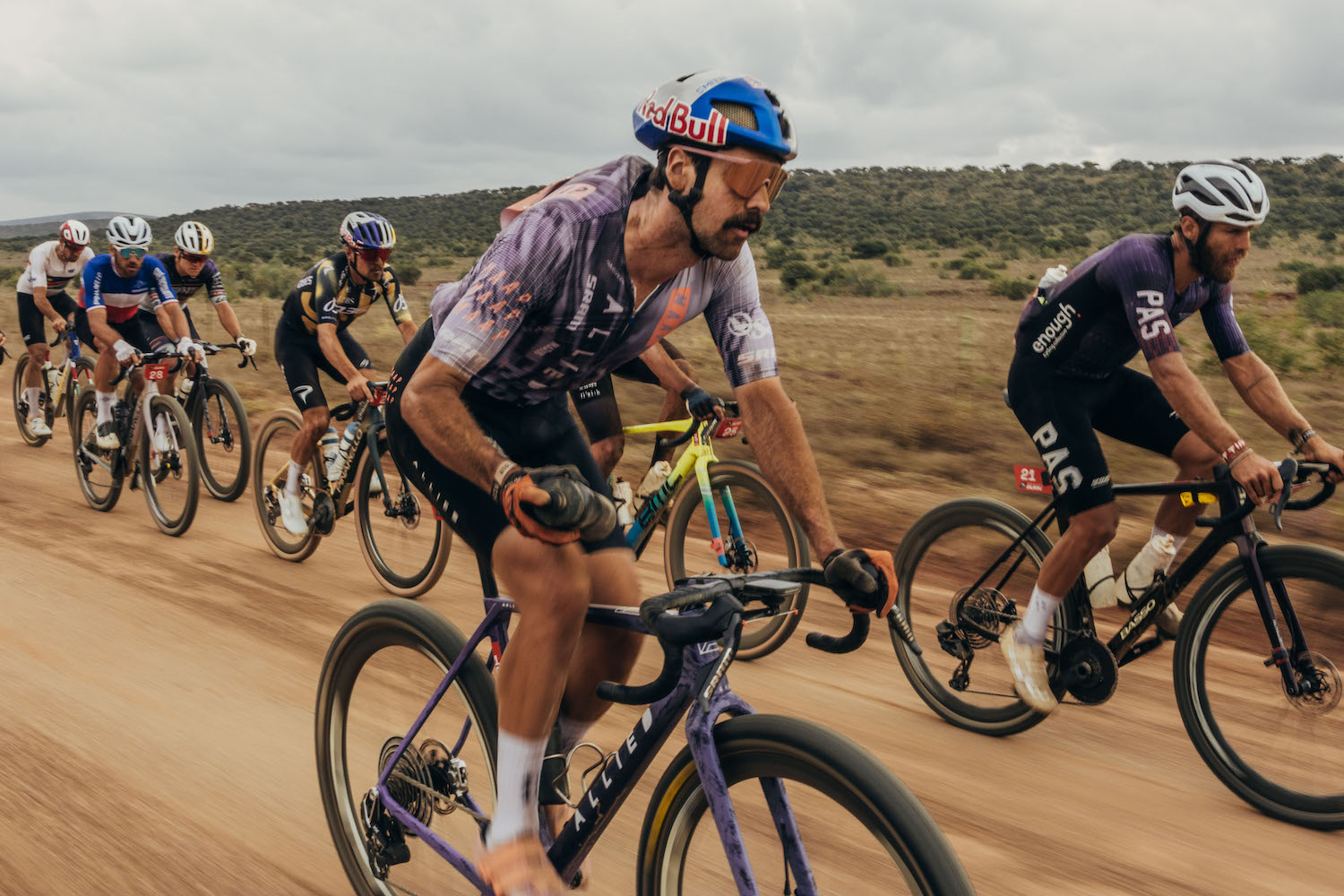
In a time of political uncertainty, economic instability and an increasingly perplexed bicycle industry, the inaugural Nedbank Gravel Burn was a South African success story.
By Sean Badenhorst
The past few years have seen the emergence of gravel bikes and gravel racing, which have both disrupted and boosted the global bicycle industry.
Gravel racing grew in the USA initially out of frustration at the highly structured and limiting traditional cycling scene. It was in part a liberation movement where the freedom to ride or race on quiet gravel roads with limited rules and an unlimited spirit of adventure was the appeal.


The ‘spirit of gravel’ is really attractive. Even if we don’t ride gravel bikes, we all can relate in some way to just riding bicycles for the love of riding and not having to care about rules. But with growth comes the need for structure. And rules.
While the UCI, cycling’s global governing body, has recognised gravel as a discipline since 2022, it hasn’t been able to create a world championship that’s truly representative of a classic gravel race. Too short, too smooth, too little ascent, too outside of the USA… Despite that, gravel racing in various interpretations around the world, has grown into a stand-alone discipline.


And, simultaneously, the bicycle industry has also been searching for what makes an ideal gravel bike. The usual experimentation phase is still in play. Wider rims and tyres, relaxed frame geometry, bikes with some ‘suspension’ and mountain bikes with flared, drop handlebars have all kept the lines blurred as the industry seeks to find the gravel bike sweet spot.
That’s why Gravel Burn was refreshing.
The event was somewhat of an adventure. It was certainly something very different for the participants, especially the international racers. While the individual tents in the Burn Camps would have been relative luxury for most South Africans who have done stage races, they were a classy novelty for the international racers.


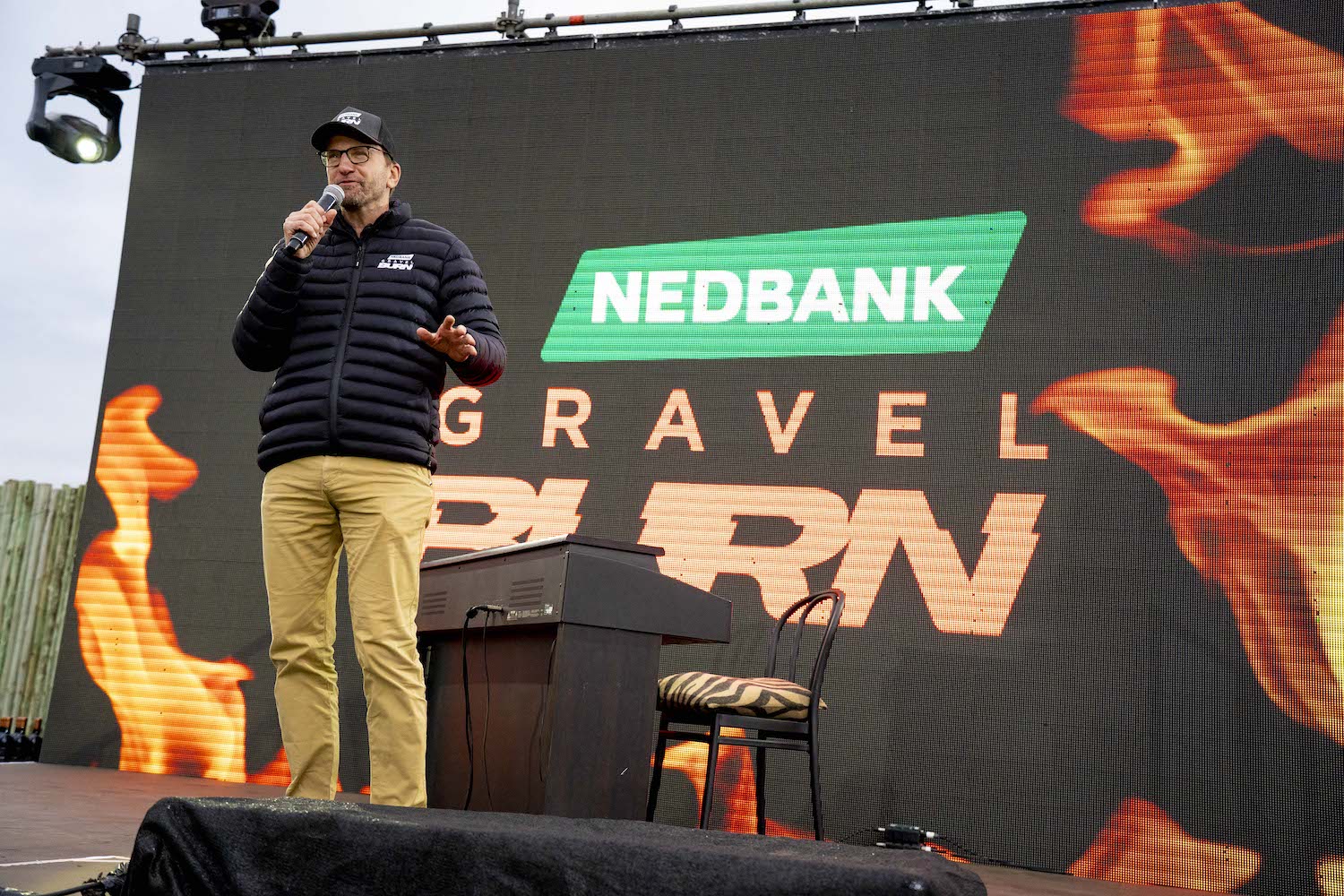
Globally, there aren’t many gravel stage races yet. So for many of the entrants, even the stage racing format was something new. It was interesting to see how some of gravel racing’s most successful American racers adapted – or struggled to adapt – to shortish fast-paced stages over multiple days. Most of them are accustomed to racing 200 miles (over 320km) in one go…
The route was also somewhat of an unknown to most. Even the organisers were probably surprised by the road surface deterioration in the early part of Stage 6, the Queen Stage that was neutralised due to dangerous weather.
And boy was there classic South African Spring weather! Torrential rain, below-zero degrees Celsius overnight cold, gale-force winds, extreme heat, thunder storms with hail and high humidity all took turns to add to the challenge for both organisers and riders.
‘No eBikes. All bikes must have drop handlebars’. Those are the bike rules for Gravel Burn. Simple. Most of the 496 starters (404 men and 92 women) brought rigid gravel bikes to the event. But riding a gravel bike on gravel roads for seven days in succession is hard. Hard on the body and on the mind. A total of 113 of the 496 starters did not finish the full event. A drop-out of 22.79%.
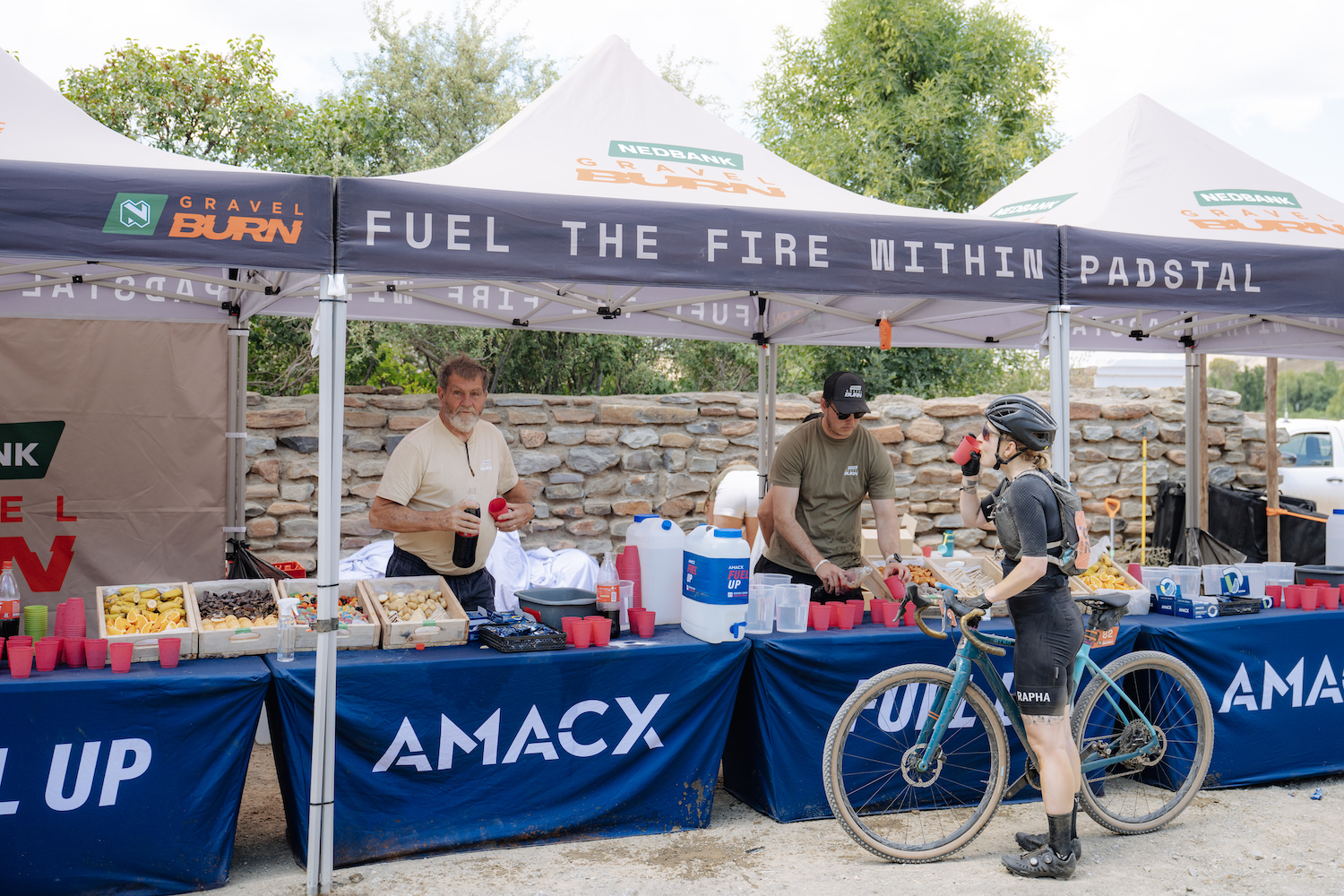
By all accounts, the catering was both generous and of a high standard, the logistics were slick, the bike maintenance service on point and the vibe mostly upbeat. Unlike most new events, Gravel Burn already had a five-year financial commitment from title sponsor, Nedbank, which no doubt took a lot of pressure off the organising crew, headed up by race founder, Kevin Vermaak, with key roles filled by several of his original Absa Cape Epic team members.
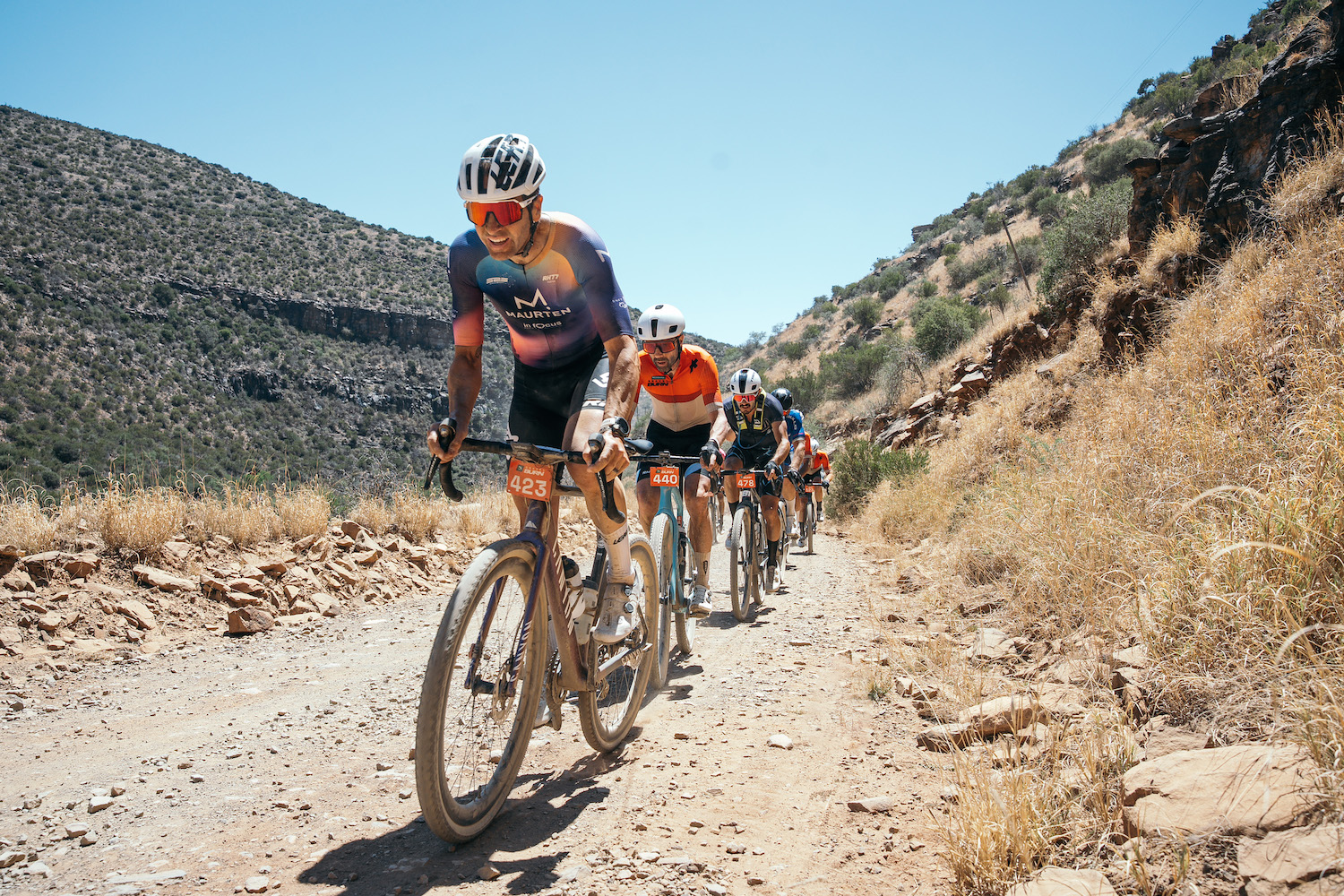
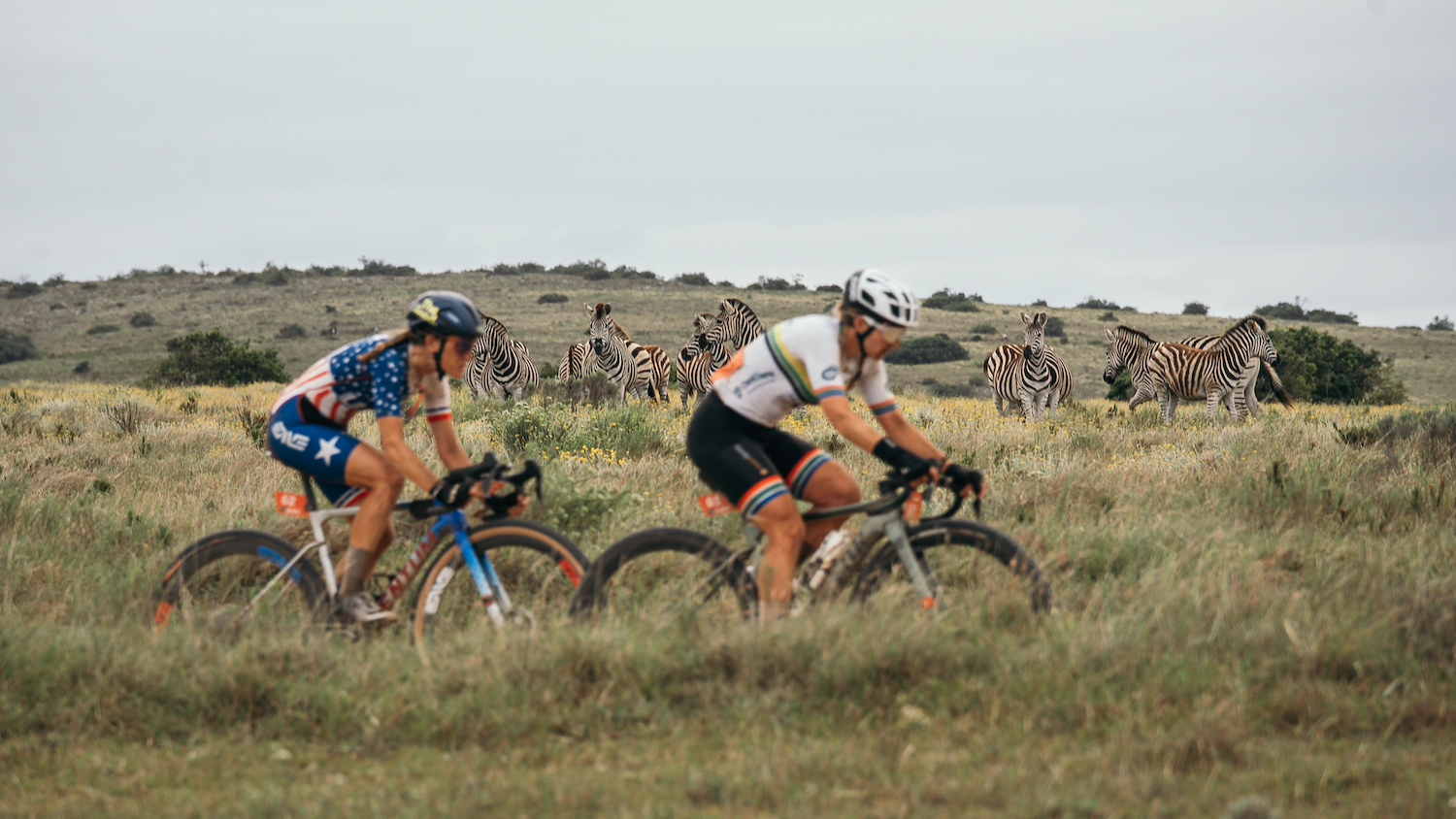
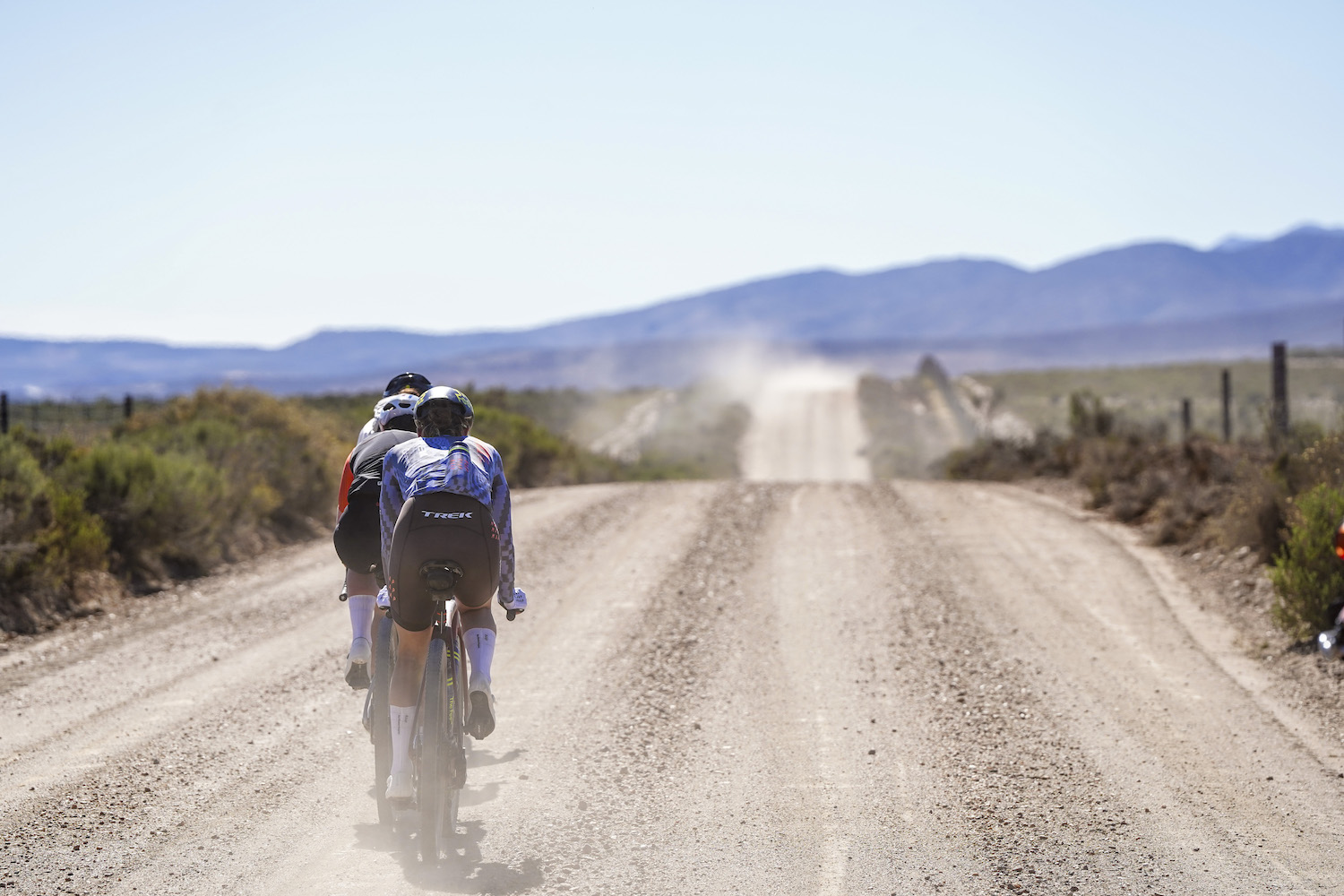
The experience of organising more than 15 editions of the Absa Cape Epic no doubt prepared Vermaak and his team well to deliver an international standard event that was slick, challenging and fulfilling. It was also highly ambitious to take a mass participation race into the South African wilderness with limited to no infrastructure…
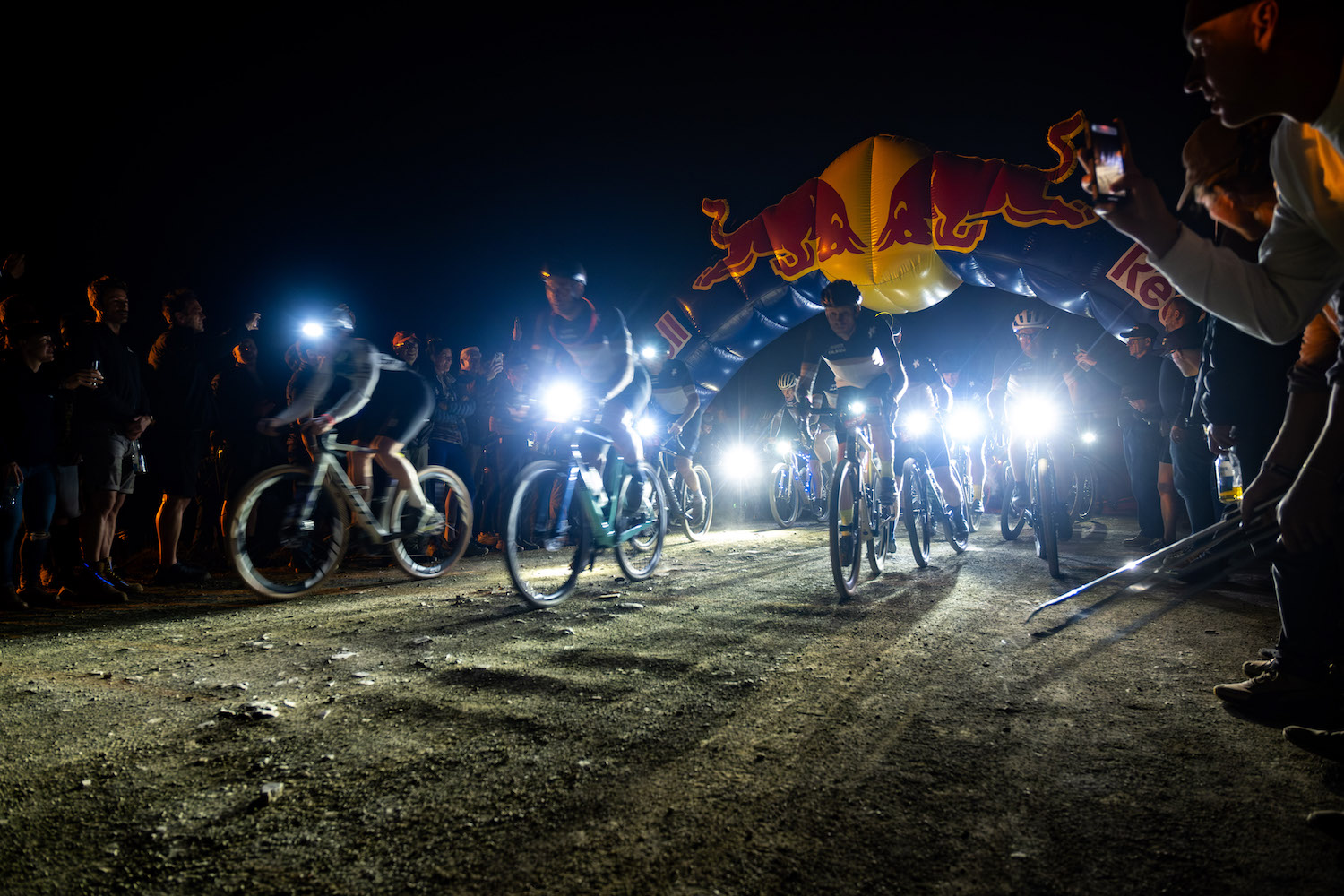
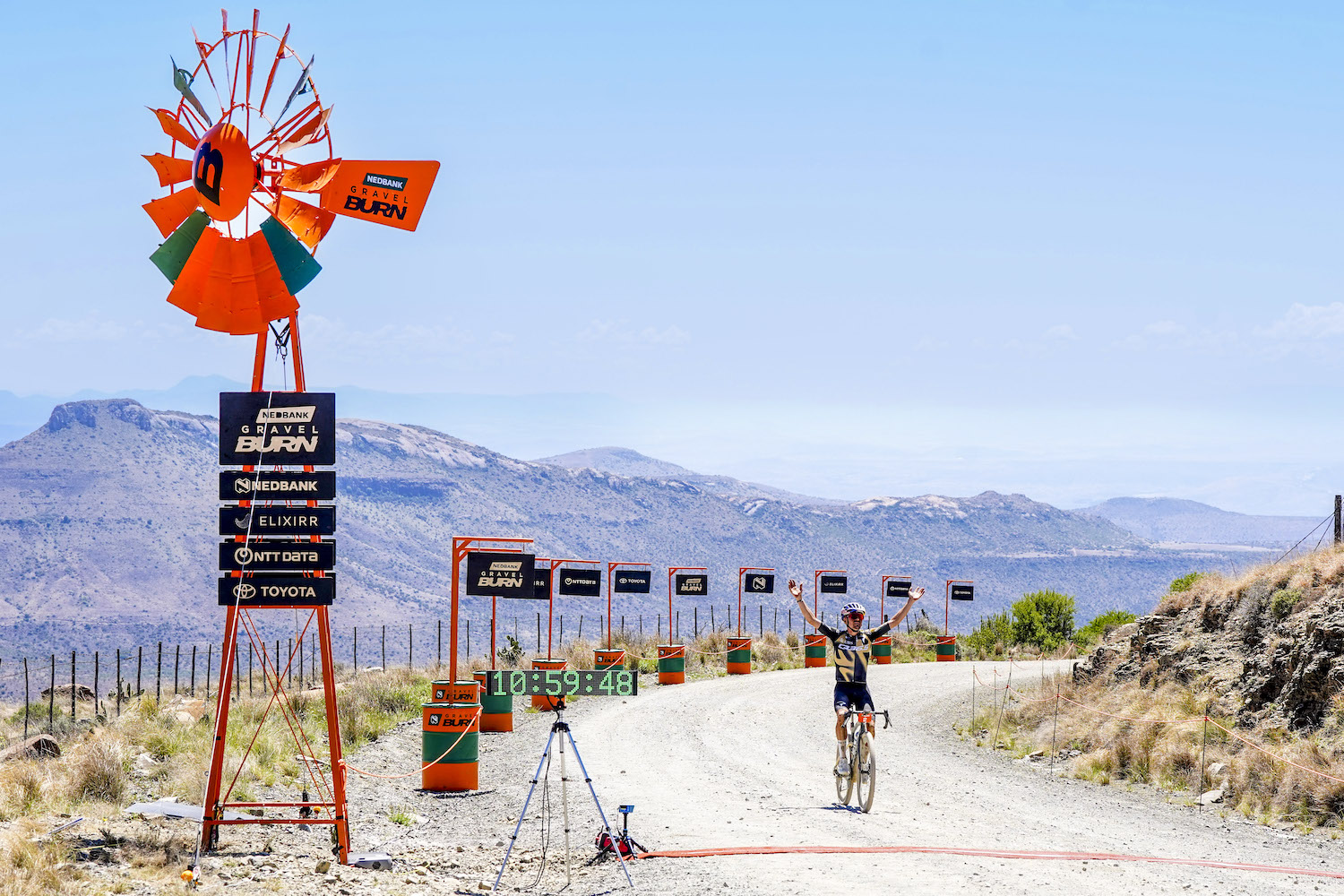
Innovation was also high on their list, with the Burn Camps concept, the Red Bull Night Burn race after Stage 3, the windmill stage finish ‘banners’, the Big Five Game Reserve finish, the Donkey Long Tong trophies and the US$150 000 (R2.5 million) prize purse, all something fresh. In a country that’s known to set the highest standard in mass participation endurance sports events, that’s some achievement.
Gravel racing and gravel bikes may still be finding their true identity, but Gravel Burn has confidently stamped its authority and will no doubt play a major role in the fine-tuning of this relatively new bicycle racing discipline.
If you missed it, here’s the link to the Gravel Burn YouTube channel which contains plenty of high-quality, well-produced highlights videos.

