

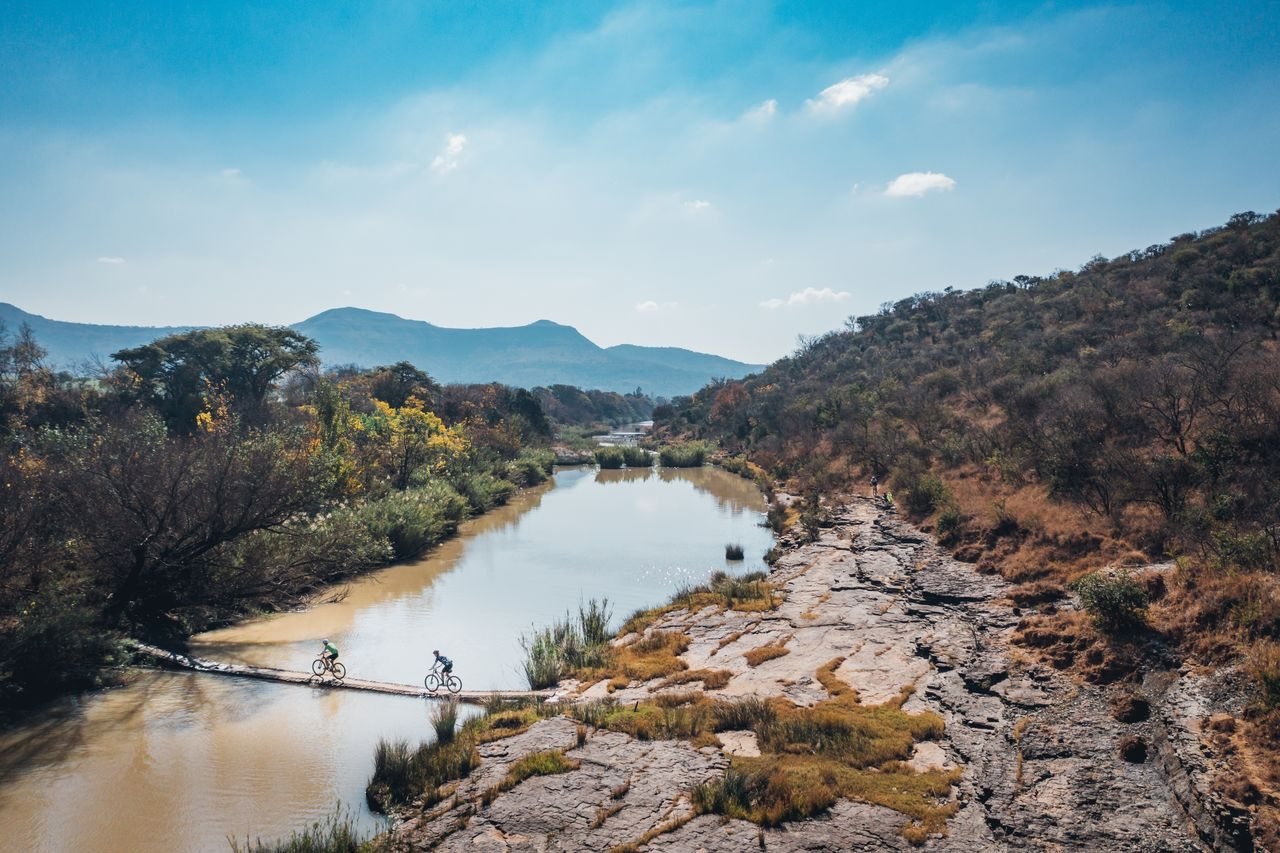
The Standard Bank Berg & Bush Descent has always felt like the one that started it all – and in many ways, it did. It’s the original event in the Berg & Bush family, born out of Emseni and still shaped by the Green family’s particular understanding of what mountain bikers actually want from a stage race. Not just distance and elevation, but flow, atmosphere, and a sense that the riding is only part of the story.
Paid partnership with Standard Bank Berg & Bush
In 2026, the Descent marks its 20th anniversary, which says as much about the event’s staying power as it does about how well they’ve protected its identity over the years. It remains one of South Africa’s most iconic three-day stage races, set in the foothills of the Drakensberg, where the terrain does most of the talking and the trails are built to let you listen.
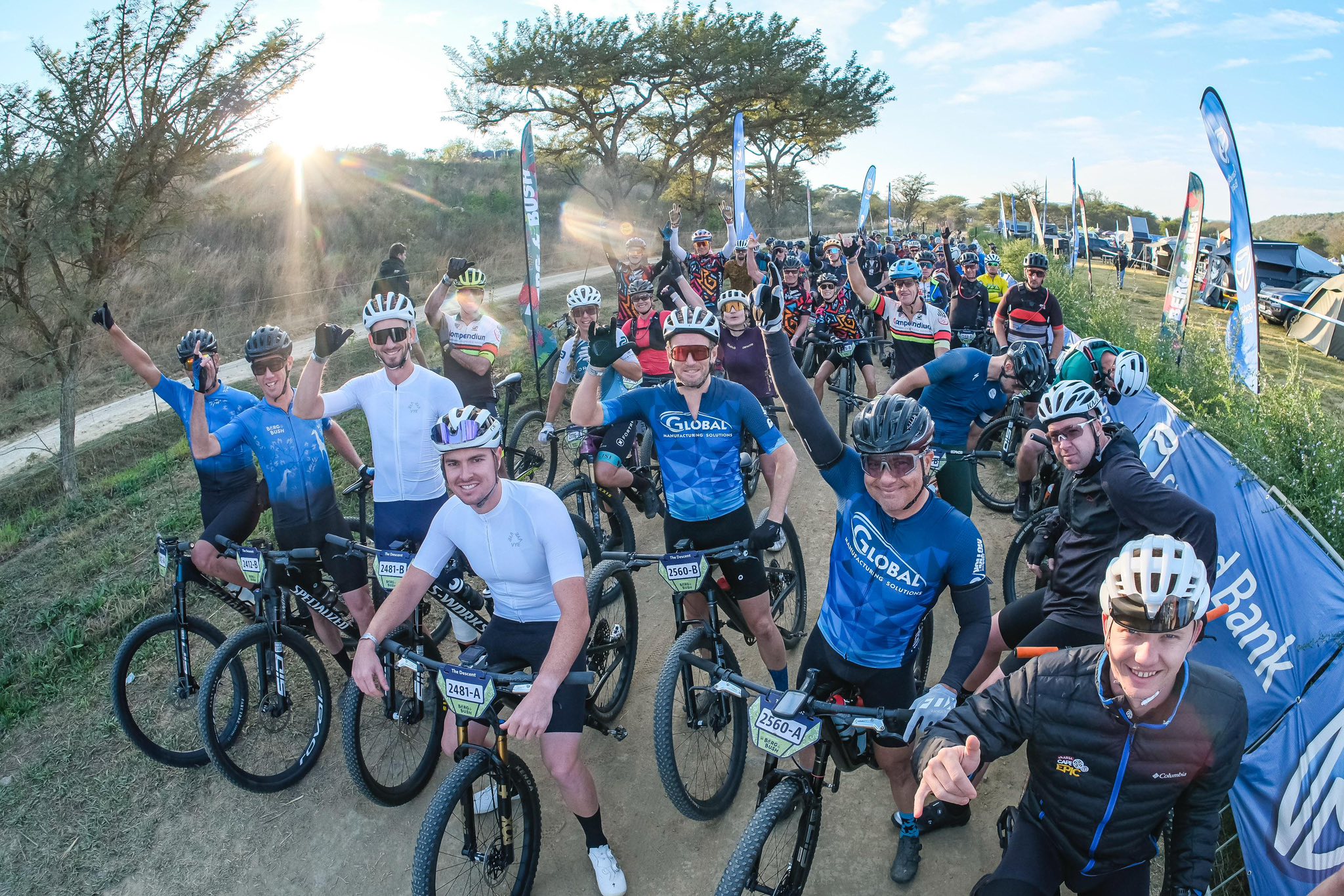
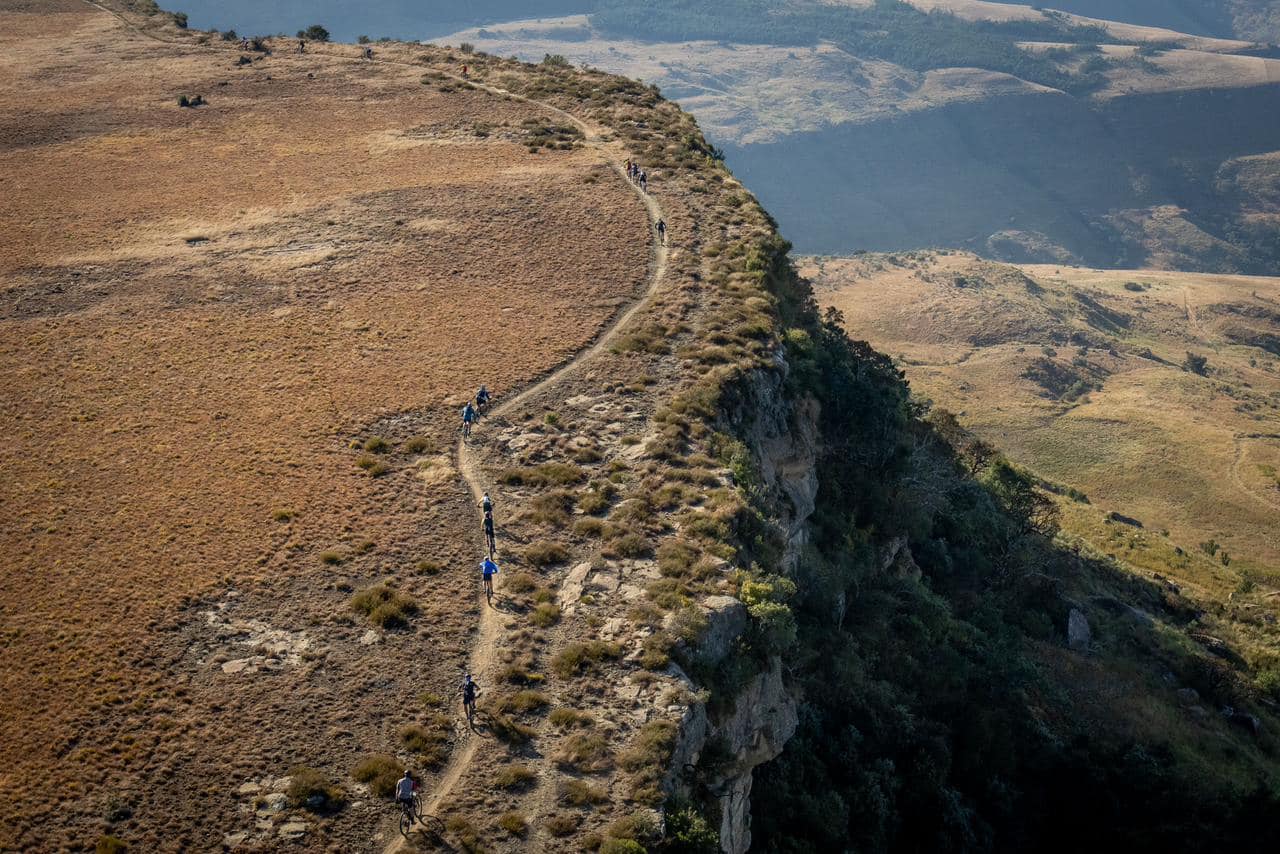
If you’ve ridden it before, you’ll know the signature: long ribbons of hand-built singletrack that don’t fight you, they carry you. Trails that reward a light touch and a bit of rhythm, rather than brute force. It’s not about surviving the route; it’s about riding it properly.
Traditionally, the opening stage has delivered one of the most memorable starts in local mountain biking – the descent off the Drakensberg Escarpment from the Free State border. It’s the kind of start that sets the tone immediately: high, exposed, and committing. For 2026, though, Foot and Mouth Disease restrictions have forced a rethink of that route. What could have been a compromise has instead become an opportunity.
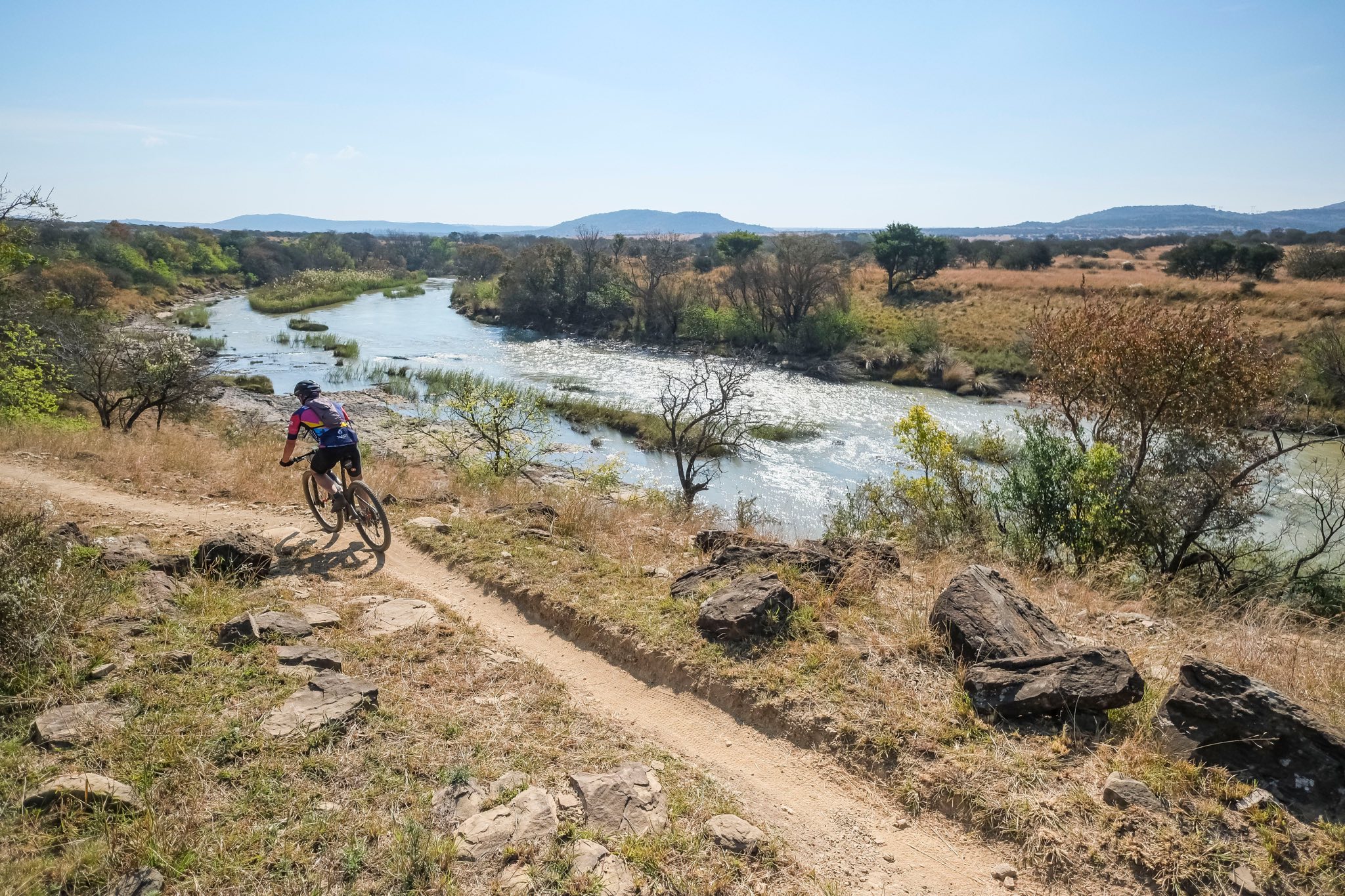
Stage 1 will still be point-to-point, starting at Cathedral Peak Wine Estate and finishing at Emseni, but the real talking point is a brand-new section of trail called the “Insane Descent.” The name alone suggests the intent, but knowing the Berg & Bush trail team, it won’t be reckless – it’ll be crafted. Expect something that demands focus but pays it back in flow, the kind of descent that settles into your memory long after the race is done.
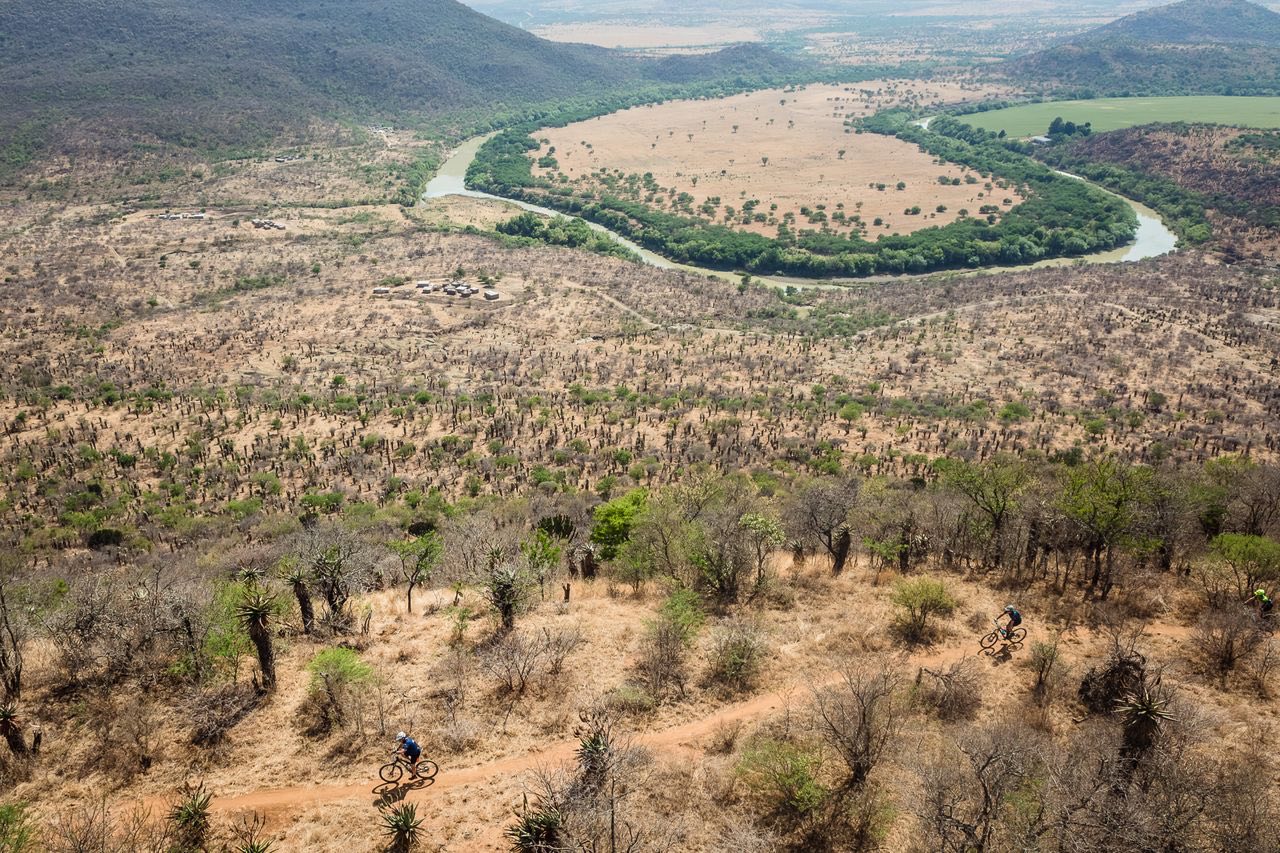
Stage 2 shifts into a more traditional format, starting and finishing at Emseni, which has become the heartbeat of the event. Set on the banks of the Tugela River, it’s more than just a race village – it’s where the Descent finds its rhythm. The day itself rolls through a mix of climbs and descents, taking in landmarks like Mike’s Pass and Puffadder Pass, with the Drakensberg constantly framing the experience in the background. It’s the kind of stage that reminds you why you came, even while it’s quietly working your legs.
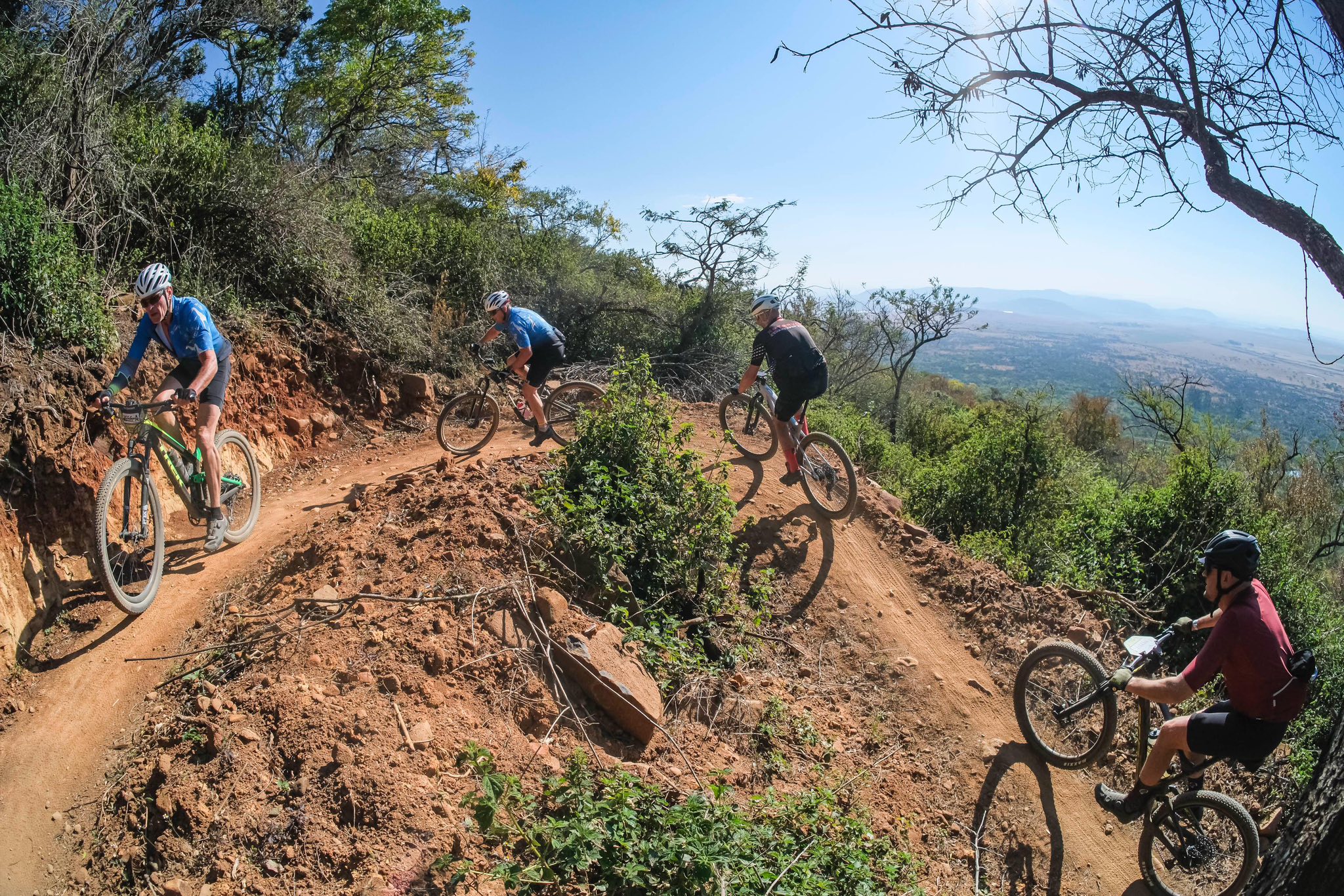
By the time Stage 3 arrives, the focus turns to Spioenkop. It’s not quite a mountain, but it’s far more than a hill, and it carries both physical and historical weight. Riders get a choice on the way up – either the Boer Route, a purpose-built singletrack climb with 50 switchbacks that rewards patience and pacing, or the English Route, which follows the original concrete strips straight up. It’s a small but meaningful nod to the Battle of Spioenkop, and one of those details that gives the event a bit more depth than just kilometres and climbing.
Whichever way you go up, everyone comes down the same way. The 13km drop off Spioenkop to the finish is one of the best stage race finales you’ll find anywhere. It’s long enough to lose yourself in, fast enough to feel like a reward, and just technical enough to keep you honest all the way to the line.
The 2026 route breaks down into three well-balanced days:
- Stage 1: Distance and elevation still to be confirmed
- Stage 2: 60km | 860m
- Stage 3: 50km | 887m
But numbers have never really defined this event.
One of the more significant shifts this year is logistical rather than physical. All three nights will be spent at Emseni, which simplifies the experience in a way that frequent stage racers will appreciate immediately. No constant packing, no moving camp – just the ability to settle in, find your rhythm, and actually enjoy the downtime between stages.
Accommodation options range from basic to luxury tented setups, depending on how you like to experience race village life. Either way, the social side of Berg & Bush remains one of its strongest draws. This is an event where the hours off the bike matter just as much as the ones on it.
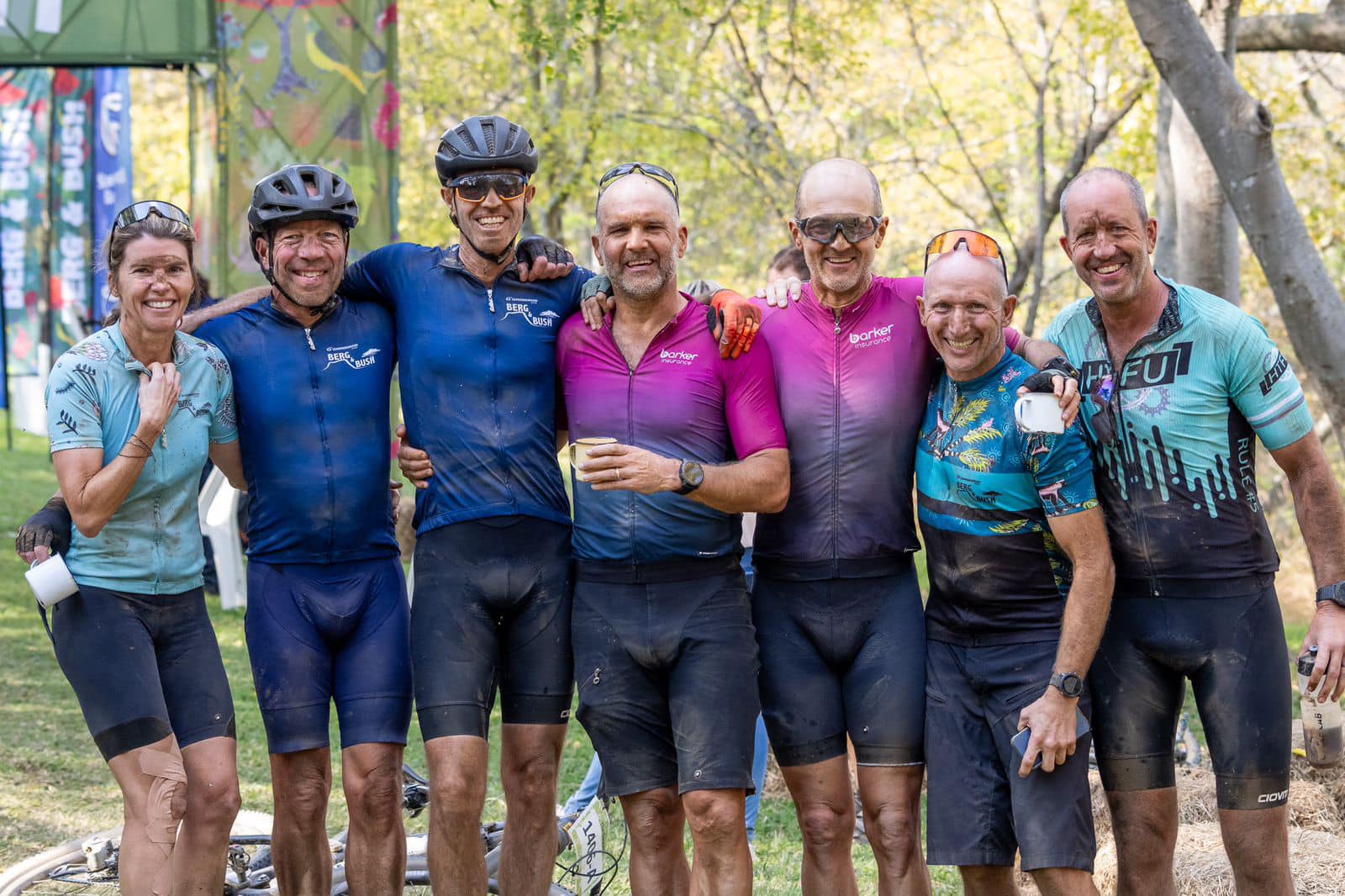
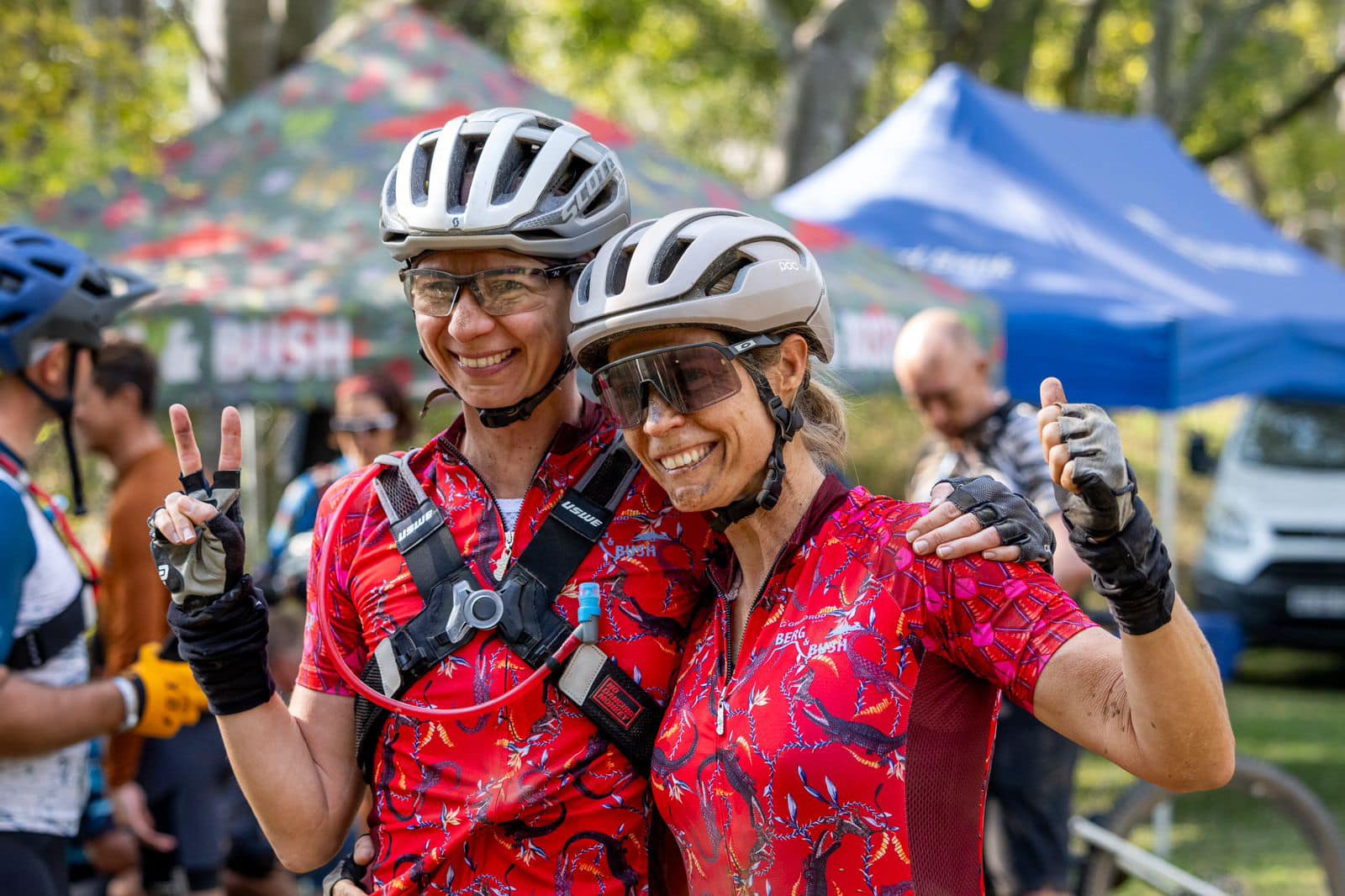
Racing is primarily done in two-rider teams, which brings its own dynamic – shared effort, shared decisions, and usually shared suffering at some point. There’s also a solo category for those who prefer to manage their own day, along with a range of divisions that keep the racing honest. And then there’s the Big Buggers category, which remains one of the more uniquely South African contributions to stage racing: teams with a combined weight of 200kg or more, racing hard and not taking themselves too seriously.
eBikes are welcome, too, although without competitive recognition and with strict limits on battery use per stage. It’s a considered inclusion – one that opens the event up without changing its core.
For riders coming from further afield, the Fly-In Packages take a lot of the friction out of the process, with transfers to and from OR Tambo International in Johannesburg. It’s a practical touch, but also a sign of how the event has evolved while still holding onto what matters.
Two decades in, the Standard Bank Berg & Bush Descent hasn’t tried to become something it’s not. It hasn’t chased trends or overcomplicated the format. Instead, it’s refined what it does well: purposeful trails, a strong sense of place, and an experience that feels complete from start line to final descent.
If you’re looking for a stage race that balances challenge with flow, effort with reward, and riding with everything that surrounds it, this is still one of the best places to find it.
There are still some spots left. Find out more or get your entry in here.
Paid partnership with Standard Bank Berg & Bush

