

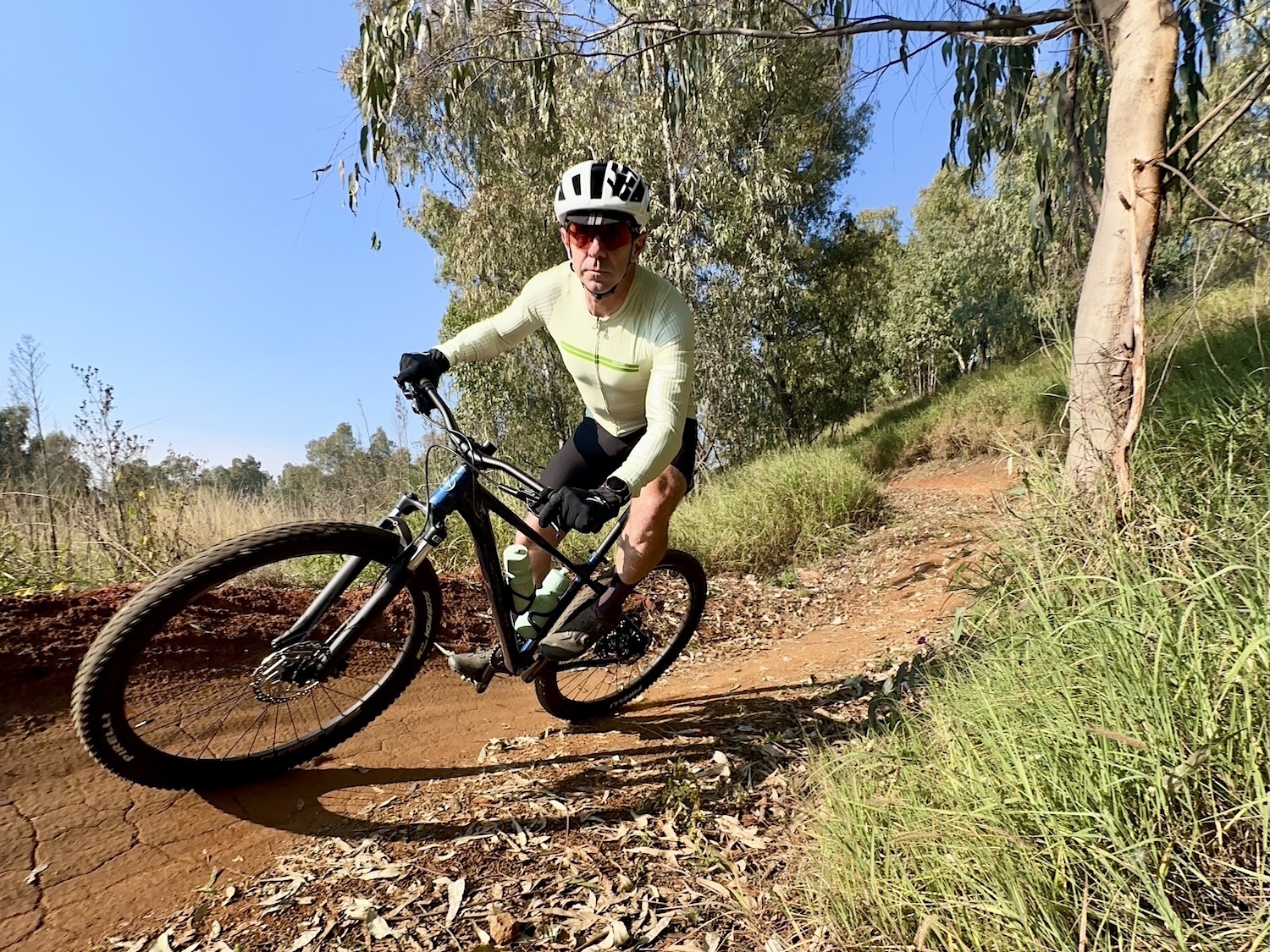
The perception that you need to spend tens of thousands of rands to buy a decent mountain bike is doing our sport no favours. We’ve become so focused on selling the next level of performance that we risk making the first step into mountain biking less appealing.
By Sean Badenhorst
Living in Johannesburg and building a career in mountain bike media drew me firmly towards two wheels. That decision has shaped my lifestyle, and I have no regrets. I genuinely love mountain biking. But something about the sport increasingly bothers me: the perception that you need to spend tens of thousands of rands to buy a decent mountain bike.
I appreciate progress. I appreciate the technology, engineering and innovation that have made modern mountain bikes remarkably capable. But I also appreciate simplicity, practicality and the pure pleasure of riding a bicycle.
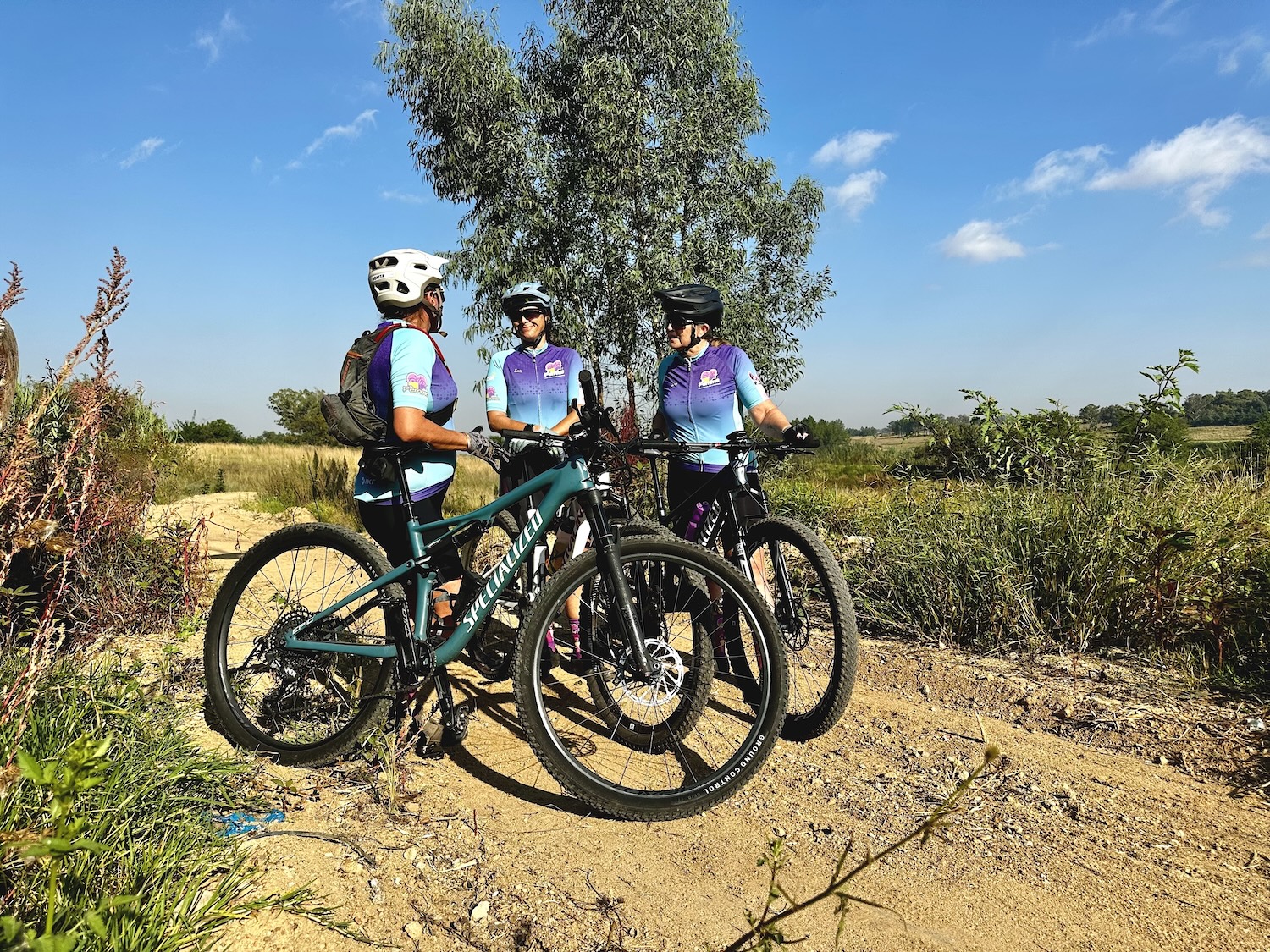
This year, I’ve been on a personal mission to establish where the line can reasonably be drawn for a mountain bike that is sufficiently capable for most riders. I’ve been fortunate to do much of that exploration through the test bikes that come through TREAD Media. I have shared more about what I believe constitutes a minimum standard mountain bike in this article.
This is about more than the specification of a bicycle, though. If you’ve followed my recent writing, you’ll know I’m increasingly concerned about the direction South African mountain biking is heading in terms of participation. The sport still attracts healthy numbers at many events, but I estimate participation is down by roughly 25–30% from its peak a decade ago.
Perhaps mountain biking in South Africa experienced an extraordinary, partly unsustainable boom. Even so, I think we need to be doing more to attract new riders rather than simply compete for the wallets of those already in the sport.
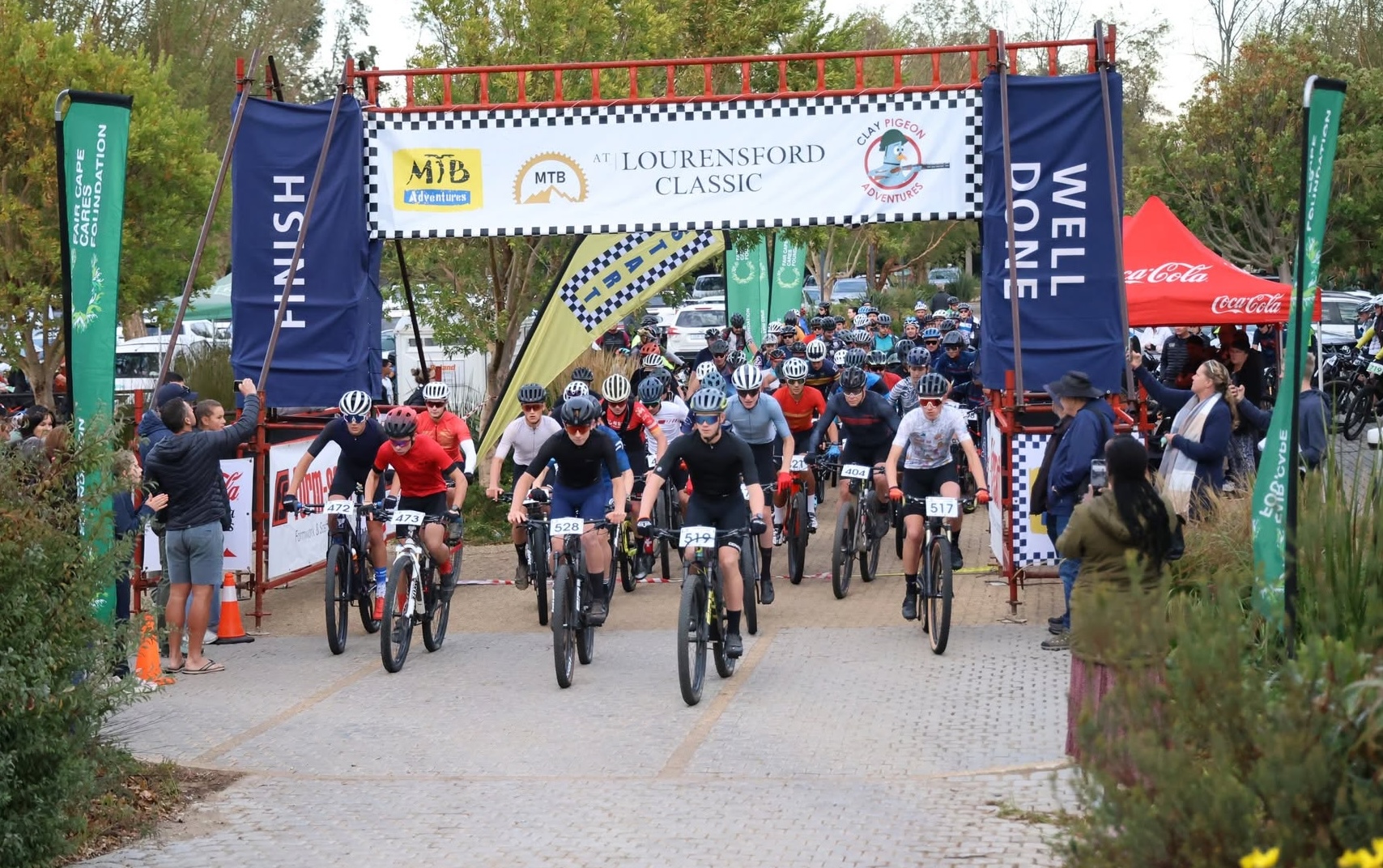
The global performance bicycle industry is experiencing an unprecedented slump, yet the emphasis remains heavily skewed towards the top end of the market. That’s a strategic mistake. Today’s entry-level rider is tomorrow’s experienced rider, potential race participant, bike upgrader and long-term customer. Ignore that entry point and you weaken the pipeline that sustains the industry.
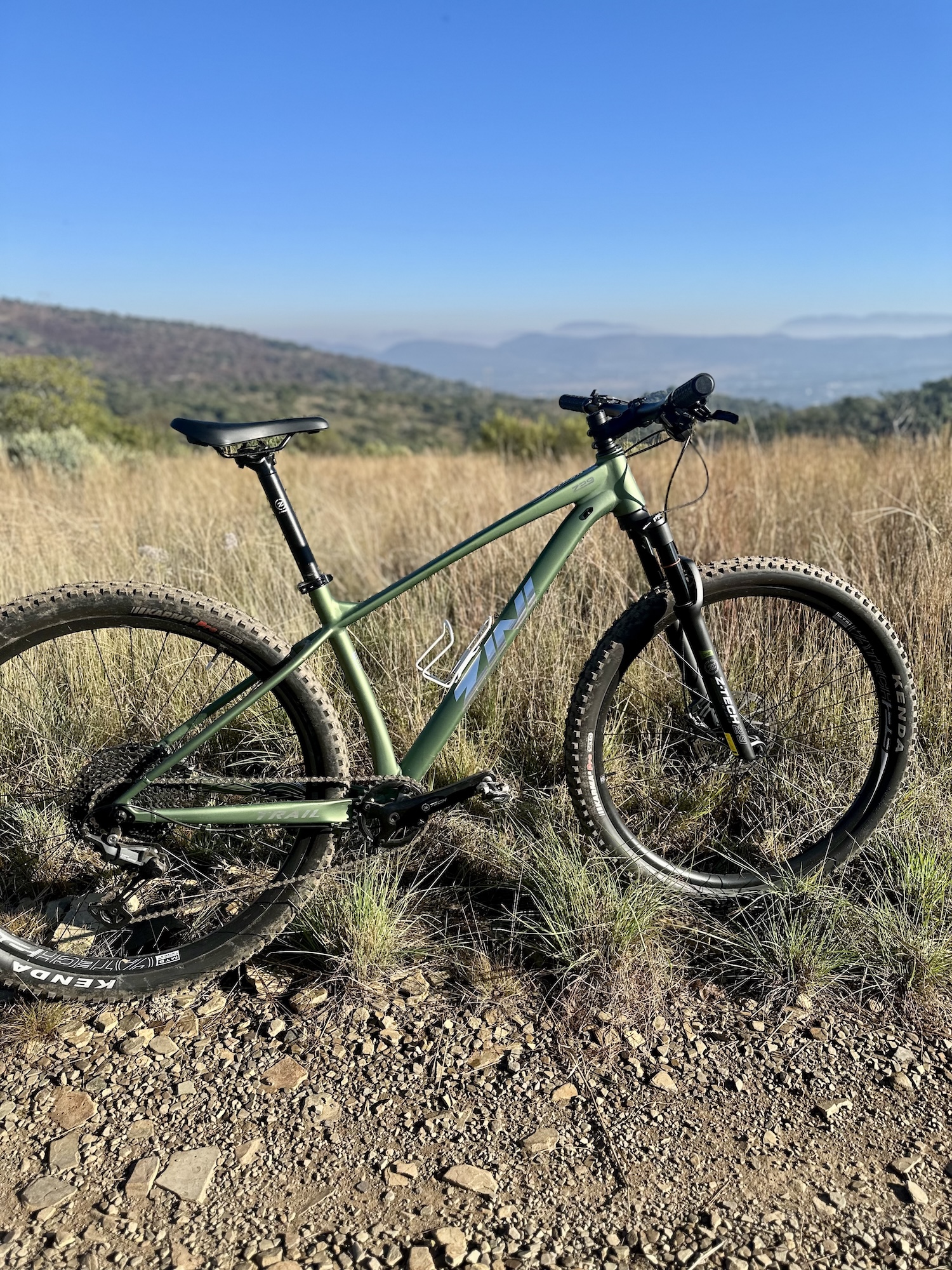
Thankfully, several South African brands are doing meaningful work in this space. Titan Racing, Avalanche, Zini, Outer, Signal and Silverback, among others, offer mountain bikes that make getting into the sport more financially attainable. They may not carry the perceived prestige of some first-tier international brands, but prestige doesn’t get a new rider onto a trail. Accessibility does.
And this isn’t exclusively a South African problem. Mountain bikers around the world are increasingly confronted with the reality that a high-performance mountain bike can cost well in excess of R200 000. There will always be people who can afford that, and there will always be a market for premium products. But they aren’t the majority of potential mountain bikers. Nor should the industry’s future depend on them alone.
I believe both the bicycle industry and cycling media share some responsibility for how this perception has developed. The industry needs consumers to upgrade, replace and buy new products. The easiest way to encourage that is to market performance: faster, lighter, stiffer, more efficient, more capable. The latest technology becomes the benchmark, and the previous generation – or a simpler, more affordable bicycle – is subtly pushed into the background.
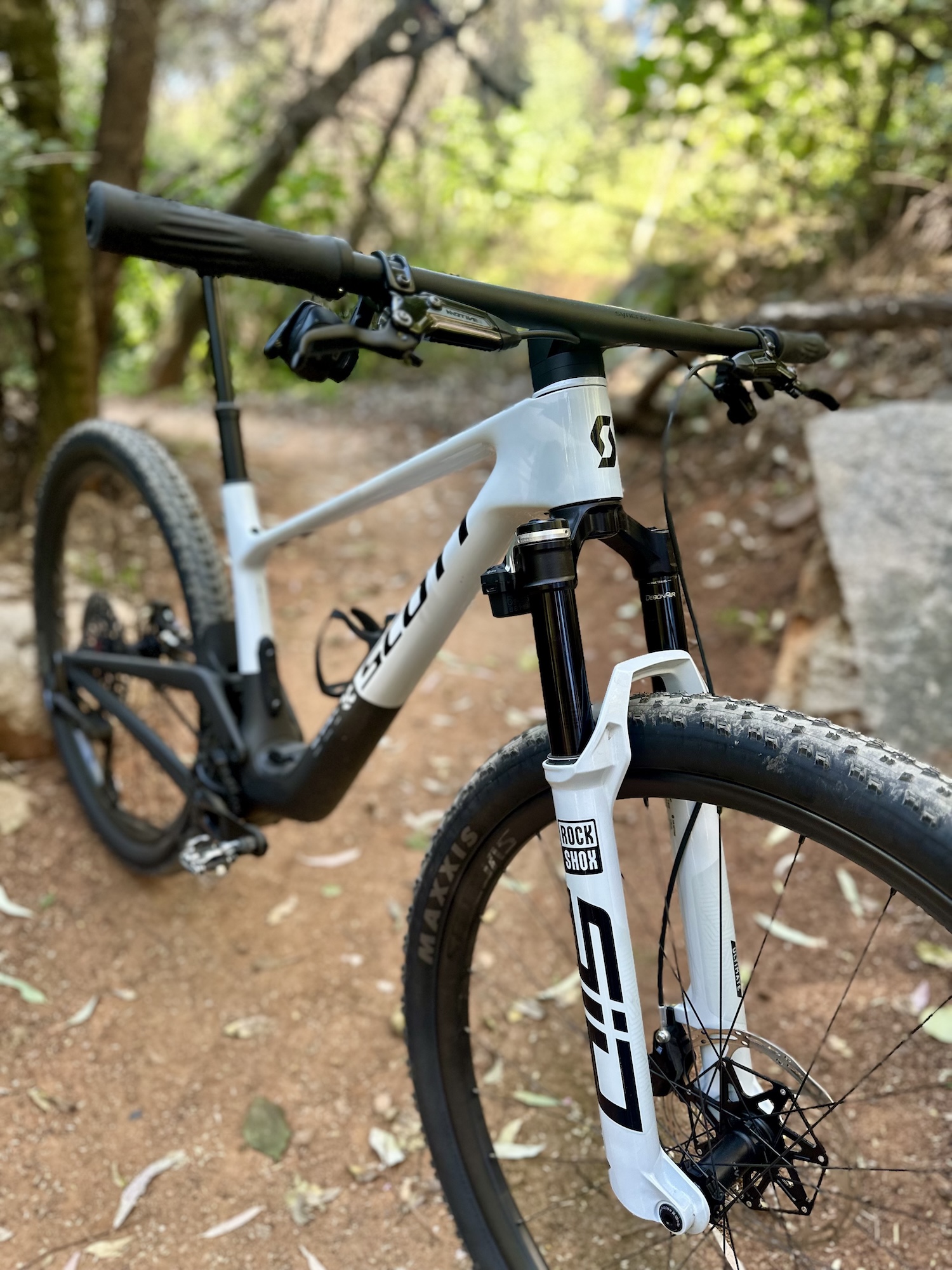
To be fair, not every innovation is simply about going faster. Tubeless tyres, modern suspension, disc brakes and dropper seatposts have genuinely improved mountain biking. They reduce punctures, improve control, increase confidence and make riding more enjoyable. I’m not advocating a return to outdated technology for the sake of nostalgia.
But innovation and affordability don’t have to be mutually exclusive. And the conversation about what makes a good mountain bike has become disproportionately dominated by what makes an expensive mountain bike better.
Mountain bikes in South Africa currently range from around R9 000 to well over R300 000. That is an extraordinary gap. Yet most industry marketing and cycling media coverage gravitates towards the upper end of that spectrum. Electronic shifting, intelligent suspension systems, wireless dropper posts, 32-inch wheels, proprietary technologies and increasingly sophisticated designs dominate the headlines.
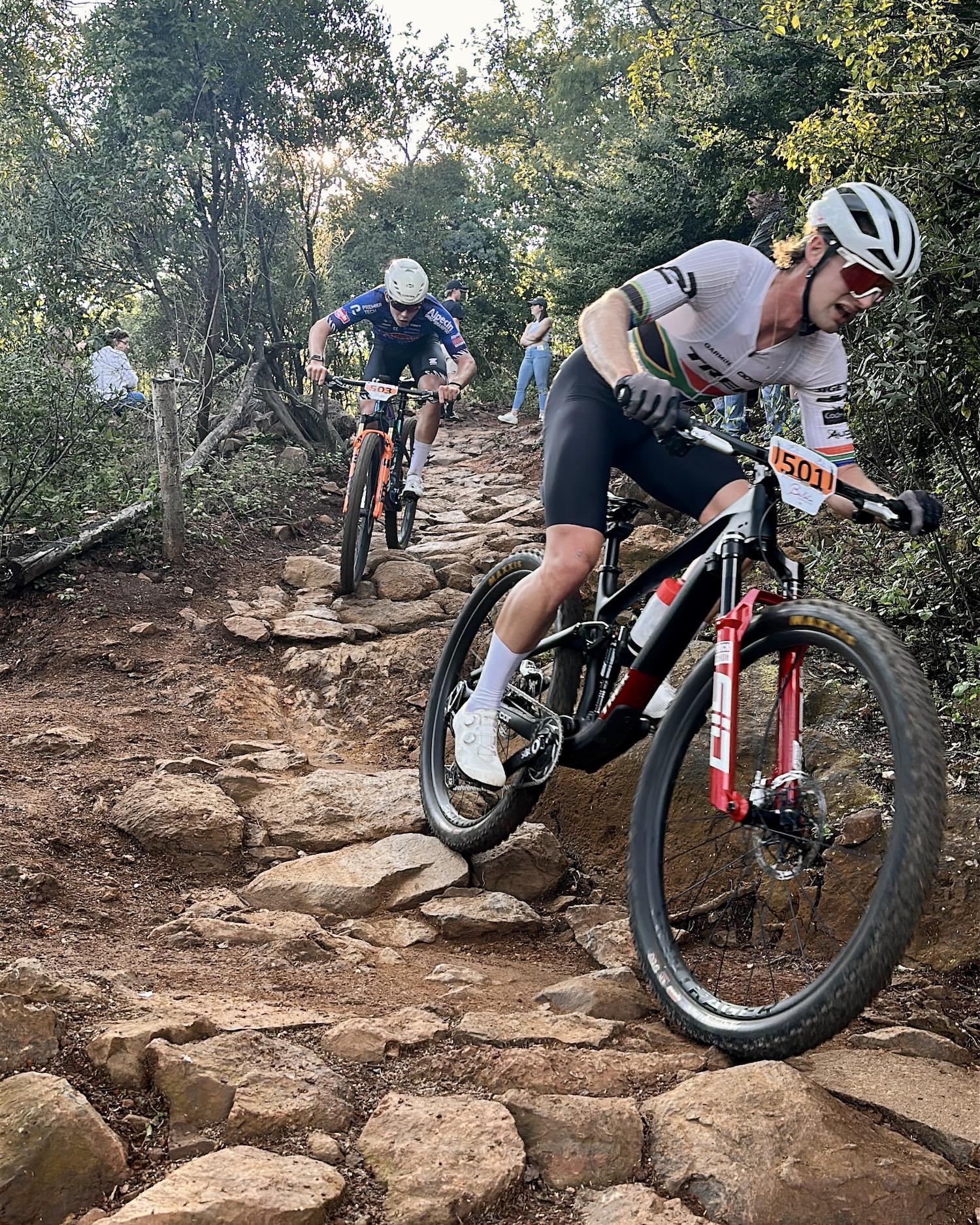
Try finding regular, meaningful published bike tests on mountain bikes priced below R40 000. Then try finding them below R20 000. They are far less common than they should be.
That absence matters. When the bikes we showcase, review, discuss and celebrate are predominantly expensive, we reinforce the idea that those are the bikes worth owning. A rider who has just stretched their budget to buy a R15 000 hardtail may begin to feel that their bicycle isn’t good enough before they’ve even properly explored what it can do. That perception may not be deliberately created, but it is a consequence of the conversation we’re having.
As a cycling media brand, TREAD Media has a responsibility to help change that conversation. We will continue creating relevant content for experienced mountain bikers and those who invest heavily in their bicycles, but we’re committing to doing more for people entering the sport and those still considering whether mountain biking is for them. That means more attention to affordable bikes, sensible equipment choices, practical advice and the realities of getting started.
The industry needs to do the same. We cannot endlessly glorify the top end of the market while giving the bottom end comparatively little attention. We need to make the entry point into mountain biking more visible, more appealing and less intimidating. The future of the sport depends not only on what we sell to today’s committed riders, but on how many new riders we inspire to start.
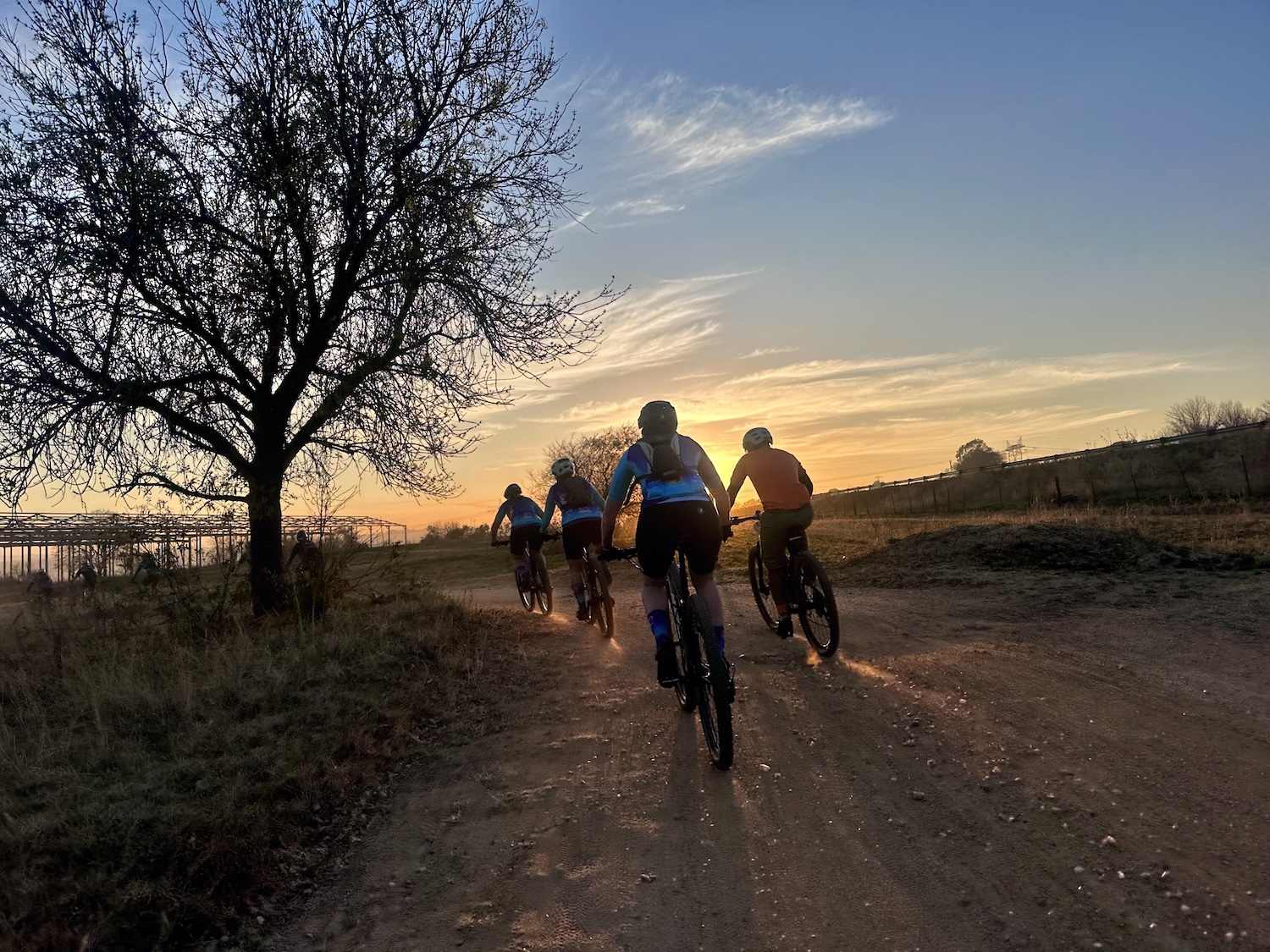
Padel, Hyrox, road running, trail running and golf are all competing for people’s time, money and recreational attention. Many offer a comparatively affordable entry point. Mountain biking shouldn’t assume that its appeal alone is enough to overcome the financial barrier we have helped create.
Because mountain biking has something special. The freedom, adventure, physical challenge, scenery, camaraderie and sheer fun of riding a trail are difficult to replicate. We shouldn’t make accessing those things feel like a luxury.
It’s time we made mountain biking feel affordable, accessible and exciting. I hope you’ll join me in helping make South African mountain biking great again.
Sean Badenhorst is the co-founder and editor of TREAD Media. He has been riding mountain bikes and writing about them since 1991.

