


Hot-waxing a bicycle chain might seem like an overly clinical approach to bicycle maintenance, but it turns out more cyclists are embracing it than you might expect. We spent two months testing Silca’s hot-waxing system and products to find out whether the performance benefits justify the process and investment.
Who hot-waxes their bicycle chain? Apparently, quite a few cyclists. Once the preserve of professional racers and particularly meticulous enthusiasts, hot-chain waxing is becoming increasingly popular among riders who want to reduce drivetrain friction, extend component life and spend less time cleaning and lubricating their chains.
Hot-chain waxing is hardly a new concept. Paraffin wax has been used on bicycle chains for more than a century, primarily to reduce friction, protect against rust and keep dirt from accumulating on the drivetrain. Fast-forward to 2026 and the principles remain much the same. What has changed is the refinement of the products, the convenience of the process and the growing body of evidence supporting its performance benefits.

Silca is a premium American cycling accessories brand with Italian roots. It has built a reputation for producing high-quality, durable and innovative products, including bicycle pumps, tools, multi-tools, saddle bags, bottle cages and, more recently, road and gravel tyres. Its chain-waxing systems, cleaners and lubricants have also become an important part of its product range, and these are what we have been getting familiar with over the past two months.
Although Silca has had a presence in South Africa before, product availability has been intermittent. That has changed with Artemis Brands taking on exclusive distribution. An established baby-products distributor, Artemis is run by passionate cyclists who have added Silca to their brand portfolio.
There are several brands offering hot-melt chain wax, but most leave you to figure out how to heat the wax and immerse the chain. Silca has taken a more considered approach, developing a dedicated system that makes the process more controlled, convenient and repeatable. It isn’t inexpensive, but the equipment is a once-off purchase, and the potential savings in drivetrain wear and ongoing maintenance make it easier to justify over time.
The dedicated system comprises a temperature-controlled wax melter, chain-hanging stand and cable coupler. Together with Silca’s specialist wax, cleaning products and optional additives, it provides a complete solution for converting your drivetrain to hot waxing.

If you don’t hot-wax your chain, you should be cleaning it regularly and applying fresh lubricant before each ride. For committed cyclists, that’s simply part of owning and maintaining a bicycle. For others, it’s a chore that tends to get postponed until the drivetrain starts sounding unhappy.
A properly hot-waxed chain offers a different routine. Rather than applying lubricant before every ride, the wax coating can last up to 300-400km, depending on conditions and riding style. Between rides, you simply wipe the chain with a clean, dry microfibre cloth. For a regular road cyclist, that could mean going seven to 10 days between treatments, while less frequent riders might get three or four weeks out of a single application.
There is, however, one additional maintenance consideration: removing the chain for waxing means opening its master link (also known as a quick link). These links are not designed to last indefinitely through repeated removal and refitting. Each time you open one, you introduce additional wear, and after approximately three or four removals, replacement is advisable. This means keeping spare master links on hand and factoring them into the ongoing cost of hot-waxing.

THE PROCESS
We followed the instructions supplied with the Silca system. There are a few steps involved, particularly when preparing a chain for its first waxing, but the process is straightforward once you understand it.
First, assemble the chain-hanging stand, position the wax melter in its base notches and plug it in on a level, heat-resistant surface.
Next, add Silca Secret Chain Blend Hot Melt Wax pellets to the pot, leaving approximately 20mm of space at the top. Depending on your priorities, you can also add one of Silca’s optional additives: SpeedChip for lower friction or EnduranceChip for longer intervals between waxing.
Chain preparation is important, and the process differs depending on whether you’re working with a brand-new chain or one that has already been used.

For a new chain with its factory grease still present, Silca’s StripChip allows you to degrease and wax in a single operation. Set the melter to 125°C and, once the wax begins melting, add one StripChip piece. Allow everything to melt completely.
For an existing chain, or one that has already been thoroughly degreased, the wax temperature should be set to 75°C. The chain must first be cleaned properly using Silca Ultimate Chain Stripper + Wax Prep. This involves soaking and agitating the chain, rinsing it several times with water and allowing it to dry completely. There is little point in going to the trouble of hot-waxing if you’re going to trap old lubricant and contamination underneath the new coating.
Once the wax is ready, thread the cable coupler through five or six spaced links of the chain. Lower the chain into the molten wax, keeping part of the coupler above the surface so you can retrieve it easily.
With a new chain and StripChip, gently agitate the chain for 30 seconds, leave it fully submerged for 10 minutes at 125°C, then agitate it for another 30 seconds. The temperature can then be reduced to 75°C.

When waxing a used chain that has been cleaned with the stripper, simply agitate it gently in the 75°C wax until the air bubbles stop emerging. This indicates that the molten wax has penetrated the chain’s rollers and pins.
Once the process is complete and the wax is at 75°C, lift the chain out using the coupler and hang it on the stand. This allows excess wax to drip back into the pot. Leave it to cool and dry for 15 minutes before switching off the melter.
The final step is to flex each link by hand to free up the chain. A freshly waxed chain is stiff, which is normal. Reinstall it on a clean drivetrain, taking care not to apply too much wax to the master link. If necessary, scrape away excess wax to make installation easier.
Expect to spend 10-20 minutes riding before the chain settles in and feels completely normal. Some external wax flaking during the first ride is also perfectly normal.
It sounds like quite a production when written out step by step, but in practice it’s not particularly complicated. The first preparation takes the most effort. Subsequent waxing sessions are considerably simpler, although opening and closing the master link and eventually replacing it become part of the routine.

THE RESULT
We treated two chains: one brand new and one already in use. Testing took place from late winter into early spring in Johannesburg, so riding conditions were predominantly dry and dusty.
The biggest adjustment was getting used to not lubricating the chains before every ride. That’s a habit most cyclists develop, and initially it feels a little strange to simply wipe the chain down and head out. After a few days, though, it became quite satisfying. There was a sense of having better control over an important wear-and-tear component, without having to attend to it constantly.
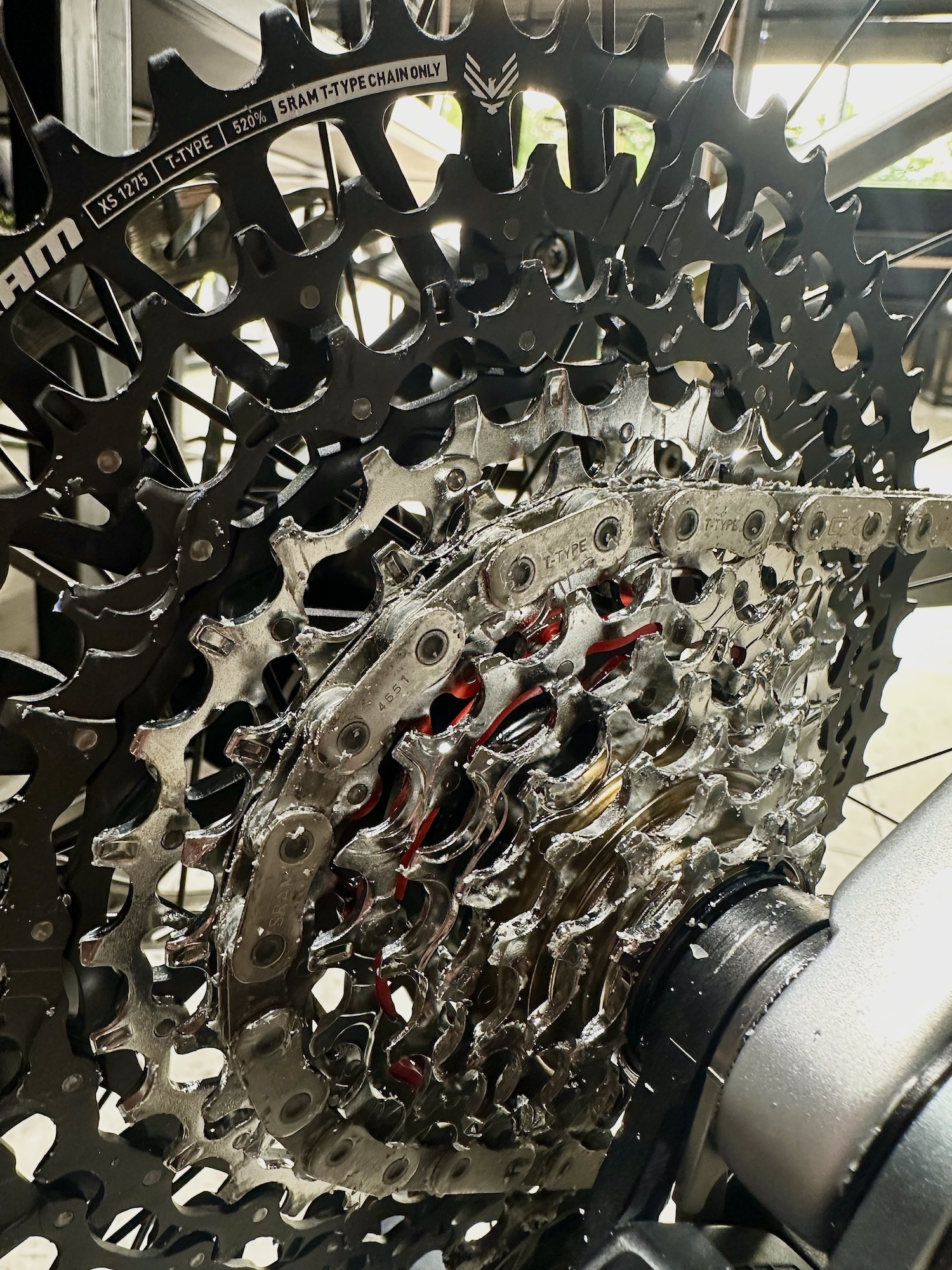
Both test chains were fitted to mountain bikes with SRAM AXS Eagle 1×12 drivetrains.
The feedback from the riders was positive. The rider on the previously used chain described it as “glidey and super smooth”. The rider on the new chain reported a more efficient feel, with pedalling and shifting described as “almost silky smooth”.

Silca claims that a hot-waxed chain can deliver up to 15 hours or 300-400km of riding before needing to be re-waxed. That’s a guideline based on dry conditions, primarily on tar. Off-road riding introduces more variables, particularly dust, moisture and mud, which can influence how long the wax remains effective.
In our predominantly dry Gauteng conditions, both testers managed to reach approximately 400km before noticing the first signs of chain squeak. That’s a pretty respectable interval, particularly for mountain bike use.
After particularly dusty rides, both testers simply wiped their chains with a soft, dry cloth. Silca also supplied a bottle of Super Secret Chain Lube, which we used to extend riding time slightly when a full re-wax wasn’t immediately convenient. It’s worth having as part of the system, particularly if you’re caught out between waxing sessions.

When it comes to re-waxing, the amount of cleaning required depends on how dirty the chain has become. If it’s reasonably clean, pouring boiling water over it can remove the remaining wax before the next treatment. Our testers felt their chains had accumulated enough dirt to warrant a more thorough clean, so we used Silca’s dewaxing solvent before re-waxing.
The re-wax itself was simple. We reheated the remaining wax in the melter, immersed the cleaned chain and repeated the hanging and cooling process. No need to start from scratch or use a fresh batch of wax each time.

THE COST
There’s no getting around the fact that converting to Silca hot waxing requires an initial investment. Here’s what you can expect to pay for the products:
Silca product pricing
| Product | Price |
|---|---|
| Silca Secret Chain Blend Hot Melt Wax pellets (essential) | R1 295 |
| Silca Secret Chain Lube (essential) | R795 |
| Silca Ultimate Chain Stripper (essential) | R1 295 |
| SpeedChip additive (lower friction) | R895 |
| EnduranceChip additive (longer intervals) | R895 |
| StripChip (new chains) | R895 |
| Dedicated Chain Waxing System (melter, stand and cable coupler) | R3 995 |
You should also budget for replacement master links (about R100 each). These are not included in the Silca system and will need to be replaced periodically as repeated removal and refitting takes its toll.
The dedicated system is not compulsory. You can use a regular, dedicated pot to heat the wax and immerse your chain, provided you can manage the temperature safely and consistently. However, Silca’s purpose-designed melter and accessories make the process considerably more controlled and convenient.
The optional additives are just that: optional. You can get started with the essential products and decide later whether the additional benefits of SpeedChip, EnduranceChip or StripChip justify their cost.
THE VERDICT
Hot-chain waxing is not for everyone. It requires a change in maintenance habits, an initial investment and a willingness to follow a process that is more involved than simply applying a few drops of lubricant. If you prefer to spend as little time as possible maintaining your bicycle, it might not appeal to you.
However, there’s a reason professional road teams, mountain bike racers and gravel racers have embraced hot waxing. A cleaner drivetrain, reduced friction and potentially longer component life are meaningful benefits, whether you’re chasing seconds in a race or simply want your bicycle to perform at its best.
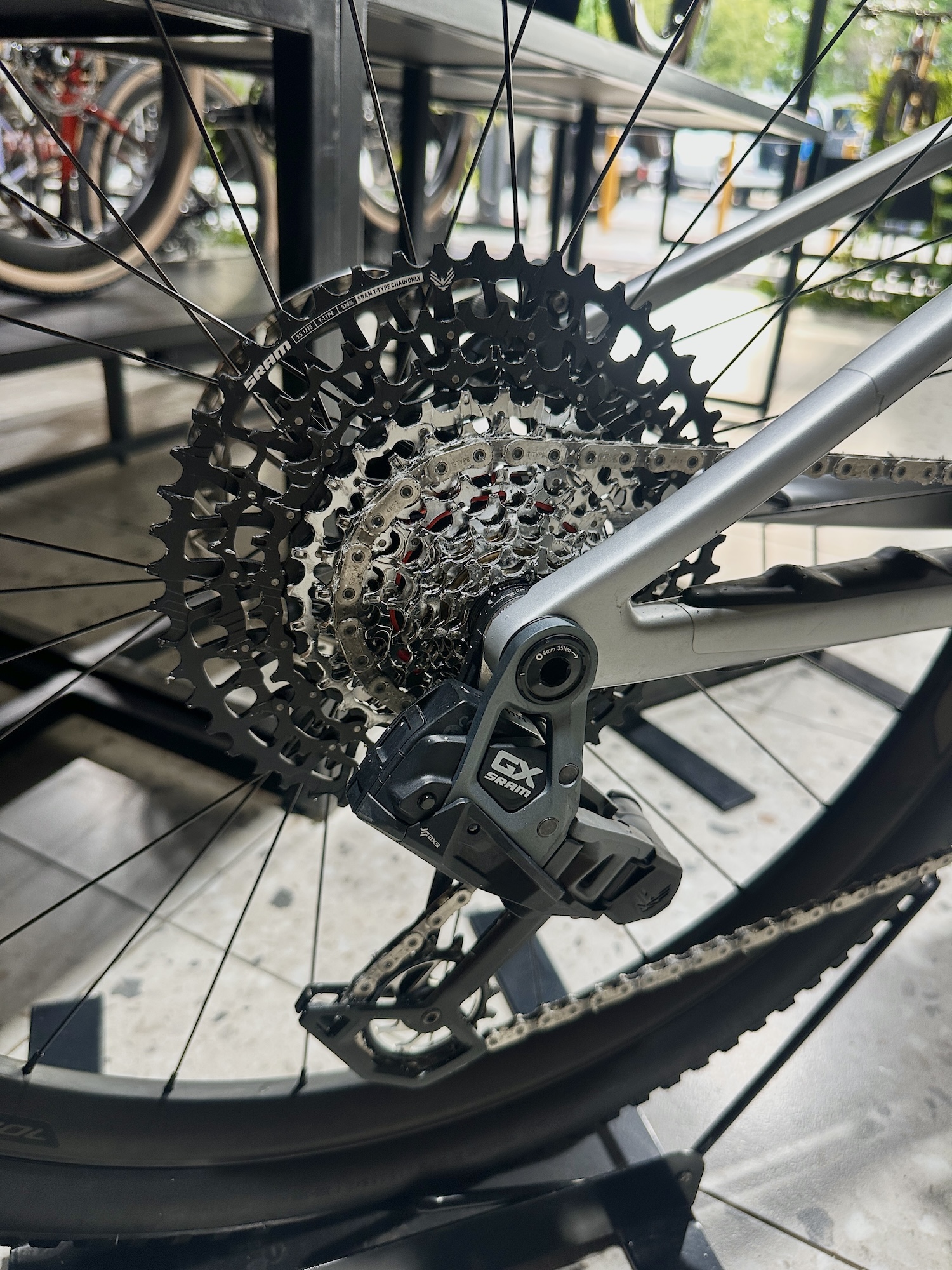
Our two-month test delivered the sort of results that make the system easy to understand and appreciate. Both chains felt exceptionally smooth, and reaching around 400km between treatments in predominantly dry off-road conditions was impressive. The reduced need for regular cleaning and lubrication was an equally welcome benefit.
Silca’s dedicated system takes much of the guesswork out of the process. It’s a premium solution, and the price reflects that, but for riders who value drivetrain efficiency, performance and longer-term component care, it’s a worthwhile investment.
You might not enjoy the process of hot-waxing your chain, but there’s a good chance you’ll enjoy the results.
Find out more: Silca Chain Waxing Systems
Silca products are distributed in South Africa by Artemis Brands. Read more about Silca’s return to South Africa.
Note: Pricing is correct as at November 2026 and may be subject to change

