

Having monitored, competed in and covered mountain bike events since our launch in 2009, TREAD Media is well positioned to offer a considered view on the state of mountain bike events in South Africa as we enter 2026.
By Sean Badenhorst
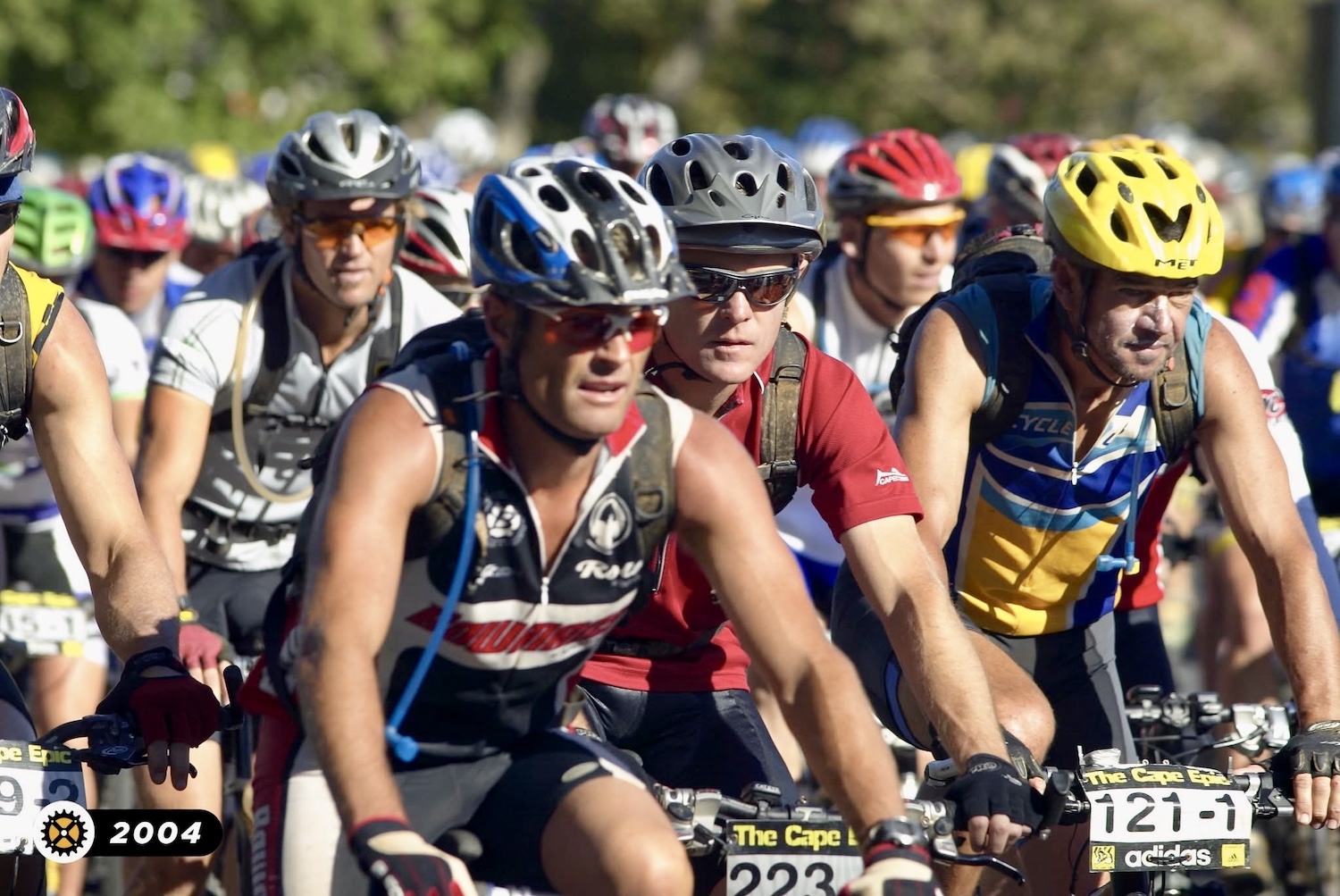
The South African mountain bike market was initially built on endurance events. The launch of iconic stage races such as the Absa Cape Epic and Sabie Xperience in 2004, followed by Sani2c in 2005, alongside the development of a national marathon series by Advendurance (now Faces) in 2003, gave the sport a solid and sustainable foundation. Over time, additional events filled out the calendar, with endurance racing firmly at the centre of the mountain biking experience.
For more than a decade this model flourished. Some of the most popular and well-organised events attracted corporate sponsorships from banks and insurance companies – something almost unheard of in mountain biking globally. Entry numbers were strong, calendars were full and endurance racing dominated the narrative.
Then, around 2017, things began to change. A combination of factors – including a weakening economy, political uncertainty, race-repetition fatigue and a generational shift in rider preferences – saw entry numbers start to decline. At the time, few recognised it for what it was. The bubble didn’t burst, but it developed a very real leak.
By 2019 there was a reluctant acknowledgement that endurance events were struggling to maintain numbers. Then came the unexpected hammer blow: Covid-19 and the government’s response to it. From 2020 to 2022, the mountain bike events industry was left in tatters. Weaker events simply disappeared, while stronger ones postponed dates or cancelled editions in the hope of surviving an unprecedented period of uncertainty.
When lockdown restrictions were finally lifted, mountain bikers – who had spent those years enthusiastically riding trails and gravel roads – were able to enter events again. Here’s the catch: not all of them wanted to.
In the early days of mountain biking in South Africa, dedicated trail parks were few and far between. For many riders, entering a race was the only way to enjoy a safe, well-marked and stimulating ride, complete with water points and fellow riders on the route. Racing wasn’t just about competition; it was about access.
Over time, trail parks were developed and embraced, but endurance events still dominated the market. During lockdown, however, trail parks flourished. Their numbers increased, usage exploded and, in the process, the mountain biking mindset began to shift – from race-orientated to ride-orientated.
The culture changed. Riders realised they didn’t need to enter a race to enjoy a safe, satisfying mountain bike experience. Many discovered the appeal of booking multi-day trips with friends, riding a collection of trail parks with a stronger social focus and often at a lower cost than a traditional stage race.
This shift, combined with a struggling post-Covid economy and increasing competition from other activities – such as padel, trail running, CrossFit and a resurgent golf scene – pushed race entry numbers to historic lows. Not across the board, but for the majority of events.
At the same time, the Covid period saw a surge in participation among youth in cross-country, enduro and downhill disciplines. These formats reward skill and power over pure endurance, creating a new generation of mountain bikers with little interest in riding for hours on non-technical routes.
Add to this the rapid rise of gravel riding and the mainstream acceptance of e-bikes, and what emerges is a fragmented – but mature – mountain bike events market. Today’s calendar includes traditional marathons (generally capped at around 70km), half-marathons, stage races (with the strongest having endured), stage rides (non-competitive guided multi-day experiences), gravel races, ultra-endurance events, cross-country series, downhill series and enduro series.
For newcomers, it can be confusing. But this is simply how the sport has evolved in South Africa.
What hasn’t changed is the quality. We still host some of the best mountain bike events in the world. We still benefit from a year-round racing climate. We still have a thriving schools mountain biking segment. And we still boast some of the finest trail parks globally – many of which now form part of race routes.
Having just compiled the new TREAD Events Calendar (launching soon), we can confidently say that there are more than 300 mountain bike and gravel races and events scheduled for 2026 – excluding schools events.
That’s something worth celebrating. We are incredibly fortunate, and it’s important that we recognise and make the most of that good fortune.
Image caption: The 2004 Cape Epic | Photo: Cape Epic/Gary Perkin
Sean Badenhorst is the editor and co-founder of TREAD Media. He has been riding and racing mountain bikes in South Africa since 1991.

